Key Points
- Cardiff University Scheme: The Cardiff University Rehabilitation Academy (CURA) implemented a 10-week scheme of exercise classes between April and June 2026 at the newly opened Health Park West campus of the university.
- Partnership: The scheme was conducted in partnership with Stroke Association Wales, offering evidence-based rehabilitation to stroke survivors living in Cardiff and the Vale.
- Student Participation: Classes were led by undergraduate, postgraduate, and international MSc physiotherapy students under the guidance of skilled neurological physiotherapists and lecturers Gary Morris and Stephen Dando.
- Participants’ Advantages: Stroke survivors who participated in the classes demonstrated improved strength, balance, and confidence in order to better participate in daily life activities and exercises.
- Personal Experiences: Participants and carers noticed transformational lifestyle changes such as confidence to attend walking football and coping with difficult environments including steps that are not accessible.
- Learning Opportunities: Students learned how to conduct clinical sessions, which improved their ability to independently advance exercises in a supervised way.
- The Future Plans: After successful completion of the scheme, the Cardiff University team plans further rehabilitation classes for 2027, open to undergraduate, pre-registration MSc, and postgraduate MSc physiotherapy students.
Cardiff (Cardiff Daily) October 13, 2026 — A pioneering community-based rehabilitation project launched by Cardiff University has successfully improved the strength, balance, and confidence of local stroke survivors while offering invaluable hands-on clinical training to the next generation of physiotherapists.
- How has the Cardiff University Rehabilitation Academy (CURA) supported stroke survivors?
- Who supervised the student-led rehabilitation sessions?
- What impact did the programme have on stroke survivors and carers?
- What did student physiotherapists gain from the initiative?
- What are the future plans for the Cardiff University rehabilitation classes?
- Background of the Particular Development
How has the Cardiff University Rehabilitation Academy (CURA) supported stroke survivors?
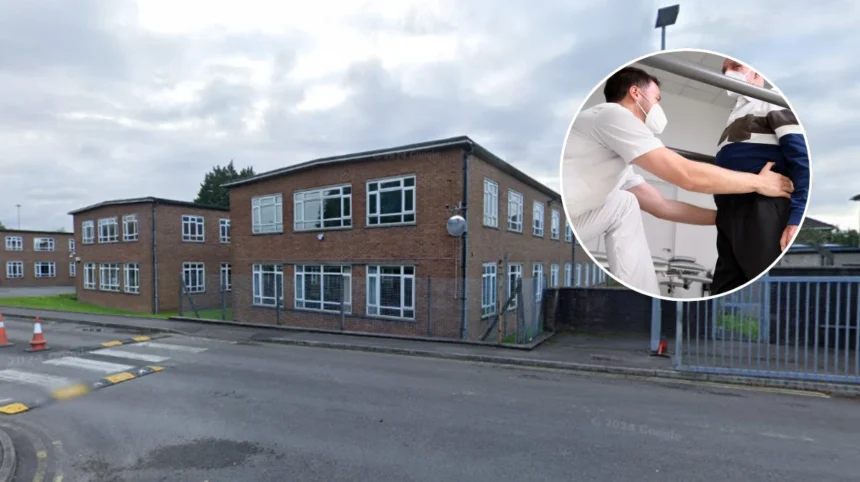
As reported by the News desk of NR Times, the Cardiff University Rehabilitation Academy (CURA) ran a dedicated 10-week series of exercise classes between April and June 2026. Hosted at the university’s new Heath Park West Campus, the programme was established in close partnership with Stroke Association Wales to deliver targeted, evidence-based rehabilitation support for individuals recovering from strokes across Cardiff and the Vale.
The classes incorporated contemporary stroke rehabilitation research, tailored specifically to address the physical and functional challenges faced by survivors. Underpinning the initiative was a dual-purpose model: aiding community recovery while cultivating vital practical skills for undergraduate, postgraduate, and international MSc physiotherapy students who led the sessions under expert supervision.
Explore more Heath News
Cardiff University Physiotherapy Students Aid Stroke Survivors in Cardiff 2026
Council Tackles UHW Hospital Crisis with Welsh Government 2026
Who supervised the student-led rehabilitation sessions?
According to coverage by the News desk of NR Times, the student clinicians operated under the close guidance and supervision of experienced neurological physiotherapists, alongside senior lecturers Gary Morris and Stephen Dando. This structured supervision ensured that participants received safe, high-standard, evidence-based care while students navigated real-world clinical scenarios, learning how to adapt and progress exercises dynamically.
What impact did the programme have on stroke survivors and carers?
The initiative yielded profound physical and psychological benefits for participants, helping them regain independence and reconnect with everyday life.
Sharing their personal experience with the News desk of NR Times, one stroke survivor stated:
“Before the class, I felt like a victim. I didn’t feel like a stroke survivor because I didn’t have the confidence to do things.”
Another participant highlighted how the classes directly enabled them to resume active hobbies, noting:
“It’s given me more confidence with my balance to do walking football. I didn’t have that confidence until I’d done this group.”
Carers also observed remarkable functional improvements outside of the classroom environment. As detailed by the News desk of NR Times, one carer remarked:
“We went to a relative’s house on the weekend and their house isn’t accessible. She went up a very high step. I never thought she’d do it, but she did.”
What did student physiotherapists gain from the initiative?
Beyond aiding patient recovery, the project served as an essential training ground for student physiotherapists looking to bridge the gap between academic theory and clinical practice.
Reflecting on the practical value of the placement, a student told the News desk of NR Times: “Being able to gradually progress exercises on our own here gave us the confidence to do that later on in our practice too.”
Weighing in on the broader educational and civic success of the project, Gary Morris, senior lecturer in physiotherapy at Cardiff University, told the News desk of NR Times:
“This global-civic project shows how Cardiff University can make a real difference in the local community while enriching the education of our students.”
Furthermore, Gary Morris stated to the News desk of NR Times:
“It was inspiring to see stroke survivors gain strength, confidence and independence over the ten-week programme, while our students developed the practical skills, professionalism and communication that are essential for their future practice.”
What are the future plans for the Cardiff University rehabilitation classes?
Building upon the success of the initial 2027 rollout preparations, the Cardiff University team has confirmed plans to run subsequent series of rehabilitation classes. Eligibility will extend across various university physiotherapy streams, including undergraduate, pre-registration MSc, and postgraduate MSc courses. Organisers have indicated that participant and student places will remain strictly limited to ensure optimal, close-contact supervision between student clinicians and participants. Further details regarding the upcoming series are expected to be announced by the university in due course.
Background of the Particular Development
The launch of the Cardiff University Rehabilitation Academy (CURA) initiative reflects a growing international emphasis on integrating community-based care with academic clinical education. Stroke remains a leading cause of long-term adult disability globally, placing considerable strain on traditional healthcare systems and highlighting the ongoing need for accessible, long-term physical rehabilitation options post-hospital discharge. Universities across the United Kingdom have increasingly sought to bridge community health gaps by leveraging campus facilities and student-led clinics. By partnering with established support organisations like Stroke Association Wales, academic institutions can deliver supervised, evidence-based physical interventions that alleviate pressure on National Health Service (NHS) outpatient services while simultaneously equipping student clinicians with the real-world neuro-physiotherapy competencies demanded by modern healthcare environments.
This development is expected to have a meaningful positive impact on local stroke survivors, healthcare students, and regional health systems within Cardiff and the Vale. For stroke survivors and their carers, the continuation and expansion of these structured exercise classes into 2027 will provide continued access to cost-free, specialized physical rehabilitation that directly targets balance, mobility, and psychological confidence—factors crucial for preventing secondary complications and reducing social isolation. For future healthcare professionals, early exposure to complex neurological cases under expert guidance will accelerate their clinical readiness, ensuring a more confident, highly skilled workforce entering the physiotherapy sector. Over the longer term, initiatives of this scale help validate community-embedded academic models as viable frameworks for easing the capacity burdens on regional healthcare networks while directly empowering patients to reclaim their independence.