Key Points
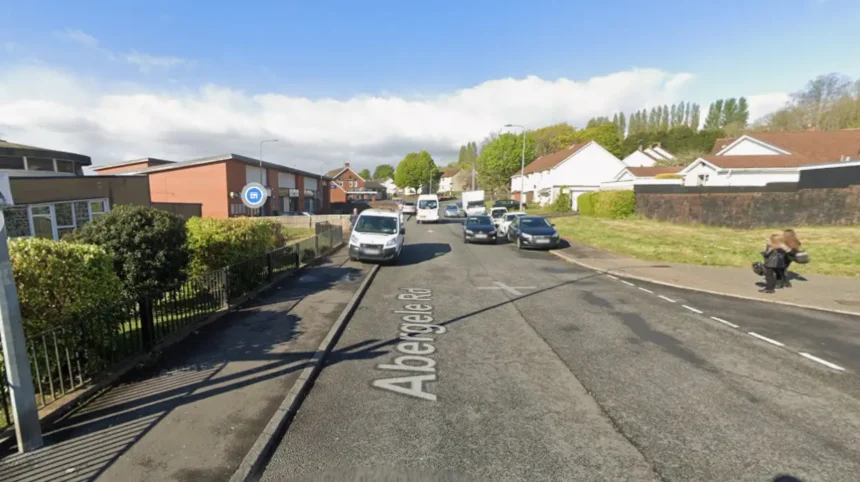
- Clare Evans, aged 32, from the Rumney area of Cardiff, was found unresponsive at her home on Abergele Road on 3 February 2026.
- She was admitted to the University Hospital of Wales resuscitation unit after being found in bed at home, but died the following day, on 4 February 2026.
- A post-mortem examination was carried out by pathologist Dr Meleri Morgan on 9 February 2026, with a provisional cause of death recorded as “indeterminate”.
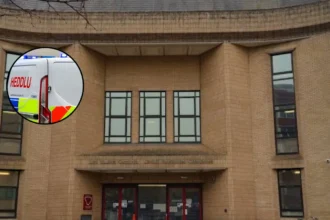
- Coroner Rachel Knight opened an inquest at Pontypridd Coroners’ Court on Thursday (the inquest date in the source is described generically as “Thursday” without a specific calendar date) and stated that opening an inquest was mandatory because the cause of death was indeterminate.
- The coroner has adjourned the case for a full inquest to a date that has not yet been specified.
- The case has been reported by Wales Online, with coverage noting that an inquest opening has heard these details about Ms Evans’ death.
Cardiff (Cardiff Daily) July 9, 2026 – Clare Evans, 32, from the Rumney area of Cardiff, died after being found unresponsive at her home on Abergele Road, an inquest opening has heard. The woman was discovered unresponsive in bed at her residence on 3 February 2026 and was subsequently admitted to the resuscitation unit at the University Hospital of Wales, where she received hospital care but died the following day on 4 February 2026.
- Key Points
- Why was an inquest opened and what does an “indeterminate” cause of death mean?
- What are the next steps in the inquest process for Clare Evans’ case?
- Background of the development: Cardiff inquest procedures and recent death investigations
- Prediction: How this development can affect Cardiff residents and families
As reported by Wales Online, the inquest opening took place at Pontypridd Coroners’ Court on a Thursday, with coroner Rachel Knight stating that opening an inquest into Ms Evans’ death was mandatory due to the cause of death being recorded as indeterminate.
A post-mortem examination was carried out by pathologist Dr Meleri Morgan on 9 February 2026, and the provisional cause of death was given as “indeterminate”.
Coroner Rachel Knight adjourned the case for a full inquest to a date which has not yet been specified, leaving the matter open for further investigation and evidence gathering before a final hearing can take place.
The inquest process in such circumstances is intended to establish the facts surrounding the death, rather than to attribute criminal or civil liability, and follows standard procedure under Welsh coronial law when a death’s cause cannot be clearly determined.
Why was an inquest opened and what does an “indeterminate” cause of death mean?
As explained by Wales Online, Coroner Rachel Knight said that opening an inquest into Ms Evans’ death was mandatory as a result of her cause of death being indeterminate.
In coronial practice, an “indeterminate” cause of death indicates that, following the post-mortem examination, the pathologist was unable to assign a specific medical cause such as a particular disease, injury, or poisoning with sufficient certainty to recorded categories.
This situation often triggers a requirement for a full inquest, where additional medical reports, witness accounts, and possibly further testing may be considered before a conclusion is reached.
The adjournment to an unspecified date reflects the need for further preparation and the gathering of additional evidence before the coroner can proceed to a final determination.
What are the next steps in the inquest process for Clare Evans’ case?
According to the Wales Online report, Coroner Rachel Knight has adjourned the inquest for a full hearing to a date which hasn’t yet been specified.
In practice, this means that the case will remain open while the coroner’s office arranges for further documentation, potentially including detailed medical records from the University Hospital of Wales, additional pathology reports, and any relevant statements from family members or emergency service personnel who responded on 3 February 2026.
When the full inquest is eventually held, the coroner will consider all available evidence in order to determine the facts surrounding Ms Evans’ death, including the circumstances in which she was found unresponsive, the medical care she received, and the reasons why the cause of death remained indeterminate after the initial post-mortem.
The outcome will be recorded in an official inquest conclusion, which may help provide clarity for the family and the wider community, even where a precise medical cause cannot be established.
Background of the development: Cardiff inquest procedures and recent death investigations
The case of Clare Evans follows standard procedures used by coroners in Wales when a death’s cause cannot be clearly determined. Under current coronial arrangements, when a post-mortem examination yields an “indeterminate” cause of death, it is routine for the coroner to open an inquest and, where necessary, adjourn it to allow for further investigation.
This approach is designed to ensure that all relevant facts are recorded in a formal, transparent process, without prematurely concluding on medical or legal causes.
Pontypridd Coroners’ Court, where the inquest opening was held, deals with death cases across a range of local authority areas in Wales, including cases referred from Cardiff and surrounding regions.
Inquest hearings in such courts are typically conducted by a coroner, who may sit alone or, in certain complex cases, with a jury, depending on the nature of the death and statutory requirements.
The process is non-adversarial and focuses on establishing the who, what, when, where, and how of the death, rather than on determining criminal or civil liability.
Recent years have seen continued scrutiny of coronial processes in Wales, including how quickly inquests are convened and how effectively families are supported during the investigation.
While the Clare Evans case does not, at this stage, indicate any broader public safety issue, it reflects the type of individual death investigation that forms part of the normal day-to-day work of the coroner’s service in South Wales.
Explore More Rumney News
Huq Remanded Over Penylan Car Crimes Cardiff 2026
Father Faked Paternity Test with Friend’s DNA Cardiff 2026
Prediction: How this development can affect Cardiff residents and families
For families in Cardiff, particularly in areas such as Rumney, the opening of an inquest and the adjournment to a later date can have a prolonged emotional impact, as the full circumstances of a loved one’s death remain formally unresolved for an extended period.
The uncertainty surrounding the cause of death and the pending full inquest may leave relatives without clear answers about medical or situational factors, which can complicate their ability to process the loss and make practical decisions.
For the wider Cardiff community, the case underscores the importance of the coronial system in providing a structured, transparent process for investigating deaths where the cause is unclear.
It may also encourage local awareness of the role of coroners and the inquest process, helping residents understand what to expect if they are involved in or witness to similar incidents in the future.
While this specific development does not indicate a new public health or safety threat, it reinforces the ongoing need for clear communication between hospitals, coroners, and families when dealing with deaths that result in indeterminate causes.