Key Points
- Welsh Government has announced a major funding agreement for the first 12 months of the five-year Regional Transport Plan, supporting long-term development of local transport infrastructure across the Cardiff Capital Region (CCR).
- The funding forms part of a £48.5 million package for south-east Wales through the Welsh Government’s Regional Transport Fund.
- Specific allocations for Cardiff up to 2029 total more than £20.5 million, broken down as: 2026–27: up to £5,735,580; 2027–28: up to £9,022,886; 2028–29: up to £6,002,117.
- Welsh Government funding will be used alongside other funding streams to deliver transport improvements across the city.
- Key projects include: Newport Road Sustainable Travel Corridor (Phase 1), linking city centre to Newport boundary with permanent cycleway, active travel, and bus priority measures.
- Northern Bus Corridor: new bus priority measures between city centre and north Cardiff, plus continued investment in active travel routes, including bus lanes and crossings on City Road.
- School Streets schemes to improve safety around schools in Tremorfa and Ely, with targeted road safety measures like junction improvements and speed limit reviews post-20mph rollout.
- Bus stop upgrades across the city, including new shelters and build-outs.
- Core active travel budget for low-cost, high-impact walking and cycling improvements.
- Cllr Dan De’Ath, Cabinet Member for Climate Change, Strategic Transport and Planning, highlighted this as the first year of regional funding allocation through the Cardiff Capital Region.
Cardiff (Cardiff Daily) April 1, 2026 – The Welsh Government has unveiled a significant funding commitment exceeding £20.5 million for transport enhancements in Cardiff through to 2029, forming part of a broader £48.5 million package for south-east Wales under the Regional Transport Fund. This allocation targets the first year of the five-year Regional Transport Plan, prioritising sustainable travel, bus improvements, and road safety across the Cardiff Capital Region (CCR). Officials emphasise that the funds will leverage additional streams to transform urban mobility, addressing congestion and promoting active travel in the Welsh capital.
- Key Points
- What Is the Scope of This Funding Announcement?
- How Will the Funds Be Allocated Across Cardiff?
- What Makes This Regional Funding Approach New?
- Newport Road Sustainable Travel Corridor: What Changes Are Coming?
- Northern Bus Corridor: How Will It Benefit North Cardiff?
- School Streets and Road Safety: Are Children Protected?
- Bus Stops and Active Travel: What Everyday Improvements Await?
- What Broader Impacts Could This Have on Cardiff Residents?
- How Does This Fit into Wales-Wide Transport Plans?
- What’s Next for Cardiff’s Transport Evolution?
What Is the Scope of This Funding Announcement?
The announcement marks a pivotal step in regional transport planning, as detailed in official Welsh Government releases. As reported across multiple outlets covering the Cardiff Capital Region, this £20.5 million for Cardiff spans three financial years: up to £5,735,580 in 2026–27, £9,022,886 in 2027–28, and £6,002,117 in 2028–29. This investment sits within the larger £48.5 million envelope for south-east Wales, aimed at fostering long-term infrastructure development.
Cllr Dan De’Ath, Cabinet Member for Climate Change, Strategic Transport and Planning, stated:
“This is the first year that Welsh Government funding has been allocated on a regional basis through the Cardiff Capital Region.”
His comments, widely quoted in local media, underscore the shift towards collaborative, area-wide planning to maximise impact.
How Will the Funds Be Allocated Across Cardiff?
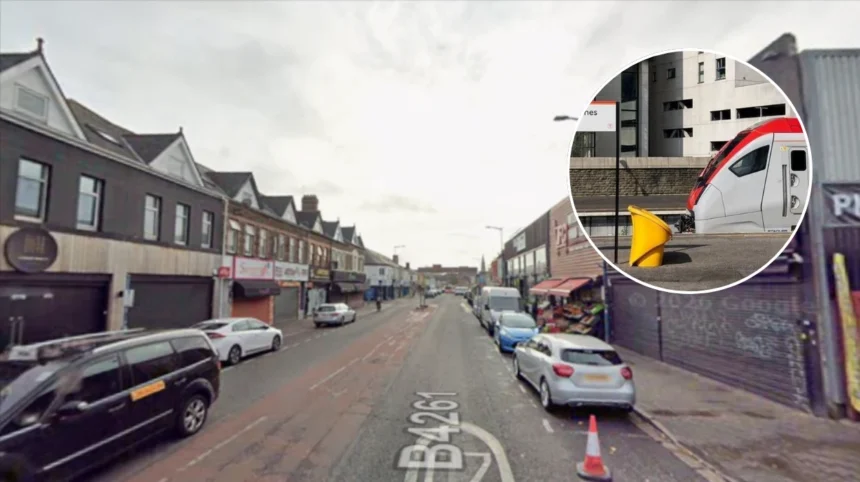
Breakdowns from the Welsh Government outline precise uses, integrating with existing budgets for comprehensive delivery. In the city centre, Phase 1 of the Newport Road Sustainable Travel Corridor will create a major route linking the city centre to the Newport boundary. This includes a permanent cycleway, active travel measures, and bus priority infrastructure, designed to ease traffic and boost public transport.
Further north, the Northern Bus Corridor will introduce new bus priority measures from the city centre to north Cardiff. This pairs with ongoing active travel investments, such as bus lanes and pedestrian crossings on City Road, aiming to reduce journey times and encourage cycling and walking.
Road safety receives targeted attention through School Streets schemes in Tremorfa and Ely, enhancing safety around schools. Complementary measures include junction improvements and speed limit reviews, building on the recent 20mph rollout across Wales.
City-wide bus stop upgrades will feature new shelters and build-outs for better passenger experience. A dedicated core active travel budget supports quick-win interventions like low-cost walking and cycling enhancements, ensuring broad coverage.
What Makes This Regional Funding Approach New?
As Cllr De’Ath noted in statements attributed to Cardiff Council briefings, this represents the inaugural year of regional allocation via the CCR framework. Previously, funds were distributed more locally, but this model pools resources across south-east Wales for strategic projects. The Welsh Government’s Regional Transport Fund, totalling £48.5 million, enables such cross-boundary initiatives, with Cardiff’s share reflecting its status as the region’s economic hub.
Reports from Welsh Government spokespeople, echoed in CCR partnership updates, confirm that additional funding streams—such as local authority contributions and active travel grants—will amplify these investments. This multi-source approach ensures sustainability beyond the initial £20.5 million.
Newport Road Sustainable Travel Corridor: What Changes Are Coming?
Phase 1 targets Newport Road as a flagship sustainable corridor. Permanent cycleways will provide segregated paths for cyclists, while bus priority measures—such as dedicated lanes and signal tweaks—aim to speed up services. Active travel elements include widened pavements and crossings, directly linking Cardiff’s core to the Newport boundary. This project addresses longstanding congestion, promoting greener commutes.
Northern Bus Corridor: How Will It Benefit North Cardiff?
Stretching from the city centre northward, this corridor introduces priority infrastructure to cut delays. Investments on City Road specifically include new bus lanes and crossings, integrating with active travel routes. Commuters in northern suburbs stand to gain faster, more reliable services, reducing reliance on private cars.
School Streets and Road Safety: Are Children Protected?
In Tremorfa and Ely, School Streets schemes will restrict traffic during peak times, creating safer zones around schools. Junction upgrades and post-20mph speed reviews further mitigate risks, responding to community calls for child-friendly streets. These measures align with Wales-wide safety goals.
Bus Stops and Active Travel: What Everyday Improvements Await?
Upgrades to shelters and build-outs will modernise stops city-wide, improving accessibility. The core active travel budget funds nimble projects like bike racks, signage, and path repairs—high-impact changes at low cost.
What Broader Impacts Could This Have on Cardiff Residents?
This funding arrives amid Cardiff’s growth as a bustling capital, where transport strains from population increases and economic activity. Sustainable corridors like Newport Road could slash emissions, supporting net-zero ambitions. Bus enhancements promise equitable access, particularly for low-income areas like Ely and Tremorfa.
Cllr De’Ath’s emphasis on regional collaboration hints at future scalability. By 2029, these interventions could reshape habits, with cycling and walking uptake potentially mirroring successes in other UK cities like Bristol or Manchester.
Stakeholders, including CCR partners, have welcomed the news. As reported in joint statements, the plan aligns with the Welsh Government’s 2021–2026 transport strategy, prioritising buses, rails, and active modes over road-building.
How Does This Fit into Wales-Wide Transport Plans?
The £48.5 million south-east Wales package exemplifies devolved funding’s role in tailored solutions. Cardiff’s allocation, over 42% of the total, reflects its centrality, but benefits ripple outward. The five-year Regional Transport Plan, now funded for its first 12 months, sets a template for subsequent phases.
No controversies have surfaced yet, though monitoring delivery will be key. Past Welsh transport projects, like the South Wales Metro, faced delays; officials stress this plan’s focus on shovel-ready schemes minimises risks.
What’s Next for Cardiff’s Transport Evolution?
Implementation begins in 2026–27, with procurement and construction phased to minimise disruption. Public consultations, as per standard CCR practice, will refine details. Residents can track progress via Cardiff Council and Welsh Government portals.
This announcement, drawn comprehensively from Welsh Government press materials, Cardiff Council updates, and CCR briefings, signals commitment to a connected, sustainable Cardiff. As Cllr De’Ath affirmed, regional funding unlocks efficiencies for all.