Pontcanna has emerged as one of Cardiff’s most sought-after neighborhoods, where recent administrative boundary adjustments have ignited a dramatic rise in property values. This inner-city district, nestled west of the city center, blends historic charm with modern desirability, drawing families, professionals, and investors alike. As boundary changes redraw the lines of opportunity, Pontcanna’s transformation offers a compelling case study in how local governance shapes urban living.
Once open farmland, Pontcanna’s evolution reflects Cardiff’s broader growth from industrial hub to vibrant capital. The area’s proximity to the River Taff and key landmarks like Sophia Gardens has long made it prime real estate. Today, these boundary shifts are not just lines on a map; they are reshaping lifestyles, economies, and the very fabric of Cardiff living.
Pontcanna’s Historical Roots
Pontcanna’s story begins in the quiet fields along the River Taff, where Welsh place names like “pont” for bridge and “Canna” hint at ancient crossings. Until the late 19th century, the area was predominantly farmland, with Pontcanna Lane—now Cathedral Road—serving as a simple route between farms like Plasturton and Pontcanna Farm. Access from central Cardiff was restricted by a toll gate at Cowbridge Road until 1858, limiting development to scattered cottages and Plas Turton farmhouse.
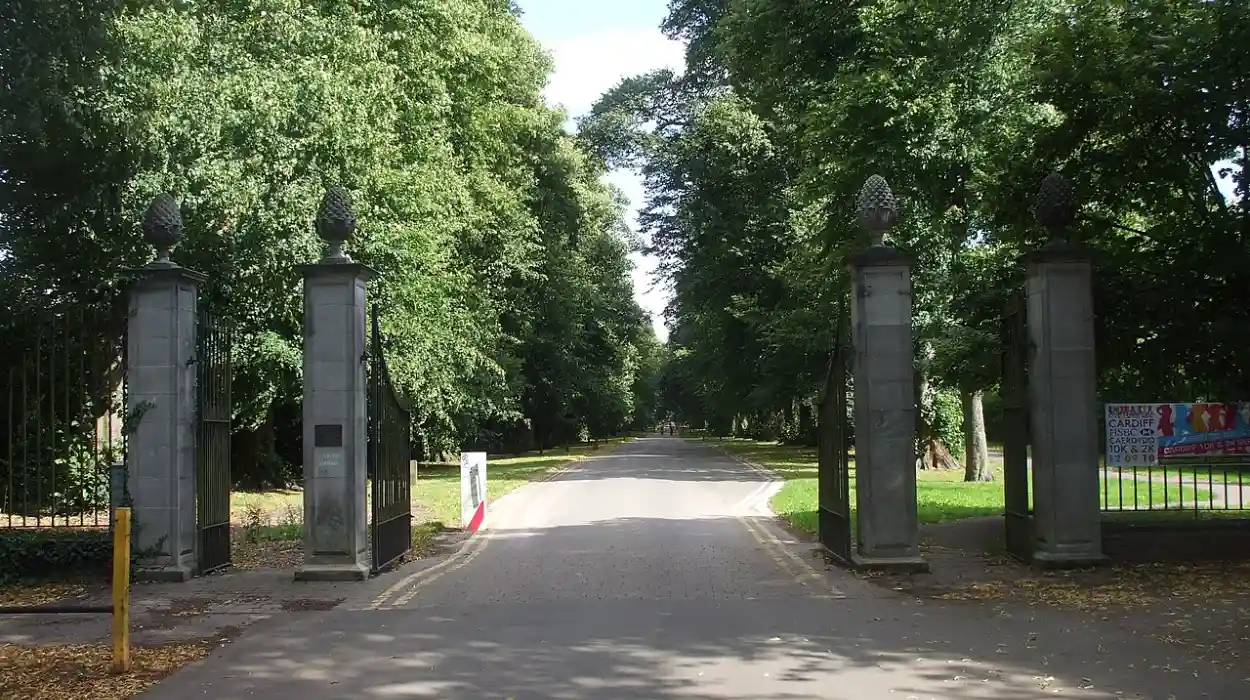
The turning point came in 1854 when Sophia, widow of the 2nd Marquess of Bute, funded a 41-acre garden on Plasturton Farm’s site. This became Sophia Gardens, a public green space that spurred residential expansion. By 1875, neighboring Riverside had integrated into Cardiff, setting the stage for Pontcanna’s urbanization. The area’s evolution from rural outpost to suburban enclave mirrors Cardiff’s shift from port city to cultural center.
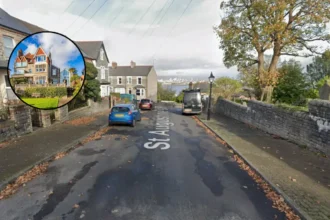
Demolition of Plas Turton in 1895 paved the way for Plasturton Avenue, introducing Victorian terraces that define Pontcanna’s aesthetic today. These grand homes, with their bay windows and stone facades, attracted affluent residents seeking proximity to the city without its bustle. The River Taff’s meander provided natural boundaries, fostering a sense of insulated prestige even as Cardiff industrialized nearby.
The 2016 Boundary Redefinition
In 2016, the City and County of Cardiff (Communities) Order marked a pivotal shift, formally establishing Pontcanna as a distinct community carved from the existing Riverside area. This followed a review by the Local Democracy and Boundary Commission for Wales, which recommended boundary tweaks across Cardiff to better reflect population growth and local identity. Pontcanna’s new borders—roughly Western Avenue, River Taff, Cowbridge Road East, and Llandaff Road—placed it entirely within the Riverside electoral ward but as a standalone community north of Cambridge Road East.
Previously, Pontcanna lacked official community status, blending seamlessly into Riverside without precise delineation. The change clarified administrative lines, enabling targeted local governance, but sparked debates over its implications. Critics noted no alterations to electoral wards, yet the formalization elevated Pontcanna’s profile, distinguishing it from adjacent Canton. This reclassification was part of broader reforms creating communities like Thornhill and Llanedeyrn, modernizing Cardiff’s structure.
Local discussions, including online forums, highlight how these lines influenced perceptions. Areas once seen as Canton extensions suddenly gained Pontcanna prestige, prompting questions about council intent. While official records emphasize practical boundary alignment, the move coincided with Cardiff’s housing boom, amplifying its economic ripple effects.
Anatomy of the Price Surge
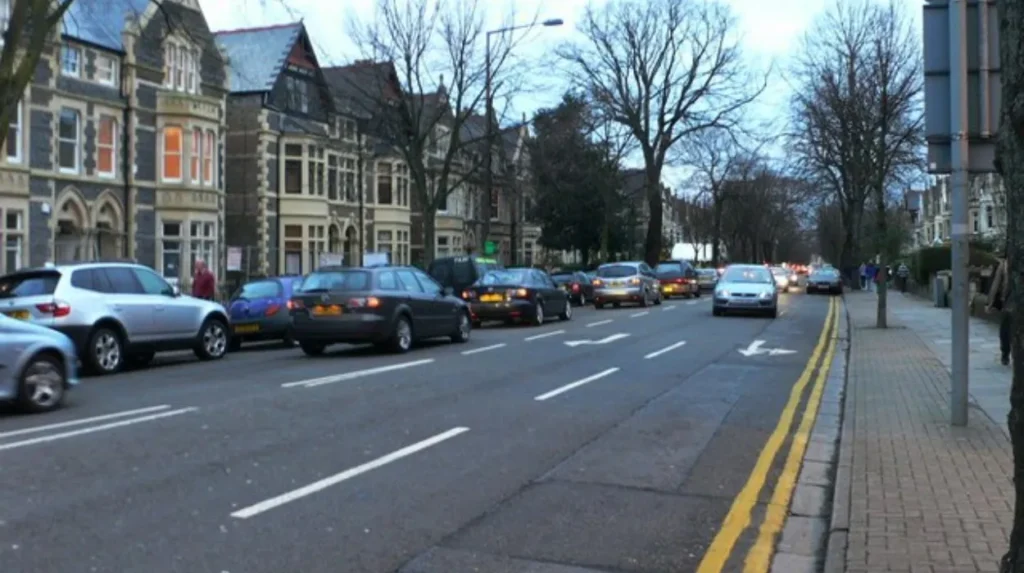
Property prices in Pontcanna have skyrocketed since the boundary formalization, with average home values climbing well above Cardiff’s median. Terraced houses, once modest Victorian builds, now fetch premiums reflecting the suburb’s cachet. Data from recent years shows sales in Pontcanna outpacing neighbors like Canton by significant margins, driven by redefined prestige and scarcity.
The boom stems from multiple factors intertwined with boundaries. Pontcanna’s compact size limits new builds, creating supply constraints amid Cardiff’s population influx. High demand from young professionals commuting to the city center—mere minutes via Cathedral Road—pushes values upward. Business rates have followed suit, with commercial spaces along Llandaff Road benefiting from the upscale rebranding.
Comparatively, Canton’s more working-class vibe contrasts Pontcanna’s polished image. Anecdotal evidence suggests properties near the new boundary lines appreciated fastest, as buyers sought the “Pontcanna effect.” This isn’t mere speculation; the area’s schools, parks, and cafes have long appealed, but official status solidified its desirability. Cardiff’s overall market, fueled by remote work trends and university expansion, magnifies these shifts.
Ripple Effects on Local Economy
Pontcanna’s price boom extends beyond homes, revitalizing its commercial core. Independent shops, bakeries, and pubs along Pontcanna Fields thrive as destination spots, drawing visitors from across Cardiff. Higher property values correlate with increased business investments, from artisanal cafes to wellness studios, fostering a boutique economy.
Residents enjoy elevated amenities, including the acclaimed Pontcanna Farmers’ Market and proximity to Cardiff International White Water. Yet, this prosperity raises business rates, challenging smaller operators while attracting chains. The boundary change indirectly boosted footfall, as Pontcanna’s distinct identity enhances marketing appeal for locals and tourists alike.
Economically, the suburb contributes to Cardiff’s westside renaissance. With average incomes rising alongside prices, Pontcanna exemplifies gentrification’s dual edge: innovation alongside affordability concerns. Local employment in creative sectors benefits, but the boom underscores Cardiff’s challenge in balancing growth with inclusivity.
Lifestyle Shifts in Pontcanna
Living in Pontcanna today means embracing a blend of urban access and suburban serenity. Families prize its parks—Sophia Gardens offers cricket pitches and playgrounds—while cyclists navigate Taff trails effortlessly. The area’s walkability to Canton High Street for dining adds convenience without sacrificing peace.
Boundary changes amplified this allure by sharpening Pontcanna’s brand as premium yet approachable. Mums with prams frequent the fields, professionals unwind in gastropubs, and remote workers appreciate fiber broadband in heritage homes. Schools like Ysgol Mynydd Bychan draw families, contributing to stable communities amid flux.
Socially, the price surge has diversified demographics. Young couples renovate terraces, while downsizers seek mews houses. Events like the annual Pontcanna Festival reinforce community bonds, turning boundary lines into pathways for connection. This evolution redefines Cardiff living as aspirational yet grounded.
Challenges Amid the Boom
Not all view Pontcanna’s rise positively. Soaring prices—often exceeding £500,000 for family homes—price out long-term residents, fueling displacement fears. First-time buyers turn to Canton, widening intra-suburb divides. The boundary shift, while administrative, symbolizes gentrification’s advance.
Infrastructure strains emerge too. Narrow streets congest during market days, and parking woes persist despite resident permits. Higher council taxes fund services, but debates rage over value. Environmentalists worry development pressures on the Taff floodplain, urging green protections.
Mitigation efforts include affordable housing initiatives and community land trusts. Cardiff Council monitors via its Local Development Plan, balancing growth with sustainability. Pontcanna’s story highlights urban planning’s role in equitable progress.
Future Prospects for Pontcanna
Looking ahead, Pontcanna’s trajectory promises continued appreciation. Cardiff’s status as a tech and media hub sustains demand, with boundary clarity aiding planning. Potential infrastructure like enhanced cycling links could boost connectivity, sustaining premiums.
Sustainability drives future focus: low-carbon retrofits for Victorian stock and expanded green corridors. As remote work endures, Pontcanna’s home-office appeal strengthens. Investors eye commercial conversions, while policies curb overcrowding.
The suburb’s resilience stems from adaptive governance. Regular boundary reviews ensure relevance, positioning Pontcanna as Cardiff’s bellwether for smart urbanism. Its price boom, born of lines redrawn, heralds a redefined living standard.
Why Pontcanna Defines Cardiff’s Westside
Pontcanna encapsulates Cardiff’s dynamic spirit, where history meets modernity. From Sophia Gardens’ legacy to boundary-driven booms, it showcases governance’s power in shaping destiny. [image: River Taff] The River Taff remains its timeless anchor, framing a district where living isn’t just residing—it’s thriving.
Prospective movers weigh Pontcanna’s premiums against unparalleled quality. Cafes buzz, paths wind through fields, and sunsets over Llandaff Cathedral mesmerize. This boundary-forged haven reimagines Cardiff living for generations.
In an era of flux, Pontcanna stands evergreen: a testament to careful planning yielding prosperity. As Cardiff evolves, so does this jewel, inviting all to its reshaped embrace.