Cardiff’s Splott neighborhood, a vibrant working-class area east of the city center, grapples with persistent parking challenges that hit disabled residents hardest. Faded markings on designated bays and widespread misuse by non-badge holders leave people like local homeowner Peter Boden struggling to park near their homes, often forcing reliance on neighbors for basic tasks like grocery runs. This ongoing issue underscores broader tensions in urban parking management, where limited space meets growing demand in densely populated streets.
Splott’s Parking Landscape
Splott has long been a hub of terraced housing and tight streets, a legacy of its industrial past as a shipbuilding and rail hub in the 19th century. Today, with a population exceeding 12,000, the area sees cars lining every available curb, from Clifton Street to Walker Road, amplifying competition for spots. Disabled residents, who rely on blue badge permits for priority access, find these bays—meant to offer safe, close proximity—frequently occupied or indistinguishable due to weathered paint and signs.
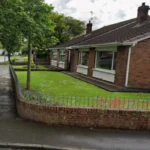
The problem intensified in recent years as Cardiff’s population grew, pushing vehicle numbers up without matching infrastructure expansions. Streets like Clifton Street, where Boden resides, exemplify this: photos show barely legible disabled signage amid standard parking, inviting abuse. Council reports on FixMyStreet highlight similar complaints, including pavement parking that blocks wheelchair access and damages pavements, further isolating mobility-impaired locals.
Voices of Disabled Residents
Peter Boden’s story captures the daily frustration at the heart of Splott’s parking crisis. Living on Clifton Street, the disabled resident told local media he parks blocks away, unable to carry shopping bags home without help, as bays remain elusive. “The disabled bays are seldom available,” he said, pointing to faded lines that blur boundaries, allowing able-bodied drivers to claim them unchallenged.
Similar grievances echo across Splott. On Seymour Street, reports describe constant pavement parking crushing drains and bricks, complicating access for those with mobility aids. Visually impaired residents, like those cited in broader Cardiff studies, face heightened dangers, forced into roads by overhanging vehicles. These accounts reveal not just inconvenience but a erosion of independence, with disabled individuals demanding visible enforcement to reclaim their rights.
Causes Behind the Crisis

Several factors fuel Splott’s parking woes. Foremost is physical deterioration: years of weathering have erased bay markings, making enforcement impossible without repainting. Cardiff Council acknowledges such issues but faces budget constraints, prioritizing major roads over residential ones.
Overdemand plays a role too. Splott’s proximity to city jobs and schools draws commuters, swelling car numbers beyond capacity. Unlike controlled zones elsewhere in Cardiff, Splott lacks resident permits, leaving a free-for-all. Misuse of disabled bays stems partly from ignorance—drivers without badges park briefly, assuming faded spots are general—but also opportunism in a space-starved area.
Pavement parking compounds this, banned in Wales since 2022 yet persistent in Splott. Government surveys confirm it’s widespread, endangering vulnerable pedestrians most: wheelchair users, pram-pushers, and the visually impaired. In Splott, heavy vehicles displace paving stones, threatening properties and mobility.
Disabled Rights Under UK Law
The UK mandates protections for disabled parking via the Blue Badge scheme, administered locally in Wales by councils like Cardiff’s. Blue Badge holders gain tax-free parking in designated bays, limited waits on yellow lines, and priority in busy zones, rooted in the Equality Act 2010. In Cardiff, over 20,000 badges circulate, straining supplies.
Yet enforcement lags. Welsh law prohibits non-badge use of disabled bays, with fines up to £1,000, but Splott sees lax policing. Residents demand compliance, arguing faded infrastructure undermines legal rights. Nationally, pavement parking bans aim to safeguard access, but local lapses persist, as seen in Barry Island’s parallel struggles where expanded disabled spots sparked debate but improved availability.
Council Responses and Shortfalls
Cardiff Council has fielded complaints via FixMyStreet, logging Splott issues like Seymour Street’s pavement abuse. Officials promise inspections, but residents like Boden report stalled refurbishments, with bays untouched for years. A February 2026 report urged repainting Clifton Street, yet no timeline emerged.
Broader initiatives include resident parking zones trials elsewhere in Cardiff, but Splott remains untouched, citing space limits. Critics argue this neglects vulnerable groups, echoing pavement parking campaigns where charities collect evidence for action. Boden slammed the council’s claims of adequacy, insisting visible changes are overdue.
Proposed Fixes from the Community
Disabled residents rally for practical reforms. Top demand: immediate repainting of bays with durable, reflective paint and clearer signage to deter misuse. Boden advocates enforcement patrols, using ANPR cameras as in other Cardiff wards, to issue fines swiftly.
Community petitions seek resident-only permits, capping non-local parking and reserving bays. Tech solutions like apps for real-time bay availability, trialed in larger UK cities, could alert badge holders. Wider streets via traffic calming—narrowing roads to add bays—appear in academic urban planning papers on dense neighborhoods.
Pavement parking crackdowns, bolstered by resident photos, mirror successful Cardiff drives. Long-term, Splott’s regeneration plans could incorporate multi-story garages, easing surface pressure while prioritizing disabled access.
Daily Impacts on Splott Life

Parking shortages ripple through routines. For disabled parents, school runs turn hazardous; visually impaired mothers navigate roads veering around cars, risking child safety. Grocery trips stretch into ordeals, with heavy loads hauled long distances, exacerbating health issues.
Social isolation grows too. Unable to host easily, residents withdraw, weakening Splott’s community fabric—known for its docks heritage and tight-knit vibe. Economically, local shops suffer as disabled customers stay home, paralleling Barry Island where parking rows hurt trade.
Health tolls mount: stress from unreliable access worsens conditions like arthritis, per disability studies. In Splott, this silent crisis demands urgent equity.
Lessons from Nearby Areas
Other Cardiff spots offer blueprints. Barry Island boosted disabled bays on Friars Road, filling gaps despite resident pushback, aiding blue badge users like student families. Pavement parking photo campaigns by Guide Dogs charity spurred council pledges citywide.
Manchester’s residential schemes, with zones and bay audits, cut complaints 40%—a model for Splott. These successes stress proactive maintenance and community input, urging Cardiff to adapt locally.
Path Forward for Splott
Splott’s disabled residents refuse to accept parking as inevitable. Organized via social media and local papers, they push for a 2026 action plan: repaint 50 bays, launch patrols, and pilot permits. Council engagement, like Boden’s media plea, amplifies calls.
Sustainable urban design looms larger. With Cardiff’s growth, integrating disabled needs from the start—via policy papers advocating inclusive planning—ensures equity. Advocacy groups eye legal challenges under equality laws if inaction persists.
Ultimately, resolving Splott’s woes demands partnership: council investment, resident vigilance, and enforcement muscle. Prioritizing the vulnerable rebuilds trust, fostering a fairer Cardiff.
Broader Implications for Cardiff
Splott’s struggle mirrors citywide strains, where 300,000+ cars vie for spots amid housing booms. Disabled demands spotlight systemic gaps: underfunded upkeep, uneven zones, and weak penalties. Success here could template reforms, from Roath to Adamsdown.
As climate goals push cycling and transit, parking must evolve inclusively, reserving bays in redeveloped hubs. Research underscores accessible streets boost well-being, cutting healthcare costs. Cardiff’s leaders face a choice: act now or let inequities fester.
How do I report a parking problem in Cardiff?
You can report a parking problem in Cardiff through the Cardiff Council website or by contacting their parking enforcement team. Residents can submit details, photos, and the exact location so officers can investigate illegal or unsafe parking.
Is there a 10-minute grace period for private parking?
In many cases, private car parks follow industry guidelines that allow a short grace period, often around 10 minutes, after paid time expires. However, this depends on the operator’s rules, so drivers should always check the signage.
What is the best excuse to appeal a parking ticket?
The strongest appeals are based on clear evidence, such as faulty ticket machines, unclear signage, or medical emergencies. Providing photos, receipts, or witness statements can significantly improve the chances of a successful appeal.
Can you park on the street next to someone’s house?
In most UK areas, streets are public unless marked otherwise, so parking outside someone’s house is generally allowed. However, drivers must not block driveways, dropped kerbs, or restricted zones.
How to check traffic fines online?
Traffic or parking fines can usually be checked through the local council’s official website by entering the penalty charge notice (PCN) number and vehicle registration. This allows drivers to view details, make payments, or submit an appeal online.