Cardiff Bay is on the cusp of one of its biggest transformations since the original Cardiff Bay Barrage and waterfront regeneration changed the face of the city at the turn of the 21st century. In 2026, a suite of linked projects anchored by the new Atlantic Wharf indoor arena and wider waterfront upgrades is reshaping what it means to live, work, and socialise around the Bay. For residents, this isn’t just about new buildings or flashier event spaces; it’s about how traffic, housing, community spaces, and local business opportunities will evolve over the next decade. In this article, you’ll get a clear, practical breakdown of the key Cardiff Bay 2026 waterfront redevelopment plans residents need to know, including what’s being built, how timelines are likely to play out, and what you can do to protect your interests and make the most of the changes.
- What’s actually happening at Cardiff Bay in 2026?
- How the arena will affect daily life in the Bay
- Housing, rents, and long‑term property impacts
- Infrastructure, transport, and getting around
- Community spaces, green areas, and quality of life
- How local businesses and jobs may change
- What residents can do now to protect their interests
- Looking ahead: a changing but still liveable Bay
What’s actually happening at Cardiff Bay in 2026?
At the heart of the current wave of change is the Atlantic Wharf regeneration masterplan, a multi‑phase scheme that received detailed planning consent in nearby years and is now being implemented. The project is set across several phases over roughly a decade, with the first major pieces due to open in 2026. The centrepiece is a 15,000‑seat indoor arena that aims to bring major concerts, conferences, and large‑scale events to Cardiff Bay, with estimates suggesting it could attract around 1.5 million visitors a year once fully operational.
Alongside the arena, the masterplan includes hotels, new restaurants, improved public spaces, and a multi‑storey car park to offset the loss of surface parking. Developers and the council describe this as a “new visitor destination” for the city, designed to keep people in the area longer, not just for one‑off events but for stays, shopping, and leisure. For local residents, that means more footfall, more demand for nearby services, and a growing pressure on day‑to‑day logistics such as parking and queuing for buses.
How the arena will affect daily life in the Bay
The arrival of a 15,000‑seat venue in 2026 will change the rhythm of the neighbourhood. Event nights will bring large crowds, taxis, ride‑shares, and coach trips, concentrated around the Atlantic Wharf site and the wider Bay front. Early modelling suggests such venues in similar UK cities can generate roughly 200 organised events per year, from concerts and sports to exhibitions and conferences. That kind of schedule can quickly translate into gridlock on nearby roads if surrounding infrastructure doesn’t keep pace.
For residents with children, shift‑working partners, or health‑related travel needs, this makes timing and route planning more important. Leaving the house 30–40 minutes earlier on event nights, using quieter streets where possible, and checking event calendars in advance can help avoid the worst pinch‑points. It also means that any local council parking‑permit schemes, school‑run timings, and emergency‑service access routes may need to be reviewed as the arena ramps up activity.
On the upside, the increased visitor numbers can support more cafes, late‑night retailers, and service‑based businesses that wouldn’t previously have been viable in the area. That can be a boost for residents who want amenities within walking distance, but it also raises the risk of higher rents and changing character in previously quieter parts of the Bay. Being aware of these trade‑offs helps you decide whether to stay, move, or even consider a small business opportunity in the area.
Housing, rents, and long‑term property impacts
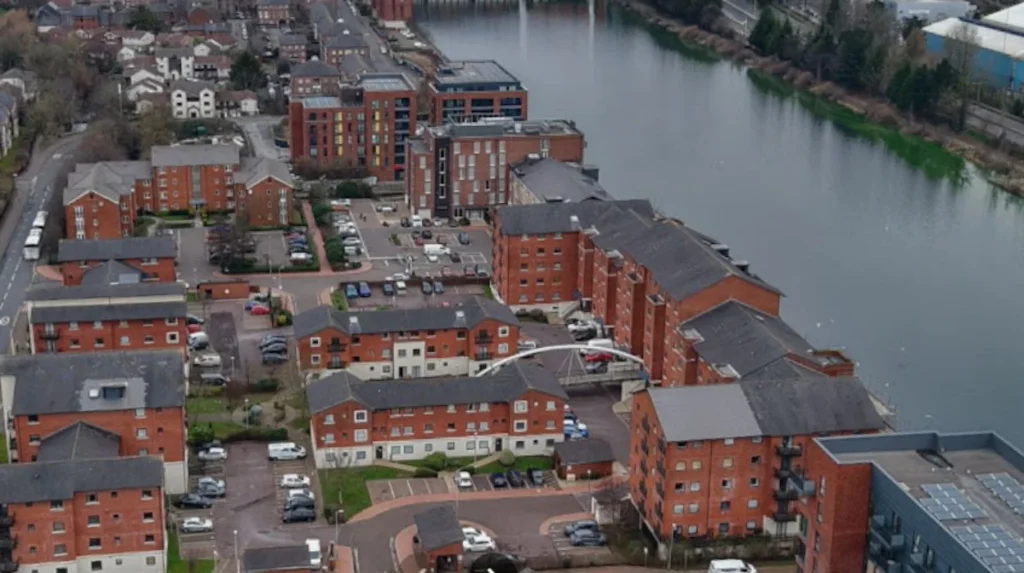
Cardiff Bay has already seen substantial residential regeneration since the 1990s, with the construction of flats, apartments, and mixed‑use developments along the waterfront. The current wave of redevelopment, including the Atlantic Wharf scheme and other linked projects, is expected to add more housing both in and around the immediate Bay area. Recent large‑scale regeneration tenders in nearby Cardiff suburbs such as Channel View signal that the city is preparing for a broader uplift in housing stock, with a mix of private and social housing, public spaces, and community facilities.
For existing residents, this can mean several things. Property values around major regeneration schemes often experience gradual upward pressure, especially for flats with good views or easy access to transport and amenities. Analysts tracking Cardiff property investment in 2026 note that the arena and wider Atlantic Wharf project are among the most talked‑about drivers of demand in the city, with some investors expecting higher yields from short‑ and long‑term lets near the Bay. That kind of interest can push up rents if landlords assume a steady stream of visitors and workers will be willing to pay more to live close to the venue.
If you’re a tenant, understanding local rent trends and knowing your rights under Welsh tenancy rules becomes more important. Keeping an eye on average rents in Butetown and Cardiff Bay, comparing offers over time, and documenting any sudden hikes can help you negotiate or raise concerns with the council or housing organisations. If you’re a leaseholder or freeholder, you may want to consider how regeneration‑linked increases in footfall and noise could affect your quality of life and whether any community‑benefit agreements or compensation mechanisms are being discussed.
Infrastructure, transport, and getting around
Large waterfront projects like Atlantic Wharf don’t just create new buildings; they require supporting infrastructure. In Cardiff Bay, that means roads, parking, bus and rail links, cycle routes, and pedestrian crossings. The consented masterplan already includes a multi‑storey car park to compensate for the loss of surface parking, but residents should be realistic: more visitors often mean more competition for on‑street spaces, especially during events and weekends.
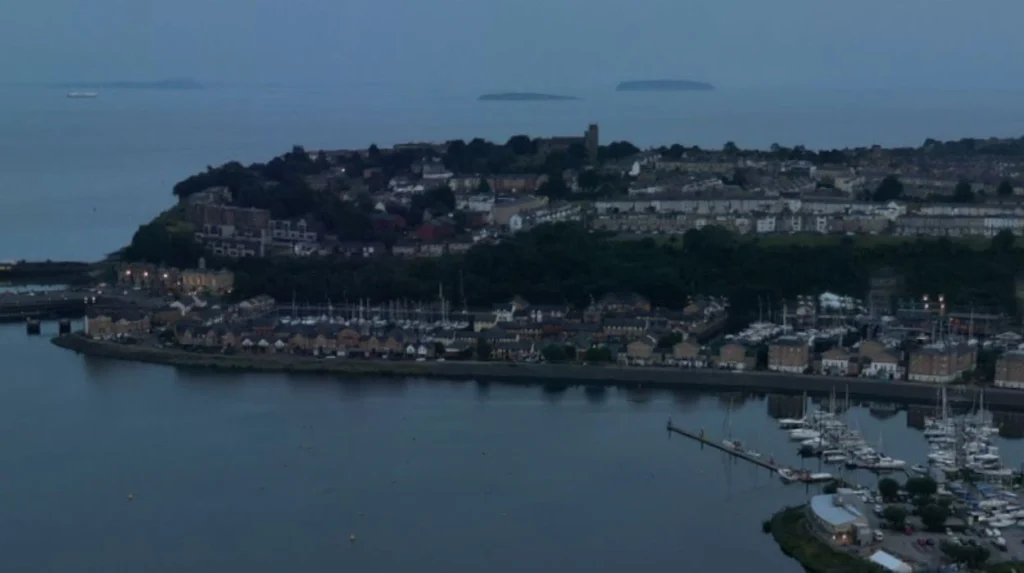
For many locals, the public‑transport network is the key to maintaining a workable balance. Cardiff has been expanding and upgrading its bus and rail connectivity in recent years, and the city’s focus on making the Bay a major destination makes it likely that services to and from the Bay will be prioritised. That can be a plus for residents who commute into the city centre or out to the valleys, but it also means that changes to bus routes, stop locations, or frequency may be introduced over the next few years.
Residents who walk or cycle around the Bay should expect to see more shared‑use paths, improved signage, and perhaps temporary closures while new sections of the waterfront are being built. These changes can improve safety and accessibility in the long term, but during construction there may be detours, temporary barriers, and uneven surfaces. Keeping updated via local council bulletins, community Facebook groups, and notices from the developers can help you plan safer routes and avoid unexpected disruptions.
Community spaces, green areas, and quality of life
One of the lessons from earlier waves of Cardiff Bay regeneration is that successful waterfronts need more than just shiny buildings and big events; they need genuine community spaces where people can meet, relax, and feel at home. The Atlantic Wharf plans and related projects emphasise public spaces, landscaping, and improved views along the waterfront, but how these are delivered can make a big difference to everyday life.
Well‑designed public areas can provide room for children to play, places for older residents to sit, and spots for informal gatherings that help knit the neighbourhood together. Poorly managed spaces—those that are too dominated by private developments, advertising, or temporary structures—can feel exclusionary and noisy. Residents who care about the character of the Bay can influence outcomes by attending public consultations, reading draft planning documents, and encouraging local councillors to protect community‑use clauses in developer agreements.
For example, early‑stage regeneration in Cardiff Bay has previously included requirements for public access, green space, and affordable housing in exchange for development rights. Similar conditions may be attached to the 2026 waterfront schemes, and residents who understand what those conditions are can hold decision‑makers to account if they see promises slipping over time.
How local businesses and jobs may change
Regeneration projects can act as both a lifeline and a challenge for small businesses. The influx of visitors expected around the Atlantic Wharf arena and the wider Bay could create new opportunities for local shops, cafes, street‑food vendors, and service providers. Events bring people who may stay overnight, eat out, or buy small items, which can keep turnover high for the right kind of businesses.
However, growth can also push up business rates, rents, and competition. A shop that has thrived on local, repeat custom may find itself priced out if landlords favour larger chains or short‑term pop‑ups targeting event crowds. For residents who run their own businesses or work in the area, this means thinking ahead: could your business adapt to a more visitor‑oriented market, or would you benefit from diversifying revenue streams (e.g., online services, delivery, or off‑season offerings)?
On the employment side, arena‑driven projects typically create construction jobs in the short term and service‑sector roles afterward, including hospitality, security, cleaning, marketing, and event management. Some of these roles may be temporary or part‑time, but they can still open doors for people looking to enter the events or tourism industries. Local colleges and training providers in Cardiff often run courses tailored to these sectors, and residents who are aware of the regeneration pipeline can time their upskilling to match the anticipated hiring phases.
What residents can do now to protect their interests
If you live in or near Cardiff Bay, there are several practical steps you can take to stay informed and assert your voice in the 2026 waterfront redevelopment process. Start by signing up for alerts from Cardiff Council planning and regeneration pages, and check that your local ward councillor’s email or newsletter list is one you’re on. Many consultations are only open for a few weeks, and missing them can mean missing a chance to influence design, parking, noise restrictions, or community‑benefit obligations.
You can also join or start local resident groups or WhatsApp/Facebook communities focused on Butetown and the Bay. These informal networks often pick up on issues faster than official channels and can coordinate collective responses to planning applications or traffic changes. When responding to consultations, be specific: mention how a proposed change will affect children’s routes to school, where you park, or how noise levels at night might impact your household. Concrete examples are more effective than generic complaints.
Finally, if you’re a tenant or leaseholder, consider speaking with housing advice organisations or local legal‑aid services to understand how regeneration‑linked rent increases, building work, or lease‑condition changes might affect you. In some cases, residents have successfully negotiated temporary rent freezes, compensation for significant disruption, or improved design features (such as noise‑insulating glazing) in exchange for approving large developments.
Looking ahead: a changing but still liveable Bay
The Cardiff Bay 2026 waterfront redevelopment plans are not just about a single arena or a handful of new flats; they form part of a longer‑term story of turning the Bay into a year‑round hub for culture, commerce, and community. For residents, the changes will mean more visitors, more construction noise in the short term, and gradual shifts in how the area feels and functions. Some will welcome the vibrancy, while others may find the loss of quiet and familiar landmarks harder to accept.
What matters most is that locals are not passive observers. By understanding the timeline and scale of projects like Atlantic Wharf, keeping an eye on transport and housing changes, and actively engaging with councils, developers, and community groups, residents can help shape a Cardiff Bay that grows in a way that still feels like home. The waterfront may look very different in 2030, but with the right attention and participation, it can remain a place where long‑term residents, newcomers, and visitors all have a stake in what it becomes.