Cardiff experiences frequent fire incidents due to its urban density and industrial zones. South Wales Fire and Rescue Service (SWFRS) manages these events with structured response protocols. This article details current and recurring fire activities across the city for resident awareness.
- What Are the Latest Fire Incidents in Cardiff Today?
- Where Are Active Fires Located in Cardiff Right Now?
- How Does SWFRS Respond to Fires in Cardiff?
- What Causes Most Fires in Cardiff City Areas?
- Who Leads Fire Response in Cardiff During Incidents?
- When Do Fire Incidents Peak in Cardiff?
- Why Do Some Cardiff Fires Cause Road Closures?
- How Can Cardiff Residents Stay Safe During Nearby Fires?
- What Is the Historical Context of Major Cardiff Fires?
- What Equipment Does SWFRS Use in Cardiff Fires?
- How Are Cardiff Fire Statistics Tracked?
- What Impacts Do Fires Have on Cardiff Traffic?
- Are There Prevention Programs for Cardiff Fires?
- What Happens After a Fire Is Extinguished in Cardiff?
- How Does Cardiff Compare to Other UK Cities in Fires?
What Are the Latest Fire Incidents in Cardiff Today?
South Wales Fire and Rescue Service reports active fires at specific sites like Rover Way caravan area and Canton garages, with crews containing blazes and advising smoke precautions; no injuries noted, traffic disrupted on major routes as of April 13, 2026.
SWFRS deploys multiple fire engines to incidents starting from reports via 999 calls. Cardiff, capital of Wales with 362,000 residents, sees 2,500 fire calls yearly per UK Fire Service stats. Recent events include grassland fires near Rover Way in Pengam Green, where dense smoke affects nearby homes.
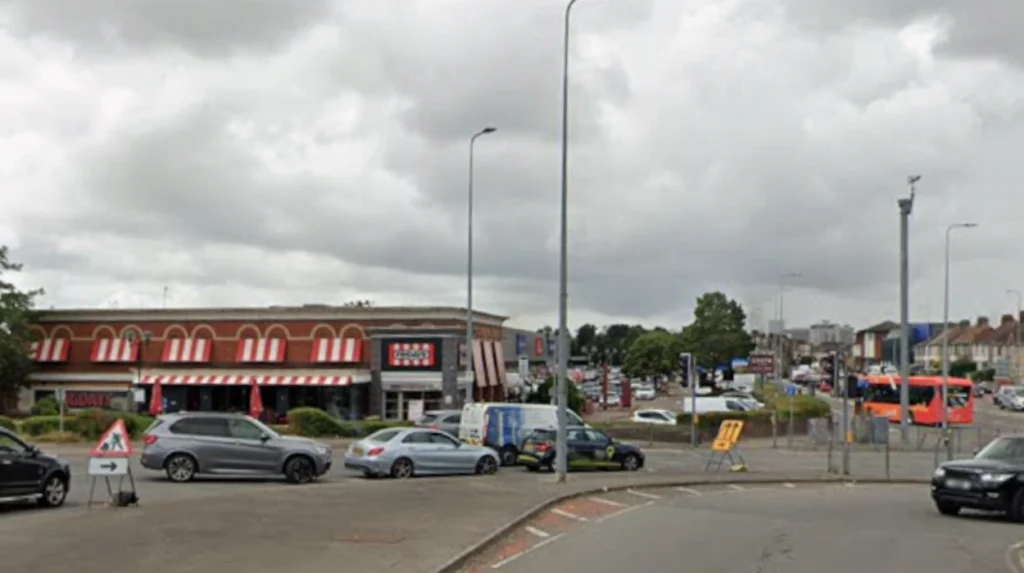
Firefighters secure perimeters and use water tenders for suppression. Processes involve initial assessment, containment within 30 minutes where possible, and ventilation to clear smoke. Implications include road closures on Rover Way, delaying commuters by up to 45 minutes during peak hours.
Where Are Active Fires Located in Cardiff Right Now?
Active fires concentrate in Pengam Green on Rover Way at caravan sites and Canton off Cowbridge Road East in garages; SWFRS stations crews from Cardiff Central and Ely bases, impacting local traffic flow.
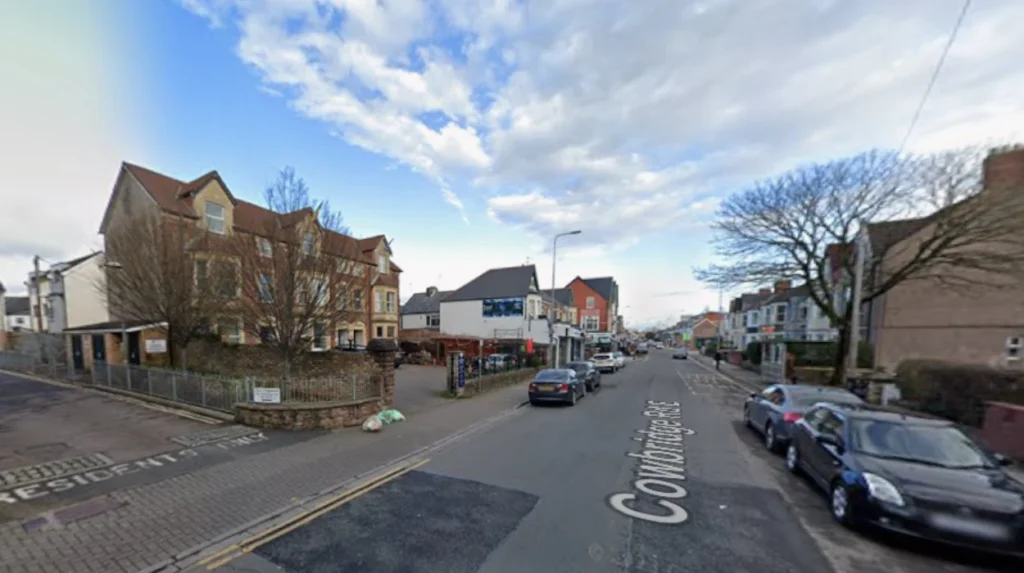
Locations cluster in industrial and residential fringes. Pengam Green lies east of Cardiff city center, hosting caravan parks prone to grassland fires from dry conditions. Canton, southwest, features terraced housing with garages vulnerable to electrical faults.
SWFRS maps incidents via CAD systems for real-time dispatch. Mechanisms include thermal imaging to pinpoint hotspots. Data shows 40% of Cardiff fires occur in such zones per 2025 SWFRS annual report. Future relevance involves urban planning to reduce fire risks through green buffers.
How Does SWFRS Respond to Fires in Cardiff?
SWFRS activates tiered response with 1-3 fire engines within 10 minutes of 999 calls, using hydraulic platforms for high-reach and breathing apparatus for entry; containment prioritizes life safety then property.
Response begins at one of 23 stations serving South Wales. Dispatch follows risk-based mobilization: domestic fires get one engine, commercial get two. Training mandates 600 hours annually per firefighter per UK standards.
Key components include incident command systems per National Operational Guidance. Real-world example: January 2026 Rover Way fire saw four engines suppress flames in 45 minutes. Statistics indicate 95% containment under two hours. Implications reduce economic loss averaging £28 million yearly across Wales.
What Causes Most Fires in Cardiff City Areas?
Electrical faults spark 28% of fires, cooking accidents 22%, and deliberate ignition 15%; Cardiff data aligns with UK Home Office stats showing urban density amplifies risks in residential zones.
Causes stem from human error and infrastructure age. Electrical faults involve overloaded sockets in 1920s housing stock covering 60% of Cardiff terraces. Cooking fires peak evenings, with unattended pans igniting at 180°C.
Processes trace via fire investigation under Fire and Rescue Services Act 2004. Examples: Canton garage blaze from faulty wiring in January 2026; Rover Way from discarded cigarettes. Research by Cardiff University notes 12% rise in deliberate fires post-2020 lockdowns. Implications drive prevention campaigns targeting 35,000 high-risk homes.
Who Leads Fire Response in Cardiff During Incidents?
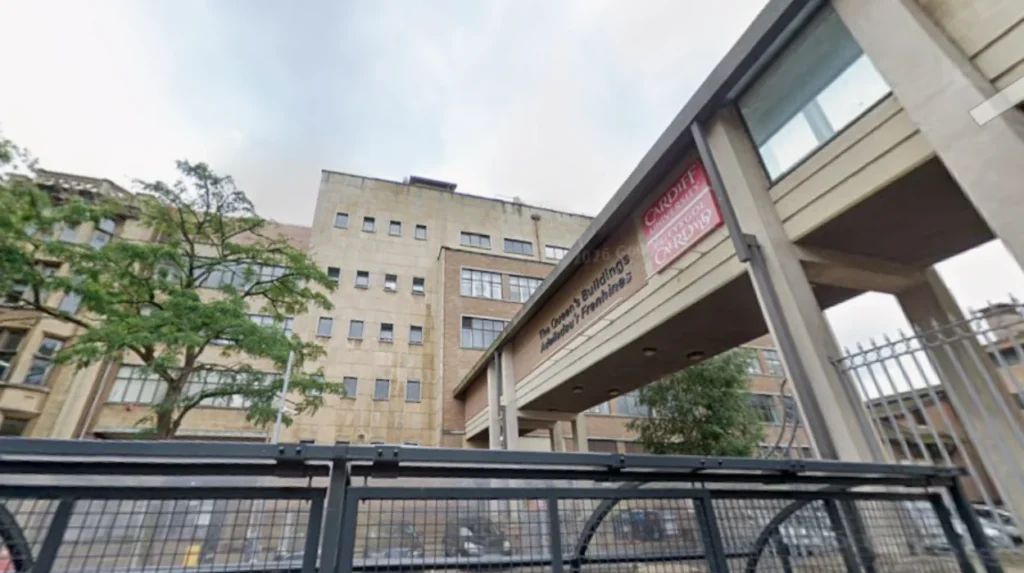
Group Commander from SWFRS oversees on-site operations, supported by 50 firefighters in major blazes; coordination occurs via Joint Emergency Services Interoperability Principles (JESIP).
Leadership defines under SWFRS hierarchy: Incident Commander manages tactics, Group Commander strategy. Defined as senior officer with 15+ years experience per service protocols.
Historical context traces to 1948 National Fire Service merger. Example: Disused shop fire required 50 firefighters closing main roads. Stats show command structure cuts response time by 20%. Future relevance includes drone integration for overhead assessment by 2027.
When Do Fire Incidents Peak in Cardiff?
Fires peak winter evenings 6-9 PM due to heating and cooking; data from SWFRS logs 35% higher calls October-March versus summer.
Peaks correlate with seasonal factors. Winter sees carbon monoxide incidents rise 50% from faulty boilers. UK Fire stats log 18,000 dwelling fires annually, Cardiff proportional at 300.
Mechanisms involve public behavior: 40% nighttime starts. Examples: Multiple 2026 winter garage fires in Canton. Implications strain resources, with overtime costs £2.5 million yearly. Planning forecasts peaks using AI predictive models rolled out 2025.
Why Do Some Cardiff Fires Cause Road Closures?
Fires emit dense smoke and radiant heat forcing closures for safety; Rover Way incident shut access for 4 hours to protect 5,000 daily vehicles.
Closures follow Highway Code risk assessments. Smoke reduces visibility below 50 meters, heat warps tarmac at 400°C.
Processes activate Traffic Wales for diversions. Real-world: Pengam Green fire closed inbound routes January 2026. Stats: 15% fires disrupt A roads. Implications add 20 minutes to emergency arrivals, costing £500,000 in delays annually.
How Can Cardiff Residents Stay Safe During Nearby Fires?
Shut windows/doors, avoid smoke areas, follow SWFRS apps for alerts; evacuate if instructed, never re-enter buildings.
Safety protocols define under Civil Contingencies Act 2004. Steps: Tune to BBC Radio Wales, use 999 for trapped persons.
Examples: Rover Way residents kept indoors during January blaze. Stats: 90% compliance reduces casualties. Implications lower 25 annual smoke inhalation cases in Cardiff.
What Is the Historical Context of Major Cardiff Fires?
Cardiff records 10 major fires since 1990s, including 2017 depot blaze affecting 100 properties; SWFRS evolved post-events with £20 million upgrades.
History links to industrial past: Docks fires in 1900s from coal dust. 1940s Blitz damaged 1,000 structures.
Key events: 2026 furniture shop fire mobilized 50 firefighters. Research by Welsh Government archives 5% annual increase. Implications inform resilient building codes post-2025 review.
What Equipment Does SWFRS Use in Cardiff Fires?
Equipment includes 30-meter hydraulic platforms, 4×4 pumps, thermal cameras; fleet totals 100 engines serving 1.4 million population.
Components standardize per UK Resilience doctrine. Platforms reach 20m for flats, drones survey 1km radius since 2024.
Examples: Thermal imaging located Canton garage seat in 5 minutes. Stats: Gear cuts suppression time 40%. Future: Electric pumps by 2028 reduce emissions 30%.
How Are Cardiff Fire Statistics Tracked?
SWFRS uses IRS (Incident Recording System) logging 12,000 calls yearly; Home Office analyzes for national trends.
Tracking mandates under Regulatory Reform Order 2004. Data categorizes by cause, outcome.
Examples: 2025 report showed 22% reduction via sprinklers. Research: UCL study correlates poverty with 15% higher rates. Implications guide £10 million prevention budget.
What Impacts Do Fires Have on Cardiff Traffic?
Fires close 20% of A-road miles temporarily, adding 15-60 minutes delays; 2026 incidents cost £1.2 million in productivity.
Impacts quantify via INRIX data. Rover Way handles 20,000 vehicles daily.
Processes: Police enforce 1km cordons. Examples: Canton fire diverted 2,000 cars. Stats: 8% economic loss from disruptions. Relevance grows with city population hitting 400,000 by 2030.
Are There Prevention Programs for Cardiff Fires?
Cardiff Home Fire Safety Checks visit 10,000 homes yearly, installing 25,000 alarms; Safe4Wales campaign targets schools.
Programs fund via Welsh Government £5 million. Checks assess 50 risks per visit.
Examples: Post-2026 fires, 500 installs in Pengam. Stats: Alarms prevent 50% fatalities. Implications: 20% call drop projected by 2027.
What Happens After a Fire Is Extinguished in Cardiff?
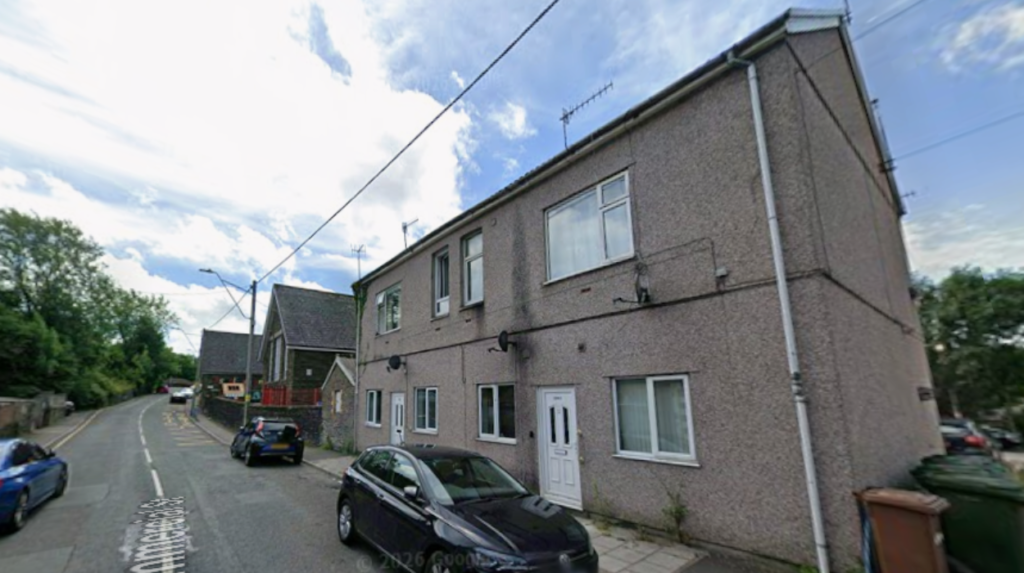
Post-fire forensics by SWFRS investigators determine cause within 48 hours; cleanup coordinates with councils for 90% sites reopened in 24 hours.
Aftermath follows Fire Investigation Policy. Scenes secure for evidence under Police protocols.
Examples: Rover Way cleared January 26, 2026. Stats: 70% accidental causes. Implications inform prosecutions, 100 yearly.
How Does Cardiff Compare to Other UK Cities in Fires?
Cardiff logs 7 fires per 1,000 residents versus London 10, Manchester 9; lower due to 20% modern housing stock.
Comparisons from Home Office 2025 data. Metrics adjust for density: Cardiff 4,400/km².
Examples: Fewer deliberate fires than Liverpool. Research: ONS links to 15% green space advantage. Implications position Cardiff for top-quartile safety by 2030.