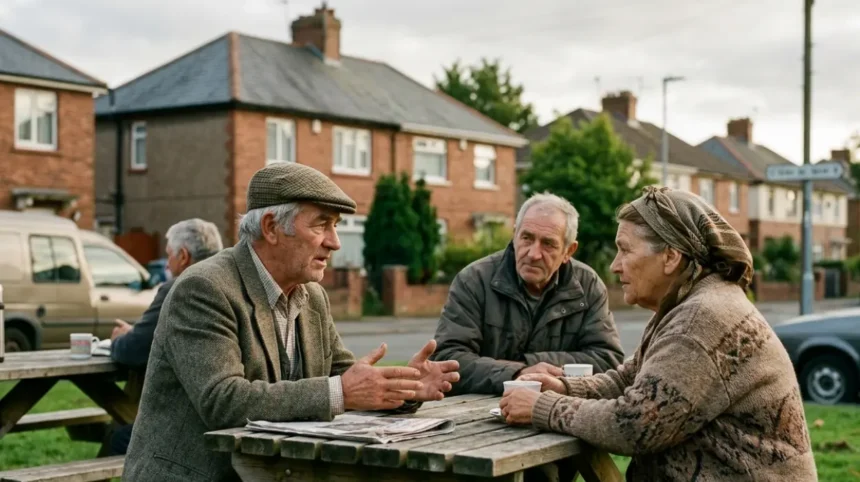
The Rumney Gypsy represents a distinct cultural and historical subgroup of the Romani people specifically associated with the Rumney district of Cardiff, Wales. This community belongs to the Kale (Welsh Romani) lineage, maintaining a unique identity through specific linguistic dialects, traditional trades, and deep-rooted ancestral ties to the South Wales landscape and its socio-economic development.
- What is the historical origin of the Rumney Gypsy community?
- What does the term Rumney Gypsy mean in a cultural context?
- How did the Rumney Gypsy heritage influence the development of Cardiff?
- What are the primary traditions and customs of the Rumney Gypsy people?
- How has the legal status of Gypsies in Wales affected the Rumney community?
- What role does the Welsh Romani language play in Rumney Gypsy identity?
- What are the current challenges facing the Rumney Gypsy community in Cardiff?
- How is the Rumney Gypsy heritage being preserved for future generations?
- What is the economic impact of the Rumney Gypsy community today?
- How can the public learn more about the Rumney Gypsy heritage?
What is the historical origin of the Rumney Gypsy community?
The Rumney Gypsy community originates from the migration of Romani groups into Wales during the 16th century, specifically settling in the marshlands of Rumney, Cardiff. These groups, known as the Welsh Kale, established permanent wintering grounds and trading hubs.
The arrival of the Romani people in Britain is documented as early as the early 1500s. By the mid-19th century, the Rumney area, then a rural parish on the outskirts of Cardiff, became a vital geographic anchor for these families. Unlike nomadic groups in mainland Europe, the Rumney Gypsies developed a semi-sedentary lifestyle dictated by the seasonal labor demands of the Usk and Rhymney valleys.
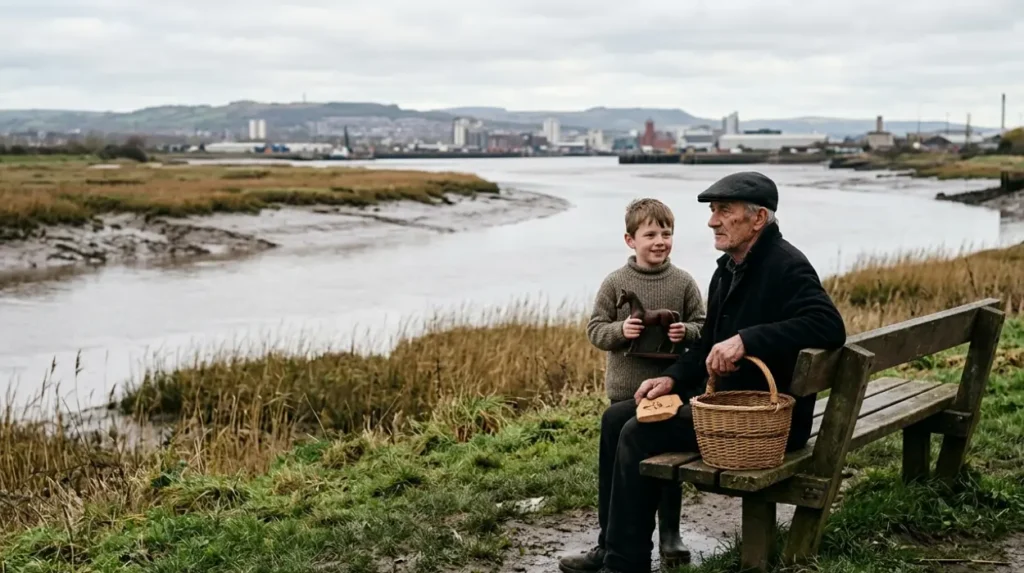
The geography of Rumney, characterized by the Rumney Great Wharf and its proximity to the Bristol Channel, provided a natural buffer from urban industrialization while allowing access to the burgeoning markets of Cardiff. Historically, the community is linked to the Woods and Roberts families, who are the primary lineages of the Welsh Kale. These families preserved the Romani language (Romanus) longer than many English counterparts, utilizing a specific dialect known as Welsh Romani.
During the Industrial Revolution, the Rumney Gypsies transitioned from traditional crafts like basket weaving and woodcarving to horse trading and scrap metal recovery. This economic adaptability ensured the community’s survival as Cardiff expanded from a small town into a global coal-exporting port. The legal recognition of their presence in Rumney is documented in parish records and census data from 1851, 1881, and 1891, which list “Gypsy” or “Traveler” as occupations and ethnicities within the district.
What does the term Rumney Gypsy mean in a cultural context?
In a cultural context, Rumney Gypsy refers to a specific intersection of Welsh Romani heritage and Cardiff’s local history. It denotes a person of Kale descent who maintains traditional Romani values, including family loyalty, specific burial rites, and oral histories.
The term functions as both an ethnic identifier and a geographic marker. To be a Rumney Gypsy is to belong to a community that has navigated the tensions between Romani law (Romanipen) and Welsh societal norms. Cultural meaning is derived from the preservation of the Welsh Romani language, which includes distinct vocabulary for family structures and trade.
A primary pillar of this culture is the extended family unit. Decisions are historically made by elders, and social standing is determined by “beshalo” (the act of staying or settling) and the reputation of one’s lineage. The Rumney identity is also tied to the local geography of the Wentlooge Level. The community views this land not just as a location, but as a repository of ancestral memory.
Furthermore, the term encompasses a specific aesthetic and material culture. This includes the historical use of Vardos (horse-drawn wagons), though most families transitioned to bricks-and-mortar housing or modern trailers by the mid-20th century. Cultural events, such as the Bridgend Fair or the St. Mellons Show, served as vital gathering points where the Rumney Gypsy identity was reinforced through trade, storytelling, and the arrangement of marriages.
How did the Rumney Gypsy heritage influence the development of Cardiff?
The Rumney Gypsy heritage influenced Cardiff’s development through the provision of essential labor, the establishment of the horse trade, and the enrichment of the city’s multicultural fabric. They acted as a vital economic link between rural agriculture and urban industry.
During the 19th and early 20th centuries, the Rumney Gypsies were the primary suppliers of horses for the Cardiff Docks and the local coal mines. Before the total mechanization of the transport industry, the movement of goods required thousands of working horses. The expertise of the Rumney families in breeding, breaking, and trading horses was foundational to the city’s logistical infrastructure.
Economically, the community practiced diversified entrepreneurship. This included seasonal agricultural labor on farms in the Vale of Glamorgan and the collection of secondary raw materials. By the 1930s, the Rumney Gypsies were early participants in the recycling industry, collecting scrap metal that fueled the local steelworks, such as the East Moors Steelworks.
The heritage is also visible in the city’s mapping. Local names and historical sites in Rumney and St. Mellons reflect the long-standing presence of the community. The integration of Romani families into the settled population of East Cardiff contributed to the unique “Tiger Bay” ethos of multi-ethnic coexistence, although the Rumney community often maintained a more distinct, insular boundary compared to other migrant groups. This dual role of “outsider” and “economic catalyst” defined the social evolution of the Cardiff suburbs.
What are the primary traditions and customs of the Rumney Gypsy people?
Primary traditions of the Rumney Gypsy people include strict cleanliness laws known as “mochadi,” traditional funeral rites involving the burning of possessions, and the oral transmission of the Welsh Romani language. These customs maintain group cohesion and ethnic boundaries.
The concept of Mochadi (ritual impurity) is the most significant social regulator. This code dictates the separation of items used for the upper body from those used for the lower body, and the strict segregation of food preparation from laundry. For the Rumney Gypsy, adhering to these laws is a marker of “being true Romani,” distinguishing them from the “Gorgio” (non-Romani) population.
Funeral customs are particularly elaborate. Traditionally, when a prominent member of the Rumney community died, their Vardo and personal belongings were burned to ensure the spirit did not linger. In modern Cardiff, this has evolved into large-scale floral tributes and significant funeral processions that often stop traffic in the Rumney and Trowbridge areas, signaling the public importance of the deceased.
Oral tradition remains the primary method of passing down history. This includes:
- Genealogical knowledge: The ability to trace lineages back several generations to the original Woods or Roberts families.
- Folklore and superstitions: Specific beliefs regarding “prikaza” (bad luck) and “baxt” (good luck).
- Proverbs and linguistic idioms: The use of Romani words within English sentences, a practice known as “Angloromani.”
Music and storytelling were historically central, with the Welsh Kale being famous for their harp playing. While the harp has faded from daily life in Rumney, the emphasis on musicality and performance survives in social gatherings and religious celebrations.
How has the legal status of Gypsies in Wales affected the Rumney community?
Legal status has evolved from 16th-century expulsion acts to the modern Equality Act 2010. These laws transitioned from criminalizing the Gypsy lifestyle to recognizing Romani people as a protected ethnic group, significantly impacting land rights and housing in Rumney.
Historically, the Egyptians Act 1530 and 1554 sought to expel Romani people from England and Wales. In the 19th century, the Vagrancy Act 1824 was frequently used by Cardiff police to arrest Rumney Gypsies for camping on common land. These legal pressures forced the community to seek more permanent settlements or face constant displacement.
The Caravan Sites Act 1968 was a turning point. It required local authorities to provide sites for Gypsies and Travelers. In Cardiff, this led to the establishment of official sites like Rover Way and the Shirenewton site in Rumney. However, the Criminal Justice and Public Order Act 1994 subsequently removed the duty of local authorities to provide these sites, creating a housing crisis for many Rumney Gypsy families who preferred mobile living.
Today, under the Equality Act 2010, Romani Gypsies are recognized as a distinct ethnic group. This provides legal protection against discrimination in housing, employment, and education. For the Rumney community, this has meant better access to healthcare and schooling in Cardiff, though it has also led to an increased shift toward a sedentary lifestyle as the legal “Right to Roam” has been severely curtailed by planning laws and the Police, Crime, Sentencing and Courts Act 2022.
What role does the Welsh Romani language play in Rumney Gypsy identity?
The Welsh Romani language, or “Kalo,” serves as a linguistic barrier and a cultural bond. It is a Sanskritic-based language that distinguishes the Rumney community from Irish Travelers and the settled Welsh population, preserving their unique ancestry.
While the full, fluent use of Welsh Romani has declined, the Rumney community uses a “canto” or Angloromani version. This involves inserting Romani root words into English grammar. For example, words like “kushti” (good), “dik” (look), and “chav” (boy/child) are used regularly. This language is not just a tool for communication but a “secret code” that reinforces group identity.
The linguistic heritage of the Rumney Gypsies is of significant interest to linguists because Welsh Romani preserved ancient Sanskrit elements longer than many other European dialects. This is attributed to the geographic isolation of the Welsh mountains and the Rumney marshes. The language contains specific terms for:
- Occupations: “Puredinas” (old clothes dealer), “Kooramengro” (fighter).
- Nature: “Bar” (stone), “Pani” (water).
- Social structures: “Rom” (husband/man), “Romni” (wife/woman).
In Cardiff, the survival of these words within the Rumney dialect acts as a living archive. It connects modern residents to their 16th-century ancestors who crossed the border from England into the Principality of Wales. For the younger generation, learning these terms is an act of cultural reclamation and a way to assert their Kale identity in a rapidly modernizing city.
What are the current challenges facing the Rumney Gypsy community in Cardiff?
Current challenges include a shortage of authorized site pitches, systemic educational barriers, and persistent social prejudice. These factors contribute to health inequalities and economic marginalization for the Rumney Gypsy population within the Cardiff local authority area.
The most pressing issue is housing. The Cardiff Gypsy and Traveller Accommodation Assessment (GTAA) consistently identifies a need for more permanent and transit pitches. The Shirenewton site in Rumney is often at full capacity, leading to “unauthorized encampments” which result in legal friction with the Cardiff Council. This lack of secure tenure impacts the community’s ability to access consistent primary healthcare.
Education also remains a hurdle. While more Rumney Gypsy children are enrolled in local schools like Rumney Primary or Eastern High, many leave formal education after the primary level. This is often due to cultural preferences for home-based vocational training and fears of “Gorgio” influence or bullying. Statistics from the Welsh Government indicate that Gypsy/Traveller pupils have the lowest attainment levels among all ethnic groups in Wales.
Social prejudice and “antigypsyism” persist in public discourse and online platforms. This marginalization often leads the Rumney community to retreat into “closed” social circles, which can limit their participation in the broader Cardiff economy. Efforts by the Cardiff council and organizations like Romani Cultural & Arts Company aim to bridge this gap through advocacy and cultural awareness programs.
How is the Rumney Gypsy heritage being preserved for future generations?
Preservation occurs through oral history projects, the inclusion of Romani history in the Welsh curriculum, and the work of cultural organizations. These efforts aim to document the Rumney Gypsy legacy and promote cultural pride among youth.
The Welsh Government’s new curriculum, implemented in 2022, includes the mandatory teaching of Gypsy, Roma, and Traveller history. This ensures that the contributions of the Rumney families to Cardiff’s industry and culture are recognized by all students. Local museums, such as St Fagans National Museum of History, have also worked to archive the stories and material culture of the Welsh Kale.
Oral history initiatives are crucial. Projects led by Cardiff-based activists involve recording the testimonies of elders in the Rumney and Shirenewton communities. These recordings capture the transition from the “horse and cart” days to the digital age, preserving the linguistic nuances of the Welsh Romani dialect.
Cultural festivals play a major role in preservation. Events like Gypsy, Roma, and Traveller History Month (June) feature exhibitions and performances in Cardiff City Centre. These public displays of heritage help deconstruct stereotypes and allow the Rumney Gypsy community to define their own narrative. By centering the Rumney identity as a vital part of Cardiff’s story, these preservation efforts ensure that the heritage remains a dynamic, living culture rather than a static historical footnote.
What is the economic impact of the Rumney Gypsy community today?
The economic impact is centered on the recycling, construction, and landscaping industries. Rumney Gypsy entrepreneurs contribute significantly to Cardiff’s local economy through small-to-medium enterprises that specialize in resource recovery and specialized trade services.
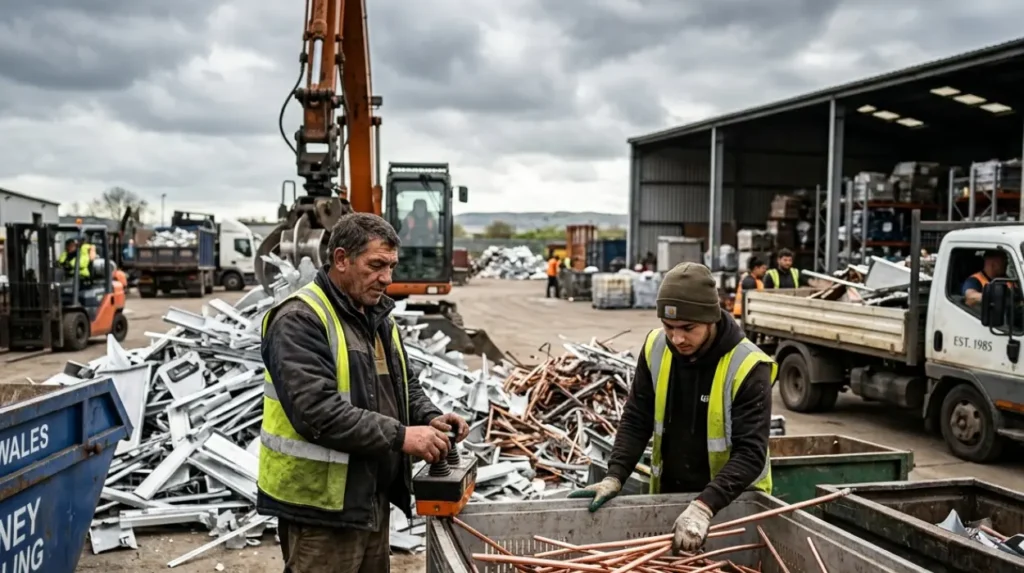
Modern Rumney Gypsy businesses have evolved from the traditional scrap metal collection of the mid-20th century into sophisticated waste management and recycling operations. These firms play a key role in the circular economy of South Wales, processing materials that would otherwise end up in landfills. Many of these businesses are family-owned and operate out of the Rumney and Wentlooge industrial estates.
In the construction sector, members of the community provide essential services such as:
- Paving and driveways: Specializing in asphalt and stone masonry.
- Tree surgery: Managing local arboriculture.
- Roofing: Maintaining the residential infrastructure of East Cardiff.
Furthermore, the horse trade remains a niche but culturally significant economic activity. While no longer the primary mode of transport, the breeding and trading of Gypsy Cobs at regional fairs generate revenue and maintain international trade links with collectors in the United States and Europe. The Cardiff economy benefits from the “hidden” entrepreneurship of this community, which often operates through informal networks and high-trust family partnerships that bypass traditional corporate structures.
How can the public learn more about the Rumney Gypsy heritage?
The public can learn through the Romani Cultural & Arts Company, the Glamorgan Archives, and the National Museum Wales. These institutions provide access to historical documents, art exhibitions, and educational resources regarding the Welsh Romani.
The Romani Cultural & Arts Company, based in Cardiff, is the leading authority on the community’s contemporary and historical life. They curate art exhibitions and provide training sessions that explain the nuances of the Rumney identity. Their work is essential for anyone seeking an authentic, non-stereotypical understanding of the Welsh Kale.
The Glamorgan Archives hold extensive records, including:
- Census returns: Detailing the residence patterns of families in Rumney.
- Police and court records: Providing a window into the legal challenges faced by the community.
- Photographic collections: Capturing the visual history of the Rumney encampments.
Visiting St Fagans National Museum of History is also recommended, as it features displays on traditional Romani life in Wales. Engaging with these resources allows for a comprehensive understanding of the Rumney Gypsy as a foundational element of the Cardiff story. By studying the heritage through these vetted sources, the public can appreciate the resilience and cultural richness of a community that has called Rumney home for over five centuries.
The history of the Rumney Gypsy is a testament to the endurance of the Welsh Romani people. From their 16th-century origins in the Rumney marshes to their role in Cardiff’s industrial peak, they have remained a distinct and vital part of the Welsh capital. Understanding their meaning and heritage requires looking beyond stereotypes to the complex reality of a community that balances ancient Romani laws with the demands of a modern, urban environment. As Cardiff continues to grow, the legacy of the Rumney Gypsy—defined by the Kale lineage, the Welsh Romani tongue, and a fierce sense of independence—remains an indelible thread in the city’s cultural tapestry.
Cardiff thrives on this diversity, and the Rumney Gypsy story is a core component of that ongoing evolution.
Who are the Rumney Gypsies?
The Rumney Gypsies are part of the Welsh Romani or Kale community historically connected to Rumney in East Cardiff.