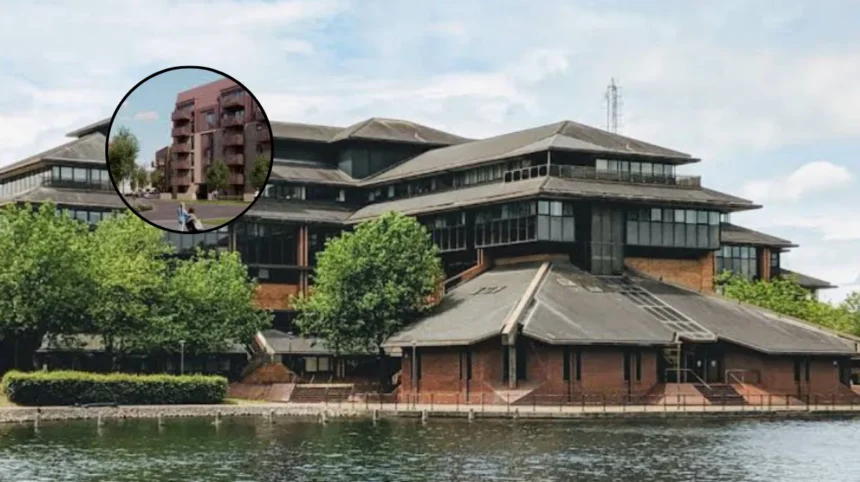
Key Points
- Planning approval granted by Cardiff Council’s Planning Committee on March 12, 2026, for the next phase of the Channel View estate regeneration in Grangetown.
- Delivery of 228 new energy-efficient homes across six phases, with a seventh phase for improvements to The Marl public open space.
- New neighbourhood retail unit included in phase three to support local services and community activity.
- Project replaces existing 180 properties, including a 1970s high-rise tower block, with up to 400 new low-carbon, mixed-tenure homes overall.
- 189 of the 228 homes are affordable, prioritising existing Channel View residents (75 homes for rehousing council tenants).
- Collaboration with Wates Residential; phase one includes Block A (102 flats for community living with facilities, rooftop terrace, café) and Block B (24 independent living flats).
- Aims to meet local housing needs while enabling existing residents to stay in the community; enhances connectivity, public spaces, and safer routes.
Grangetown (Cardiff Daily) April 28, 2026 – Cardiff Council’s Planning Committee has approved plans for 228 new energy-efficient homes at the Channel View estate, advancing a major regeneration project to replace outdated housing and improve community facilities in the area.
- Key Points
- What Has Cardiff Council Approved for Channel View Estate?
- How Many New Homes Are Planned and What Types?
- What Community Improvements Are Included?
- Who Are the Key Players Involved?
- What Is the Timeline and Progress So Far?
- Background of the Channel View Development
- Prediction: How This Development Can Affect Grangetown Residents
What Has Cardiff Council Approved for Channel View Estate?
The approval unlocks six phases of housing development and a seventh phase for public space enhancements at The Marl. As reported across multiple outlets, the plans address local housing demand while prioritising existing residents. According to coverage in WalesOnline, the decision supports delivery of hundreds of new homes alongside a retail unit in phase three.
Cardiff Council’s official update confirms the project will deliver high-quality, spacious, low-carbon homes with better connectivity and improvements to The Marl open space. Nation.Cymru detailed that the 228 homes form part of a long-term transformation, with the seventh phase upgrading the public space.
How Many New Homes Are Planned and What Types?
The approved phases include 228 homes, of which 189 are affordable for council tenants. The Cardiffian reported that 75 homes will rehouse existing Channel View High Rise tenants, with 39 sold privately and the rest for affordable housing. This follows six four-to-six-storey apartment blocks and 51 affordable houses joining those under construction.
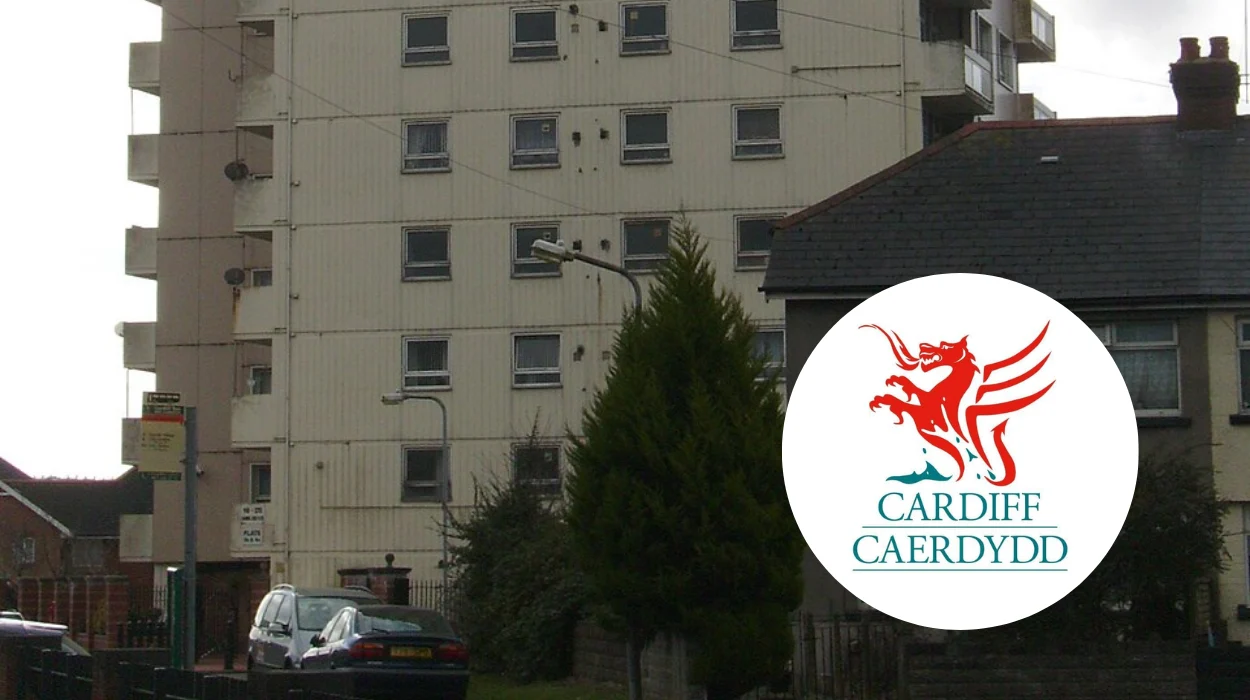
The wider scheme, as outlined on the Cardiff Development and Regeneration site, replaces 180 existing properties, including the 1970s tower block, with up to 400 new mixed-tenure homes. Phase one, marked by a topping-out milestone, features Block A with 102 community living flats, extensive facilities, a rooftop terrace, and café; Block B offers 24 independent living flats with balconies.
Wates Residential, partnering with the council, emphasises modern, sustainable homes for older people to strengthen Grangetown connections. Reserve matters for phases 2-6 and part of phase 7 have been submitted via the council’s Planning Portal.
What Community Improvements Are Included?
A new neighbourhood retail unit in phase three will support local services and activity. Cardiff Council’s release states this helps sustain the estate’s vibrancy. Wales247 noted the homes are designed to meet local needs while keeping residents in place.
Public realm upgrades at The Marl include flower-lined streets, play spaces, planting, and a main square, as described in The Cardiffian. The project improves safer walking, cycling routes, and overall connectivity, per Wates’ update on phase one progress as of December 2025.
Who Are the Key Players Involved?
Cardiff Council leads the redevelopment, with approval by its Planning Committee on March 12. BDC Magazine highlighted the committee’s role in enabling 228 homes. Wates Residential constructs the project, achieving milestones like Block A’s topping-out in February 2026.
Existing tenants from the high-rise are prioritised for new blocks, ensuring community continuity. Comments on plans were invited via the Planning Portal.
What Is the Timeline and Progress So Far?
Approval came on March 12, 2026, following submissions for phases 2-7. Phase one foundations are set, with Block A topping-out marking progress toward 354 low-carbon homes overall. The Cardiffian noted construction of additional blocks and houses post-vote.
Current site progress was updated to December 23, 2025, on the regeneration site. Further phases depend on reserve matters approval.
Background of the Channel View Development
The Channel View estate, a vibrant Grangetown community, centres on replacing 180 ageing properties, including a 1970s high-rise, with sustainable housing. Cardiff Council initiated the project to build resilient communities, delivering energy-efficient homes, enhanced public spaces like The Marl, and improved links. Early phases prioritise vulnerable residents, with Block A and B focused on community and independent living. The scheme evolved through planning submissions, public consultation via the portal, and partnerships like Wates, aligning with Cardiff’s housing goals.
Prediction: How This Development Can Affect Grangetown Residents
This development can provide Grangetown residents with access to 228 energy-efficient homes, including 189 affordable units, enabling 75 existing tenants to relocate within the community. The retail unit and Marl upgrades can enhance local services, public spaces, and connectivity, supporting daily activities and safer routes. Replacement of outdated housing with modern, low-carbon properties can meet housing needs, while prioritising current residents can maintain social ties. Overall, phases can contribute to a stronger local economy through construction and facilities, benefiting the community long-term.