Key Points
- Cardiff City have filed an appeal against a French judge’s decision to dismiss their claim for more than £100m in compensation following the death of striker Emiliano Sala.
- The claim, worth over €120m (£104m), was lodged in the Nantes Commercial Court and sought damages for lost revenue and other losses allegedly linked to Sala’s death.
- The French court ruled that Nantes was not at fault in relation to the flight and that Cardiff had not suffered reputational damage.
- The court also said Cardiff’s claims were “extravagant” and had already been addressed by other courts, and that Nantes had suffered moral damage.
- Cardiff was ordered to pay €300,000 in damages to Nantes plus an additional €180,000 for legal costs, and the bill must be paid immediately, regardless of any appeal.
- The dispute has been ongoing for nearly seven years, with previous rulings by FIFA, the Court of Arbitration for Sport (CAS) and Switzerland’s supreme court all going against Cardiff.
- Earlier, FIFA ordered Cardiff to pay Nantes €6m (£5.3m) as the first instalment of Sala’s €17m (£15m) transfer fee, a decision later upheld by CAS.
- Cardiff’s legal team argued that Nantes relied on banned agent Willie McKay, who organised the unlawful flight that crashed in the English Channel, and that the tragedy “could and should have been avoided”.
- The commercial court hearing took place in December 2025, with a final ruling issued in March 2026, and an appeal to the French Court of Appeal is now possible.
- The case has been described as a “seismic” moment in the long-running dispute, with potential governance implications for football transfers and the use of agents.
Cardiff (Cardiff Daily) July 15, 2026 — Cardiff City have filed an appeal against a French judge’s decision to dismiss a claim for more than £100m in compensation following the death of footballer Emiliano Sala, deepening a long-running legal battle between the Welsh club and French side FC Nantes.
- What Did Cardiff City Claim in the £100m Sala Compensation Case?
- How Did the French Court Rule on Cardiff’s Claim Against Nantes?
- What Does the Appeal Mean for the Long-Running Cardiff–Nantes Dispute?
- Why Has This Case Been Called a “Seismic” Moment in Football Law?
- What Happens Next After Cardiff Announces Its Appeal?
- Background: The Development of the Cardiff–Nantes Dispute Over Emiliano Sala
- Prediction: How This Development Could Affect Welsh Football Fans and the Wider Football Community
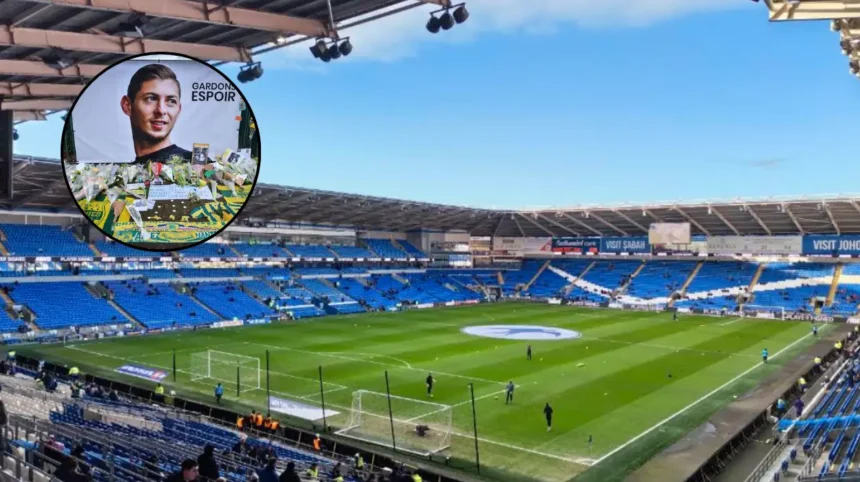
The 28-year-old Argentine striker, along with pilot David Ibbotson, died when the Piper Malibu plane carrying them crashed into the English Channel on the night of 21 January 2019. Sala was on his way to join Cardiff, then in the Premier League, from FC Nantes for a £15m transfer fee.
What Did Cardiff City Claim in the £100m Sala Compensation Case?
In the latest chapter of a long-running dispute, Cardiff City lodged a claim for more than €120 million (£104 million) in the Nantes Commercial Court, arguing they were due compensation from Nantes over the loss of Sala.
The club sought this amount for lost revenue and other damages, under the assumption that Sala could have helped Cardiff remain in the Premier League.
As reported by the BBC, Cardiff argued that Nantes relied on banned agent Willie McKay, who organised the unlawful flight that crashed in the English Channel, and said the tragedy
“could and should have been avoided”.
Cardiff’s legal representatives contended that Willie McKay effectively acted as FC Nantes’ agent when arranging the transfer and that the illegal flights linked to the January 2019 crash were connected to Nantes’ conduct.
How Did the French Court Rule on Cardiff’s Claim Against Nantes?
On Monday, the court in Nantes not only dismissed Cardiff’s claims but also mandated that the club pay approximately £400,000 in legal costs and moral damages to FC Nantes.
The court ruled that Nantes was not at fault in relation to the flight and that Cardiff did not suffer reputational damages.
According to ESPN, the court added that Cardiff’s “extravagant claims” had already been ruled on by other courts and that Nantes suffered moral damage.
It ordered Cardiff to pay €300,000 in damages, plus an additional €180,000 for legal costs, a financial penalty that is to be settled immediately, irrespective of any potential appeal.
What Does the Appeal Mean for the Long-Running Cardiff–Nantes Dispute?
There has been a long-running dispute between the two clubs, with the latest chapter coming in March when Cardiff’s claim they were due compensation from Nantes over the loss of Sala was dismissed.
Rulings by FIFA, the Court of Arbitration for Sport (CAS) and Switzerland’s supreme court have gone against Cardiff in its legal dispute with Nantes since Sala died in January 2019.
In a statement following its decision to dismiss Cardiff’s appeal, CAS said:
“After taking into due consideration all the evidence produced and all the arguments put forward by both clubs, the CAS panel found the player’s transfer from FC Nantes to Cardiff City FC to have been completed”.
The court ruled that the transfer was over when Sala died and ordered Cardiff to pay the transfer fee to FC Nantes, along with a “historically high sum” in respect of procedural and arbitration costs.
World football’s governing body FIFA originally ruled Cardiff should pay the first instalment of £5.3m to Nantes, after Cardiff claimed they were not liable for any of the fee because Sala was not officially their player when he died. Cardiff appealed to CAS, but the court completely rejected Cardiff’s appeal and confirmed the FIFA decision.
Why Has This Case Been Called a “Seismic” Moment in Football Law?
Cardiff City has lodged a €104 million claim in the Nantes Commercial Court nearly seven years after Emiliano Sala’s death during his transfer from Nantes, alleging that Nantes relied on banned agent Willie McKay, who organised the unlawful flight that crashed in the English Channel.
Cardiff alleges that Willie McKay effectively acted as FC Nantes’ agent when arranging the transfer and that the tragedy
“could and should have been avoided”.
A Nantes Commercial Court judge will now decide if Nantes is liable for Cardiff’s losses and set damages, with a final verdict expected in the spring of 2026 and appeal possible to the French Court of Appeal.
Cardiff says the suit is about protecting the sport’s integrity, calling the hearing a seismic moment in the long-running dispute with potential governance implications and appeal rights to the French Court of Appeal.
What Happens Next After Cardiff Announces Its Appeal?
In this latest development of an ongoing dispute, a French court was responsible for determining whether Cardiff City was entitled to compensation from Nantes due to Sala’s death, but the claim has been rejected.
The financial penalty of approximately £400,000 is to be settled immediately, irrespective of any potential appeal, but Cardiff has now confirmed it will challenge the ruling.
As reported by the BBC and other outlets, Cardiff City have filed an appeal against the French judge’s decision, meaning the legal battle will continue at the French Court of Appeal.
The case remains one of the most high-profile and contentious disputes in recent European football history, involving questions over transfer agreements, agent conduct, and liability in the event of fatal accidents during player transfers.
Background: The Development of the Cardiff–Nantes Dispute Over Emiliano Sala
The dispute between Cardiff City and FC Nantes began almost immediately after Emiliano Sala’s death on 21 January 2019.
Cardiff had announced Sala as their record signing on 19 January 2019, but following his passing, the club refused to pay Nantes the first instalment of the transfer fee, contending that the agreement had not been legally finalized.
Cardiff argued that the conditions outlined in the contract violated Premier League regulations regarding signing-on fees and that four specific clauses required further negotiation and completion.
Nantes escalated the matter to FIFA, which ruled that Cardiff was obligated to pay €6 million as the first instalment under the transfer agreement dated 19 January 2019.
Cardiff then appealed to the Court of Arbitration for Sport (CAS), which in 2022 upheld the FIFA decision and confirmed that the transfer had been completed before Sala’s death.
The CAS panel stressed that all conditions set out in the transfer agreement were fulfilled prior to the player’s death, and therefore Nantes’ claim for the first instalment was upheld.
Throughout these proceedings, Cardiff maintained that Sala was not officially their player at the time of the accident, while Nantes and the judicial bodies concluded that the transfer was effectively complete under the terms of the agreement.
The dispute has now extended to a separate civil claim in the Nantes Commercial Court, where Cardiff sought over €120 million in damages linked to Sala’s death and alleged financial losses, including relegation from the Premier League.
Prediction: How This Development Could Affect Welsh Football Fans and the Wider Football Community
If Cardiff City’s appeal against the French court’s dismissal is successful, it could reopen the question of whether a club can claim substantial compensation from a selling club for losses linked to a player’s death during a transfer.
For Welsh football fans, a successful appeal might be seen as an attempt to recover financial harm from what they view as a catastrophic failure in the transfer process, potentially leading to further legal battles and uncertainty around the club’s finances.
Conversely, if the appeal fails and the original ruling is upheld, Cardiff will remain bound to pay the damages and legal costs already ordered, and the long-running dispute will effectively end with Nantes having been vindicated in both the transfer fee and the compensation claim.
For the wider football community, the case has already been described as a “seismic” moment with potential governance implications, particularly regarding the use of agents, the legality of flights arranged during transfers, and the limits of civil claims linked to player deaths.
The outcome may influence how clubs approach transfer negotiations, agent appointments, and travel arrangements in high-risk situations, and could set a precedent for future disputes where clubs seek compensation for financial losses tied to tragic events during transfers.
For fans, the continuing legal saga has already drawn significant attention and criticism, and any further escalation could deepen divisions between supporters of the two clubs and raise broader questions about the regulation of football transfers and the role of agents in the sport.