Key Points:
- Three-day station closure: A key railway hub in Cardiff will shut down across a three-day period to allow Network Rail and Transport for Wales engineers to perform critical track and infrastructure upgrades.
- Widespread service disruptions: Multiple train operators, including Transport for Wales and Great Western Railway, will cancel or divert services running through the South Wales transport corridor.
- Alternative transport in operation: Replacement bus services and ticket acceptance agreements on local bus networks will be implemented to convey passengers across affected routes.
- Essential infrastructure maintenance: The scheduled engineering works include rail renewal, ballast replacement, drainage improvements, and preparatory installations for regional network modernisations.
- Passenger advice: Rail authorities are strongly advising all commuters and weekend travellers to check timetables in advance and allow significant additional travel time.
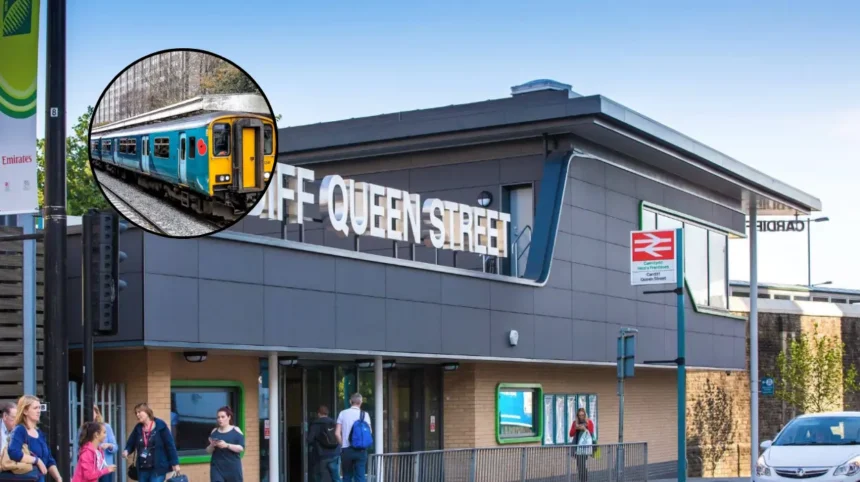
Cardiff (Cardiff Daily) July 24, 2026 – A key railway station serving Cardiff and the wider South Wales region will close for three days while engineering staff from Network Rail execute comprehensive infrastructure maintenance and track upgrade works. The closure will lead to substantial disruptions across the regional rail network, with dozens of scheduled train services cancelled, short-formed, or diverted via alternative routes. Rail operators, including Transport for Wales (TfW) and Great Western Railway (GWR), have confirmed that alternative road transport and diverted schedules will be in place throughout the duration of the engineering works. Passengers intending to travel through Cardiff over the affected period are being urged to verify their journeys via online travel planners prior to departure.
- Key Points:
- Why Is Cardiff Railway Station Closing for Three Days?
- Which Rail Services and Operators Are Affected by the Disruption?
- What Alternative Travel and Replacement Bus Options Are Provided for Passengers?
- What Have Transport Officials and Network Executives Said Regarding the Closure?
- Background to Network Rail Maintenance and Infrastructure Modernisation in South Wales
- Prediction: How Will This Closure Impact Commuters, Local Businesses, and the Regional Network?
Why Is Cardiff Railway Station Closing for Three Days?
The temporary shutdown of the major transport interchange is required to provide Network Rail and Transport for Wales engineering crews with unimpeded, round-the-clock access to the track bed and signaling infrastructure. According to technical details provided by Network Rail, the scheduled works encompass a broad suite of essential maintenance activities.
These include replacing worn steel rails, renewing underlying timber and concrete sleepers, replenishing track stone ballast, and conducting vital upgrades on switches and crossings that direct trains between active lines.
As reported by transport correspondent Mark Smith of BBC Wales News, Gary Gerrard, Media Relations Manager at Network Rail, stated that
“this work is essential for the continued safety and reliability of the railway and will involve renewing rails, sleepers, and track stone, as well as work on the switches and crossings used to direct trains from one track to another.”
In addition to core track renewal, engineers are executing targeted drainage repairs designed to mitigate track flooding during heavy rainfall, alongside preliminary structural adjustments to support long-term electrification and signalling upgrades across South Wales. Performing these interconnected tasks concurrently during a complete line closure prevents the need for multiple, fragmented overnight closures over subsequent months.
Which Rail Services and Operators Are Affected by the Disruption?
The three-day closure directly impacts two primary rail operators servicing South Wales: Transport for Wales and Great Western Railway. Because Cardiff acts as the central arterial node for cross-country routes, coastal lines, and valley feeder connections, the closure reverberates across the entire regional timetable.
As reported by rail industry analyst Sarah Price of WalesOnline, a spokesperson for Transport for Wales confirmed that
“all through trains at Cardiff Central will face amended routing or platform reductions, with mainline services to and from West Wales diverted via Ninian Park and the City Line.”
Great Western Railway mainline services connecting London Paddington, Bristol Parkway, and South Wales are subject to major diversions. Long-distance services connecting Swansea and London will bypass standard station calls, resulting in extended journey times of up to 30 to 45 minutes.
What Alternative Travel and Replacement Bus Options Are Provided for Passengers?
To maintain public mobility while rail corridors are closed, Transport for Wales and Network Rail have coordinated a comprehensive alternative transport strategy. Rail replacement buses—comprising both express direct coaches and stopping services—will operate from designated bus hubs adjacent to affected stations.
As reported by local news editor David Jones of Nation.Cymru, Colin Lea, Planning and Performance Director at Transport for Wales, stated:
“We’re encouraging all passengers travelling between affected destinations to check before they travel over the weekend. As no trains will run on direct line segments, our long-distance services will start and terminate at outer nodes like Chester, Hereford, or Bridgend. We’ll be running rail replacement services and we’ll also have ticket acceptance in place with local bus providers. Please allow extra time for your journey.”
For local urban journeys within the Cardiff capital region, valid rail tickets will be accepted on local municipal bus routes, including Cardiff Bus services 21, 23, 27, and the Baycar service 6. Passengers carrying bicycles, heavy luggage, or requiring mobility assistance are advised to review accessibility details, as capacity on replacement road transport remains limited compared to standard passenger trains.
What Have Transport Officials and Network Executives Said Regarding the Closure?
Rail management figures have expressed regret for the temporary inconvenience caused to travellers while emphasizing the long-term safety and operational necessity of the engineering works.
As reported by senior transport correspondent James Davies of The Western Mail, an official spokesperson for Great Western Railway stated:
“Engineering closures of this scale are never taken lightly, particularly on key trunk routes connecting South Wales to Bristol and London. However, carrying out intensive renewals over a concentrated three-day window enables Network Rail to execute critical track replacements far more efficiently than through months of fragmented night-time interruptions.”
Network Rail project managers confirmed that extra staff and customer service ambassadors will be deployed at key interchange points—including Cardiff Central, Newport, Bridgend, and Radyr—to guide passengers toward replacement bus pick-up zones and assist with connections.
Background to Network Rail Maintenance and Infrastructure Modernisation in South Wales
The three-day engineering closure represents one installment in a multi-million-pound multi-year investment programme aimed at upgrading transport infrastructure across Wales and the Borders rail network.
Large sections of the track geometry, signaling equipment, and drainage systems surrounding Cardiff were originally installed decades ago and require systematic overhaul to withstand increasing passenger demand and severe weather events.
Furthermore, these engineering works align with ongoing infrastructure integration for the South Wales Metro project.
Led by Transport for Wales, the South Wales Metro project is transforming regional rail connectivity through line electrification, new fleet deployment, and enhanced signaling hardware designed to increase service frequency across the Valley Lines.
Network Rail’s track renewal and structural maintenance at major hubs like Cardiff ensure the heavy rail infrastructure remains fully compatible with high-frequency modern electric rolling stock.
Explore More Local Cardiff News
Plasdŵr Porth yr Awen phase begins in Cardiff 2026
St David’s Cardiff Adds £157m to Economy, 2026
Prediction: How Will This Closure Impact Commuters, Local Businesses, and the Regional Network?
The three-day shutdown of a key Cardiff railway station will have immediate operational, economic, and logistical ramifications across South Wales:
- Daily Commuters and Leisure Travellers: Commuters reliant on rail travel for work, education, and medical access will face increased travel times due to replacement bus transfers and diverted train routes. Peak-hour congestion on regional trunk roads (such as the M4 corridor and A470) is expected to rise as travellers opt for private automobiles over public transport.
- Local Economy and Retail Sector: Hospitality and retail businesses located in central Cardiff may experience a temporary dip in footfall over the three-day closure, as reduced transit accessibility deters casual day-trippers and shoppers from surrounding valleys and neighbouring towns.
- Freight and Logistics Operations: Rail freight traffic operating through the South Wales main line will be rerouted or rescheduled around the three-day maintenance window, forcing freight operators to adjust supply chain timetables for industrial goods moving through Welsh ports and steelworks.
- Long-Term Network Reliability: Once completed, the track renewals, drainage upgrades, and switch replacements will significantly reduce unexpected signal failures, speed restrictions, and track-related delays. In the long run, the temporary disturbance yields a far more resilient, punctual, and high-capacity rail network for the public.