Key Points
- Emily Mapley, now 20, was saved from youth homelessness after completing a UK-first screening survey run by Upstream Cymru at her secondary school.
- Mapley became homeless at age 13, living in two rooms shared with six family members for nearly two years while navigating school, severe bullying, and coming out as transgender.
- Upstream Cymru is based on Australia’s Geelong Project, an initiative that delivered a 40 per cent reduction in youth homelessness.
- The school-based initiative catches vulnerable pupils who are entirely unknown to local support services or statutory authorities.
- Youth homelessness charity Llamau has warned that a lack of long-term government backing threatens Wales’ ability to keep pace with homelessness prevention efforts in the rest of the UK.
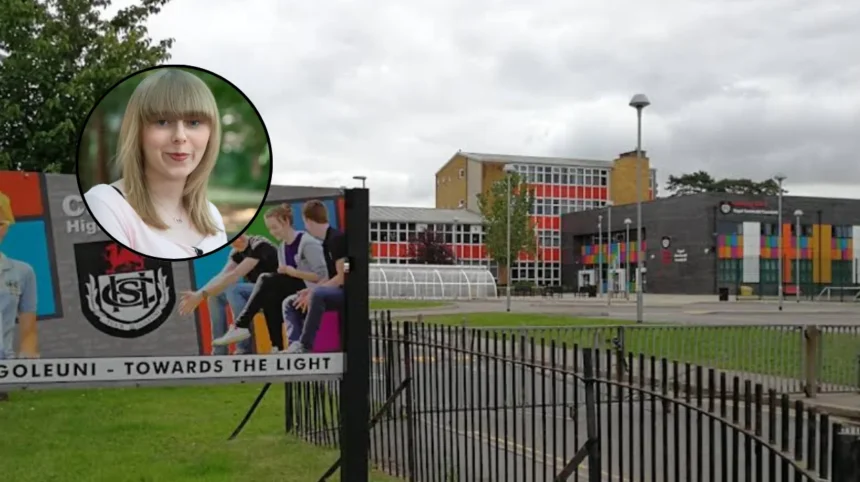
Cardiff (Cardiff Daily) August 24, 2026 — Something as simple as completing an questionnaire in a classroom environment altered the direction of Emily Mapley’s life after her family was rendered homeless when she was just 13 years old. Mapley, who is now 20, endured a exceptionally difficult period at the start of her teenage years. Alongside being evicted from her home, she faced persistent bullying while navigating changes to her identity and coming out as transgender. For nearly two years, she concealed the reality of her living situation: sharing just two rooms with six other family members. However, a pioneering UK-first survey delivered by Upstream Cymru ensured she was identified and offered vital intervention before reaching absolute crisis.
How did a school survey identify hidden youth homelessness?
The initiative operates as a universal screening process delivered directly within secondary school classrooms. By embedding the questionnaire into the standard school routine, the project assesses indicators of residential instability, family conflict, and personal wellbeing.
The mechanism behind Upstream Cymru is modelled on the Geelong Project, a renowned early-intervention paradigm developed in Australia.
In its original implementation, the Geelong model led to a 40 per cent drop in youth homelessness alongside a 20 per cent reduction in early school leaving.
The primary strength of the survey lies in its capacity to identify young individuals who would otherwise fall outside the scope of statutory provision.
Prior to the rollout of Upstream Cymru, teenagers experiencing hidden homelessness—such as sofa-surfing, severe overcrowded living arrangements, or unrecorded domestic displacement—rarely made contact with local authority social services until family relationships broke down completely.
Why are charity leaders raising alarms over long-term funding?
Six years after Mapley completed her survey, youth homelessness charity Llamau has raised concerns over the structural sustainability of the initiative.
Representatives from Llamau warned that without secured long-term funding commitments from the Welsh Government, Wales faces the distinct possibility of falling behind the rest of the UK in youth homelessness prevention.
While similar early-intervention frameworks and pilot schemes continue to be expanded across other UK regions, the absence of multi-year financial backing in Wales leaves critical screening programmes vulnerable to disruption.
Llamau stressed that without predictable, long-term state funding, early-intervention models cannot be fully integrated across all Welsh local authorities, placing vulnerable pupils at risk of sliding through statutory gaps.
Background of the particular development
Youth homelessness in Wales has historically been addressed at the point of acute crisis rather than through systematic prevention. Standard local authority assistance often kicks in only when a young person is actively evicted or forced to sleep rough.
To break this pattern, the charity Llamau collaborated with academic researchers from Cardiff University to adapt Australia’s Geelong Project for the Welsh educational framework.
Launched as Upstream Cymru, the programme targeted secondary schools across South Wales to screen pupils aged 11 to 16. The questionnaire assesses multiple risk factors, including family stability, housing security, resilience, and emotional wellbeing.
When pupils are flagged as high risk or immediate priority, dedicated support workers step in to offer tailored assistance. This includes family mediation, educational retention plans, and direct housing advice, resolving domestic conflict long before a young person presents to local councils as homeless.
Prediction: How this development affects young people and education providers
The ongoing funding uncertainty surrounding Upstream Cymru directly impacts vulnerable young people, secondary school staff, and local government bodies across Wales.
- Vulnerable Young People: If long-term statutory backing is not secured, hundreds of teenagers facing hidden homelessness, severe family breakdown, or identity-based discrimination risk being overlooked. Early intervention prevents prolonged trauma, educational disruption, and rough sleeping. A withdrawal or stagnation of these screening tools will mean young people will only receive assistance after reaching a catastrophic crisis point.
- Schools and Education Staff: Teachers and pastoral teams are frequently the first to witness the symptoms of student trauma, yet they often lack the diagnostic tools or specialist resources to address domestic housing instability. Without structured programs like Upstream Cymru embedded in schools, the burden of identifying hidden youth homelessness falls back on overstretched teaching staff.
- Local Authorities and Support Services: A shift away from early intervention will increase financial and operational strains on municipal emergency housing services and social care systems. Resolving acute homelessness and long-term rough sleeping requires significantly higher state expenditure than delivering early classroom-based screening and preventative family mediation.