Key Points
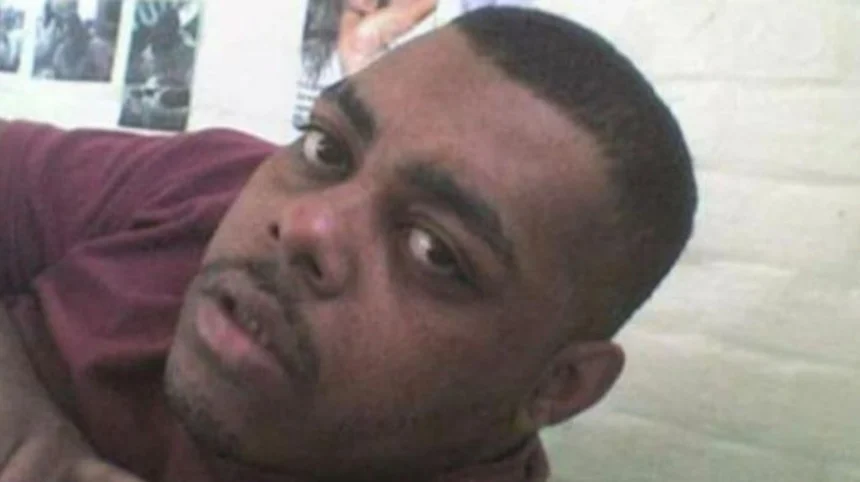
- Leroy Douglas, a 44-year-old father from Cardiff, is set to be released after spending over two decades in prison for non-violently stealing a mobile phone.
- Originally handed a minimum two-and-a-half-year tariff in 2005 under the controversial Imprisonment for Public Protection (IPP) scheme, Douglas served nearly eight times his original minimum term.
- A landmark ruling by the United Nations Working Group on Arbitrary Detention declared his detention unlawful and arbitrary under international human rights law, prompting legal action and his subsequent parole approval.
- His family expressed relief at the decision, stating they are “over the moon” but emphasizing that his release should have occurred many years ago.
- Legal representatives brought High Court habeas corpus proceedings on his behalf following the UN opinion, pointing to widespread concerns over the legacy of the abolished IPP framework.
Cardiff (Cardiff Daily) August 31, 2026 — Leroy Douglas, a 44-year-old father from Cardiff who has spent two decades behind bars for stealing a friend’s mobile phone, is set to be released after the United Nations declared his prolonged detention unlawful.
The decision follows years of campaigning by his family and human rights advocates regarding his Imprisonment for Public Protection (IPP) sentence, a indeterminate sentencing structure introduced in England and Wales that trapped thousands of prisoners beyond their original tariffs. His relatives stated they are “over the moon” about his impending release, whilst adding that the decision should have been granted many years prior.
How Did a Two-Year Tariff Turn into Two Decades Behind Bars?
As reported by The Independent, Leroy Douglas was originally sentenced in 2005 after stealing a mobile phone behind Cardiff railway station to support a drug addiction. During the incident, Douglas asked to use the phone and walked away with it without using physical violence.
At the time of his conviction, the court imposed a tariff of two years and six months. However, under the provisions of the Criminal Justice Act 2003, Douglas was made subject to an Imprisonment for Public Protection (IPP) order. This required him to demonstrate to the Parole Board that he no longer posed a risk to the public before he could be considered for release, effectively giving his sentence an open-ended duration.
Despite getting clean of drugs inside prison and completing 36 rehabilitation courses aimed at reducing perceived risk factors, Douglas remained incarcerated for almost 20 years. According to reports by The Canary, his sister, Natalie Douglas, explained that he was repeatedly held back due to changing administrative demands and delays in access to necessary courses.
Speaking in an appeal from custody cited by The Independent, Douglas described his ongoing imprisonment as “cripplingly cruel” and stated:
“I stole a mobile phone with no physical violence in 2005 and I’ve had more than my just desserts doing 19 years in jail. My detention has become unlawful and no longer necessary for the protection of the public.”
What Role Did International Bodies Play in Securing His Release?
The breakthrough in the case occurred following international intervention regarding the UK’s handling of historic IPP sentences.
As detailed by Great James Street Chambers, the United Nations Working Group on Arbitrary Detention (WGAD) adopted Opinion No. 16/2026, which formally concluded that the continued detention of Douglas and three other IPP prisoners was arbitrary and contrary to international human rights law. The complaint was conducted by Dr Muin Boase and supported by Alun Jones KC, who subsequently lodged applications for habeas corpus in the High Court seeking the immediate release of the prisoners.
In reports highlighted by BBC News, Douglas’s father noted that the psychological toll on his son was severe, exacerbated by institutionalisation and the tragic loss of several family members during his time in custody—including his 19-year-old daughter in 2021. A psychologist’s assessment reviewed by The Independent previously indicated that Douglas was “institutionalised, feels aggrieved by his continued incarceration” and that “continued incarceration will only amplify his feelings of hopelessness.”
Following the findings of the UN panel and subsequent legal filings, the Parole Board granted Douglas parole, paving the way for his return to his family.
What is the Background of the IPP Sentence Controversy?
Imprisonment for Public Protection (IPP) sentences were introduced by the UK Parliament under the Criminal Justice Act 2003 and came into force in 2005. Designed to detain dangerous offenders who posed a significant risk of public harm, the measure allowed judges to set a minimum tariff, after which the offender could only be released if the Parole Board deemed them safe.
However, the sentence was applied far more widely than originally intended, catching petty offenders and individuals committing minor property crimes.
The IPP scheme was officially abolished in 2012 by the UK government following a ruling from the European Court of Human Rights, which deemed the sentences flawed and inhumane. However, the abolition was not applied retrospectively. As a result, thousands of individuals sentenced between 2005 and 2012 remained trapped in the prison system under the original terms of their IPP orders.
Human rights campaigners, including the IPP Committee in Action and the UN Special Rapporteur on Torture, Dr Alice Edwards, have repeatedly called on the UK government to execute a systematic resentencing exercise for all remaining IPP prisoners.
Explore More Local Cardiff News
Stage & Stem Reopens Former Sticky Fingers Site, Cardiff 2026
776 Children In Temporary Accommodation Amid Housing Crisis: Cardiff 2026
How Could This Development Affect IPP Prisoners and the UK Justice System?
The release of Leroy Douglas following a formal UN declaration of arbitrary detention establishes a major legal precedent that is likely to impact several distinct groups within the criminal justice landscape:
- Remaining IPP Prisoners and Their Families: For the more than 2,000 prisoners in England and Wales still serving IPP sentences—many of whom have passed their minimum tariff by a decade or more—this outcome provides a legal blueprint. Defense solicitors are expected to utilize the UN Working Group’s findings to launch similar High Court habeas corpus applications, potentially accelerating release dates for non-violent offenders stuck in administrative limbo.
- The Parole Board and Ministry of Justice: The successful challenge forces domestic justice institutions to re-evaluate how risk assessments are conducted for institutionalised prisoners. The Ministry of Justice faces heightened pressure from international oversight bodies to streamline parole reviews and prioritize community-based management over indefinite detention.
- UK Policymakers and Parliament: Political resistance to retrospective legislative reform, historically maintained by successive Justice Secretaries, faces mounting international critique. This development strengthens calls from legal experts and reform committees for Parliament to pass legislation mandating the resentencing of all remaining IPP convicts to align their sentences with fixed statutory limits.