Key Points
- There have been major traffic jams in Cardiff city centre caused by the roadworks that have been taking place in major roads.
- There was infrastructure development work being carried out on critical roads such as Castle Street, which has had a negative impact on transport.
- People have been facing huge delays, and people have been spending too much time traveling through one small section of the road.
- This kind of traffic jam has caused serious worry among the citizens and businesses in the area.
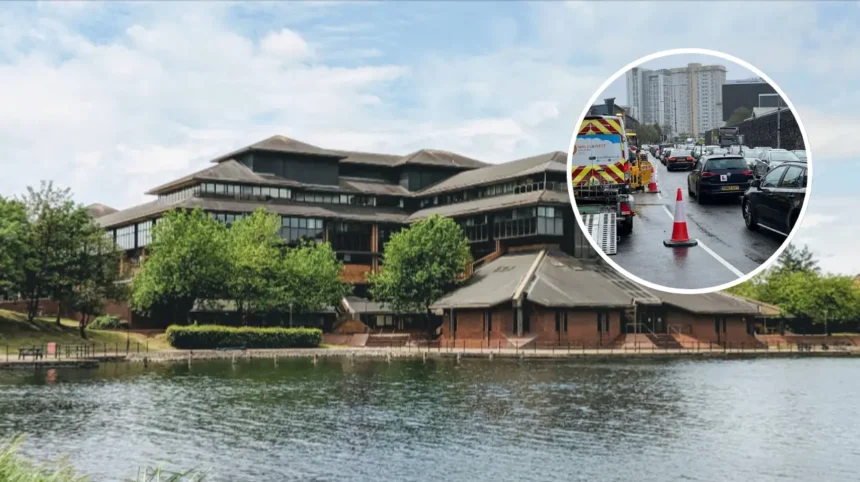
Cardiff (Cardiff Daily) September 24, 2026 — Cardiff city centre descended into severe traffic chaos this week as ongoing infrastructure developments and intensive roadworks brought vehicular movement across several key urban arteries to a complete standstill. Commuters and motorists navigating the Welsh capital encountered extensive delays, gridlock, and heavily restricted lanes as municipal authorities pressed forward with vital transport and roadway modifications.
Why Has Cardiff City Centre Descended Into Severe Traffic Chaos?
The severe gridlock impacting the heart of the Welsh capital stems directly from a series of intensive roadworks executed across multiple primary routes and vital segments. As detailed by regional updates, the capital’s transport network has faced mounting pressure following the rollout of extensive construction projects.
The disruption has heavily affected daily transit patterns that thousands of residents, public transport users, and workers rely on. According to local reporting metrics, the intensity of the bottlenecking has created ripple effects across the entire urban grid, leaving drivers stranded for extended periods.
How Badly Have the Roadworks Affected Daily Commuters in the Capital?
The real-world impact of the ongoing construction was starkly illustrated by individual commuter experiences on the ground. As highlighted by localized findings from WalesOnline, the gridlock caused acute frustration for motorists attempting to navigate the city core.
As reported by the news team at WalesOnline, the intensity of the congestion meant that it took one frustrated commuter an additional 25 extra minutes merely to traverse a single, short stretch of road within the downtown business and shopping district. The compounding delays highlighted vulnerabilities in the current traffic management layout while major infrastructural upgrades remain ongoing.
Explore more Cardiff Council News
Cardiff Launches Soft Plastic Recycling Trial Across Capital City Cardiff 2026
Cardiff Council Launches Soft Plastics Recycling Trial for Local Households Cardiff 2026
What Are the Broader Implications of the Ongoing Construction Phase?
The latest wave of disruption follows a sustained period of urban intervention by local authorities. Strategic modifications, which notably began with major overhauls on thoroughfares like Castle Street, have steadily reshaped how traffic flows through the urban center. While municipal planners maintain that these long-term enhancements are necessary for modernising the city’s transit capabilities, the immediate friction experienced by road users underscores a delicate balancing act between future urban benefits and present-day accessibility.
Local transport networks continue to monitor the bottlenecks closely as municipal teams push to complete the active phases of development without causing further compounding paralysis to the city’s commercial core.
Background of the Particular Development
The severe traffic congestion experienced in central Cardiff is the latest manifestation of extensive, long-term urban restructuring initiatives managed by local authorities. Over recent years, the Cardiff Council has initiated various transport layout changes, environmental corridor projects, and revitalization schemes—most notably beginning with major structural alterations on core routes like Castle Street. These infrastructure programs are generally designed to promote active travel, enhance public transport efficiency, and accommodate future economic growth. However, because Cardiff serves as the primary economic and commuter hub for south-east Wales, any reduction in lane capacity or alteration of traditional traffic flows frequently triggers widespread gridlock, affecting both local residents and regional visitors who rely on private vehicles or bus services to access the city centre.
This ongoing and potential future traffic chaos can severely affect regular commuters, local retail businesses, and public service operators within the Cardiff region. For daily commuters, persistent gridlock translates to lost time, increased fuel consumption, and heightened stress levels during morning and evening rush hours. Local businesses—particularly retail shops, hospitality venues, and service providers in the city centre—may experience a dip in footfall or spontaneous customer visits if potential patrons choose to avoid the congested urban core altogether in favor of out-of-town retail parks with easier parking and smoother access. Furthermore, emergency services and public transport providers, such as local bus operators, face operational delays and disrupted schedules, which can compromise overall transit reliability across the capital.