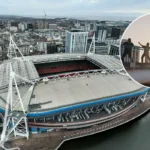
Cardiff, the capital of Wales, contains historic buildings, religious landmarks, industrial remains and architectural details that reveal how the city developed over centuries. Beyond its best-known attractions, lesser-known sites preserve evidence of medieval settlement, maritime trade, coal exports, Victorian expansion and Welsh cultural identity. Exploring these locations provides a deeper understanding of Cardiff’s development from a small settlement beside the River Taff into a major industrial port and modern capital.
- Why Does Cardiff Have So Many Overlooked Historical Places?
- Which Hidden Historical Places in Llandaff Should Visitors Explore?
- Which Historic Arcades in Cardiff Hide the City’s Victorian Commercial History?
- What Does the Norwegian Church Reveal About Cardiff’s Maritime Past?
- Where Can Visitors Discover Cardiff’s Industrial Heritage Beyond the Waterfront?
- Which Lesser-Known Historic Buildings Reveal Cardiff’s Civic Development?
- Which Historic Cemeteries and Industrial Remains Are Worth Exploring in Cardiff?
- How Can Visitors Explore Hidden Historical Places in Cardiff Responsibly?
- Why Should Cardiff’s Hidden Historical Places Be Preserved?
- Where Should You Begin Exploring Hidden Historical Places in Cardiff?
The phrase hidden historical places in Cardiff describes heritage locations that receive less attention than major attractions but retain historical, architectural or cultural significance. These places include surviving church buildings, historic shopping arcades, former industrial structures, old cemeteries, maritime landmarks and streets shaped by earlier periods of urban growth.
Some locations are not physically hidden. Instead, their historical importance is overlooked because visitors concentrate on prominent attractions such as Cardiff Castle, the Principality Stadium and Cardiff Bay. Understanding the city’s less-publicised heritage requires examining the buildings, communities and industries that shaped its landscape.
Why Does Cardiff Have So Many Overlooked Historical Places?
Cardiff’s overlooked historical places reflect its transformation from a Roman settlement and medieval town into a major coal-exporting port and the capital of Wales. Its surviving architecture records religious life, industrial wealth, international migration, commercial expansion and civic development across successive historical periods.
Cardiff’s history extends beyond its best-known landmarks. The Romans established a fort near the River Taff during the first century AD. After the Norman Conquest, a castle developed on the same strategic site. Medieval Cardiff grew around its defensive position, while later commercial expansion connected the town with wider British and European markets.
The nineteenth century brought particularly significant changes. The growth of the South Wales coal industry transformed Cardiff into an international shipping centre. Dock construction attracted merchants, seafarers, industrialists and workers from different backgrounds. Their presence shaped neighbourhoods such as Butetown, the waterfront and the streets surrounding the commercial centre.
The city’s Victorian and Edwardian buildings preserve evidence of this prosperity. Covered shopping arcades, religious buildings, industrial structures and grand residences document the wealth generated by trade and shipping. Cardiff’s later development as the Welsh capital added civic buildings, cultural institutions and public spaces to this architectural landscape.
Cardiff Council’s conservation work identifies historic neighbourhoods and buildings that retain architectural and local significance. These records help explain why ordinary streets, former industrial sites and less prominent buildings deserve attention alongside major attractions.
Which Hidden Historical Places in Llandaff Should Visitors Explore?
Llandaff contains some of Cardiff’s most significant lesser-known heritage locations, including the medieval Bishop’s Palace ruins, historic cathedral surroundings and Insole Court. These places reveal religious authority, medieval settlement and Victorian industrial wealth beyond the city’s central tourist attractions.
Llandaff Cathedral
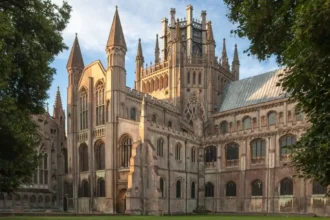
Llandaff Cathedral stands in the historic neighbourhood of Llandaff, west of Cardiff city centre. The present cathedral’s origins date to the early twelfth century, when Bishop Urban initiated the construction of a larger church. The site occupies one of Britain’s historically important Christian locations.
The cathedral combines medieval fabric with later architectural alterations and restoration. Its interior includes the modern sculpture Christ in Majesty by Jacob Epstein, positioned above the nave. The contrast between historic masonry and twentieth-century art illustrates how religious buildings evolve while retaining their original functions.
Visitors should examine the cathedral’s architectural details, the surrounding historic streets and the relationship between the building and the wider neighbourhood. Llandaff’s conservation area preserves a setting distinct from Cardiff’s commercial centre.
The Ruins of Llandaff Bishop’s Palace
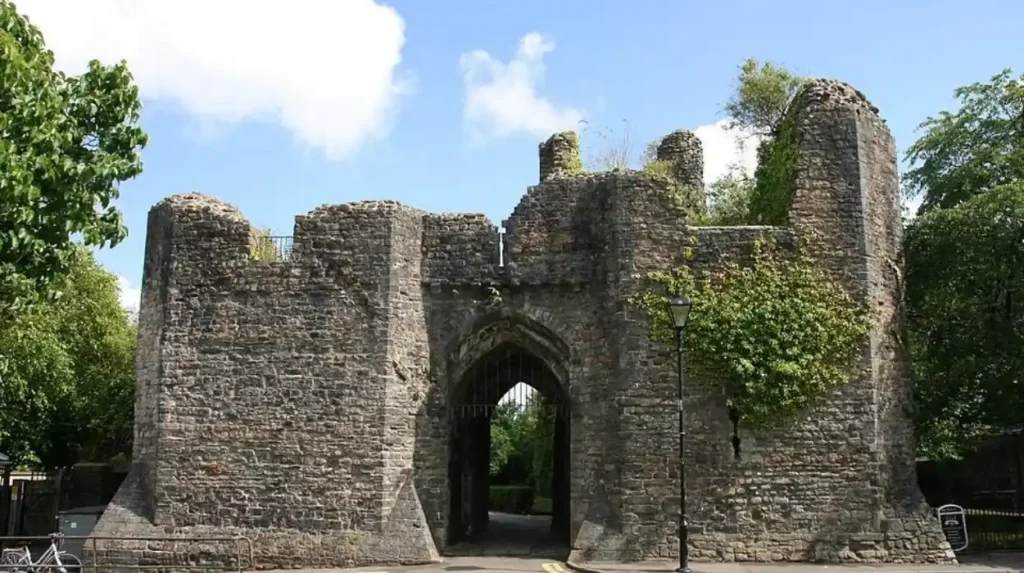
The remains of the medieval Bishop’s Palace stand near Llandaff Cathedral. The palace served as a residence associated with the bishops of Llandaff, who exercised religious authority across the surrounding area. Its surviving ruins provide evidence of the ecclesiastical institutions that influenced medieval Welsh communities.
The site is particularly valuable because it places the cathedral within a wider medieval landscape. Religious authority required residences, administrative facilities and connections with local communities. The palace remains help visitors understand this broader institutional setting.
Explore the ruins respectfully and check access arrangements before travelling. The site is an outdoor heritage location rather than a fully preserved medieval residence, so the surviving masonry provides only part of the original architectural picture.
Insole Court
Insole Court is a Grade II* listed Victorian Gothic mansion associated with the Insole family, whose wealth came from coal ownership and shipping. The building demonstrates how Cardiff’s industrial economy financed substantial domestic architecture during the nineteenth century.
The mansion developed over time as the family expanded its residence. Its architectural character reflects the wealth and social standing of a family connected with the coal trade. Interior rooms, gardens and surviving outbuildings help explain how prosperous industrial households lived.
The building’s recent history is also important. Community campaigning helped secure its future after a period of uncertainty, and it reopened to the public in 2016 following restoration and refurbishment. Today, heritage exhibitions and community activities connect the historic property with contemporary Cardiff life.
Visitors should check the official Insole Court website for current access to the mansion, exhibitions and gardens because opening arrangements can differ between areas of the property.
Which Historic Arcades in Cardiff Hide the City’s Victorian Commercial History?
Cardiff’s Victorian and Edwardian arcades preserve the city’s commercial history through covered walkways, decorative façades and independent retail spaces. Royal Arcade, High Street Arcade and Duke Street Arcade reveal how nineteenth-century shopping transformed the city centre and supported its expanding urban economy.
Cardiff is widely recognised as the City of Arcades. Its historic shopping passages connect streets through enclosed spaces designed to accommodate shops and pedestrians. These buildings remain part of the working city rather than operating exclusively as museums.
Royal Arcade
Royal Arcade opened in 1858 and is recognised as Cardiff’s oldest surviving shopping arcade. Its early date places it within the city’s expanding commercial period, when covered shopping passages offered an organised setting for specialist retailers.
The arcade connects streets in the city centre and forms part of the wider Morgan Quarter shopping area. Its historical value lies in the continued use of a nineteenth-century commercial structure for modern retail.
Visitors should look at the proportions of the passage, its shopfronts and the way it connects with the surrounding street network. These features reveal how historic shopping architecture integrates with everyday urban movement.
High Street Arcade
High Street Arcade opened in 1885. Its history reflects the expansion of Cardiff’s shopping district during the late Victorian period. The arcade originally accommodated businesses that included apothecaries and other specialist traders.
Its current independent shops and cafés occupy a passage that retains its historic identity. This combination demonstrates how commercial heritage buildings adapt to changing consumer habits without losing their place within the city centre.
High Street Arcade is particularly useful for understanding Cardiff’s retail history because its setting remains commercially active. Visitors can examine the architecture while seeing how small businesses continue to use the historic space.
Duke Street Arcade
Duke Street Arcade was completed in 1902 and retains architectural features associated with early twentieth-century commercial design. Its curved passage connects with High Street Arcade, creating a link between two historic shopping spaces.
The arcade’s interior details provide evidence of the craftsmanship used in Cardiff’s commercial buildings. Its layout also demonstrates the importance of pedestrian connections in the development of the city centre.
A walk through these arcades provides an accessible introduction to Cardiff’s architectural heritage without requiring entry to a ticketed attraction. Each passage also helps visitors understand how the historic retail district developed through different periods.
What Does the Norwegian Church Reveal About Cardiff’s Maritime Past?
The Norwegian Church Arts Centre in Cardiff Bay preserves the history of Norwegian seafarers who visited the city’s docks during the coal-export boom. Built in 1868, the timber-framed church reflects international maritime connections, migration and the social needs of visiting sailors.
The Norwegian Church Arts Centre originated as a place of worship and community support for Norwegian sailors. Cardiff’s expanding coal trade brought ships from Norway and other countries into the docks, creating demand for religious services and practical support for seafarers away from home.
The church was constructed in 1868 and consecrated in 1869. Its timber-frame structure was shipped from Norway, while its original position at West Dock placed it close to the maritime activity it served.
The building became a social and cultural centre for the Norwegian community. Reading facilities and later additions supported its wider role beyond religious services. Its history demonstrates that Cardiff’s industrial growth depended on international networks of people as well as the movement of coal.
The church was relocated to its present waterfront position during the 1990s. It now operates as an arts and cultural venue, retaining its historic association with the city’s maritime past.
For visitors exploring Cardiff Bay, the building offers a different perspective from the area’s modern waterfront developments. Its modest scale and distinctive construction reflect the lives of working seafarers rather than the commercial power of dock owners.
Check the official venue website for opening arrangements and exhibitions before visiting.

Where Can Visitors Discover Cardiff’s Industrial Heritage Beyond the Waterfront?
Cardiff’s industrial heritage survives in historic dock buildings, former commercial premises and neighbourhoods shaped by coal exports. Mount Stuart Square, the Pierhead Building and the wider Butetown area reveal how shipping companies, maritime workers and international communities influenced the city’s development.
Mount Stuart Square
Mount Stuart Square developed within Cardiff’s expanding dock district. Its historic buildings reflect the commercial activity associated with shipping, coal exports and port administration during the city’s industrial growth.
The square also connects with the history of the Norwegian community in Cardiff. The Norwegian Church’s congregation initially met at a venue on Mount Stuart Square before the purpose-built church opened near West Dock in 1868.
Look for historic façades, architectural details and the relationship between commercial buildings and the surrounding streets. These features help explain how the dock district accommodated businesses serving an international maritime economy.
Mount Stuart Square is particularly relevant to visitors researching the relationship between Cardiff’s industrial development and its multicultural history. It illustrates how commercial activity created places where local businesses and international seafarers encountered one another.
The Pierhead Building
The Pierhead Building is a distinctive red-brick landmark associated with the development of Cardiff’s docks. Originally connected with the Bute Dock Company, it represents the administrative infrastructure that supported the port’s expansion.
Its architectural design distinguishes it from the modern buildings around Cardiff Bay. The structure also helps visitors understand the relationship between the nineteenth-century docks and the contemporary waterfront.
The building’s heritage interpretation includes material relating to Cardiff’s maritime communities and the history of Tiger Bay. This history is important because Cardiff’s growth depended on workers and families from different backgrounds, including communities with connections to international shipping.
Check current public access and exhibition arrangements before visiting, as these can change.
Butetown and Tiger Bay
Butetown is a historic Cardiff neighbourhood closely associated with the docks and the communities that grew around them. The name Tiger Bay became widely associated with the multicultural dockland district, where maritime employment attracted residents with connections to many parts of the world.
The neighbourhood’s history includes migration, labour, trade and community life. Its development demonstrates that Cardiff’s industrial prosperity involved more than coal production. Port operations required sailors, dockworkers, merchants, transport workers and service businesses.
Visitors exploring Butetown should approach its heritage through the surviving streetscape, historic buildings and documented community histories. The area’s significance lies in the relationship between industrial employment and the social networks that developed around the port.
This history also provides context for understanding modern Cardiff Bay. Regeneration changed the former docklands, but the area’s earlier role remains essential to explaining Cardiff’s growth as an international trading city.
Which Lesser-Known Historic Buildings Reveal Cardiff’s Civic Development?
Cardiff’s civic heritage includes historic market buildings, religious landmarks and institutional architecture that document the city’s transition into a modern capital. The Old Library, Cardiff Market and surviving historic streets provide evidence of public life, local commerce and the development of urban institutions.
Cardiff Market
Cardiff Market is a Victorian market building associated with the city’s commercial and social history. The current market structure dates from the nineteenth century and was built during a period of rapid urban expansion.
The market’s interior includes a large covered trading space and distinctive architectural details. Its layout reflects the importance of bringing traders and customers together in a central location protected from the weather.
The building was constructed in 1891 and is Grade II* listed. It remains a working market, allowing visitors to experience a historic commercial building in continued use.
Examine the roof structure, entrances and internal arrangement. These features demonstrate how Victorian public buildings combined practical requirements with architectural ambition.
The Old Library and Museum of Cardiff
The Old Library, located in the city centre, houses the Museum of Cardiff, also known as Cardiff Story. The museum documents the city’s development through objects, photographs and personal accounts from people who lived and worked in Cardiff.
The museum is particularly useful for understanding everyday history. Major monuments often concentrate on political leaders, wealthy families or significant architectural events. Community collections provide additional evidence about housing, employment, migration, shopping and family life.
The building’s location also places visitors close to the historic shopping district and other central landmarks. A visit helps connect individual streets and buildings with the wider story of Cardiff’s urban development.
Check the museum’s current opening schedule before travelling.
Cathays Park’s Historic Civic Architecture
Cathays Park contains a group of civic and cultural buildings that developed as Cardiff expanded its public institutions. The surrounding area includes the National Museum Cardiff, university buildings, Alexandra Gardens and the Temple of Peace.
Although parts of Cathays Park are well known, individual architectural details and the relationships between buildings receive less attention. The area’s layout illustrates how public institutions, education and cultural activity became central to Cardiff’s identity.
Visitors can examine stone façades, formal entrances, commemorative features and the arrangement of buildings around public gardens. These elements reveal the civic ambitions associated with Cardiff’s emergence as a major Welsh administrative centre.
Some buildings have restricted access or changing opening arrangements. Check the relevant institution’s website before planning an interior visit.
Which Historic Cemeteries and Industrial Remains Are Worth Exploring in Cardiff?
Cardiff’s historic cemeteries and surviving industrial remains preserve evidence of the people, working conditions and communities that shaped the city. These sites provide important context for understanding nineteenth-century urban expansion, religious traditions, industrial employment and the social consequences of economic change.
Historic cemeteries, old boundary walls and former industrial sites offer a different perspective on Cardiff’s past. Instead of concentrating on grand architecture, they reveal how ordinary residents lived, worked, worshipped and were commemorated.
Historic burial grounds and churchyards
Historic churchyards around Cardiff preserve connections with earlier settlements and religious communities. Llandaff’s cathedral surroundings are particularly relevant because the area developed as an ecclesiastical centre long before Cardiff became the Welsh capital.
Burial grounds can contain historic gravestones, inscriptions and memorials that document family names, occupations and changing commemorative practices. They also help researchers trace local social history across generations.
Visitors should respect burial grounds as active religious or commemorative spaces. Follow site notices, avoid disturbing memorials and check access restrictions before entering.
Melingriffith and Cardiff’s industrial landscape
Melingriffith, in the Whitchurch area, is associated with Cardiff’s industrial heritage. The location appears in Cardiff Council’s conservation documentation, reflecting the historical importance of the area’s built environment.
Industrial sites are valuable because they reveal the infrastructure behind the city’s economic growth. Water management, transport routes, workshops and manufacturing facilities supported industries that operated alongside the better-known coal-exporting docks.
When exploring this part of Cardiff, use local heritage information to identify surviving structures and understand their original functions. Not every historic industrial feature is accessible, and some locations have changed substantially through redevelopment.
How Can Visitors Explore Hidden Historical Places in Cardiff Responsibly?
Visitors can explore Cardiff’s hidden historical places by combining walkable historic districts, public heritage buildings and documented industrial sites. Checking opening times, respecting private property, using official heritage records and allowing time for architectural observation creates a more informed and responsible visit.
A practical approach is to group nearby locations rather than travelling across the city repeatedly. Central Cardiff’s arcades, market and civic buildings form one useful area. Llandaff offers a separate route through the cathedral, Bishop’s Palace ruins and Insole Court. Cardiff Bay and Butetown provide another route focused on maritime and industrial history.
Cardiff Council’s conservation information helps identify historic areas and buildings, while Visit Cardiff provides visitor information about established heritage attractions. These resources are useful for checking site details before travelling.
Visitors should also distinguish between a historic building’s exterior and its publicly accessible interior. Some buildings operate as businesses or private residences. Others open only during specific hours or for organised events.
Respectful exploration includes staying on public paths, following photography restrictions and avoiding damage to historic masonry. At religious sites, visitors should observe service times and local rules.
Explore More Area Guide
Cardiff Parks for Children: Best Playgrounds and Family Days Out
Grange Gardens Cardiff: History, Park and Visitor Guide
Why Should Cardiff’s Hidden Historical Places Be Preserved?
Preserving Cardiff’s overlooked historic buildings protects architectural character, community identity and evidence of the city’s development. Conservation also supports education, cultural tourism and the reuse of existing structures, helping residents and visitors understand the connections between Cardiff’s industrial past and its contemporary urban landscape.
Historic buildings provide evidence that written records alone cannot fully communicate. Construction materials, street layouts, decorative features and surviving machinery reveal how people designed and used spaces in different periods.
Cardiff Council’s conservation work identifies buildings and areas with architectural or historic importance. Listed-building protection and conservation-area controls help manage changes to significant parts of the built environment. The precise requirements depend on a building’s designation and the work proposed.
Heritage preservation also has social value. Places such as Insole Court demonstrate how community involvement can help secure historic properties for public use. The Norwegian Church illustrates how a building associated with a particular maritime community can retain cultural relevance through a new public role.
For Cardiff, the future of historic places depends on balancing conservation with practical needs. Suitable maintenance, informed restoration and responsible adaptation allow historic structures to remain useful without erasing the features that make them significant.
Where Should You Begin Exploring Hidden Historical Places in Cardiff?
Cardiff’s hidden historical places reveal a city shaped by Roman settlement, medieval religion, Victorian commerce, industrial shipping and international migration. Llandaff’s cathedral and Bishop’s Palace ruins document ecclesiastical history, while Insole Court illustrates the wealth generated by coal ownership and shipping.
The city’s Victorian arcades preserve its commercial heritage, and the Norwegian Church, Mount Stuart Square and Butetown reveal the social history of the docks. Cardiff Market and the Old Library provide further insight into local commerce and civic life.
Begin with the historic arcades in the city centre, then explore Llandaff or Cardiff Bay according to your interests. Use official heritage records to understand the sites, verify access arrangements before visiting and look beyond prominent monuments to the buildings and streets that preserve Cardiff’s less visible history.
Together, these places offer a fuller account of Cardiff’s development and explain why protecting its overlooked heritage remains important to the identity of the Welsh capital.
What are the best hidden historical places in Cardiff?
Some of the best hidden historical places in Cardiff include Llandaff Bishop’s Palace ruins, Insole Court, Royal Arcade, High Street Arcade, the Norwegian Church Arts Centre, Mount Stuart Square and Cardiff Market. These sites reveal the city’s medieval, Victorian and industrial heritage.