Cardiff is one of Wales’s leading shopping destinations, offering a combination of modern shopping centres, historic Victorian arcades, traditional markets, independent retail streets and waterfront shopping districts. The Welsh capital has a diverse retail landscape that serves residents, students, tourists and visitors from across South Wales.
- What Are the Main Shopping Areas in Cardiff?
- Why Is Cardiff City Centre the Main Shopping Destination?
- What Can Shoppers Find at St David’s Dewi Sant?
- Where Are Cardiff’s Historic Shopping Arcades?
- What Is the Morgan Quarter?
- What Is the Castle Quarter?
- What Can Visitors Find in Wyndham and Dominions Arcades?
- What Can Visitors Buy at Cardiff Market?
- What Is Shopping Like on Albany Road and Wellfield Road?
- What Shopping Opportunities Are Available on Cowbridge Road East?
- What Types of Shops Are Found on Cowbridge Road East?
- How Does Cowbridge Road East Compare with Cardiff City Centre?
- What Can Shoppers Find on City Road in Cardiff?
- Where Can Visitors Shop in Cardiff Bay?
- Which Other Shopping Streets and District Centres Are Important in Cardiff?
- Clifton Street
- Crwys Road and Woodville Road
- Whitchurch Road
- Merthyr Road
- Bute Street and James Street
- Penarth Road and Clare Road
- Which Shopping Areas in Cardiff Are Best for Different Needs?
- Which Areas Are Best for Independent Shopping?
- Which Areas Are Best for Families?
- Which Areas Are Best for Budget Shopping?
- Where Are Cardiff’s Shopping Areas Located?
- How Can Visitors Travel Between Cardiff’s Shopping Areas?
- What Should Shoppers Know Before Visiting Cardiff’s Shopping Districts?
- Check Individual Store Opening Times
- Consider Seasonal Shopping Events
- Support Independent Cardiff Businesses
- How Is Cardiff’s Shopping Landscape Changing?
- Which Cardiff Shopping Area Should You Visit?
Understanding Cardiff’s shopping areas helps visitors choose the right destination for fashion, electronics, homeware, local products, gifts, food and independent shopping. The city centre provides the largest concentration of major retailers, while neighbourhood shopping districts offer independent businesses, specialist stores and everyday services.
Cardiff’s retail identity is particularly associated with its Victorian and Edwardian shopping arcades. These historic covered passages connect central streets and contain independent boutiques, cafés, specialist retailers and long-established local businesses. Modern developments such as St David’s Dewi Sant provide a contrasting shopping experience with major international brands and contemporary retail facilities.
Shopping also extends beyond the city centre. Areas such as Albany Road, Wellfield Road, Cowbridge Road East, City Road and Cardiff Bay serve different neighbourhoods and attract shoppers looking for more specialised products and local services.
What Are the Main Shopping Areas in Cardiff?
Cardiff’s main shopping areas include the city centre, St David’s Dewi Sant, Queen Street, the historic arcades, Cardiff Market, Albany Road, Wellfield Road, Cowbridge Road East and Cardiff Bay, each offering different retail experiences for residents and visitors.
Cardiff’s shopping network operates across several geographical areas. The city centre is the principal destination for large-scale retail, national chains, department stores and specialist shopping. Its central streets connect major shopping developments with historic arcades and traditional markets.
The main shopping destinations include:
- Cardiff City Centre: The principal retail district, including Queen Street, The Hayes and St Mary Street.
- St David’s Dewi Sant: A major indoor shopping centre with fashion, lifestyle and department stores.
- The Victorian Arcades: Historic shopping passages containing independent retailers, cafés and specialist businesses.
- Cardiff Market: A traditional indoor market offering food, fresh produce, gifts and independent products.
- Albany Road and Wellfield Road: Neighbourhood shopping streets in the Roath area.
- Cowbridge Road East: A major western Cardiff shopping destination with independent retailers and everyday services.
- City Road: A diverse commercial street with international food businesses, restaurants and convenience shopping.
- Cardiff Bay: A waterfront retail and leisure destination centred around Mermaid Quay.
Cardiff Council’s retail planning documents distinguish between the central shopping area, district centres and local centres. This classification explains how retail facilities serve different geographical communities.
The central shopping area serves the wider city and surrounding region. District centres, including Albany Road and Wellfield Road, provide shops, services and community facilities for individual suburbs. Local centres serve smaller neighbourhood catchments.
Why Is Cardiff City Centre the Main Shopping Destination?
Cardiff city centre is the city’s primary shopping destination because it concentrates major shopping centres, high-street retailers, historic arcades, independent businesses and traditional markets within a walkable central area connected by public transport.
Cardiff city centre forms the commercial heart of the Welsh capital. Its retail environment combines established high-street destinations with historic streets and modern developments.
Queen Street, The Hayes and St Mary Street are among its most recognisable shopping locations. These streets provide access to major retail centres, independent businesses, restaurants and covered shopping arcades.
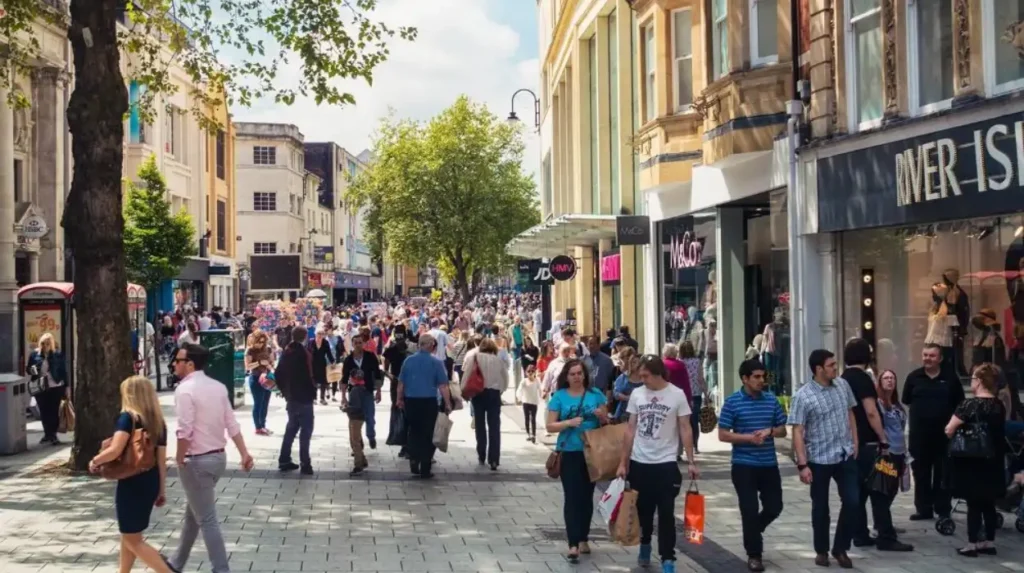
Queen Street is a major pedestrianised shopping street. It contains well-known national retailers and provides access to Queens Arcade and surrounding shopping developments.
The Hayes connects several important retail and cultural destinations. Its pedestrian-friendly environment makes it a convenient starting point for exploring the city centre.
St Mary Street is another important commercial route. It connects Cardiff’s central shopping environment with Cardiff Market, Royal Arcade and other historic shopping locations.
The city centre also benefits from its proximity to Cardiff Central railway station and Cardiff Queen Street railway station. These transport connections make the retail district accessible to visitors arriving from other parts of Wales and the United Kingdom.
What Makes the City Centre Convenient for Shoppers?
Cardiff city centre places several retail destinations within walking distance of each other. Visitors can combine shopping at St David’s with browsing independent shops in the arcades and purchasing local products at Cardiff Market.
This concentration reduces the need for additional transport between shopping destinations.
The pedestrianised sections of the city centre also support walking between different commercial streets. Visitors can explore retail businesses, cafés, restaurants and cultural attractions during one visit.
The city’s retail concentration makes the central area particularly suitable for visitors with limited time.
What Can Shoppers Find at St David’s Dewi Sant?
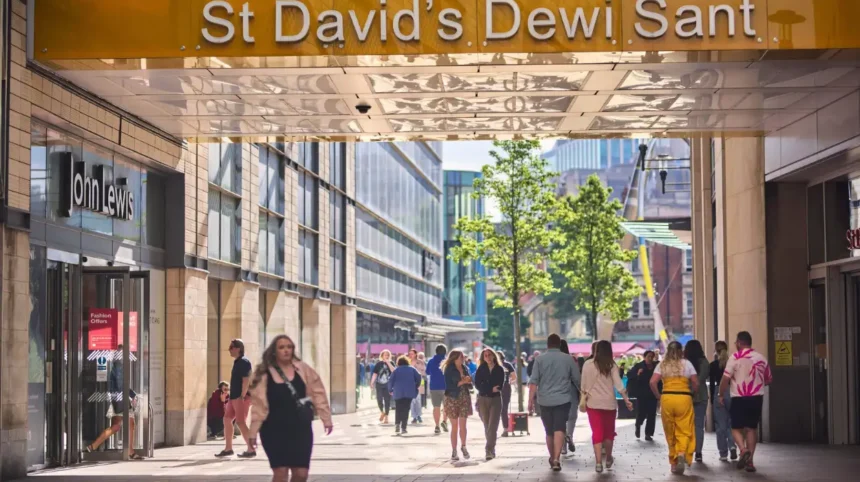
St David’s Dewi Sant is Cardiff’s flagship indoor shopping centre, offering more than 150 shops and eateries, including fashion retailers, beauty brands, lifestyle stores, department stores and food outlets in the city centre.
St David’s Dewi Sant is one of the most prominent shopping destinations in Wales. The centre provides an extensive range of retail and dining facilities under one roof.
Its retail mix includes fashion, footwear, beauty, technology, accessories and lifestyle products. Shoppers can find established international brands alongside major British retailers.
The shopping centre also contains restaurants, cafés and takeaway outlets. This makes it suitable for visitors planning an extended shopping trip.
St David’s is particularly useful for shoppers who prefer a modern indoor environment. Its enclosed design provides protection from rain and changing weather conditions, which is relevant to Cardiff’s climate.
The centre is located close to Queen Street, The Hayes and Cardiff Market. These connections allow visitors to combine modern retail shopping with the city’s historic shopping destinations.
Who Should Visit St David’s?
St David’s suits shoppers looking for recognised brands, fashion collections, beauty products and everyday retail services.
Families benefit from the concentration of different retailers and food outlets. Visitors looking for clothing, footwear and accessories can also complete several purchases without travelling between different neighbourhoods.
For tourists, St David’s provides an accessible introduction to Cardiff’s modern retail environment.
Where Are Cardiff’s Historic Shopping Arcades?
Cardiff’s historic shopping arcades are concentrated around St Mary Street, The Hayes, Castle Street and High Street. They contain independent boutiques, vintage retailers, specialist shops, cafés and historic architectural features.
Cardiff is widely recognised as the City of Arcades because of its collection of Victorian and Edwardian covered shopping passages. These arcades form an important part of the city’s architectural and commercial identity.
The arcades developed during a period when Cardiff experienced significant economic growth associated with coal exports, industrial development and expanding commercial activity.
Royal Arcade opened in 1858 and is recognised as Cardiff’s oldest shopping arcade. Other arcades followed, creating a connected network of covered retail passages.
Visit Cardiff identifies seven historic arcades and highlights their combined collection of more than 100 shops, cafés, bars and restaurants.
What Is the Morgan Quarter?
The Morgan Quarter is a historic shopping destination formed around Morgan Arcade and Royal Arcade.
Morgan Arcade contains independent fashion retailers, jewellery businesses, specialist shops and cafés. It also houses Spillers Records, which opened in 1894 and is recognised as the world’s oldest record shop.
Royal Arcade offers another independent shopping environment. Its businesses include vintage retailers, specialist food shops, cafés and gift stores.
The Morgan Quarter is particularly suitable for shoppers interested in distinctive products, independent businesses and Cardiff’s retail heritage.
What Is the Castle Quarter?
The Castle Quarter includes Castle Arcade, High Street Arcade and Duke Street Arcade. These historic shopping passages are situated near Cardiff Castle.
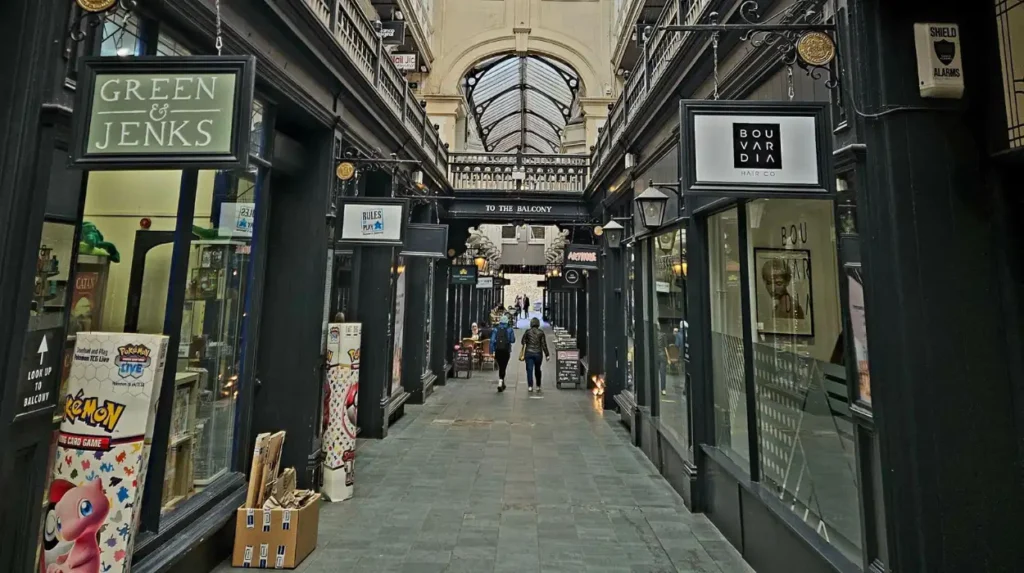
Castle Arcade is known for its decorative Victorian architecture, balconies and independent retail businesses. Its shops include specialist bookshops, music-related businesses and food outlets.
High Street Arcade contains independent fashion shops, vintage clothing retailers, coffee shops and specialist services.
Duke Street Arcade connects with High Street Arcade and offers additional independent businesses, cafés and food destinations.
These arcades are particularly relevant to visitors looking for independent shopping rather than conventional high-street chains.
What Can Visitors Find in Wyndham and Dominions Arcades?
Wyndham Arcade connects St Mary Street with Mill Lane and contains independent shops, specialist retailers and food businesses.
Dominions Arcade is situated near Queen Street. It is a later addition to Cardiff’s historic arcade collection, dating from 1921.
Together, these arcades demonstrate how Cardiff’s retail environment developed around covered pedestrian routes connecting important commercial streets.
What Can Visitors Buy at Cardiff Market?
Cardiff Market is a historic Victorian indoor market located between St Mary Street and Trinity Street. It provides fresh produce, traditional food, baked goods, household products, gifts, vintage items and independent retail services.
Cardiff Market is one of the city’s most distinctive shopping destinations.
Market trading in Cardiff dates back to the eighteenth century. The current Victorian market building opened in 1891 and remains an important part of the city’s commercial heritage.
Its glass roof and traditional internal structure distinguish it from modern shopping centres.
The market contains independent traders selling different types of products. These include fresh fruit and vegetables, meat, fish, baked goods, confectionery, prepared food, household products and specialist items.
Why Is Cardiff Market Important to Local Shopping?
Cardiff Market provides opportunities for small businesses and independent traders to sell directly to customers.
Its traditional retail model differs from large shopping centres because individual traders operate separate stalls and specialist businesses.
The market also supports Cardiff’s local food culture. Visitors can purchase ingredients, prepared meals and traditional Welsh products.
Its central location makes it easy to include in a wider shopping visit. Shoppers can access the market from surrounding streets and combine the visit with nearby arcades and major shopping centres.
The market is particularly suitable for visitors interested in traditional shopping environments and locally operated businesses.
What Is Shopping Like on Albany Road and Wellfield Road?
Albany Road and Wellfield Road are important neighbourhood shopping destinations in Roath, Cardiff. They offer independent retailers, convenience shops, cafés, food businesses, fashion outlets and everyday services for local residents and visitors.
Albany Road and Wellfield Road form an important retail district in eastern Cardiff.
Unlike the large shopping developments in the city centre, these streets have a neighbourhood-focused retail environment. Their businesses serve residents, students, families and people living in nearby communities.
Albany Road contains a mixture of convenience retailers, independent shops, food businesses and everyday services. Its commercial character reflects the residential communities surrounding Roath.
Wellfield Road offers another concentration of independent retailers, cafés, restaurants and specialist businesses. Its shopping environment attracts people interested in browsing smaller shops and supporting local traders.
What Makes Roath a Popular Shopping Location?
Roath is a residential area with a diverse population and established commercial streets. Its proximity to Cardiff city centre makes it accessible to people travelling between the central shopping district and eastern neighbourhoods.
The area is particularly useful for everyday shopping. Residents can purchase groceries, access personal services, visit cafés and find independent businesses without travelling into the main retail centre.
Albany Road and Wellfield Road are also identified as a district centre in Cardiff Council’s retail planning framework.
For visitors, these streets provide a different perspective on Cardiff’s commercial identity. They demonstrate how neighbourhood businesses contribute to the wider retail economy.
What Shopping Opportunities Are Available on Cowbridge Road East?
Cowbridge Road East is a major district shopping destination in western Cardiff, providing independent retailers, supermarkets, convenience shops, cafés, restaurants, specialist food businesses and everyday services for surrounding residential communities.
Cowbridge Road East is one of Cardiff’s established suburban commercial streets. It runs through communities in western Cardiff and provides a broad range of shopping and service facilities.
The area is particularly associated with independent businesses and everyday retail. Its commercial mix includes food shops, grocery retailers, clothing businesses, household services and restaurants.
The surrounding Canton and Riverside communities contribute to its customer base.
What Types of Shops Are Found on Cowbridge Road East?
Cowbridge Road East supports different shopping requirements, including:
- Grocery shopping, including convenience stores and food retailers.
- Fashion shopping, including independent clothing and accessories businesses.
- Specialist food shopping, including international ingredients and traditional products.
- Personal services, including hairdressers and beauty businesses.
- Food and dining, including cafés, bakeries and restaurants.
These businesses make the street an important destination for routine purchases and local services.
How Does Cowbridge Road East Compare with Cardiff City Centre?
Cowbridge Road East provides a more neighbourhood-focused shopping experience than the central retail district.
The city centre concentrates major shopping centres and national chains. Cowbridge Road East has a stronger connection with everyday residential needs and independent local businesses.
It is therefore useful for shoppers who want to explore western Cardiff beyond the main tourist and commercial attractions.
What Can Shoppers Find on City Road in Cardiff?
City Road is a diverse commercial street in eastern Cardiff, known for international food businesses, restaurants, convenience retailers, specialist shops and services serving the surrounding residential and student communities.
City Road is an established shopping and commercial destination connecting different parts of eastern Cardiff.
Its retail environment reflects the city’s multicultural communities. The street contains food businesses representing different international cuisines, alongside convenience retailers, specialist shops and everyday services.
City Road is particularly relevant to shoppers looking for international groceries and ingredients. Its restaurants and food businesses also contribute to its commercial identity.
Why Is City Road Important for International Shopping?
Cardiff has a diverse population, including international students and residents from different cultural backgrounds. Commercial streets such as City Road support this diversity through specialist food retail and international dining.
Customers can explore products and ingredients associated with different cuisines. This makes the street useful for people looking for alternatives to conventional supermarket shopping.
City Road is also a district centre within Cardiff Council’s retail planning framework.
Its combination of shopping, food and services gives it a distinct role within Cardiff’s wider retail network.
Where Can Visitors Shop in Cardiff Bay?
Cardiff Bay offers a waterfront shopping and leisure environment centred around Mermaid Quay. Visitors can explore independent shops, gift retailers, food outlets, cafés and restaurants alongside the area’s cultural and waterfront attractions.
Cardiff Bay is a major waterfront destination in southern Cardiff.
Its modern development transformed a historic docklands area into a mixed-use district containing residential developments, cultural attractions, leisure facilities and commercial businesses.
The most recognisable shopping and leisure destination is Mermaid Quay.
Mermaid Quay combines waterfront restaurants, cafés, independent retail businesses and leisure facilities. Its pedestrian areas provide views across Cardiff Bay and create a different shopping environment from the traditional city centre.
What Is Available at Mermaid Quay?
Mermaid Quay is particularly associated with food, leisure and independent shopping.
Visitors can find gift shops, fashion and lifestyle products, cafés and restaurants. The waterfront setting also makes it suitable for combining shopping with sightseeing and dining.
Nearby attractions include:
- Wales Millennium Centre, a major performing arts and cultural venue.
- The Senedd, the home of the Welsh Parliament.
- Pierhead Building, a historic docklands landmark.
- Norwegian Church, a historic waterfront building.
These attractions create opportunities to combine retail visits with cultural activities.
How Is Cardiff Bay Different from the City Centre?
Cardiff Bay focuses more strongly on waterfront leisure, hospitality and independent retail than large-scale fashion shopping.
The city centre provides a broader concentration of national retailers, major shopping developments and traditional markets.
Cardiff Bay is therefore suitable for visitors who want to combine a smaller shopping trip with restaurants, cultural attractions and waterfront walks.
Which Other Shopping Streets and District Centres Are Important in Cardiff?
Cardiff has several additional district shopping areas, including Clifton Street, Crwys Road, Whitchurch Road, Merthyr Road, Bute Street and Penarth Road, which provide neighbourhood retail, food businesses and everyday commercial services.
Cardiff’s retail network extends beyond its best-known shopping destinations. Several district centres provide services for residents across the city’s suburbs.
These locations are important because they distribute shopping facilities across different communities rather than concentrating all commercial activity in the city centre.
Clifton Street
Clifton Street is an established commercial street serving eastern Cardiff.
Its businesses include convenience retailers, food outlets, independent shops and local services. Its location makes it relevant to surrounding residential communities.
Crwys Road and Woodville Road
Crwys Road and Woodville Road form another important neighbourhood commercial area.
The streets serve nearby residential and student communities. Their businesses include convenience shopping, food outlets and independent services.
Whitchurch Road
Whitchurch Road provides retail and food services in northern Cardiff.
Its commercial environment includes independent food businesses, cafés, convenience shops and local services.
Merthyr Road
Merthyr Road serves Whitchurch and surrounding northern neighbourhoods.
It provides access to everyday shopping and services without requiring residents to travel into central Cardiff.
Bute Street and James Street
Bute Street and James Street serve the Butetown and southern Cardiff communities.
Their commercial identity reflects the area’s maritime history and multicultural population. They provide access to independent food businesses, convenience retailers and local services.
Penarth Road and Clare Road
These streets provide shopping and commercial services in southern Cardiff. Their retail facilities serve nearby residential areas and include everyday shopping and specialist local businesses.
Cardiff Council identifies these locations as part of its district-centre retail hierarchy.
Which Shopping Areas in Cardiff Are Best for Different Needs?
The best Cardiff shopping area depends on the products shoppers need. St David’s suits major brands, the arcades suit independent shopping, Cardiff Market suits traditional products, and neighbourhood districts suit everyday purchases.
Different shopping districts serve different customer requirements. Understanding their retail focus helps residents and visitors select suitable destinations.
Which Areas Are Best for Independent Shopping?
The Morgan Quarter, Castle Quarter, Albany Road and Wellfield Road are useful destinations for shoppers interested in independent retailers.
These locations contain businesses that operate outside the large national shopping centre environment. Their products include specialist fashion, jewellery, books, gifts, food and locally supplied products.
Which Areas Are Best for Families?
St David’s Dewi Sant is suitable for families because it brings together fashion retailers, lifestyle stores, food outlets and other shopping facilities.
Cardiff Market also provides an accessible central shopping destination for families interested in traditional products and food.
Cardiff Bay offers another option for combining shopping with restaurants and nearby attractions.
Which Areas Are Best for Budget Shopping?
Cardiff Market and neighbourhood shopping streets provide alternatives to premium shopping destinations.
Independent retailers and market traders offer different products and price points. Comparing individual businesses is important because prices vary according to product quality, brand and retailer.
Where Are Cardiff’s Shopping Areas Located?
Cardiff’s shopping areas are distributed between the central commercial district, eastern residential neighbourhoods, western district centres, northern suburban centres and the southern waterfront at Cardiff Bay.
The central shopping district is concentrated around Queen Street, St Mary Street, The Hayes and the surrounding arcades.
St David’s Dewi Sant, Cardiff Market and the historic arcades are within the main city-centre shopping network.
Eastern Cardiff contains Albany Road, Wellfield Road and City Road. These streets serve Roath and neighbouring communities.
Western Cardiff contains Cowbridge Road East, which serves Canton and surrounding neighbourhoods.
Northern Cardiff includes commercial centres such as Whitchurch and Merthyr Road.
Cardiff Bay is situated south of the main city centre and provides a separate waterfront retail and leisure environment.
This geographical distribution gives shoppers access to both central retail facilities and neighbourhood commercial services.
How Can Visitors Travel Between Cardiff’s Shopping Areas?
Visitors can reach Cardiff’s shopping areas through the city’s railway stations, local bus network, walking routes and road connections. Central shopping destinations are particularly accessible on foot, while suburban districts benefit from local transport services.
Cardiff has established public transport connections that support shopping trips across the city.
Walking Around Cardiff City Centre
Walking is one of the most convenient ways to explore central Cardiff.
Queen Street, St Mary Street, The Hayes, Cardiff Market and the historic arcades are situated close to each other.
Visitors can explore several central shopping destinations without using additional transport.
Travelling by Train
Cardiff Central and Cardiff Queen Street are the two important railway stations for accessing the city centre.
Cardiff Central connects the capital with destinations across Wales and other parts of the United Kingdom.
Cardiff Queen Street provides access to local railway routes serving different parts of the city and surrounding communities.
Cardiff Bay also has its own railway station, making rail travel useful for visitors exploring Mermaid Quay and the waterfront.
Travelling by Bus
Cardiff Bus operates local services connecting the city centre with residential and commercial districts.
Bus journeys provide access to neighbourhood shopping streets such as Albany Road, City Road, Cowbridge Road East and Whitchurch Road.
Visitors should check current routes, timetables and service information before travelling because public transport schedules change.
Travelling by Car
Drivers can access Cardiff’s shopping districts through the city’s main road network.
Central Cardiff has parking facilities, although traffic and parking availability vary throughout the day.
Retail parks and suburban shopping destinations generally provide a different parking experience from pedestrianised central shopping streets.
What Should Shoppers Know Before Visiting Cardiff’s Shopping Districts?
Planning a Cardiff shopping trip requires checking individual store opening times, transport connections, parking arrangements and the type of retail businesses available because shopping facilities and operating hours differ between districts.
A little preparation helps visitors make better use of their shopping time.
Check Individual Store Opening Times
Shopping centres, traditional markets and independent retailers do not necessarily follow identical opening schedules.
Some independent shops operate shorter hours than major shopping centres. Sunday trading hours also differ between businesses.
Visitors should check individual retailer websites before travelling.
Consider Seasonal Shopping Events
Cardiff hosts seasonal retail events that add to the city’s shopping offer.
The Cardiff Christmas Market is a prominent example. It brings temporary stalls selling Welsh crafts, gifts, artwork, food and seasonal products into the city centre.
These events provide additional opportunities to explore independent traders and locally produced goods.
Support Independent Cardiff Businesses
Independent retailers contribute to Cardiff’s commercial character. Businesses in the Victorian arcades and neighbourhood shopping streets offer specialist products and services that differ from large retail chains.
Shopping at these businesses also supports the city’s small-business economy and preserves its distinctive commercial heritage.
Explore More Area Guide
Best Markets in Cardiff: Farmers’, Food and Vintage Markets
Best Independent Shops in Cardiff: Arcades, Vintage & Welsh Gifts
How Is Cardiff’s Shopping Landscape Changing?
Cardiff’s shopping landscape continues to combine traditional retail, independent businesses, major shopping centres and mixed-use developments. Its future depends on changing consumer behaviour, commercial investment, neighbourhood regeneration and the continued importance of accessible retail centres.
Cardiff’s retail sector reflects wider changes in the British shopping industry.
Online shopping has changed how consumers purchase clothing, electronics, groceries and household products. Physical retail destinations increasingly combine shopping with food, entertainment and social activities.
Cardiff’s historic arcades remain important because they offer specialist retail environments and architectural heritage. Their independent businesses provide a different experience from conventional shopping centres.
St David’s Dewi Sant demonstrates the importance of large indoor retail developments. Its combination of established brands, food outlets and lifestyle businesses supports a broad shopping audience.
Neighbourhood centres also remain important. Albany Road, Wellfield Road, Cowbridge Road East and City Road provide everyday shopping facilities close to residential communities.
Cardiff Council’s retail planning framework recognises the importance of maintaining a hierarchy of central, district and local shopping centres. This approach supports the distribution of commercial facilities across the city.
Future retail development will continue to involve balancing large shopping destinations with independent businesses and local commercial centres.
For residents, this means access to different types of shopping facilities across Cardiff. For visitors, it creates opportunities to explore both the modern city centre and the traditional neighbourhood shopping environment.
Which Cardiff Shopping Area Should You Visit?
Cardiff offers a diverse shopping landscape that combines modern retail developments, historic arcades, traditional markets, independent shopping streets and waterfront destinations.
St David’s Dewi Sant and Queen Street provide access to major retailers and high-street brands. The Morgan Quarter and Castle Quarter offer independent shopping within historic Victorian and Edwardian architecture. Cardiff Market provides traditional products and fresh food, while Albany Road, Wellfield Road, Cowbridge Road East and City Road serve neighbourhood shopping requirements.
Cardiff Bay adds another dimension through Mermaid Quay’s waterfront retail and leisure facilities.
Understanding these shopping areas makes it easier to explore Cardiff according to individual interests, shopping requirements and travel plans. Together, these destinations establish Cardiff as an important retail centre in Wales.
What are the best shopping areas in Cardiff?
The best shopping areas in Cardiff include St David’s Dewi Sant, Queen Street, the Victorian arcades, Cardiff Market, Albany Road, Wellfield Road and Cardiff Bay.