

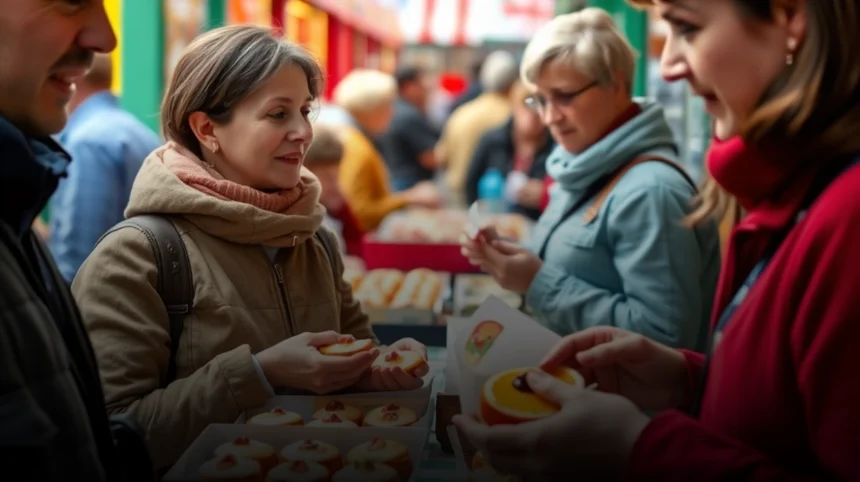
Cardiff Market is one of the city centre’s most useful places to eat, combining Welsh specialities, international street food, fresh produce and long-established independent traders beneath a Victorian glass roof. This guide explains what to eat, how the market is arranged and how to plan a satisfying visit.
- What makes Cardiff Market a good place to eat?
- What is the history of Cardiff Market?
- Which foods should you try in Cardiff Market?
- Welsh cakes
- Pizza and baked dishes
- International street food
- Sandwiches, deli food and light lunches
- Fresh seafood and market ingredients
- Where are the main food areas in Cardiff Market?
- How can you plan a food visit to Cardiff Market?
- What dietary needs can Cardiff Market accommodate?
- How does Cardiff Market compare with other places to eat in Cardiff?
- What should first-time visitors know before eating at Cardiff Market?
- What is the best way to explore Cardiff Market as a food visitor?
What makes Cardiff Market a good place to eat?
Cardiff Market brings together traditional Welsh food, international dishes, fresh ingredients and independent cafés in a historic city-centre setting. Its compact layout makes it easy to compare flavours, choose a quick lunch or shop for ingredients to enjoy elsewhere.
Also known as Cardiff Central Market, the market occupies a prominent site in the centre of Cardiff, with entrances from St Mary Street, Trinity Street and an alleyway near Church Street. Its location places it close to Cardiff Castle, the arcades, St John the Baptist Church and the main shopping streets.
The market is particularly useful for visitors who want to sample several types of food without travelling between different neighbourhoods. Depending on the trader and time of day, options include pizza, tacos, Asian dishes, Mediterranean food, sandwiches, Welsh cakes, seafood, meat, fruit and vegetables.
For locals, the market remains more than a lunch destination. Traditional stalls continue to sell ingredients and specialist products, while newer food businesses add cooked meals and contemporary street-food options. This mixture gives Cardiff Market its distinctive character.
What is the history of Cardiff Market?
Cardiff Market has traded in some form since the eighteenth century, although evidence suggests regular market activity on the site much earlier. The present Grade II* listed Victorian indoor market opened on 8 May 1891 and continues to serve the city.
Historical records associate the site with Cardiff’s development as a commercial town. Visit Wales notes evidence of a regular weekly market in the area from the fourteenth century, while a booth hall was recorded in 1331. Earlier market facilities included trading in corn, cloth, poultry and butter.
The late nineteenth-century market created a permanent covered space for traders and shoppers. Its Victorian structure, large glazed roof and two-level arrangement remain important parts of the visitor experience. The building is therefore both a food destination and a significant piece of Cardiff’s built heritage.
Cardiff Market has changed as shopping habits and the city’s population have changed. Livestock and farm produce once played a greater role, whereas modern visitors encounter prepared meals alongside butchers, fishmongers, bakers, delicatessens and other independent businesses.
Which foods should you try in Cardiff Market?
The best food in Cardiff Market depends on whether you want a Welsh snack, a substantial lunch, fresh seafood, artisan pizza or international street food. A balanced visit can include a warm Welsh cake, a savoury main course and a locally sourced ingredient.
Welsh cakes
Welsh cakes are one of the most recognisable foods associated with Cardiff and South Wales. These small griddle-baked cakes are usually made with flour, butter, sugar and dried fruit, then cooked on a hot baking stone or griddle. They are commonly served warm and may be dusted with sugar.
They are a practical choice for visitors because they are portable, inexpensive compared with a full meal and strongly connected with Welsh food culture. Look for freshly cooked cakes rather than treating them only as a packaged souvenir.
Pizza and baked dishes
Ffwrnes Pizza is a notable market food business associated with Neapolitan-style pizza. Pizza is a useful choice for visitors who want a filling meal prepared to order, although availability, menus and service times can vary between traders.
Other baked and savoury options may include filled pastries, pies or bread-based meals. These foods work well for a quick lunch because they are generally easy to eat while exploring the city centre.
International street food
Cardiff Market’s food offer extends well beyond Welsh cooking. Trader listings have included tacos, Thai and other Asian dishes, Mediterranean food and varied street-food menus. This makes the market suitable for groups with different preferences.
International food stalls are often the best option when diners want a hot, freshly prepared meal with bold seasoning. Menus can change, so check the individual counter for ingredients, portion options and allergen information before ordering.
Sandwiches, deli food and light lunches
The Market Deli is one of the market’s longstanding food businesses and has traded from the same stall since 1928, according to Cardiff Council Property. Deli food is suited to shoppers who prefer sandwiches, cold meats, cheeses or other lighter meals.
A deli visit can also be useful for preparing a picnic or buying food for later. Compare products carefully if you have dietary requirements, as recipes and stock vary by item.
Fresh seafood and market ingredients
Ashton’s is a long-established fishmonger at the Trinity Street entrance, with a trading history in the market dating to 1866. It is primarily an ingredient shop rather than a takeaway counter, making it relevant to visitors staying in self-catering accommodation and local cooks.
Fresh seafood, meat, fruit, vegetables and other ingredients show the market’s traditional role. They also distinguish Cardiff Market from a food hall that sells only ready-to-eat dishes.
Where are the main food areas in Cardiff Market?
Food traders are distributed across the market’s ground and upper levels rather than concentrated in one single dining hall. Visitors should explore both floors, compare counters and check each trader’s current position before deciding where to eat.
The market is spread over two floors inside the Victorian building. The lower level is convenient for quick purchases and includes a mixture of prepared-food traders and traditional market businesses. The upper level contains additional food options and other independent stalls.
Cardiff Council Property maintains a trader directory that identifies businesses and their locations. Because independent traders can change, an online directory or notice at the market is more reliable than relying on an old food guide.
There may not be a single uniform seating arrangement for every trader. Some food businesses provide places to eat nearby, while others are designed mainly for takeaway. If you are visiting with a group, choose food first and then look for an appropriate shared place to sit.
How can you plan a food visit to Cardiff Market?
Plan your visit around the market’s daytime trading pattern, arrive with enough time to explore both floors and decide whether you want a snack, a full meal or ingredients. Check current trader details because menus, opening days and availability can change.
Cardiff Council Property lists regular Monday-to-Saturday opening hours of 8.00 am to 5.00 pm, but individual traders may operate different schedules. Some food stalls may open later, close earlier or trade only on selected days.
For breakfast or an early snack, prioritise traders that serve prepared food in the morning. Lunchtime is likely to provide the broadest choice of cooked meals, but it can also be the busiest period. Arriving earlier helps visitors browse with less pressure.
Allow time to walk through the whole market before ordering. This is especially helpful when visiting with children or people who have different dietary preferences. A short survey of the stalls can prevent one person choosing before everyone has seen the available options.
Cardiff Market is indoors, making it a practical food stop in wet weather. It is in the city centre and can be combined with Cardiff Castle, the Victorian and Edwardian arcades, St John’s Church and nearby shopping streets.
What dietary needs can Cardiff Market accommodate?
Cardiff Market offers varied food choices, but dietary suitability must be confirmed with each trader. Ask about allergens, preparation methods, vegetarian or vegan ingredients and cross-contamination before ordering, particularly when requirements are medically necessary.
International street food, salads, deli dishes, vegetable-based meals and some baked goods may provide options for vegetarian visitors. Vegan choices depend on the individual menu and may require substitutions or a separate preparation process.
People avoiding gluten, nuts, dairy, seafood or other allergens should speak directly with staff. Shared cooking surfaces, fryers and preparation areas can create a risk of cross-contact even when a dish does not visibly contain a particular ingredient.
Menus and recipes can change, so information from an older review should not be treated as a guarantee. Ask for the current allergen information before paying and explain the seriousness of any allergy clearly.
How does Cardiff Market compare with other places to eat in Cardiff?
Cardiff Market is best for variety, independent traders, traditional produce and a central daytime stop. Cardiff’s restaurants and food halls may offer longer evening service or more formal seating, while the market provides a quicker and more exploratory experience.
The market suits visitors who want to taste local food and international dishes in one historic location. It is also convenient for a flexible itinerary because a meal can be combined with shopping, sightseeing and a walk through the city’s arcades.
Restaurants elsewhere in Cardiff may be more suitable for a booked dinner, table service, specialist cuisine or a longer evening meal. The market is primarily a daytime destination and should not automatically be treated as a late-night dining venue.
For food-focused visitors, the strongest approach is to use Cardiff Market as one part of a wider city-centre itinerary. Buy a Welsh snack or lunch at the market, then explore nearby heritage buildings and independent shopping areas.
What should first-time visitors know before eating at Cardiff Market?
First-time visitors should explore both floors, check current opening information, bring a flexible plan and ask traders about ingredients. The market is a working retail space, so queues, seating, menus and availability may differ from one business to another.
Bring a reusable bag if you intend to buy produce, deli items or packaged food. A small purchase from a traditional trader can complement a cooked meal and gives visitors a better sense of the market’s role in everyday Cardiff life.
Use the entrances on St Mary Street or Trinity Street to find the market easily from the central shopping area. Church Street also provides access through an alleyway. Nearby landmarks make the building straightforward to include in a walking route.
Check prices before ordering, particularly when buying food sold by weight or premium ingredients. Ask whether a dish is intended for immediate consumption or takeaway, and make sure hot food is handled safely during transport.
The best food in Cardiff Market is not one single dish. It is the combination of Welsh specialities, fresh market produce, established family businesses and newer international traders within a historically important building.
What is the best way to explore Cardiff Market as a food visitor?
The most effective approach is to make one complete circuit, note the food that interests you, then return to the stall that best matches your appetite and dietary needs. Finish with a portable Welsh treat or a market ingredient for later.
Start by identifying whether you want breakfast, lunch, a snack or shopping ingredients. This prevents a sweet treat from replacing a planned meal and helps you compare portion sizes and prices sensibly.
Next, walk through both levels and look for the contrast between established traders and newer food businesses. Traditional stalls explain the market’s long retail history, while prepared-food counters demonstrate how the building continues to adapt.
Finally, consider the rest of your Cardiff itinerary. The market’s central location means it can work before Cardiff Castle, between shopping stops or as a convenient lunch destination during a city-centre walking tour.
Is Cardiff Market good for a quick lunch?
Yes. Its central location and range of prepared-food traders make it suitable for a quick daytime meal. Allow extra time at busy periods, and check whether your chosen trader offers seating or takeaway only.
What traditional Welsh food can you buy at Cardiff Market?
Welsh cakes are the most obvious traditional snack to look for, particularly when freshly cooked. The market also includes businesses selling Welsh ingredients, deli products, meat, seafood and other foods connected with local shopping traditions.
Is Cardiff Market suitable for families?
Yes, provided children can manage a busy indoor market environment. The variety of food helps different family members choose separate meals, although seating and queue space may be limited at peak times.
Can you buy ingredients instead of a cooked meal?
Yes. Cardiff Market includes traditional food retailers such as fishmongers, delis and other produce traders. It can be useful for buying seafood, deli items, fresh produce and food to prepare in self-catering accommodation.
Are Cardiff Market opening hours the same for every trader?
No. The market has general daytime opening hours, but individual businesses can have different schedules, menus and trading days. Check the current market and trader information before making a special journey.