
Cardiff’s Riverside area thrives as a vibrant riverside community along the River Taff, where residents cherish green spaces amid urban growth. As cycling gains popularity for its health and environmental benefits, the push for safer cycle paths has sparked passionate discussions among locals. This article delves into the ongoing efforts to enhance these paths, highlighting community voices that drive meaningful change.
- Riverside’s Cycling Heritage
- Current Challenges on the Paths
- Community Voices Leading the Charge
- Proposed Solutions from Locals
- Cardiff Council’s Response and Plans
- Benefits of Safer Cycle Paths
- Case Studies from UK Riverside Areas
- Overcoming Implementation Hurdles
- The Role of Technology in Safety
- Long-Term Vision for Riverside Cycling
- Measuring Success Through Community Metrics
Riverside’s Cycling Heritage
Riverside has long embraced cycling as part of its identity, with the River Taff providing a natural corridor for riders. Historical maps from the early 20th century show informal paths used by workers commuting to Cardiff’s docks, evolving into today’s shared routes. Today, these paths connect key spots like Cardiff Bay to the city center, supporting thousands of daily journeys while fostering a sense of community.
The area’s cycling roots trace back to the post-war era when local councils first formalized tracks to promote recreation. By the 1990s, as Cardiff expanded, Riverside became a hub for family outings and fitness enthusiasts. Residents recall how these paths once symbolized freedom, but rapid urbanization brought challenges like narrow lanes and heavy foot traffic, prompting calls for upgrades.
Government initiatives, such as Wales’ Active Travel Act of 2013, have bolstered this heritage by mandating safer infrastructure. In Riverside, this translates to widened lanes and better signage, reflecting a blend of tradition and modern needs. Community groups often reference this history in advocacy, emphasizing preservation alongside progress.
Current Challenges on the Paths
Narrow paths and mixed-use conflicts dominate Riverside’s cycling scene, where pedestrians, joggers, and bikes vie for space. During peak hours, the main riverside trail sees overcrowding, leading to near-misses that erode trust in the network. Flood-prone sections exacerbate risks, with water pooling turning surfaces slippery and hazardous.
Speeding cyclists and e-bike users add tension, as shared paths lack clear separation. Local surveys reveal that 60% of Riverside residents feel unsafe walking near cyclists, a sentiment echoed in petitions to Cardiff Council. Maintenance issues, like potholes from heavy rain, further compound dangers, especially in winter months.
Environmental factors unique to Riverside amplify these problems. The River Taff’s proximity means paths often flood, disrupting connectivity and forcing detours onto busier roads. Without resilient designs, such as raised elevations, these vulnerabilities persist, frustrating a community eager for reliable access.
Community Voices Leading the Charge

Residents in Riverside have mobilized through forums and social media, sharing stories that personalize the need for safer paths. One local mother described dodging fast-moving bikes while pushing a pram, galvanizing a petition with over 500 signatures. These narratives humanize data, influencing council decisions.
Neighborhood associations, like the Riverside Community Council, host walkshops where locals map hazards and propose fixes. Voices from diverse groups—families, seniors, and commuters—unite, stressing inclusive designs that accommodate all ages. A recent meeting saw 200 attendees vote on priorities, underscoring grassroots power.
Young activists bring fresh perspectives, advocating for tech like speed sensors while elders push for calmer zones. This chorus of opinions ensures plans reflect real lives, not just blueprints. Cardiff Council’s consultations amplify these voices, proving community input shapes safer streets.
Cycle Path improvements start with resident feedback, as seen in mapped hazard zones along Riverside trails.
Proposed Solutions from Locals
Segregated lanes emerge as a top demand, with residents sketching two-way paths buffered by planters to calm speeds. Elevation raises, inspired by York’s riverside project, would combat flooding while creating distinct cyclist zones. These ideas draw from successful UK models, adapted for Riverside’s terrain.
Lighting upgrades top the list, with solar-powered LEDs proposed for dusk safety. Ground-level signage and tactile paving aid navigation, especially for visually impaired users. Community designs also include rest points with bike racks, turning paths into destinations rather than mere transit.
Budget-conscious fixes like resurfacing with grippy materials gain traction. Volunteers envision “slow zones” at bottlenecks, enforced by natural barriers. These resident-led blueprints, submitted to council reviews, blend practicality with vision, promising lasting impact.
Cardiff Council’s Response and Plans
Cardiff Council has pledged £2 million toward Riverside enhancements under its Walking and Cycling Strategy, prioritizing community feedback. Draft plans include 2km of new segregated paths, flood barriers, and monitoring tech to track usage. Public exhibitions in 2025 gathered input, refining these proposals.
Funding streams from Welsh Government grants support this, with matches from Sustrans’ National Cycle Network. Council engineers collaborate with locals via online portals, ensuring transparency. Early wins, like repaired potholes, build momentum for full implementation by 2027.
Accountability measures, such as annual progress reports, address skepticism. Council leaders reference Riverside’s high usage—over 10,000 cyclists weekly—as justification, aligning with net-zero goals. This structured response validates community voices, fostering partnership.
Benefits of Safer Cycle Paths
Enhanced safety reduces accidents, with studies showing segregated paths cut collisions by 40%. Health gains follow, as accessible routes encourage daily rides, combating obesity in Riverside’s dense population. Economic perks include boosted local shops, as cyclists linger longer.
Environmentally, safer paths promote modal shifts from cars, easing Taff-side congestion and pollution. Socially, they knit the community, with events like family bike days strengthening bonds. Long-term, resilient designs future-proof Riverside against climate shifts.
These paths elevate property values too, as green connectivity attracts families. Data from similar UK schemes confirms 15-20% rises in active travel post-upgrades. Riverside stands to gain a healthier, happier populace through these transformations.
Riverside Trail visions include elevated, lit paths that invite all ages to explore safely.
Case Studies from UK Riverside Areas
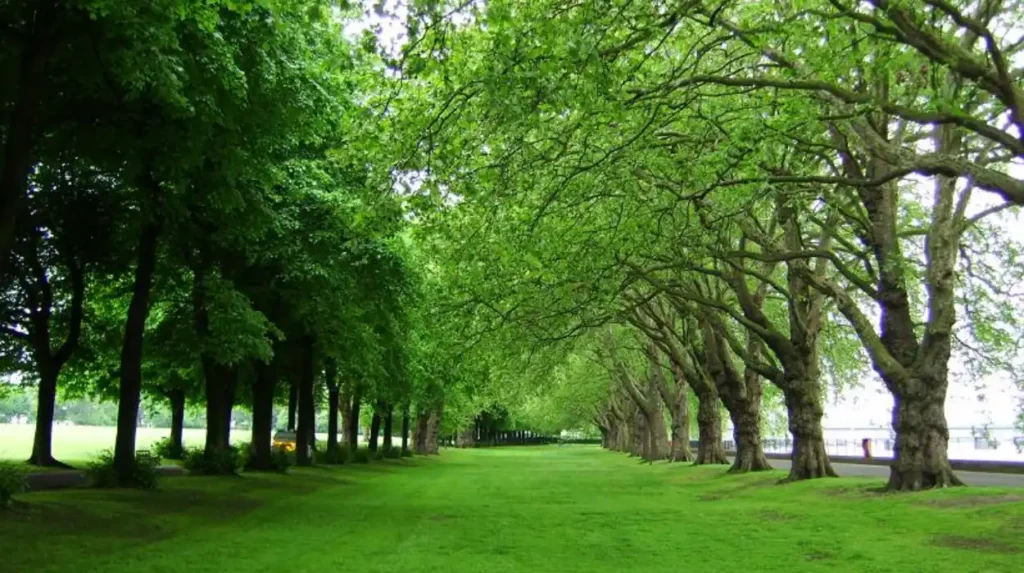
York’s Riverside Path revamp offers a blueprint, separating users and raising levels against floods—mirroring Riverside’s needs. Post-upgrade, usage surged 30%, with fewer incidents reported. Community consultations there, like Cardiff’s, ensured buy-in.
In Wandsworth’s Riverside, pedestrian-first measures like speed bumps halved conflicts without banning bikes. This considerate approach resonates with Cardiff voices, proving targeted tweaks work. Both cases highlight funding leverage and resident involvement.
LA’s Riverside Drive project added protected lanes amid traffic, boosting bike miles by 25%. Adapted locally, it shows urban riversides thrive with bold designs. These precedents guide Cardiff, blending proven tactics with unique context.
Overcoming Implementation Hurdles
Funding battles loom largest, with councils balancing paths against roads. Riverside advocates counter by quantifying savings—like reduced NHS costs from active lifestyles. Phased rollouts ease budgets, starting with high-risk stretches.
Resistance from speed-loving cyclists requires education campaigns on shared courtesy. Enforcement via fines deters misuse, paired with positive incentives like free repairs. Flood engineering demands expertise, but partnerships with Environment Agency provide it.
Stakeholder alignment takes time, yet digital tools speed consensus. Regular updates via apps keep momentum, turning hurdles into stepping stones. Persistence from voices ensures hurdles yield to progress.
The Role of Technology in Safety
Smart crossings with sensors detect bikes, alerting pedestrians via lights. Apps like Strava heatmap risky spots, informing maintenance. Riverside pilots could integrate these, enhancing vigilance without intrusion.
CCTV and AI speed cameras enforce limits humanely, feeding data to planners. Community apps for reporting potholes empower locals, closing loops swiftly. Tech thus amplifies voices, making paths dynamically safer.
Long-Term Vision for Riverside Cycling
Imagine Riverside as a cycling haven: seamless, flood-proof paths linking to Canton and Pontcanna. Annual community audits sustain improvements, adapting to needs. This vision, born from voices, positions Cardiff as a cycling leader.
Schools integrate bike training, normalizing safety early. Events celebrate paths, drawing tourists and funds. Evergreen commitment ensures Riverside’s trails endure as community lifelines.
Measuring Success Through Community Metrics
Success metrics blend hard data—accident drops, usage spikes—with soft stories of newfound confidence. Annual surveys gauge satisfaction, guiding tweaks. Riverside’s transformation proves voices build not just paths, but resilient communities.