Located in the south of Cardiff, Butetown is one of Wales’s most historic and culturally rich neighbourhoods. Once known as Tiger Bay — a bustling docklands community brimming with ethnic diversity Butetown has, over the past four decades, undergone one of the most significant urban transformations in the UK. Its regeneration journey highlights the challenges and opportunities of urban renewal, blending heritage with modern development and aiming to uplift local communities.
- 1. The Historic Heart of Cardiff: Butetown and Tiger Bay
- 2. The Need for Regeneration: Challenges and Aspirations
- 3. Cardiff Bay Regeneration: A Broader Context
- 4. Community-Centred Regeneration Initiatives
- 4.1 Loudoun Square Redevelopment
- 4.2 Christina Street, Louisa Place, and Other Public Realm Improvements
- 4.3 Butetown Youth Hub (Pavilion)
- 5. Housing and Independent Living: New Developments
- 6. Major Urban Regeneration: Atlantic Wharf and Beyond
- 7. Connectivity and Infrastructure
- 8. Social Impact: Community Voices and Challenges
- Lessons from Butetown Regeneration for Other Urban Communities
- Butetown’s Ongoing Evolution
In this blog post, we’ll explore how Butetown has evolved through strategic regeneration efforts, from community-focused redevelopment to major infrastructure projects, and what this means for Cardiff’s social fabric and future growth.
1. The Historic Heart of Cardiff: Butetown and Tiger Bay
Butetown’s roots trace back to the late 18th and early 19th centuries, when the Marquesses of Bute developed Cardiff’s docks — including the West Bute and East Bute docks — transforming Cardiff into a global coal export hub.
This maritime boom brought sailors and workers from around the world. By the early 20th century, Butetown — and particularly Tiger Bay — had become one of the UK’s earliest and most vibrant multicultural communities, with residents from over 50 nationalities contributing to the area’s rich cultural tapestry.
However, following the decline of coal exports and the closure of docks in the 1960s, Butetown faced severe economic downturn, unemployment, and dilapidated housing. Large sections of historic housing, including the original Loudoun Square, were demolished and replaced with modernist high-rise blocks — changes that undermined the area’s architectural heritage and community cohesion.
2. The Need for Regeneration: Challenges and Aspirations
By the late 20th century, it became clear that Butetown needed focused regeneration. The area suffered from economic deprivation, ageing infrastructure, and a growing divide between its diverse population and the rapidly modernising Cardiff Bay to the south.
Residents and planners alike recognised that any regeneration effort would need to balance economic renewal with community preservation, ensuring long-term benefits for locals rather than simply creating luxury developments disconnected from lived experience.
3. Cardiff Bay Regeneration: A Broader Context
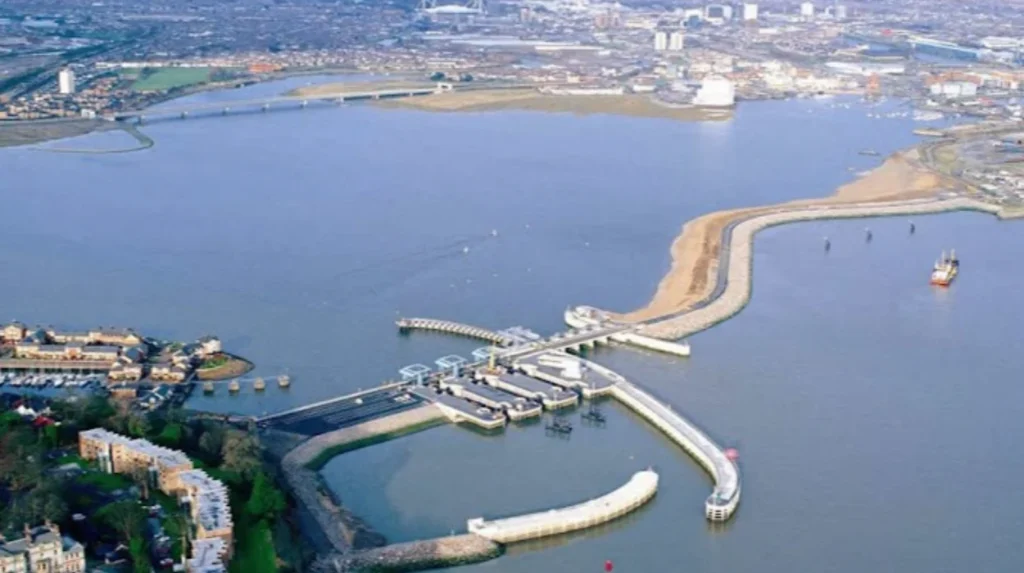
While not entirely within Butetown, the wider Cardiff Bay regeneration — particularly the construction of the Cardiff Bay Barrage and redevelopment of the docklands starting in the late 1980s — had a profound impact on the area’s economy and identity.
The Cardiff Bay project transformed derelict docklands into a freshwater lake surrounded by mixed-use development, creating new jobs, homes, and leisure spaces. This large-scale initiative helped lift Cardiff’s profile on the national and international stage but also highlighted the need for parallel improvements in historic neighbourhoods like Butetown.
4. Community-Centred Regeneration Initiatives
Over the past two decades, local authorities and development agencies have implemented several targeted regeneration projects in Butetown — focusing on housing, public spaces, facilities, and quality of life. Many of these initiatives were led by Cardiff Council Development and Regeneration and partner organisations through sustained community engagement.
4.1 Loudoun Square Redevelopment
The Loudoun Square regeneration project is one of the most significant community-focused interventions in Butetown. Launched around 2010 after extensive consultation with residents, the £13m scheme aimed to revitalise the heart of the community.
Key achievements include:
- New affordable homes built to high environmental standards.
- Enhanced retail and service spaces serving local residents.
- A modern health centre offering improved access to healthcare.
- A culture and media centre providing community space, training facilities, and creative opportunities.
- A landscaped public square fostering local gatherings and social cohesion.
This project not only improved the built environment but also created jobs and apprenticeships linked to construction and long-term local services.
4.2 Christina Street, Louisa Place, and Other Public Realm Improvements
Smaller but impactful improvements like those on Christina Street and Louisa Place have enhanced streetscapes, pedestrian access, open spaces, and safety for residents. These projects focused on creating more welcoming and usable neighbourhood environments.
4.3 Butetown Youth Hub (Pavilion)

Butetown Pavilion Youth Hub
The refurbishment of the Butetown Youth Hub transformed an underutilised community asset into a vibrant centre offering facilities such as music recording rooms, training suites, digital spaces, and creative workshop areas. This supports youth development and skills training — especially in creative industries.
5. Housing and Independent Living: New Developments
A vital aspect of regeneration is ensuring that housing meets the needs of residents across age groups.
5.1 Bute Street Community Living Scheme
The Bute Street Community Living scheme is a modern development aimed at older residents (55+) with independent living apartments, communal facilities, and landscaped gardens. Designed with sustainability in mind — including ground-source heat pumps and PV panels — this project reflects Cardiff’s commitment to climate adaptation and inclusive community spaces. It is expected to complete in 2025.
By repurposing redundant sites and focusing on accessibility, this scheme helps residents age in place while fostering interaction with the wider community.
6. Major Urban Regeneration: Atlantic Wharf and Beyond
Alongside community-based projects, wider masterplans are reshaping Cardiff Bay and Butetown’s edge.
6.1 Atlantic Wharf Masterplan
The Atlantic Wharf redevelopment — a 30-acre mixed-use masterplan — aims to transform the waterfront area into a dynamic destination for living, leisure, culture, and employment.
Phased development includes:
- A 16,500-capacity indoor arena (expected open 2028).
- New public realm and open spaces.
- Waterfront housing, office space, and hospitality venues.
- Enhanced connections between Cardiff Bay and city centre routes.
This initiative is part of Cardiff’s strategy to increase job opportunities, tourism, and economic activity while integrating Butetown into broader urban growth.
7. Connectivity and Infrastructure
Projects such as planned South Wales Metro expansions and public transport enhancements aim to better connect Butetown with Cardiff’s centre and wider South Wales region — making it easier for residents to access jobs and services.
Improved infrastructure — such as the development of Lloyd George Avenue and pedestrian links — has helped knit Butetown more closely into the city’s urban fabric.
8. Social Impact: Community Voices and Challenges
While regeneration has undeniably brought investment and modern facilities, local voices remind us that progress isn’t always evenly felt. Some residents have expressed concerns that major developments like Cardiff Bay’s broader regeneration have historically prioritised commercial interests over community-centred growth — leading to displacement pressures and limited inclusion of local businesses in economic gains.
This dialogue reflects the ongoing balance between urban renewal and social equity — a theme central to sustainable regeneration globally.
Lessons from Butetown Regeneration for Other Urban Communities
The regeneration of Butetown offers valuable lessons for historic urban neighbourhoods across the UK, including areas of East London such as Docklands, Limehouse, and Canning Town. One of the most important takeaways is the need for community-led regeneration, where residents are actively involved in shaping redevelopment rather than being passive recipients of change. Butetown demonstrates that investment in social infrastructure — healthcare, youth services, cultural spaces, and affordable housing — can be just as critical as large-scale commercial development.
Additionally, the area highlights the importance of preserving intangible cultural heritage, not just buildings, ensuring that regeneration strengthens local identity rather than erasing it. When long-term planning aligns economic growth with social inclusion, regeneration becomes a tool for resilience, not displacement — a principle increasingly relevant to rapidly evolving urban districts across the UK.
Butetown’s Ongoing Evolution
Butetown stands today as an emblem of both historic resilience and dynamic renewal. From its origins as Tiger Bay’s multicultural hub to modern regeneration efforts focused on community welfare, housing, culture, and connectivity, the neighbourhood illustrates how urban areas can reinvent themselves while honouring their past.
For residents and visitors alike — whether local Cardiffians or curious audiences from East London — Butetown’s journey offers lessons in inclusive development, community participation, and the power of thoughtful urban renewal.
If you’re planning a visit to Cardiff or want to learn from regeneration projects like Butetown’s for your own community, stay tuned to Cardiff Council updates, local community forums, and heritage events that celebrate this unique part of South Wales.