Cardiff, the vibrant capital of Wales, boasts an impressive array of museums that capture the essence of its rich cultural tapestry. These institutions offer visitors a deep dive into the city’s past, its artistic legacy, and the natural wonders of the region, making them perfect destinations for evergreen exploration.
- National Museum Cardiff: The Crown Jewel of Welsh Culture
- St Fagans National Museum of History: Reliving Welsh Rural Life
- Museum of Cardiff: Stories from the City’s Soul
- Firing Line Museum: Cardiff Castle’s Military Legacy
- Techniquest: Interactive Science and Innovation Hub
- Why Cardiff’s Museums Endure for Every Visitor
From grand civic halls filled with Impressionist masterpieces to open-air recreations of Welsh village life, Cardiff’s museums stand as enduring testaments to human creativity and resilience. They welcome families, history enthusiasts, and curious travelers alike, providing free or affordable entry to world-class collections year-round.
National Museum Cardiff: The Crown Jewel of Welsh Culture
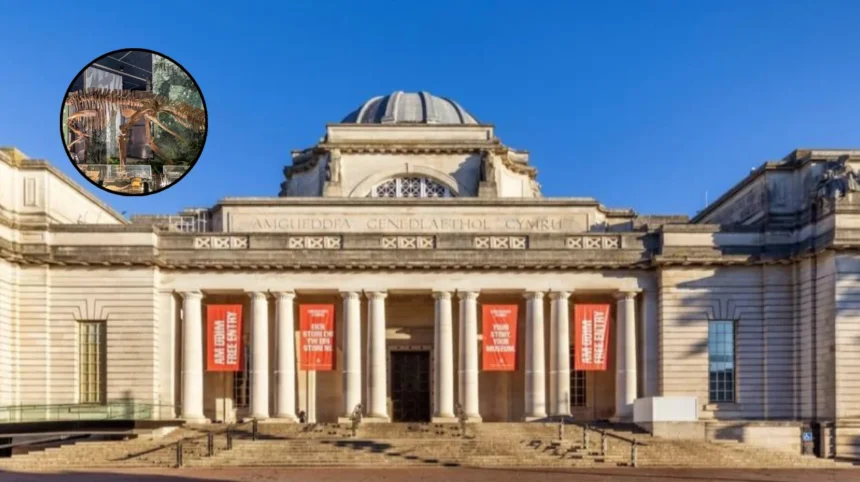
Nestled in the elegant Cathays Park civic center, the National Museum Cardiff serves as the beating heart of Wales’s artistic and scientific heritage. Founded in 1905 with a royal charter granted two years later, it emerged from the ambitious bid to establish Cardiff as a cultural hub, incorporating the city’s original museum collection that dated back to the late 19th century.
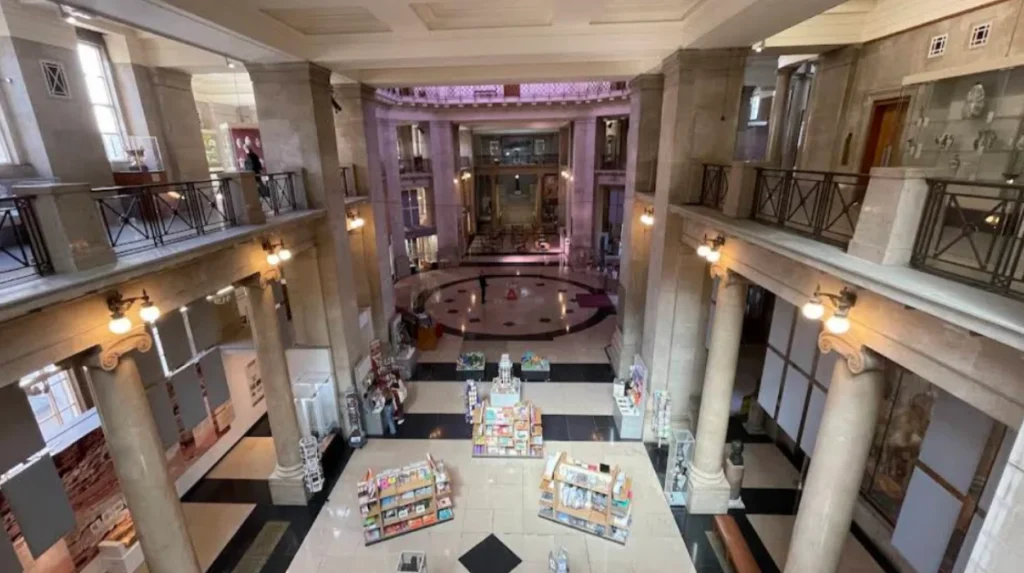
The museum’s neoclassical building, designed by architects Arnold Dunbar Smith and Cecil Brewer, broke ground in 1912 but faced delays due to the First World War, finally opening to the public in 1922 with an official ceremony in 1927. Though the completed structure is a more modest version of the original grand design, its imposing dome and intricate facade still evoke a sense of grandeur that draws over a million visitors annually.
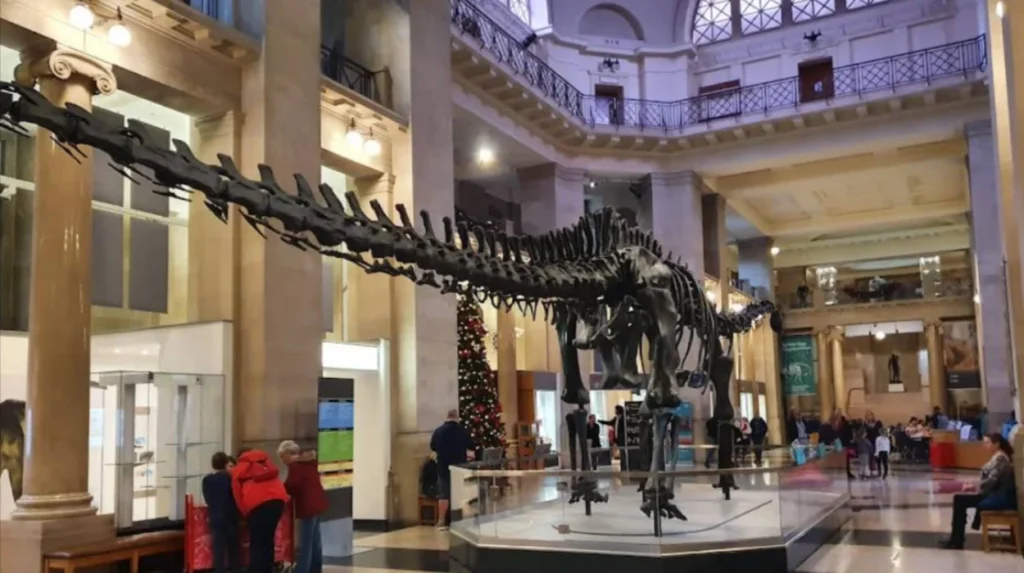
Inside, the galleries unfold like chapters in a grand narrative. The art collection shines with one of Europe’s finest assemblages of Impressionist works, featuring luminaries such as Claude Monet, Renoir, and Van Gogh alongside Welsh masters like Richard Wilson and Augustus John. Natural history enthusiasts marvel at the towering skeleton of a humpback whale that washed ashore in nearby Barry in 1982, suspended dramatically in the main hall as a reminder of Wales’s maritime ties.
Geology displays reveal billions of years of Earth’s story through fossils, minerals, and interactive exhibits in the Clore Discovery Centre, funded in 2011 by the Clore Duffield Foundation. Here, visitors handle Bronze Age artifacts, peer at microscopic insects, and explore 7.5 million stored items that rarely see the light of day. The center caters especially to school groups, offering hands-on sessions that ignite young minds.
Temporary exhibitions rotate regularly, from contemporary Welsh artists to international blockbusters like recent Leonardo da Vinci displays, ensuring the museum remains a dynamic force in Cardiff’s cultural scene. Free admission makes it an accessible staple for locals and tourists, with events like after-dark science shows and silent discos adding modern flair to its timeless appeal.
St Fagans National Museum of History: Reliving Welsh Rural Life
Just a short drive from Cardiff’s bustling center lies St Fagans National Museum of History, an open-air treasure spanning 100 acres of idyllic parkland around a Grade I-listed 16th-century manor house. This living history museum transports visitors across centuries by re-erecting over 40 authentic Welsh buildings, salvaged from across the nation and meticulously reconstructed on-site.
Established as part of Wales’s national museum network, St Fagans opened in 1948 and has since become one of the country’s most visited attractions, drawing crowds eager to step into the past. A Tudor merchant’s house rubs shoulders with 19th-century farmsteads, a non-conformist chapel, a schoolhouse, and a Workmen’s Institute, each building furnished and interpreted to reflect its original era.
What sets St Fagans apart is its immersive, working environment. Native livestock roam the fields, while craftspeople demonstrate age-old skills: blacksmiths hammer iron at glowing forges, bakers knead dough in wood-fired ovens, and clog makers shape traditional footwear. The Gweithdy gallery and workshop invites hands-on participation, allowing guests to try pottery, weaving, or spoon carving under expert guidance.
Seasonal events breathe further life into the site, from summer ghost walks to winter storytelling around peat fires. The museum’s collections delve into everyday Welsh life, showcasing Iron Age cooking tools alongside early 20th-century Italian-imported coffee machines, highlighting the blend of tradition and innovation. Parking incurs a fee, but entry remains free, making it an ideal full-day outing for those seeking an authentic taste of Wales.
Recent enhancements include botanical illustration courses and farm demonstrations, ensuring St Fagans evolves while preserving its evergreen focus on heritage. Families appreciate the expansive grounds for picnics, while historians pore over the detailed provenance of each structure.
Museum of Cardiff: Stories from the City’s Soul
Housed in the beautifully restored Old Library on The Hayes in Cardiff’s city center, the Museum of Cardiff—also known as The Cardiff Story—chronicles the urban evolution of Wales’s capital through the voices and artifacts of its inhabitants. Opened on April 1, 2011, this free museum transforms a 19th-century landmark into a vibrant narrative space, offering an intimate counterpoint to the grander national institutions.
Exhibits weave personal tales into the broader historical arc, from Cardiff’s medieval origins as a Norman stronghold to its explosive growth as a coal port in the 19th century. Visitors encounter objects like handwritten letters from dockworkers, sepia photographs of Victorian street scenes, and relics from the city’s post-industrial reinvention as a media and tourism hub.
Interactive displays bring these stories alive, with touchscreens narrating oral histories from diverse communities—Irish immigrants, Somali sailors, and Welsh locals—who shaped Cardiff’s multicultural identity. The museum emphasizes people over dates, illustrating how ordinary lives fueled extraordinary change, such as the 1911 Investiture of the Prince of Wales or the Tiger Bay jazz scene.
Summer Craft Wednesdays engage younger audiences with hands-on activities, while the ground-floor cafe provides a cozy spot to reflect. As a gateway to Cardiff exploration, it pairs perfectly with nearby shopping on Queen Street, blending education with urban convenience.
Firing Line Museum: Cardiff Castle’s Military Legacy
Tucked within the ancient walls of Cardiff Castle, the Firing Line Museum illuminates over 300 years of Welsh military history through evocative displays and rotating exhibitions. Included in the castle’s admission ticket, it occupies the historic Interpretation Centre, where stone vaults echo with tales of valor and sacrifice.
Opened in the early 2000s, the museum traces the evolution of the Welsh Regiment from the 17th century through to modern peacekeeping missions. Uniforms, medals, weapons, and diaries recount pivotal moments like the World Wars, the Falklands Conflict, and service in Bosnia, with a focus on the human stories behind the hardware.
Interactive elements include replica trenches and soundscapes of battle, immersing visitors in the soldier’s experience without glorifying violence. Special exhibits highlight women in the military and local Home Guard efforts during wartime, broadening the narrative to include overlooked contributors.
Complementing a castle tour—complete with Roman origins, Gothic revival interiors, and panoramic towers—the museum adds depth to Cardiff’s defensive past. It’s particularly resonant for families with military ties or those intrigued by the interplay of fortification and firepower.
Techniquest: Interactive Science and Innovation Hub
For a departure from traditional history, Techniquest energizes Cardiff’s museum scene with hands-on science exhibits tailored to spark curiosity across ages. Located in Cardiff Bay, this purpose-built center opened in 1995 and has since welcomed millions, cementing its role as a staple for educational fun.
Over 100 exhibits cover physics, biology, and engineering, from friction-free air hockey to virtual reality space missions. Live shows feature explosive chemistry demos, while the planetarium offers starry escapes into cosmology. It’s a hit with school groups, who book slots for tailored workshops.
Admission is affordable, with family tickets encouraging repeat visits to master new challenges. Techniquest embodies Cardiff’s forward-looking spirit, bridging yesterday’s heritage museums with tomorrow’s innovations.
Why Cardiff’s Museums Endure for Every Visitor
These museums collectively form a cultural ecosystem, each enhancing the others to paint a holistic portrait of Cardiff. Free entry at most sites democratizes access, while paid elements like castle tours fund preservation efforts. Proximity—many cluster in the civic center or bay area—facilitates efficient itineraries, whether by foot, bus, or the scenic hop-on-hop-off service.
Beyond static displays, ongoing events keep content fresh: art workshops at National Museum Cardiff, craft demos at St Fagans, or storytelling at Museum of Cardiff. Accessibility features, including audio guides and wheelchair paths, ensure inclusivity.