
The discovery of a cannabis factory in Cardiff has once again highlighted a growing issue across the UK—illegal drug production hidden in plain sight. What may appear to be an ordinary residential property or vacant commercial unit can sometimes conceal a sophisticated indoor cultivation operation. These discoveries are not isolated incidents; they reflect broader trends in organised crime, housing misuse, and public safety risks.
- What Police Found Inside the Cardiff Cannabis Factory
- Why Cardiff Has Become a Target Location
- How Cannabis Factories Operate in the UK
- The Risks to Local Communities
- Warning Signs Residents Should Be Aware Of
- Law Enforcement Response and Legal Consequences
- The Broader Context: Cannabis Production in the UK
- How Landlords and Property Owners Can Protect Themselves
In this article, we explore what police typically uncover in cannabis factory raids, why Cardiff and other UK cities are increasingly affected, and how these operations are set up. We will also examine the wider implications for local communities, landlords, and law enforcement. Whether you are a resident, property owner, or simply curious about the issue, understanding how these operations function can help you spot warning signs and stay informed.
What Police Found Inside the Cardiff Cannabis Factory
When South Wales Police uncover a cannabis factory, the scenes are often far from what people expect. Behind closed doors, officers typically find highly organised growing systems designed to maximise yield while avoiding detection.

In most cases, entire rooms are converted into cultivation areas filled with rows of cannabis plants at different growth stages. Powerful heat lamps, ventilation systems, and reflective insulation are installed to replicate ideal growing conditions. In Cardiff, similar operations have revealed hundreds or even thousands of plants inside a single property.
Electricity theft is another common discovery. Illegal wiring bypasses meters to power energy-intensive equipment, creating serious fire hazards. According to UK estimates, cannabis farms are responsible for a significant proportion of domestic electricity theft cases, costing millions annually.
The conditions inside these properties can be hazardous. High humidity, chemical fertilisers, and exposed wiring make them dangerous not only for occupants but also for neighbouring properties. In many raids, police also find evidence of organised criminal involvement, including documentation, packaging materials, and links to wider drug distribution networks.
Why Cardiff Has Become a Target Location
Cardiff, like many UK cities, has seen a rise in illegal cannabis cultivation due to a combination of economic, geographic, and social factors. Its mix of residential neighbourhoods, student housing, and commercial spaces provides opportunities for operations to remain hidden.
One reason cannabis farms are increasingly found in urban areas is accessibility. Cardiff offers good transport links, making it easier for criminal networks to distribute drugs across Wales and beyond. Properties can be rented or sublet under false identities, allowing operators to avoid detection for extended periods.
The rental market also plays a role. Landlords who do not regularly inspect their properties may unknowingly lease to individuals who convert homes into growing sites. In some cases, tenants appear legitimate at first but later modify the property extensively.
Another contributing factor is demand. Despite strict laws, cannabis remains one of the most widely used illegal substances in the UK. This ongoing demand incentivises domestic production rather than reliance on imported drugs.
How Cannabis Factories Operate in the UK
Cannabis factories are often more sophisticated than people imagine. They are designed to operate continuously and discreetly, with careful planning to avoid attracting attention.
Typically, criminals select properties that offer privacy and limited foot traffic. Once secured, they modify the interior extensively. Walls may be lined with reflective material, windows sealed, and entire electrical systems rewired. Ventilation is carefully managed to control both temperature and odour.
The growing process itself is structured in cycles. Plants are cultivated in stages, ensuring a steady supply ready for harvesting. This approach maximises profits and reduces downtime between yields.
In many cases, individuals living inside these properties are not the masterminds but rather vulnerable workers. Some are trafficked or coerced into managing the farms under strict control. This adds a human exploitation dimension to what might otherwise be viewed purely as a drug-related crime.
The Risks to Local Communities
The presence of a cannabis factory in a residential area is not just a legal issue—it poses real risks to the surrounding community. One of the most serious concerns is fire. Faulty wiring and overloaded circuits significantly increase the likelihood of electrical fires.
There are also structural risks. Properties modified for cultivation often suffer from damp, mould, and damage caused by excessive heat and humidity. This can weaken buildings and affect neighbouring homes, particularly in terraced housing common in Cardiff.
Crime is another concern. Cannabis farms are often linked to organised criminal networks, which can bring associated issues such as violence, exploitation, and illegal activity in the area. Residents may notice unusual behaviour, including frequent visits at odd hours or attempts to keep properties isolated.
Additionally, there is a financial impact. Energy theft contributes to higher costs for providers and ultimately affects consumers. Property damage can also lead to costly repairs for landlords who may not even be aware of what has occurred.
Warning Signs Residents Should Be Aware Of
Although cannabis factories are designed to remain hidden, there are often subtle signs that something is not quite right. Recognising these indicators can help residents alert authorities before problems escalate.
Properties used for cannabis cultivation often have covered or blacked-out windows to prevent light from escaping. There may be a constant humming noise from ventilation systems or a strong, unusual smell.
Another common sign is irregular electricity usage. While this is not visible to neighbours directly, it often correlates with other suspicious activity. For example, lights may be on at all hours, and there may be little visible occupancy despite ongoing activity.
Visitors may come and go at unusual times, or the property may appear neglected externally while still being actively used. In some cases, condensation can be seen on windows due to the high humidity inside.
If residents suspect illegal activity, it is important to report concerns to local authorities rather than attempting to investigate personally.
Law Enforcement Response and Legal Consequences
South Wales Police and other UK law enforcement agencies have intensified efforts to identify and dismantle cannabis factories. These operations often involve coordinated raids based on intelligence, surveillance, and community reports.
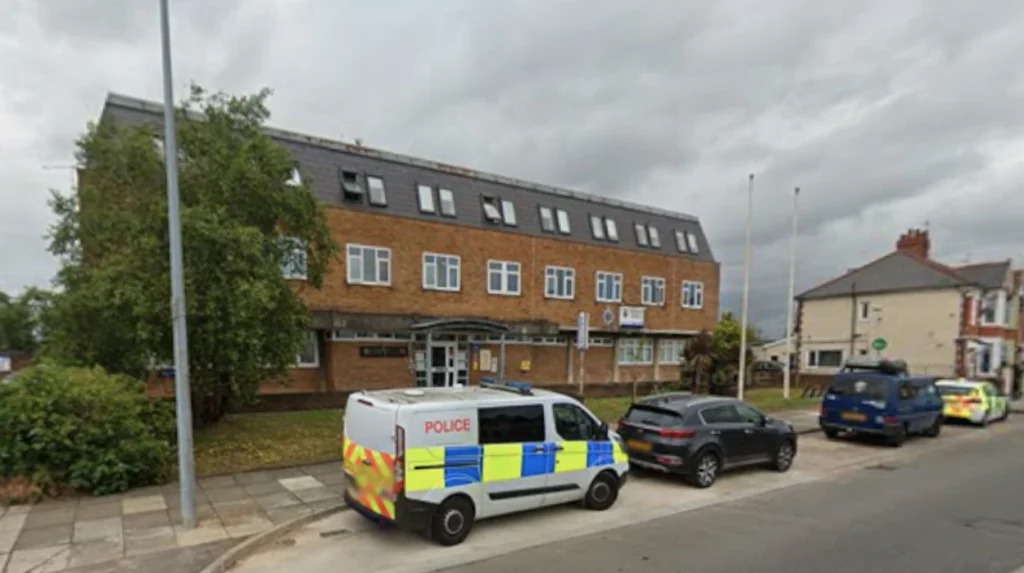
Once discovered, properties are secured, and plants and equipment are seized. Individuals involved can face serious legal consequences, including imprisonment, fines, and criminal records that affect future employment and housing opportunities.
Under UK law, producing cannabis is illegal and can result in up to 14 years in prison, depending on the scale and circumstances. Electricity theft and property damage add further charges.
Authorities also work with local councils and landlords to prevent recurrence. This includes raising awareness about tenant vetting and encouraging regular property inspections.
The Broader Context: Cannabis Production in the UK
The Cardiff case is part of a wider national trend. Over the past decade, the UK has seen a shift from imported cannabis to domestically produced supply. Advances in indoor growing technology have made it easier for criminal groups to establish local operations.
Reports suggest that thousands of cannabis farms are discovered each year across the UK, although the true number is likely higher due to undetected operations. Urban areas remain a key focus due to the availability of properties and infrastructure.
This shift has also changed the nature of drug enforcement. Police are now dealing not only with distribution networks but also with production sites embedded within communities.
At the same time, public debate around cannabis laws continues. While some argue for legalisation or regulation, current UK law remains strict, and illegal cultivation is treated as a serious offence.
How Landlords and Property Owners Can Protect Themselves
Landlords in Cardiff and across the UK face increasing risks from tenants who misuse properties for illegal activities. Preventative measures can significantly reduce these risks.
Regular property inspections are one of the most effective strategies. Scheduled visits allow landlords to identify early signs of unusual modifications or damage. It is also important to verify tenant identities thoroughly and be cautious of requests to pay rent in cash or upfront.
Maintaining open communication with neighbours can also help. Residents are often the first to notice suspicious activity, and their observations can provide early warnings.
Insurance policies should be reviewed to ensure coverage includes damage caused by illegal activity. In some cases, failure to conduct proper checks may affect claims.
Ultimately, vigilance and proactive management are key to preventing properties from being exploited.
The discovery of a cannabis factory in Cardiff is more than just a headline—it reflects a complex and growing issue affecting communities across the UK. Behind these operations are organised networks, safety risks, and often hidden human exploitation.
Understanding how these setups work, why they are increasing, and what signs to watch for can help residents and property owners stay informed and alert. While law enforcement continues to crack down on illegal cultivation, community awareness remains a crucial part of prevention.
As cities like Cardiff continue to grow, so too does the importance of maintaining safe and transparent neighbourhoods. Staying informed is the first step toward protecting both property and community wellbeing.