Canton, Cardiff’s beloved suburb, traces its origins to the 13th century as a manor known as Treganna, blending Welsh heritage with Norman influence. Named possibly after Saint Canna, a figure from the Age of Saints linked to Arthurian legend, the area started as farmland under Llandaff’s oversight. By the Middle Ages, records from 1215 mention locals like Lucia de Kanetune near the Earl’s wall, while Walter de Canetune signed Cardiff’s charter in 1230, signaling early prominence. This rural outpost grew around a manor house on Canton Common, serving as a vital link between Llandaff parish and the bustling port of Cardiff.
The suburb’s transformation accelerated in the 19th century amid industrial boom. What was once sparse hamlets with a bishop’s mill evolved into a livestock powerhouse after the 1859 Canton Cattle Market and Slaughterhouse opening. Goods from South Wales valleys flooded in—fresh produce, animals, household wares—destined for export via Cardiff Docks or local trade. Irish immigrants fleeing potato famines settled along Halket Street from 1840, making Canton Cardiff’s Irish heart. St. John’s Church opened in 1853 as a Llandaff annex, while the Atlas Engineering Works in 1870 brought skilled jobs, swelling the population. Incorporated into Cardiff in 1875, Canton absorbed Pwll-coch from Ely, cementing its urban identity.
Rise of the Trendy Canton
Fast-forward to today, Canton has shed its market grit for a “posh” vibe, often dubbed Poschanna by locals mocking its gentrification. Cowbridge Road East, the suburb’s spine, buzzes with indie cafes, craft beer spots, and vegan eateries, drawing young professionals from Cardiff’s center. Once a coal-and-iron feeder to docks, it now hosts Canton Rugby Club and the Uniting Church as cultural anchors amid Victorian terraces. Property prices have soared, with average homes hitting £300,000+, fueled by proximity to city amenities and the River Taff’s green walks.
This shift mirrors Cardiff’s broader evolution. Canton’s diverse communities—Irish roots blending with modern multicultural influx—foster a creative scene. Street art, pop-up markets, and festivals like the Canton Festival celebrate its vibrancy. Yet, beneath the Instagram appeal lies tension: the area’s “trendy” label masks stark divides between long-term residents and newcomers. Gentrification whispers of “Posh-canna” highlight how organic cafes and artisan bakeries price out traditional shops, sparking debates on Canton’s soul.
Planning Woes Unfold
Canton’s planning battles epitomize Cardiff’s suburban struggles, where growth clashes with heritage. Central to woes: Canton Common, the historic green lung where markets thrived until the 19th century’s end. The manor’s demolition by 1899 symbolized change, but today, development pressures threaten this open space. Cardiff Council’s Local Development Plan eyes high-density housing to meet Wales’ housing crisis, proposing 500+ units near the Common, igniting protests.
A flashpoint emerged in 2018 with proposals for student flats on Leckwith Road, criticized for overshadowing Victorian homes and straining infrastructure. Residents argued it breached green space protections under the Well-being of Future Generations Act, a Welsh law mandating sustainable planning. Opponents highlighted traffic chaos on already congested Cowbridge Road, where HGVs from nearby depots exacerbate gridlock. Council responses cite economic needs—Cardiff’s population swells by 10,000 yearly—but locals decry “speculative development” ignoring flood risks from the River Ely.
Gentrification’s Double Edge
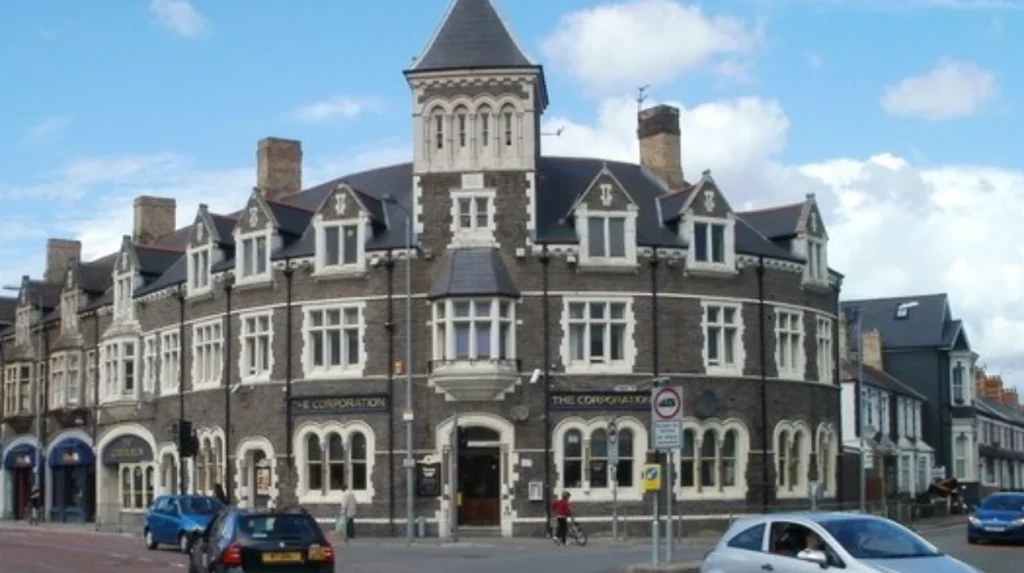
Gentrification in Canton isn’t just cafes; it’s systemic. Rents along Cowbridge Road jumped 25% in five years, forcing family butchers and newsagents to shutter for poke bowls and gin bars. “Posh-canna” jibes reflect resentment: original working-class families, many with Irish or Welsh mining ties, feel displaced. A 2022 study by Cardiff University noted Canton’s deprivation index dropping yet inequality rising, with newcomers averaging £50k incomes versus locals’ £30k.
Planning exacerbates this. Relaxed HMO rules turned grand semis into student lets, diluting community cohesion. The 2021 census showed 20% transient population, eroding the suburb’s tight-knit feel. Developers tout “regeneration,” but critics like Canton Community Council argue it prioritizes profit over people, violating LDP policies on affordable housing quotas—often dodged via viability assessments.
Key Controversies Spotlighted
One saga: the Canton Retail Park expansion. Planned for 2020, it promised jobs but faced backlash over heritage loss—nearby Grade II terraces risked demolition. Campaigners invoked Planning Policy Wales, emphasizing historic environment preservation, stalling it till 2023 revisions. Another: Fitzhamon Embankment infill, where luxury apartments ignored Taff floodplains, breaching NRW guidelines. Flooding in 2020 submerged streets, validating fears as defenses lag.
Student housing dominates woes. Pontcanna Fields—abutting Canton—saw 2024 proposals for 300 beds, despite Llandaff Fields’ proximity. Residents rallied under “Save Our Fields,” citing biodiversity loss and overdevelopment, echoing 2019 Canton Library redevelopment halted by public outcry. Council data shows 40% objection rates, highest in Cardiff, underscoring rift.
Infrastructure Strains Emerge
Beyond housing, Canton’s planning falters on basics. Cowbridge Road’s potholes and narrow pavements can’t handle boom-time traffic; a 2025 audit flagged 30% congestion increase. Public transport lags—buses from Canton to city center crawl, despite promised tram extensions shelved post-2020. Schools overflow: Radnor Primary hit capacity, forcing bussing amid new builds.
Flood management looms large. Ely and Taff confluence makes Canton vulnerable; 2024 storms swamped 200 homes despite £10m defenses. Planning ignores climate projections, with low-lying plots greenlit sans elevation. NHS strain hits too: GP waits stretch 3 weeks, as developments lack promised surgeries.
Community Voices Amplify
Locals fight back dynamically. Canton Watch, a residents’ group, mobilizes via petitions—10,000 signatures against a retail park in 2022. Social media amplifies “Posh-canna” satire, blending humor with advocacy. Collaborations with Welsh Government push for community-led plans, drawing on 2019 Wellbeing Act successes elsewhere.
Elected voices weigh in: Councillors decry “top-down” Cardiff planning, urging participatory models. A 2023 assembly inquiry probed Canton, recommending density caps and heritage buffers, yet implementation crawls.
Future Paths Forward
Navigating Canton’s woes demands balance. Cardiff’s 2020-2030 LDP aims 35,000 homes citywide, tasking suburbs like Canton with 10%. Success hinges on affordable mandates—target 30% low-cost units—and green infrastructure. Models from Pontcanna, Canton’s posh neighbor, inspire: strict design codes preserve character while adding density.
Regeneration could revive markets on Canton Common, blending heritage with modern pop-ups. Flood-resilient designs, like Dutch-style plinths, offer blueprints. Community land trusts, piloted in Llandaff, cap speculation. Ultimately, Canton’s from-market-to-posh arc teaches: planning must honor roots to sustain trendiness.
Policy Impacts Analyzed
Welsh planning law shapes battles. The 2015 Planning Act decentralizes power, mandating local consultations—yet Canton’s 60% rejection rates show gaps. Future Generations Act compels long-term thinking, invoked successfully against 2024 student blocks. UK Levelling Up agenda funnels funds, but Cardiff’s bids prioritize docks over suburbs.
Devolution aids: Senedd pushes brownfield-first, sparing Canton’s greens. Yet enforcement wanes; appeals overturn 25% refusals.
Canton’s Unique Character
What endures is Canton’s spirit. From 13th-century manors to rugby heartland, it defies woes with resilience. Trendy infusions enrich without erasing history—think craft breweries in ex-slaughterhouses. Planning fixes lie in dialogue: developers partnering residents for hybrid schemes.
As Cardiff grows, Canton’s story—from Canton to “Poschanna”—warns of unchecked change. Prioritize people, preserve greens, integrate newcomers: that’s the evergreen blueprint for thriving suburbs.