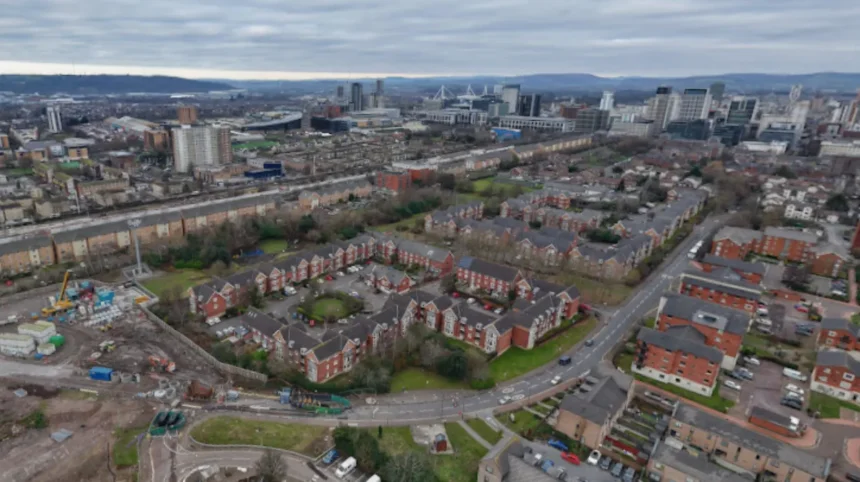
If you live in Cardiff, the 2026–27 council budget is more than a spreadsheet of numbers—it directly shapes how clean your streets feel, how safe your children’s schools are, and how much tax you pay each year. The council has approved a new financial plan that tries to keep frontline services intact while juggling rising costs and tighter funding from the Welsh Government.
- What the 2026–27 budget actually covers
- Council tax and the 3.9% increase
- Schools and education: more money, but escalating pressure
- Social care and support for vulnerable people
- Housing, homelessness, and the rent squeeze
- Bins, recycling, and local environment
- Roads, transport, and public spaces
- Libraries, parks, and community hubs
- How the budget affects different types of residents
- How residents can have a say in future budgets
- What this means for Cardiff’s long‑term future
This article breaks down the key parts of the Cardiff Council Budget 2026, explains what “frontline services” actually means in practice, and shows how council tax, schools, social care, housing, and local amenities will change for ordinary residents. Whether you’re a parent, a pensioner, or a working‑family tenant, you’ll see how these decisions land on your doorstep.
What the 2026–27 budget actually covers
The Cardiff Council Budget 2026–27 sets out how the local authority will spend roughly half a billion pounds a year on services that affect daily life. That includes schools, social care, housing, bin collection, road maintenance, libraries, and more, all funded through a mix of council tax, Welsh Government grants, and other income.
The council has confirmed it is aiming to protect “frontline services” such as schools, social care, and key local services, while plugging a projected gap of around £22–23 million through back‑office efficiencies and new income measures. In plain language, this means shifting savings away from front‑facing staff and services and into corporate functions, procurement, and digital systems.
Council tax and the 3.9% increase
Residents will notice one of the most immediate changes in their bank accounts: a 3.9% rise in council tax for the 2026–27 financial year. For a Band D property in Cardiff, that translates to an extra several pounds a month, adding pressure at a time when many households are still absorbing previous tax hikes and the ongoing cost‑of‑living squeeze.
The council has framed this increase as necessary to keep basic services running without cutting front‑line staff, especially in education and social care. At the same time, most eligible households will still receive some support through the Council Tax Reduction Scheme, which takes into account income, benefits, and dependants.
If you’re worried about your bills, it’s worth checking whether you qualify for extra help—and whether you’re already on the correct band, since council tax banding can sometimes be disputed.
Schools and education: more money, but escalating pressure
Education is one of the biggest chunks of the council’s budget, and Cardiff has committed additional funding for schools in the 2026–27 plan. This includes money for pupil support, staff training, and targeted intervention for learners who are falling behind, particularly in literacy and numeracy.
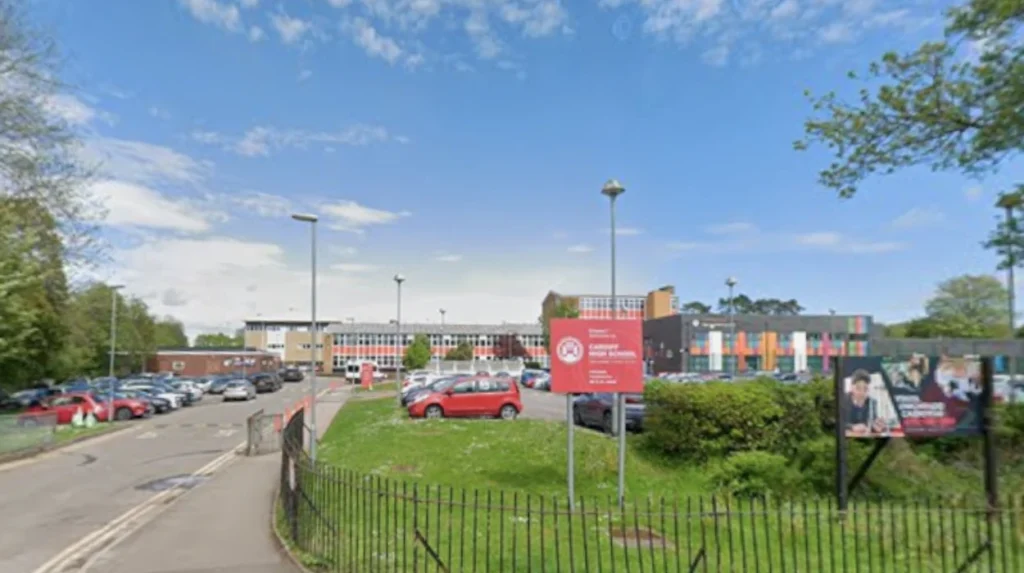
Behind the headlines, the reality is more complex. Demand for extra support—for pupils with special educational needs, mental‑health difficulties, and language barriers—has risen sharply, outpacing the rate of funding growth. That means schools may still feel stretched, even if the headline education budget is rising.
For parents and guardians, that can translate into longer waits for assessments, more pressure on classroom assistants, and tighter budgets for trips and extracurriculars. Keeping an eye on school governors’ meetings and local cluster forums can help you understand how your child’s school is allocating these extra funds.
Social care and support for vulnerable people
Adult and children’s social care are among the most expensive and sensitive areas of the council’s budget. Cardiff has stated that it is prioritising no cuts to frontline care services in 2026–27, while still needing to close a significant financial gap.
In practice, this usually means protecting visits from social workers, home‑care hours, and safeguarding teams, while tightening criteria for eligibility or exploring more preventative and community‑based support. For some residents, it may mean being directed towards voluntary‑sector support, community hubs, or online self‑help tools before accessing fully funded council‑run care.
If you or a relative rely on social care, it’s important to understand the council’s eligibility thresholds and what you can reasonably ask for. Many people benefit from asking for a “care needs assessment” even if they’re unsure they’ll qualify, as it can unlock partial support or referrals to other services.
Housing, homelessness, and the rent squeeze
Housing is a major pressure point for many Cardiff residents, and the council’s budget documents show continued investment in both new housing and homelessness services. The Corporate Plan 2025–2028 emphasises efforts to increase affordable housing supply and to help more people out of poverty through better access to benefits advice and employment support.
In practice, this often means spreading limited resources very thinly. Waiting lists for council housing remain long, and the number of people in temporary accommodation or at risk of homelessness continues to rise. The council has to balance building new homes against the immediate costs of running shelters, hostels, and rent‑in‑advance schemes.
For residents facing rent increases or struggling with private‑sector landlords, it’s worth contacting Cardiff’s housing options team or an independent housing advice charity. They can help with checking if your rent is reasonable, guiding you through any deposit or landlord disputes, and signposting you to local support schemes.
Bins, recycling, and local environment
Waste collection and environmental services are highly visible—if your bin isn’t collected, everyone notices. Cardiff has been working to keep bin collection frequencies stable, even as fuel, labour, and vehicle‑maintenance costs rise.
However, the council has indicated that some cost‑saving measures may emerge in back‑office processes, such as route optimisation, shared equipment with neighbouring authorities, or changes to who pays for certain bulky‑waste or special‑collection services. That can sometimes mean higher fees for “paid for” services like large item removals or garden‑waste collections, even if the core weekly bin round stays the same.
For residents, the most practical response is to cancel any unnecessary paid services, maximise recycling, and use the council’s app or website to report missed collections quickly. Clear communication about collection days and any changes to services can make a big difference to how smoothly the system works.
Roads, transport, and public spaces
Roads, pavements, and public transport are central to how people experience Cardiff every day. The 2026–27 budget includes funding for road repairs, pothole filling, and ongoing maintenance of bridges and traffic‑light systems, but officials still warn that demand for repairs has outpaced the rate of funding growth.
The council has also signalled continued investment in active travel—walking and cycling routes—as part of its wider climate and health goals. This can mean new cycle lanes, pedestrianisation of certain streets, and changes to parking availability, which help reduce congestion and pollution but can feel disruptive during construction.
If you live in an area where works are underway, it helps to keep an eye on the council’s traffic‑management pages and local notices. Raising issues early—such as blocked pavements or unsafe paths—can prompt quicker fixes than waiting until the entire project is finished.
Libraries, parks, and community hubs
Libraries, parks, and community hubs are often among the first services people think of when they talk about “local life.” Cardiff has pledged to keep most hub and library openings broadly stable in 2026–27, even though earlier years saw some reductions in opening hours and events budgets.
For residents, this can mean fewer big‑scale festivals or one‑off events, but continuation of core services like homework clubs, reading groups, and basic IT support. Parks and green spaces are expected to remain largely open, although some maintenance work may be scaled back or prioritised, leading to longer grass in quieter areas or slower responses to minor repairs.
Volunteering or joining a friends‑of‑the‑park group can sometimes help fill gaps in local maintenance and programming. These groups can also give residents a direct channel into how council resources are used at a neighbourhood level.
How the budget affects different types of residents
The impact of the Cardiff Council Budget 2026 is anything but uniform. Families with children may notice more support in schools and slightly more pressure on childcare or wraparound services. Older residents and those receiving social care may see fewer changes in care hours, but possibly more encouragement to use self‑help tools or community schemes.
Low‑income households will feel the 3.9% council tax rise, even with the reduction scheme, at a time when other living costs are also high. Meanwhile, businesses and landlords may see unchanged or slightly adjusted fees for things like pitch fees, parking, and certain licensing charges, which can quietly influence where and how they operate.
For each person, the best move is to look at the budget through the lens of their own daily life: what services do you use, how often, and how dependent are you on them? That focus can help you decide where to direct feedback during future consultations.
How residents can have a say in future budgets
Although the 2026–27 budget is now approved, Cardiff routinely runs public consultations before finalising major spending plans. These consultations ask residents to rank priorities—schools, social care, housing, or local amenities—and how they would trade off tax increases against service changes.
Taking part does not require a degree in economics. Simple actions—like completing a short online survey, turning up to a local ward meeting, or emailing your councillor—can steer where the council looks for savings or investment in future years.
For residents who feel overwhelmed by the complexity of council budgets, it helps to focus on one or two issues that matter most to them: school cuts, bin services, or social care for a relative. Campaigning on a narrow, specific ask is often more effective than a broad complaint about “everything becoming worse.”
What this means for Cardiff’s long‑term future
The Cardiff Council Budget 2026 is a marker of how the city is trying to balance competing pressures without dismantling core services. On one side are rising costs, an ageing population, and greater demand for social care and housing support. On the other are limited increases in Welsh Government funding and a need to keep council tax increases within what most households can tolerate.
In that context, the 2026–27 plan is less about dramatic change and more about a slow, steady recalibration of how public money is spent. For residents, the big message is this: the decisions being made now will shape the quality of schools, care, and local amenities for years to come, so staying informed and involved is not a one‑off duty but an ongoing habit.
By understanding the Cardiff Council Budget 2026 and how it touches your daily life, you’re better placed to plan for your own household, advocate for what matters most locally, and help steer the city toward a more resilient, fairer future.