The Cardiff Good Food Guide 2026 is a curated list of city restaurants that meet high standards for ingredients, cooking technique, service, and atmosphere. It is not a single printed book like the historic Good Food Guide but a collection of editorial and critical rankings, including Michelin‑referenced lists, local “best of” guides, and national food awards. These guides group Cardiff restaurants by fine dining venues with tasting menus and paired wines, mid‑range modern British and Welsh spots, casual neighbourhood and market‑style locations, and special‑occasion venues such as roast‑focused or Sunday‑lunch houses. The 2026 versions stress seasonality, local sourcing from Wales, and small‑plate or sharing formats, which are now common in Cardiff’s best kitchens.
- Why should Cardiff diners care about “restaurants worth the wait”?
- What defines a “worth the wait” restaurant in Cardiff?
- How have Cardiff’s dining habits changed by 2026?
- What are the top “worth the wait” restaurants in Cardiff city?
- How do Cardiff’s Michelin‑listed restaurants perform in 2026?
- What data and statistics support Cardiff’s “worth the wait” status?
- How do these restaurants impact Cardiff’s food tourism?
- What does the future hold for Cardiff’s “worth the wait” restaurants?
Why should Cardiff diners care about “restaurants worth the wait”?
A restaurant worth the wait in Cardiff is one where the extra time to book, queue, or travel is rewarded with noticeable advantages in food quality, consistency, or memorability. In 2026, Cardiff’s core city centre and nearby suburbs such as Pontcanna and Rhiwbina host the highest concentration of such venues. Reasons diners plan ahead for these spots include limited seating, particularly in small‑room and tasting‑menu venues; high demand from weekend and tourist traffic; seasonally updated menus that change monthly or quarterly; and reservation systems that open 30–90 days in advance. For example, Gorse in Pontcanna opened in May 2024 with 22 seats and became Cardiff’s first Michelin‑starred restaurant in February 2025, creating booking pressure that persists into 2026.
What defines a “worth the wait” restaurant in Cardiff?
In Cardiff’s 2026 landscape, a restaurant is “worth the wait” when it meets several measurable criteria across food, service, and environment. Ingredient quality and sourcing play a central role, with heavy use of Welsh producers such as Madgetts for meat, local farms for vegetables, and Welsh‑made cheese and charcuterie, plus clear menu‑seasonality markers like spring lamb, autumn game, and winter root‑vegetable roasts. Technical execution is another key factor, with precise cooking including correctly timed steaks, properly fermented sourdough, and well‑balanced sauces, supported by consistent plating and multiple recent reviews that highlight repeat‑visit satisfaction. Service and atmosphere complete the picture, with staff trained in pacing, allergy handling, and upselling without pressure, and dining‑room design that supports comfort through acoustics, lighting, and table spacing. Reputation and awards provide further validation, including mentions in national “best of Wales” lists, Michelin‑Guide citations, or consistent five‑star review clusters on major platforms, which together signal why a venue often requires advance booking or a queue.
How have Cardiff’s dining habits changed by 2026?
Between 2020 and 2026, Cardiff’s restaurant culture shifted from a mix of casual chains and traditional pubs to a more diverse, experience‑driven scene. Visitor numbers, post‑pandemic recovery, and the rise of stay‑cations increased demand for locally led, “special” meals rather than convenience‑only dining. Growth of Welsh‑focused fine dining has led to more restaurants highlighting “modern Welsh” or “Cymreig‑inspired” menus using ingredients such as lamb, mackerel, and heritage vegetables. Diners in Cardiff increasingly accept higher price points of around £40–£80 per person for tasting‑menu tickets when paired with strong online reputations and a manageable booking window. Booking culture has also tightened, with online reservation systems such as TheFork, OpenTable, and direct‑book portals meaning popular spots can sell out weeks in advance, especially in small‑room venues. For planners, this means that “worth the wait” now often means booking 4–8 weeks ahead for Michelin‑referenced or highly rated city restaurants, not just 1–2 days.
What are the top “worth the wait” restaurants in Cardiff city?
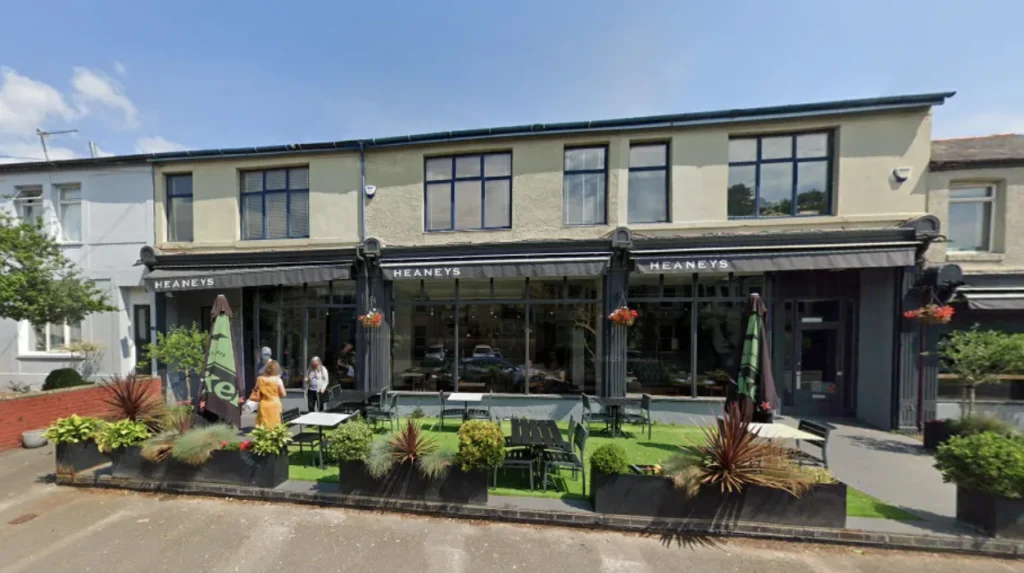
The top “worth the wait” restaurants in Cardiff city include several venues that justify planning ahead because of limited space, award‑level cooking, or high demand. Gorse in Pontcanna, opened in May 2024, became Cardiff’s first Michelin‑starred restaurant in February 2025 and seats around 22 diners, offering a multi‑course tasting menu centred on modern Welsh flavours such as trout cured with lemon verbena and smoked over hay. The restaurant is worth the wait because it delivers Michelin‑level technique in a small‑room setting, with changing seasonal menus and reservations that often open 4–8 weeks in advance and sell out quickly. Heaneys in the Castle Quarter has operated since 2018 and is consistently ranked among Cardiff’s top restaurants for expertly prepared fish and grilled meats, including dishes such as lamb and nori Wellington, with live‑flame cooking, an extensive wine list, and booking lead times of around 3–6 weeks for weekend evenings.
The Potted Pig in the Castle Quarter occupies a converted subterranean bank vault near Cardiff Castle and offers seasonally changing menus featuring dishes like Madgets Farm duck breast with confit potatoes, carrot purée, and confit duck‑leg fritter, plus rich desserts such as chocolate brownie with cherry‑brandy cream. The restaurant’s unique atmosphere, limited capacity, and strong Sunday‑roast demand make lunch‑time and weekend bookings worth the wait.

La Cigale in Cardiff Bay is a long‑standing French brasserie known for bistro‑style dishes, including steak frites, seafood platters, and classic desserts, which retain a strong local following and attract visitors due to its river‑front location and weekend queues. Additional notable venues include Juboraj of Rhiwbina, a popular Indian restaurant praised for attentive service and complex spice work; The Besta‑Wan Pizza House in the city centre, which draws long queues for weekend slices; and Ki’s Restaurant, a premium casual spot known for healthy, locally sourced dishes and a high‑view setting. These venues differ in style but share high demand, limited table‑turn efficiency, and strong digital reputations, which pushes diners to book or queue.
How do Cardiff’s Michelin‑listed restaurants perform in 2026?
Although Cardiff still has fewer Michelin‑listed venues than London or Manchester, the city’s 2026 cohort includes Gorse and several other Michelin‑Bib‑Gourmand or “Recommended” spots. Gorse holds one Michelin star and is recognised for its compact, ingredient‑focused tasting menus that emphasise modern Welsh flavours and seasonal ingredients. The Sorting Room and Hiræth are also listed in the Michelin Guide for Cardiff, offering elevated British and modern European cuisine respectively, with strong attention to sourcing and technique. These restaurants are typically “worth the wait” because they pass Michelin inspections for consistency, ingredient quality, and service, restrict table numbers and multi‑course formats which constrains capacity, and draw diners from Newport, Swansea, and Bristol, raising booking pressure. For 2026, Cardiff’s Michelin‑listed scene is small but growing, with continued emphasis on Welsh‑rooted menus and seasonal availability.
What data and statistics support Cardiff’s “worth the wait” status?
Cardiff’s restaurant scene in 2026 is reflected in several measurable indicators that support the “worth the wait” label. City‑centre restaurants such as Gorse, Heaneys, and The Potted Pig regularly log 4.5–4.8‑star averages on major review platforms, with hundreds of reviews each, indicating high satisfaction and repeat‑visit behaviour. National ranking placements also reinforce this status, with guides such as The 50 best restaurants in Wales in 2026 listing multiple Cardiff venues in the top 20, including Gorse and Heaneys, which signals strong critical recognition beyond local audiences. Booking lead times provide further evidence, as reservation platforms show that popular city restaurants often require 3–8 weeks’ notice for Friday and Saturday evenings, with same‑week slots reserved for mid‑week or off‑peak service. These figures show that Cardiff diners are not only visiting but returning and recommending venues, which strengthens the “worth the wait” reputation across the city’s core districts.
How do these restaurants impact Cardiff’s food tourism?
Cardiff’s 2026 “worth the wait” restaurants significantly boost food tourism within South Wales and beyond. The city’s central location, good rail links, and proximity to the M4 attract visitors from London, Bristol, and Newport who plan short trips around a specific dinner at a top city restaurant. Hotels and guesthouses near the Castle Quarter and Pontcanna benefit from diners who book both rooms and restaurant tables on the same weekend, creating a multiplier effect on overnight stays and local spending. Walkable circuits now combine Cardiff Bay restaurants such as La Cigale with Castle Quarter fine dining venues including Gorse, Heaneys, and The Potted Pig, encouraging multi‑stop food trails that can span lunch and dinner. Theatre‑goers, concert‑attendees, and conference delegates in Cardiff increasingly treat top restaurants as core parts of their itineraries, not afterthoughts, which deepens the city’s profile as a compact, high‑value food destination. This pattern makes Cardiff a regional food‑travel hub, where the city’s “worth the wait” slate acts as a magnet for repeat visits and cross‑border tourism.
What does the future hold for Cardiff’s “worth the wait” restaurants?
Through the late 2020s, Cardiff is expected to see more Michelin‑style expansions, additional Welsh‑focused tasting‑menu venues, and greater special‑occasion demand. The city’s 2026 “worth the wait” list is likely to grow, especially if properties in the Castle Quarter and Pontcanna continue to support high‑end, small‑room concepts that can maintain tight quality control. Local suppliers and farmers will remain crucial, as strong partnerships with city restaurants help sustain ingredient quality, seasonality, and marketing narratives around Welsh produce. Online booking and AI‑driven recommendation tools will further highlight Cardiff as a compact, high‑value food destination, steering more visitors to the city’s best tables. For Cardiff residents and visitors, the implication is that planning ahead will remain essential for top tables, with the city’s best restaurants continuing to reward patience through technically proficient cooking, seasonally driven menus, and memorable settings that reflect Cardiff’s evolving food culture.