Cardiff, the vibrant capital of Wales, has long embraced green infrastructure as a cornerstone of its urban identity. This network of natural and semi-natural elements weaves through the cityscape, delivering ecological, social, and economic benefits that stand the test of time.
- Defining Green Infrastructure in Cardiff
- Historical Evolution of Cardiff’s Greenspaces
- Key Policy Frameworks Driving Development
- Prominent Green Spaces and Parks
- Urban Forests and Tree Canopy Expansion
- Sustainable Drainage Systems (SuDS) Innovations
- Biodiversity Enhancement Strategies
- Flood Resilience Through Nature-Based Solutions
- Health and Well-Being Benefits
- Economic Impacts and Job Creation
- Community Engagement and Future Plans
- Challenges Facing Cardiff’s Green Network
- Case Studies of Transformative Projects
- Integrating Green Infrastructure in New Developments
- Measuring Success and Ongoing Monitoring
- Global Context and Cardiff’s Leadership
From historic parks to innovative sustainable drainage systems, Cardiff’s green infrastructure supports biodiversity, mitigates flooding, and improves resident well-being. As climate challenges intensify, these assets prove essential for a resilient future.
Defining Green Infrastructure in Cardiff
Green infrastructure refers to the interconnected web of green spaces, waterways, and natural features intentionally integrated into urban planning. In Cardiff, it encompasses parks, woodlands, wetlands, street trees, and sustainable urban drainage systems (SuDS).
This approach aligns with the Cardiff Local Development Plan’s Policy KP16, which mandates protection and enhancement of these assets. The city’s Green Infrastructure Supplementary Planning Guidance (SPG) provides detailed directives, ensuring developments contribute positively rather than detract.
Unlike traditional “grey” infrastructure like concrete drains, green alternatives mimic natural processes. They absorb rainwater, cool overheated streets, and foster habitats, creating multifunctional urban environments that evolve with community needs.
Historical Evolution of Cardiff’s Greenspaces
Cardiff’s green legacy traces back to the 19th century Victorian era, when industrial growth spurred public park creation. Bute Park, adjacent to Cardiff Castle, emerged in the 1870s from the Marquess of Bute’s estate lands, transforming former private grounds into public recreation areas.
Roath Park followed in 1894, featuring a boating lake formed by damming the Nant Fawr stream. These early spaces addressed urban health crises, providing fresh air amid coal port expansion. Post-war reconstruction further embedded greenery, with post-1940s planning prioritizing open spaces.
The late 20th century saw strategic shifts. The 1990s Cardiff Bay regeneration incorporated wetlands and boardwalks, blending nature with redevelopment. By the 2000s, climate awareness elevated green infrastructure, culminating in formal policies like the Green Infrastructure Plan.
Key Policy Frameworks Driving Development
Cardiff Council’s Green Infrastructure SPG, tied to the Local Development Plan 2006-2026, sets ambitious targets. It outlines six objectives: protecting ecosystems, enhancing connectivity, improving accessibility, supporting health, boosting economy, and adapting to climate change.
The Stronger Fairer Greener strategy reinforces this, aligning with the One Planet Cardiff vision for carbon neutrality by 2030. It emphasizes multifunctional greenspaces that deliver biodiversity net gain and flood risk reduction.
Government mandates, including the Flood and Water Management Act 2010, compel SuDS integration in new developments. These policies ensure green infrastructure isn’t peripheral but central to urban growth, safeguarding Cardiff’s natural capital for generations.
Prominent Green Spaces and Parks
Bute Park spans 130 acres along the River Taff, hosting flower gardens, sports fields, and an arboretum with rare trees. Its proximity to the city center makes it a daily hub for joggers, families, and events, exemplifying accessible urban greenery.
Roath Park’s 100-acre layout includes a Scottish lake stocked with fish, rose gardens, and a historic Scott Memorial Lighthouse. Restored wetlands here enhance birdlife, demonstrating how legacy parks adapt to modern ecological demands.
Llandaff Fields and Pontcanna Fields offer expansive meadows for picnics and cycles, linked by the Taff Trail. These spaces form part of a 20-mile green corridor, promoting active travel and wildlife corridors across Cardiff.
Urban Forests and Tree Canopy Expansion
Cardiff’s urban forest boasts over 200,000 street trees, contributing to a 20% canopy cover target. Initiatives like the Cardiff Trees for Streets program plant species resilient to pollution and drought, such as London planes and limes.
Woodland areas like Forest Farm Nature Reserve preserve ancient oak habitats, supporting rare butterflies and bats. Community tree planting events engage residents, fostering ownership and sustaining long-term maintenance.
Trees mitigate the urban heat island effect, with studies showing shade reduces summer temperatures by up to 5°C. This cooling, combined with air purification, directly improves public health in densely populated neighborhoods.
Sustainable Drainage Systems (SuDS) Innovations
SuDS represent Cardiff’s cutting-edge green infrastructure. The Greener Grangetown project, completed around 2018, introduced 127 trees, 108 rain gardens, and 1,700m² of new green space along the Taff Trail.
These features attenuated stormwater during events like Storm Callum, preventing sewer overloads. Rain gardens filter pollutants, while tree pits capture runoff, delivering benefits valued at over £8.4 million including safer junctions and cycle paths.
Wood Street’s regeneration near Central Station followed suit, with ARUP-designed tree pits and rain gardens easing flood risks post-WWII reconstruction. This scheme cools heat islands via evapotranspiration, enhancing pedestrian-friendly public realms.
Biodiversity Enhancement Strategies
Cardiff’s greenspaces host over 2,000 plant species and diverse wildlife. The Green Infrastructure Plan prioritizes habitat connectivity, creating stepping stones for pollinators across fragmented urban landscapes.
Wetland restoration in Cardiff Bay’s Mermaid Quay attracts waders and kingfishers. Native wildflower meadows in Victoria Park boost insect populations, countering declines from intensive agriculture.
Protected sites like Cardiff Wetlands comprise SSSIs (Sites of Special Scientific Interest), safeguarding rare flora. Council-led monitoring ensures biodiversity net gain in developments, aligning with Wales’ Nature Recovery Action Plan.
Flood Resilience Through Nature-Based Solutions
Prone to tidal surges from the Bristol Channel, Cardiff leverages green infrastructure for defense. The Cardiff Internal Drainage Board integrates SuDS with flood plains, storing excess water naturally rather than channeling it seaward.
Projects like the River Taff corridor use permeable surfaces and swales to slow runoff. During 2020 floods, these reduced urban inundation, proving cost-effective over hard engineering. Modeling predicts 20% risk reduction city-wide.
Community involvement, via flood warden schemes, maintains these assets, embedding resilience in local culture. This hybrid approach future-proofs against intensifying rainfall patterns.
Health and Well-Being Benefits
Access to green spaces correlates with lower stress and higher activity levels. Cardiff’s 2km green space rule ensures most residents reach nature within walking distance, slashing obesity rates.
Therapeutic gardens in places like Roath Mill Gardens aid mental health recovery. Studies link tree-lined streets to fewer respiratory issues, as foliage traps particulate matter.
During lockdowns, parks saw 40% usage spikes, underscoring social value. Equitable distribution targets deprived areas, addressing health inequalities through prescriptive “green time.”
Economic Impacts and Job Creation
Green infrastructure generates tourism revenue; Bute Park’s festivals draw 500,000 visitors yearly. Property values rise 5-20% near quality greenspaces, stimulating local economies.
Construction of SuDS projects employs landscapers and engineers, with Greener Grangetown creating apprenticeships. Maintenance sustains ongoing jobs, while ecosystem services save millions in flood cleanup.
Attracting businesses, Cardiff’s green credentials support tech and creative sectors valuing quality of life. The approach yields £4 return per £1 invested, per economic assessments.
Community Engagement and Future Plans
Cardiff’s Friends of Parks groups maintain sites, planting thousands of trees annually. The Green Flag Award scheme recognizes excellence, with 20 sites certified.
The Green Infrastructure Plan eyes 30% canopy increase by 2030, alongside wild corridors. Partnerships with Wildlife Trusts expand reserves, integrating public input via consultations.
Youth programs like Forest School teach ecology, ensuring stewardship. Digital mapping tools let residents track projects, fostering transparency and pride.
Challenges Facing Cardiff’s Green Network
Urbanization pressures fragment habitats, with development threatening 10% of greenspaces. Aging trees succumb to pests like ash dieback, demanding replanting.
Funding shortfalls challenge maintenance; climate shifts bring droughts stressing water-dependent features. Invasive species, such as Himalayan balsam, require vigilant control.
Despite policies, enforcement varies, with some SuDS poorly adopted post-build. Balancing recreation with conservation strains popular parks during peaks.
Case Studies of Transformative Projects
Greener Grangetown exemplifies multi-benefit design. By 2019, it transformed a deprived area with cycle-priority streets and green buffers, surviving extreme weather while enhancing liveability.
Wood Street’s post-2019 scheme opened station plazas with shaded, flood-resilient paving. Daily use by thousands validates its recreation-flood dual role, inspiring city-wide replication.
Cardiff Bay’s barrage wetlands, since 2000, filter pollutants and host seals, merging ecology with waterfront leisure. These prove scalable models for dense urban renewal.
Integrating Green Infrastructure in New Developments
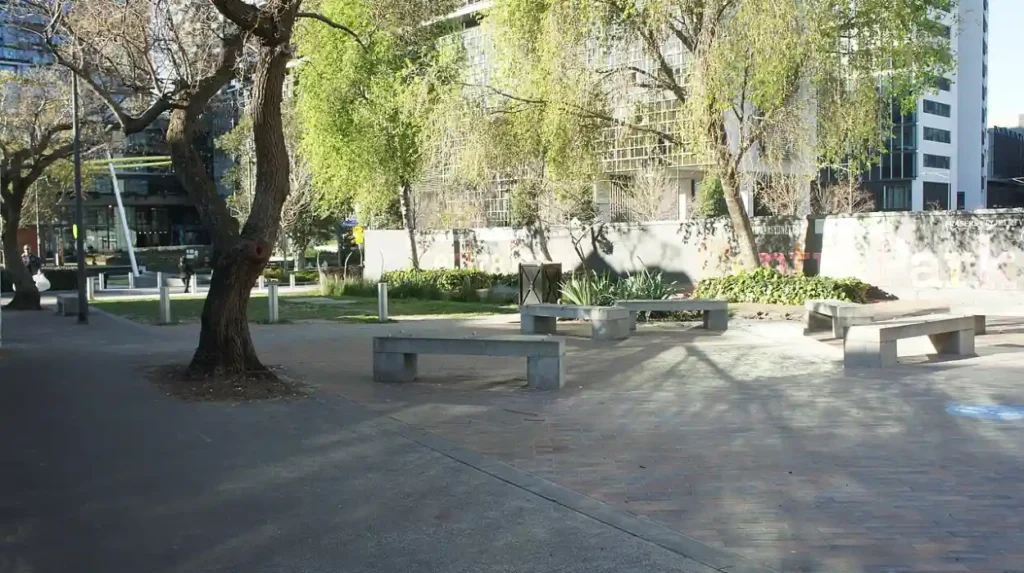
Planning requires 10-20% green space in builds, with SuDS mandatory. Developers fund enhancements via Section 106 agreements, creating linked networks.
Pocket parks in housing estates boost density without sacrificing nature. Living walls and green roofs on towers expand canopy vertically, suiting space-scarce zones.
Monitoring apps track performance, ensuring long-term viability. This developer-council synergy embeds sustainability from inception.
Measuring Success and Ongoing Monitoring
Metrics include biodiversity indices, flood volume captured, and visitor numbers. Annual audits via the Green Infrastructure Assessment gauge progress against SPG targets.
Citizen science apps log species sightings, refining strategies. Economic valuations quantify avoided costs, justifying budgets. Adaptive management tweaks designs based on data.
Success shows in awards; multiple Green Flag winners reflect excellence. These tools ensure accountability and continuous improvement.
Global Context and Cardiff’s Leadership
Cardiff mirrors global leaders like Singapore’s Garden City, but adapts to Welsh contexts. Its SuDS exceed UK averages, positioning it as a model for flood-prone cities.
International collaborations share knowledge, via EU-funded LIFE projects. Locally, it inspires Welsh valleys’ retrofits, exporting expertise.
As net-zero ambitions rise, Cardiff’s integrated approach offers replicable blueprint, blending heritage with innovation for sustainable urbanism.