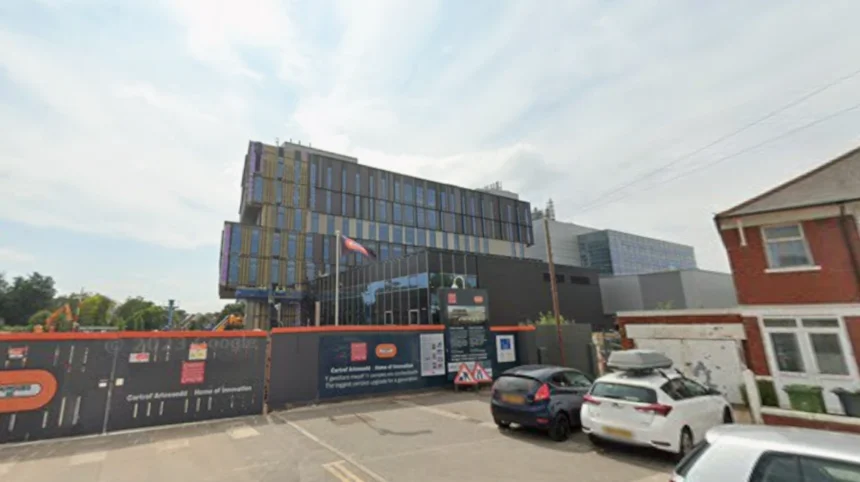
In early February 2026, a serious incident at Cardiff University’s Translational Research Hub on Maindy Road in Cathays led to the death of a member of academic staff, sending shockwaves through the university community and the wider city. Emergency services were called to the building at around 3.45pm after reports that a man had fallen from the fifth floor. Despite the efforts of police and paramedics, he was pronounced dead at the scene.
- What is known about the Maindy Road incident?
- The university and police response
- Impact on staff, students and the local community
- Safety, wellbeing and university responsibilities
- Why avoiding speculation matters
- Support and resources for those affected
- How the incident fits into the wider Cardiff context
This article explains what is publicly known about the Maindy Road incident, how the university and police responded, and what support is available for staff, students and local residents. It also explores wider questions about safety, wellbeing and how institutions can learn from tragedies without engaging in speculation or assigning blame. The aim is to give readers in Cardiff and across the UK a clear, respectful and evergreen overview that will remain useful long after the initial headlines have faded.
What is known about the Maindy Road incident?
South Wales Police received a report at around 3.45pm on a Friday afternoon that a man had fallen from the fifth floor of a Cardiff University building on Maindy Road, part of the university’s Translational Research Hub in Cathays. Emergency services attended quickly, but the man – a member of academic staff – was confirmed dead at the scene.
Police said there were no indications of suspicious circumstances, and the death was being treated as unexplained but not believed to involve third-party involvement at that stage. The man’s next of kin and HM Coroner were informed, and formal identification followed in the days after the incident.
Cardiff University described it as a “serious incident involving a member of university academic staff” and stressed that it was important not to speculate about the cause while investigations were ongoing. The Translational Research Hub, where the fall occurred, is a modern facility focused on innovation and research, and its location on Maindy Road means the response was highly visible to local residents and commuters.

The university and police response
In the immediate aftermath, South Wales Police secured the scene around the Maindy Road building, both to support their inquiry and to ensure public safety while emergency services worked. Officers took statements and reviewed available evidence, a standard process whenever a sudden or unexplained death occurs in a public place.
Cardiff University issued statements confirming the death and expressing condolences to colleagues, friends and family, while also cooperating fully with the police and other agencies. A spokesperson emphasised that this was a developing situation and that it would be inappropriate to comment on specific circumstances until formal investigations and coroner processes were complete.
Senior university leadership later paid tribute to the staff member as a respected academic and valued colleague, highlighting his contribution to research and teaching. Public communication focused on three priorities: recognising the human loss, supporting those affected, and avoiding speculation that could add distress or spread misinformation.
Impact on staff, students and the local community
A sudden death on a university campus, particularly one involving a visible emergency response on a main road, has a deep emotional impact. Staff and students may have witnessed the scene on Maindy Road or heard about it quickly through social media and local news outlets. Even those not directly connected to the individual can experience shock, sadness or anxiety.
Cardiff University urged anyone affected to access internal support services, including counselling and wellbeing teams. Universities across the UK typically see a spike in demand for mental health support after a critical incident, and data from higher education surveys suggest that around a quarter of students report experiencing mental health difficulties during their studies, underlining the importance of robust support systems.
For local residents in Cathays and around Maindy Road, the sight of multiple police vehicles and ambulances can be unsettling, particularly in an area already busy with student life and traffic. Clear communication from authorities helps reassure the community that there is no ongoing danger while also respecting the privacy of the deceased and their family.
Safety, wellbeing and university responsibilities
Whenever a serious incident happens on campus, questions naturally arise about safety measures, building design and the broader culture of wellbeing within the institution. While police stated there were no suspicious circumstances in this case, every such event prompts internal reflection about whether more can be done to protect staff and students.
Universities typically respond by reviewing access controls, signage, physical barriers in high places, and emergency response protocols in line with health and safety regulations. Modern facilities like the Translational Research Hub are usually built to current safety standards, but management may still examine whether additional measures could reduce risks further, particularly in areas such as balconies, stairwells or open atriums.
At the same time, institutions are increasingly aware that safety is not only about physical infrastructure but also about mental health and workplace culture. UK-wide, staff surveys and national statistics show rising levels of stress and workload pressure in higher education, making proactive wellbeing policies essential. Initiatives such as confidential counselling, mental health first-aider schemes, and training for line managers can help staff access support before a crisis develops.
Why avoiding speculation matters
From an ethical and legal perspective, there are strong reasons why authorities and universities consistently urge the public not to speculate when a sudden death occurs. First, premature assumptions – especially when shared online – can cause acute distress to the family, friends and colleagues of the person who has died.
Second, speculation can interfere with formal processes such as a coroner’s inquest or internal investigations. These procedures exist to establish facts, consider any systemic issues and, where appropriate, make recommendations to prevent future tragedies. They rely on evidence, not rumours, so allowing professionals to do their work without public pressure or misinformation is crucial.
Finally, the language used around incidents like the Maindy Road death can influence how bereavement and mental health are understood in the wider community. Responsible reporting and measured discussion help reduce stigma and encourage those who are struggling to seek help, rather than reinforcing fear or sensationalism. For Cardiff residents and the UK university sector more broadly, this case is a reminder of the need for careful, compassionate communication in the aftermath of tragedy.
Support and resources for those affected
In the wake of the Maindy Road incident, Cardiff University advised staff and students to make use of its wellbeing and support services, which typically include counselling, drop‑in sessions, and referrals to specialist help where needed. These services are designed not only for those who knew the deceased personally, but also for anyone who feels unsettled or distressed by what happened.

Local NHS services and third‑sector organisations in Cardiff also play a key role, offering mental health support and crisis intervention. In the UK, national helplines and charities provide confidential listening and advice for people experiencing emotional distress, grief or thoughts of self‑harm, and universities usually signpost these options alongside their own provision. Seeking help early – whether through a GP, a counsellor, or a trusted support line – can make a significant difference to how individuals cope with shock and loss.
For residents living near Maindy Road, community networks, faith groups and local organisations can also provide informal spaces to talk and process feelings. Even simple steps such as checking in on friends, housemates or colleagues, or taking time away from distressing coverage, can contribute to collective resilience after a high‑profile incident.
How the incident fits into the wider Cardiff context
Cardiff is a growing, diverse university city where tens of thousands of students and staff live, work and socialise alongside long‑term residents. Major campuses, including Cathays and Maindy Road, are closely woven into residential streets, main routes and local businesses. When something serious happens in such a visible setting, it resonates well beyond the university itself.
Local media, community pages and neighbourhood groups often act as the first source of information for many people, which makes accurate reporting particularly important. Coverage of the Maindy Road death has generally focussed on verified facts, official statements and the human impact, rather than speculation about motive or blame. This approach helps preserve trust between the university, authorities and the wider public.
In the longer term, tragedies can prompt constructive conversations about how institutions like Cardiff University engage with their communities on issues such as safety, mental health, campus security and support services. While no policy can remove all risk, openness about lessons learned and improvements made can reassure staff, students and residents that concerns are taken seriously.
The death of a Cardiff University staff member at the Translational Research Hub on Maindy Road was a sudden and deeply distressing event for colleagues, students and the wider Cardiff community. Police confirmed that the man fell from the fifth floor of the building and was pronounced dead at the scene, with no immediate evidence of suspicious circumstances, while the university expressed condolences and cooperated with ongoing investigations.
Beyond the immediate facts, the incident highlights enduring themes that matter to universities and cities across the UK: the importance of robust safety measures, accessible mental health support, and sensitive communication that avoids speculation. For readers, the most constructive response is to stay informed through reliable sources, use or signpost support services when needed, and foster a culture in which staff, students and neighbours feel able to talk about wellbeing before crises occur.