Social clubs in Cardiff have long served as the heartbeat of community life, offering spaces for connection, entertainment, and shared traditions that endure across generations. These venues weave together the city’s rich history, from industrial roots to modern multicultural vibrancy, making them timeless hubs for locals seeking belonging and leisure.
- Origins in Industrial Cardiff
- Iconic Workingmen’s Clubs Today
- Ethnic and Cultural Social Hubs
- LGBTQ+ Venues and Milestones
- University and Student Social Circles
- Arts and Performing Social Spots
- Sports and Recreation Clubs
- Modern Evolution and Challenges
- Membership Benefits Explored
- Nightlife Integration in Clubs
- Community Impact and Future Outlook
- Profiles of Lesser-Known Gems
- Events Calendar Staples
- Dining and Culinary Traditions
- Youth and Family Engagement
- Economic Role in Local Economy
Origins in Industrial Cardiff
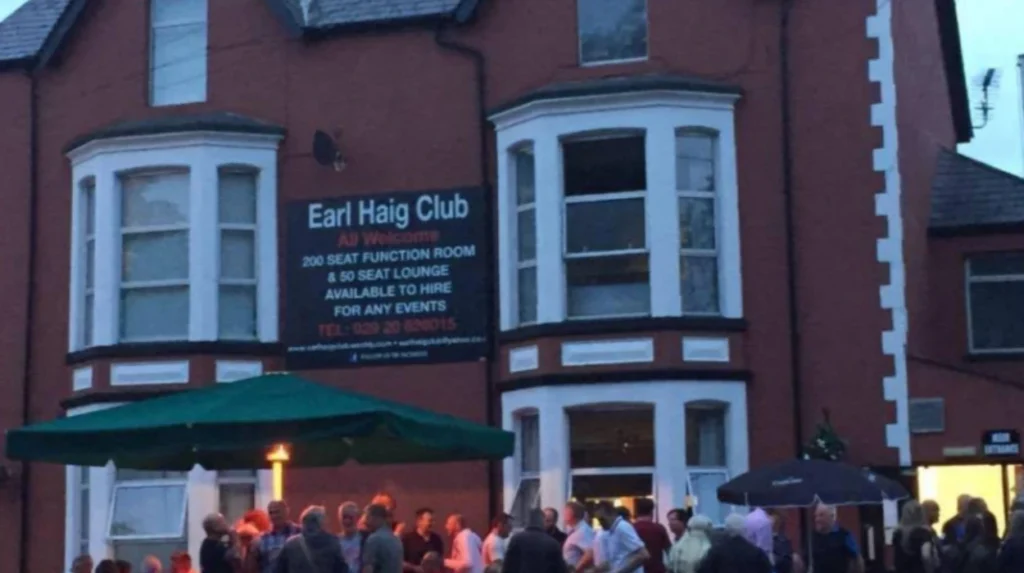
Cardiff’s social clubs emerged prominently during the late 19th and early 20th centuries, fueled by the city’s explosive growth as a coal port. Workers from the docks, mines, and factories craved respite from grueling shifts, leading to the establishment of workingmen’s clubs that provided affordable drinks, games, and camaraderie. These institutions, often affiliated with the Congress of Workingmen’s Clubs, became pillars of working-class culture, hosting everything from live music to political debates.
By the 1920s, Cardiff boasted hundreds of such clubs, reflecting the city’s diverse workforce that included Irish, Italian, Somali, and Welsh communities. They offered a stark contrast to the formal pubs, emphasizing member-only access to foster loyalty and mutual support. This model not only sustained families through economic hardships but also preserved cultural practices, like Irish céilí dances or Italian card games, embedding Cardiff’s social fabric with global influences.
Iconic Workingmen’s Clubs Today
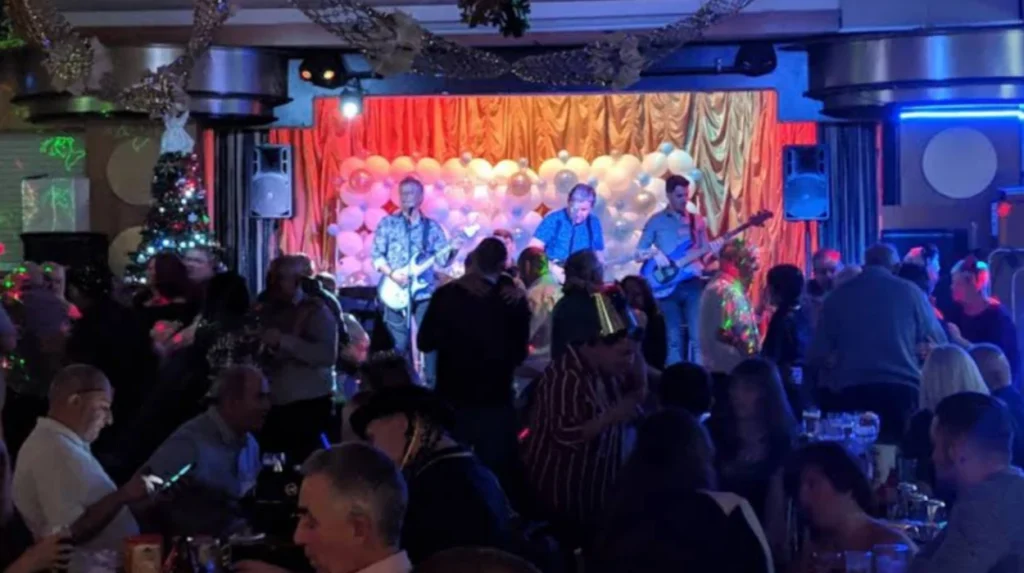
The Lyndon Club in Grangetown stands as a enduring emblem of Cardiff’s club heritage. Tucked along Clare Road, this venue has evolved from a modest post-war gathering spot into a multifaceted community center. It hosts bingo nights, live bands, and family events, drawing generations who reminisce over its polished wooden bars and memorabilia-laden walls. Regulars praise its role in bridging divides, where dockers’ descendants mingle with young professionals over pints and pool.
Similarly, the Grange Stars Social Club continues to thrive, known for its raucous karaoke sessions and charity fundraisers. These clubs maintain low membership fees, often under £20 annually, ensuring accessibility. Their resilience amid pub closures underscores their appeal: a sense of ownership and tradition that commercial nightlife can’t replicate.
Ethnic and Cultural Social Hubs
Cardiff’s multicultural tapestry shines through its ethnic social clubs, which have preserved heritage amid integration. The Cardiff Jewish Institute and Social Club, opened in 1910 at the Metropole Buildings in the Hayes, exemplifies this legacy. Initially featuring lectures, cricket matches, and whist drives, it merged with the Jewish Social Club in 1933, adding a kosher restaurant that hosted stars like Nellie Wallace and the Inkspots. Though relocated over time, its spirit lives on in events supporting local charities, from the Royal Infirmary to the Institute for the Blind.
Yemeni and Somali clubs in Butetown, such as those tied to the Tiger Bay community, emerged from early 20th-century seafaring ties. These spaces offered halal meals, backgammon tournaments, and storytelling nights, safeguarding identities during times of prejudice. Today, they host cultural festivals, blending traditional qat sessions with modern music, attracting younger generations eager to reclaim narratives of Cardiff’s global firsts—like the UK’s oldest Black and Asian community.
LGBTQ+ Venues and Milestones
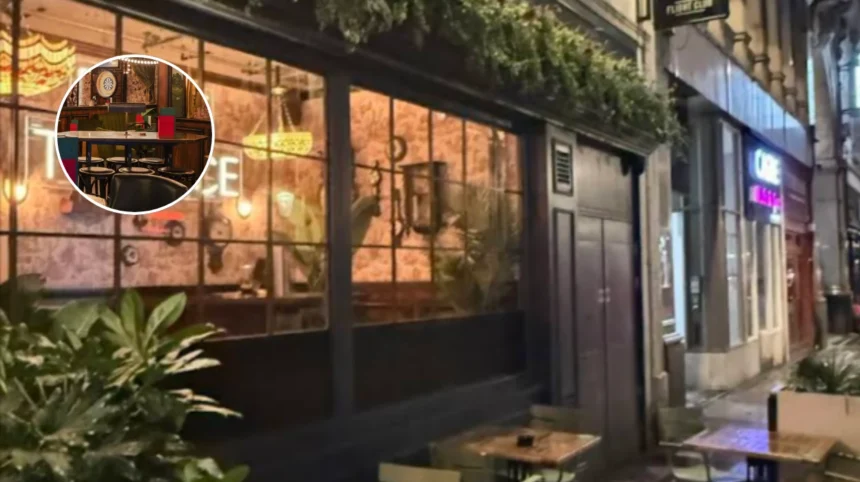
The 1970s marked a pivotal era for Cardiff’s LGBTQ+ social scene, post-1967 decriminalization. The King’s Cross at 25 Caroline Street, Cardiff’s first official gay bar from 1972 to 2011, became the epicenter of gay life. Adorned with a portrait of King James VI and I, it served as a safe haven for Cardiff University’s Gay Society, hosting coming-out gatherings and dances. Cadw listed the Victorian building in 1999 for its cultural significance before it reopened as the Corner House.
Nearby, the Blue Anchor on St Mary Street pioneered gay discos and activism. In 1971, it hosted the Cardiff Gay Liberation Front’s first meetings, sparking Wales’ inaugural gay rights march. The Campaign for Homosexual Equality formed there in 1972, advocating for equal consent ages. Now a cocktail bar and restaurant, its Dutch Renaissance architecture remains listed, a silent testament to civil rights struggles.
University and Student Social Circles
Cardiff University’s social clubs cater to a youthful, transient population, fostering lifelong networks. The Cardiff University Students’ Union oversees societies from chess to salsa, with venues like the SU Bar hosting open-mic nights and themed parties. These clubs emphasize inclusivity, with over 170 groups promoting mental health through peer support and wellness events.
Halls of residence clubs, such as those at Talybont, organize inter-hall competitions in sports and quizzes, building camaraderie among 10,000 students. Evergreen in appeal, they adapt traditions—like annual balls—to contemporary issues, ensuring relevance in a digital age.
Arts and Performing Social Spots
Cardiff’s arts-focused social clubs blend creativity with socializing, drawing enthusiasts year-round. Chapter Arts Centre in Canton operates as a de facto social hub, with its bar hosting post-show gatherings for theatergoers and filmmakers. Events feature live jazz, poetry slams, and workshops, creating organic networking opportunities.
The Mermaid Quay-based social scene at Pierhead ties into cultural institutions like the Wales Millennium Centre. Informal clubs form around opera viewings and art exhibitions, where patrons linger over Welsh craft ales. These venues highlight Cardiff’s creative renaissance, supported by public funding that keeps entry affordable.
Sports and Recreation Clubs
Sports underpin many Cardiff social clubs, promoting fitness and fellowship. The Cardiff Athletic Club, rooted in 1874, integrates rugby, cricket, and athletics with social facilities at Cardiff Arms Park. Members enjoy post-match analyses in the clubhouse, a ritual sustaining the city’s rugby obsession.
Golf clubs like Radyr Golf Club offer social memberships blending 18-hole rounds with bridge afternoons and guest speakers. These evergreen pursuits attract retirees and professionals alike, with reciprocal arrangements extending play to courses nationwide. Bowls clubs in Victoria Park provide gentle competition, culminating in summer barbecues that embody leisurely Welsh summers.
Modern Evolution and Challenges
Social clubs in Cardiff have adapted to 21st-century shifts, incorporating digital elements like event apps while preserving core rituals. Post-pandemic, many report membership surges, as locals seek authentic connections over virtual ones. However, challenges persist: rising costs and changing demographics threaten older venues, prompting mergers or renovations.
Government initiatives, via Cadw and local councils, protect historic sites through listings and grants. The Cardiff Heritage Trail highlights clubs’ roles, educating newcomers on their value. This blend of preservation and innovation ensures social clubs remain vital.
Membership Benefits Explored
Joining a Cardiff social club unlocks layers of value beyond leisure. Members gain discounted events, priority bookings, and reciprocal privileges at affiliated venues across Wales. Many clubs double as welfare networks, offering job boards, advice sessions, and hardship funds—echoing their Depression-era origins.
Health benefits abound: studies link regular club attendance to lower stress and stronger social ties, particularly for seniors. Families appreciate child-friendly policies, with clubs hosting holiday clubs and educational talks. Financially, they undercut commercial alternatives, with meals at £10 and drinks competitively priced.
Nightlife Integration in Clubs
While distinct from nightclubs, social clubs infuse Cardiff’s nightlife with character. The Yorkley Mansion in Gabalfa hosts soul nights drawing 200 patrons weekly, its dancefloor alive with Motown classics. These events preserve 1970s vibes, contrasting EDM-dominated superclubs.
Roath’s clubs, like those chronicled in local histories, feature cabaret and comedy, fostering intimate atmospheres. Patrons value the no-cover policies and familiar faces, creating loyalty absent in transient venues.
Community Impact and Future Outlook
Social clubs anchor Cardiff’s neighborhoods, funding local causes through raffles and collections. The Jewish Institute’s charitable legacy persists, mirroring broader trends where clubs donate thousands annually to infirmaries and hospices. They combat isolation in an aging city, with 20% of members over 65.
Looking ahead, sustainability drives change: eco-initiatives like solar panels and plastic-free bars align with Welsh green policies. Hybrid models—partnering with apps for virtual quizzes—broaden reach. As Cardiff grows toward 400,000 residents, these clubs promise continuity, inviting newcomers to its storied tradition.
Profiles of Lesser-Known Gems
The Albany Club in Roath, a understated powerhouse, specializes in folk music sessions that attract acousticians from afar. Its snug interiors host storytelling circles, preserving oral histories of Splott and Adamsdown.
In Whitchurch, the Hollybush Social Club emphasizes gardening clubs and pet shows, appealing to suburbanites. These niches highlight Cardiff’s diversity, ensuring every interest finds a home.
Penarth’s cliff-top clubs offer sea views alongside quizzes, bridging Cardiff with Vale communities. Their endurance proves social clubs’ adaptability, thriving on word-of-mouth over algorithms.
Events Calendar Staples
Evergreen events define club calendars: annual galas, Burns Nights, and St David’s Day suppers recur faithfully. The Lyndon Club’s Christmas fairs feature artisan stalls, while gay history commemorations at former venues educate and unite.
Quiz leagues pit clubs against each other, crowning champions amid cheers. These rituals reinforce identity, drawing tourists curious about authentic Welsh hospitality.
Dining and Culinary Traditions
Club kitchens champion hearty fare: faggots and peas, cawl, and bara brith sustain gatherings. Many enforce dress codes for dining rooms, elevating meals to social occasions. Specialties like the Grange Stars’ Sunday roasts serve 300 weekly, using local suppliers.
Vegetarian options grow, reflecting demographics, with halal and kosher accommodations standard in ethnic clubs. This inclusivity bolsters their role as communal tables.
Youth and Family Engagement
Forward-thinking clubs nurture youth through junior sections: football academies at athletic clubs, drama troupes at arts venues. Family quotas keep fees low, with kids’ discos building early loyalty.
Mentorship programs pair elders with teens, sharing skills like woodworking or Welsh language. This intergenerational glue fortifies clubs against generational shifts.
Economic Role in Local Economy
Clubs inject millions into Cardiff’s economy via supplier contracts and tourism. Bartenders and entertainers find steady work, while events boost nearby businesses. As anchors, they stabilize high streets amid chain closures.
Policy support, like reduced rates for community venues, sustains them. Their model—member-funded, volunteer-run—offers a blueprint for resilient localism.