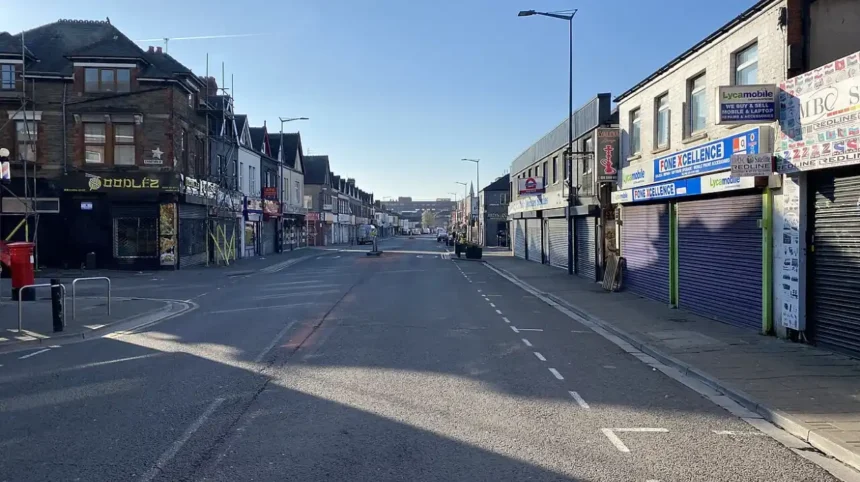
City Road in Cardiff stands as a vibrant artery connecting the bustling neighborhoods of Cathays and Roath, lined with takeaways, shops, and student accommodations that pulse with daily life. Yet beneath this energy lies a persistent eyesore: overflowing bins, scattered litter, and illegal fly-tipping that mar its pavements and gutters, frustrating residents and visitors alike. This evergreen issue, rooted in rapid urban growth and waste management strains, demands a closer look at its origins, impacts, and pathways to resolution.
- Historical Roots of Waste Woes on City Road
- Anatomy of the Modern Rubbish Problem
- Resident Frustrations and Daily Impacts
- Council Initiatives and Enforcement Efforts
- Environmental and Economic Toll
- Community-Led Solutions and Innovations
- Policy Reforms for Sustainable Change
- Health, Safety, and Quality of Life Improvements
- Future Outlook: A Cleaner City Road Horizon
Historical Roots of Waste Woes on City Road
Once known as Plucca Lane in the 19th century, City Road evolved from a quiet lane into a key thoroughfare amid Cardiff’s industrial boom, when coal trade swelled the population and strained basic services. Historical records reveal that even then, rubbish disposal was haphazard; residents tossed waste directly into streets, relying on infrequent scavenger carts that contractors deemed optional for lesser lanes like Plucca. Water carts to suppress summer dust were equally rare, foreshadowing modern complaints about neglected maintenance in this evolving corridor.
By the early 20th century, as Cardiff expanded into a major port city, City Road became integral to the Cathays and Plasnewydd wards, areas that transitioned from working-class housing to diverse commercial hubs. Government archives from the era note rudimentary waste collection systems overwhelmed by population influx, with open dumping common before formalized council oversight. This historical precedent set the stage for today’s challenges, where the road’s high footfall from students and businesses amplifies waste generation, echoing patterns unchanged over generations.
Academic studies on urban waste in Welsh cities highlight how such legacy issues persist; a paper from Cardiff University on municipal evolution underscores that roads like City Road, bridging residential and retail zones, have long battled inconsistent collections due to logistical bottlenecks. These insights reveal not just a surface problem but a deep-seated urban planning tension between growth and sanitation.
Anatomy of the Modern Rubbish Problem
Today, City Road exemplifies Cardiff’s broader waste struggles, with pavements cluttered by torn bin bags, food wrappers from takeaways, and dumped household items, especially peaking after holidays when collections shift. Photographs from Boxing Day 2025 captured gutters overflowing with debris, a scene repeated annually as festive waste overwhelms altered schedules, leaving residents navigating hazardous sidewalks. Near Glenroy Street, oil drums from eateries exacerbate the mess, turning the top end into a notorious hotspot.
The road’s demographics fuel this cycle: dense student populations in Cathays flats generate irregular waste patterns, while Roath’s independent shops and fast-food outlets produce bulky commercial refuse. Cardiff Council’s data shows Cathays and Plasnewydd issued 2,683 enforcement notices and 342 fixed penalty fines last year for improper disposal, rising to higher figures this year amid ongoing crackdowns. Fly-tipping—illegal dumping of large items—costs the city over £300,000 annually in clearances, with City Road frequently targeted due to its accessibility and bin proximity.
Environmental factors compound the issue; seagulls and foxes rip open bags, scattering contents further, while narrow pavements limit space for communal bins already strained by high turnover. Recent clean-up operations, like those on nearby Rover Way in February 2026, demonstrate council responsiveness but highlight reactive rather than preventive measures. This anatomy paints City Road not as an isolated case but as a microcosm of urban waste dynamics in growing cities.
Resident Frustrations and Daily Impacts
For locals like Maisie Tyler, a 22-year-old living meters from the road, the rubbish is more than unsightly—it’s a “nightmare” of slips and trips on greasy bags blocking paths. Elderly residents and parents with prams face amplified risks, voicing anger over “minging” litter strewn before shops like Clarence Hardware. Businesses suffer too; one owner near City Road lamented constant dumping outside his premises, blaming takeaway waste volumes and drawing repeated complaints.
Health concerns loom large, with exposed food waste attracting pests and posing contamination risks in a densely populated area. Studies from public health journals link such accumulations to increased respiratory issues from dust and odors, particularly affecting vulnerable groups in Cathays’ rental-heavy landscape. Economically, the blight deters foot traffic to independent retailers, undermining City Road’s role as a community hub amid Cardiff’s competitive retail scene.
Socially, the problem erodes neighborhood pride; forums and local journalism brim with resident pleas for action, framing it as a failure of civic responsibility shared between households, traders, and authorities. These voices underscore a human cost often overlooked in policy debates, transforming a functional street into a symbol of neglect.
Council Initiatives and Enforcement Efforts
Cardiff Council has ramped up responses, deploying waste blitz teams for targeted clean-ups and issuing thousands of notices to curb improper presentation—using wrong containers or timings that invite animal interference. In Cathays and Plasnewydd, efforts focus on education alongside penalties, with spokespeople emphasizing correct bagging to prevent rips. Fixed penalty notices, now totaling hundreds yearly, target both residents and businesses, signaling a zero-tolerance shift.
Collaborative measures include partnerships with universities to guide student waste habits, given Cathays’ large academic demographic, and bulk collections for commercial hotspots. Government sites detail expanded recycling schemes, like fortnightly food waste pickups, aimed at reducing overflow on roads like City Road. Yet enforcement challenges persist; contractors cite access issues, and holiday suspensions exacerbate piles.
Official reports praise these steps’ impact—over 2,600 notices issued—but admit persistent hotspots require sustained investment. This multi-pronged approach blends punishment with prevention, offering a model replicable across Cardiff.
Environmental and Economic Toll
Beyond aesthetics, City Road’s rubbish contributes to Cardiff’s landfill pressures, with Wales generating millions in improper waste annually per environmental agency data. Fly-tipping here accelerates soil and waterway pollution, as runoff carries plastics into the Rhymney River system, harming local biodiversity. Academic research from Swansea University quantifies such urban dumping’s carbon footprint, linking it to higher emissions from clearance vehicles.
Economically, clearance costs drain council budgets—£300,000-plus last year—diverting funds from parks or roads. For businesses, littered streets suppress trade; a study on Welsh high streets correlates cleanliness with 15-20% footfall boosts. Ratepayers bear indirect costs through fines and taxes, perpetuating a cycle where neglect hampers City Road’s potential as a thriving local economy.
Long-term, unchecked waste threatens Cardiff’s net-zero goals, with official strategies prioritizing zero fly-tipping by 2030 via tech like smart bins. Addressing this toll demands viewing rubbish not as isolated litter but as an interconnected urban liability.
Community-Led Solutions and Innovations

Residents aren’t passive; groups in Roath and Cathays organize litter picks, partnering with Keep Wales Tidy for monthly sweeps along City Road. These grassroots efforts, amplified by social media, foster ownership and pressure authorities, with volunteers clearing tons quarterly. Apps like Litterati enable geo-tagged reporting, crowdsourcing data for targeted council action.
Innovative pilots, such as underground bins trialed in similar Cardiff wards, show promise in high-density areas like City Road, reducing overflow by 40% per initial trials. Community composting hubs in Roath divert food waste, cutting bag volumes from takeaways and homes. Education campaigns, via schools and flyers, teach proper sorting, targeting students who form a waste-heavy demographic.
Success stories from comparable UK streets, like Manchester’s student zones, inspire: resident-business pacts halved fly-tipping through shared skips. Scaling these locally could transform City Road, blending community will with practical tools.
Policy Reforms for Sustainable Change
Government white papers advocate integrated waste strategies, urging Welsh councils to adopt pay-as-you-throw models that incentivize reduction, potentially slashing City Road’s volumes. Cardiff’s draft plans include AI-monitored cameras at hotspots, building on 2026 Rover Way successes where blitzes restored safety. Academic calls for zoning—separating commercial and residential collections—address root causes like takeaway drums.
Legislative tweaks, such as higher fines under the Environment Act, equip enforcers better, while subsidies for bin upgrades aid small traders. Long-term urban planning must incorporate waste infrastructure in regeneration schemes, ensuring City Road’s future builds resilience against growth.
These reforms, if implemented holistically, promise enduring cleanliness, drawing from evidence-based models in cities like Bristol.
Health, Safety, and Quality of Life Improvements
Clearing rubbish directly enhances safety; fewer trip hazards benefit pedestrians on this busy route, vital for Roath’s diverse populace including families and commuters. Public health gains follow, with reduced pest breeding grounds lowering infection risks, as evidenced by NHS Wales reports on urban litter correlations.
Quality of life surges in cleaner environs—fewer odors mean enjoyable strolls to shops, boosting mental well-being per environmental psychology studies. Vibrant streets attract events, from markets to festivals, revitalizing City Road as a community heart.
Sustained efforts yield compounding benefits, fostering pride and participation.
Future Outlook: A Cleaner City Road Horizon
Optimism stems from momentum: council blitzes, resident activism, and policy evolution signal progress. By 2030, smart tech and behavioral shifts could normalize pristine pavements, honoring City Road’s historical role while embracing modern sustainability. Stakeholders must align—residents sorting properly, businesses minimizing waste, authorities enforcing rigorously—for lasting victory.
This isn’t a quick fix but an evergreen commitment, turning a notorious rubbish strip into Cardiff’s model of urban harmony. Monitoring via annual audits ensures accountability, paving the way for pride in every pavement.