Community rugby clubs across Cardiff form a major part of the city’s sporting infrastructure. They provide pathways from junior and youth rugby into senior competition, support volunteers and coaches, and connect neighbourhoods with the wider Welsh rugby system. Cardiff’s community game also links directly with regional structures operated by the Welsh Rugby Union (WRU) and Cardiff Rugby.
- What is community rugby in Cardiff?
- Why does Cardiff have such a strong rugby club network?
- Which Cardiff neighbourhoods have community rugby clubs?
- Which Cardiff rugby clubs are playing in the 2026/27 community competitions?
- How does the Cardiff community rugby pathway work?
- What role does Caerau Ely RFC play in Cardiff community rugby?
- How do Cardiff rugby clubs support children and young players?
- How does women’s and girls’ rugby fit into Cardiff community clubs?
- What inclusive rugby opportunities are available in Cardiff?
- How do volunteers and coaches support Cardiff rugby clubs?
- How are Cardiff community rugby clubs connected to Cardiff Rugby?
- How do Cardiff community clubs contribute beyond rugby?
- How can Cardiff residents find the right community rugby club?
- What is the future of community rugby in Cardiff?
- Why are community rugby clubs important to Cardiff?
The term community rugby club refers to a local rugby organisation that provides organised participation outside the professional game. A community club can run junior, youth, women’s, men’s, social, inclusive or development rugby programmes. The exact structure differs between clubs.
Cardiff sits within the Cardiff Rugby regional system. Cardiff Rugby’s Community Foundation states that its work covers five unitary authorities, 16 Community First cluster areas, 76 community clubs, 61 secondary schools and 320 primary schools. Its stated community priorities include health, education, employability and inclusion.
The wider WRU community structure is equally significant. The WRU states that around 300 rugby clubs across Wales participate in its national community league system, which extends from the Premiership through geographical divisions.
For Cardiff residents, this means community rugby is not limited to senior Saturday fixtures. It includes children’s rugby, school connections, coaching, refereeing, volunteering, women’s and girls’ participation, inclusive rugby and structured progression into higher levels of the sport.
What is community rugby in Cardiff?
Community rugby in Cardiff is organised local rugby delivered through clubs, schools, coaches and volunteers. It covers junior, youth, senior, women’s, girls’, social and inclusive participation, linking neighbourhood sport with Cardiff Rugby and the WRU.
Community rugby operates at the participation level beneath the professional game. Its central purpose is regular access to rugby within local communities.
The WRU provides the national framework for community rugby in Wales. Its community programme supports players, coaches, referees, clubs and volunteers through competition, governance, development resources and participation opportunities.
Cardiff Rugby provides an additional regional connection. Its Community Foundation uses rugby programmes to support wider social objectives and works across a substantial network of community clubs and schools.
The distinction between professional and community rugby is important. Cardiff Rugby is a professional organisation, while local clubs operate as community organisations. The two levels are connected through player development, coaching, competitions, community programmes and regional activity.
Community clubs also provide different forms of participation. A child can begin with introductory rugby before entering age-grade competition. A teenager can progress through youth rugby. Adults can participate in senior teams or social rugby. People with disabilities can access adapted non-contact formats.
Why does Cardiff have such a strong rugby club network?
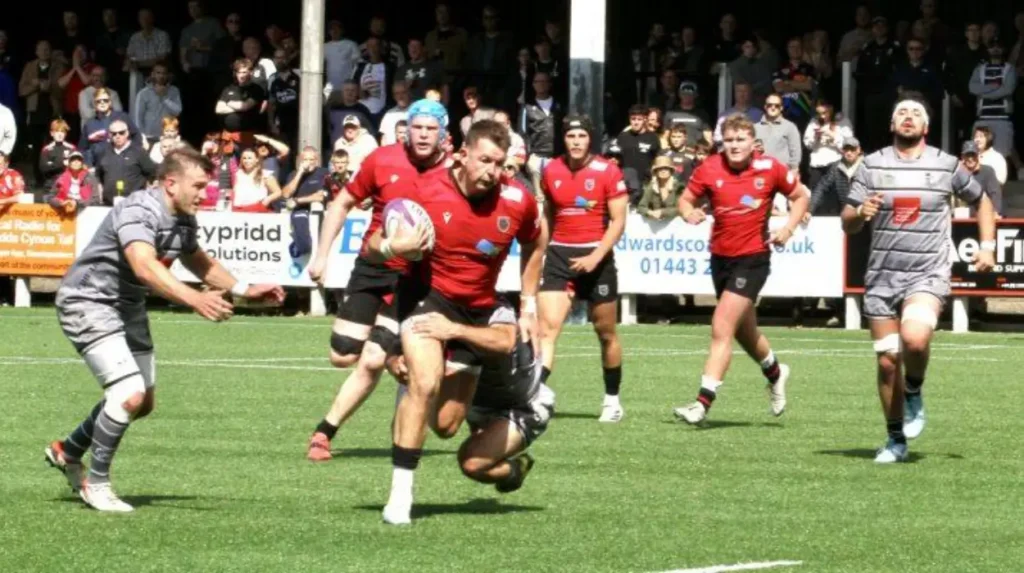
Cardiff has a strong rugby club network because rugby became embedded in Welsh sporting culture during the nineteenth century, while local clubs continued developing participation, competition, volunteers and community identity across successive generations.
Rugby has a long history in Cardiff and Wales. The WRU traces the organised development of rugby in Wales to the nineteenth century, when rugby rules were adopted by the South Wales Football Club in 1875.
Cardiff was one of the 11 clubs involved in the meeting at the Castle Hotel in Neath on 12 March 1881 that established the Welsh Rugby Football Union. The other founding clubs included Swansea, Lampeter, Llandeilo, Newport, Llanelli, Merthyr, Llandovery, Brecon, Pontypool and Bangor.
That history gives Cardiff an important place within Welsh rugby administration and culture. The city’s rugby infrastructure subsequently developed through professional, amateur, school and community organisations.
The historic role of Cardiff RFC is particularly important. Cardiff RFC is now part of the modern elite domestic structure and was awarded a licence for Wales’s Elite Domestic Competition from the 2024/25 season. The WRU identified its relationship with Cardiff Rugby, player development record, community reach and geographical position as factors in its successful application.
The community network is therefore part of a much longer rugby ecosystem. Clubs provide participation at neighbourhood level while professional and representative organisations provide higher competitive pathways.
Which Cardiff neighbourhoods have community rugby clubs?
Community rugby activity is distributed across Cardiff and surrounding communities, with clubs and teams associated with areas including Caerau, Ely, Rumney, Llanishen, Llandaff, Whitchurch, Fairwater, Rhiwbina, Pentyrch and St Albans.
Cardiff’s geography gives residents access to rugby through different parts of the city. The WRU’s 2026/27 community competition information identifies clubs and teams connected with several Cardiff neighbourhoods and the wider Cardiff area.
Examples include Rumney RFC, St Peter’s RFC, Glamorgan Wanderers, Llanishen RFC, Clwb Rygbi Cymry Caerdydd, Caerau Ely RFC, Canton, Llandaff North, Whitchurch, Rhiwbina and Cardiff Met teams.
Cardiff Rugby’s Clubs’ Day programme also demonstrates the geographical spread of the grassroots network. Participating junior clubs have included Dowlais, Fairwater, Llantwit Fardre, Llanishen, Pentyrch, St Albans, Whitchurch, Llandaff North, Caerau Ely, CRCC, Rumney, Rhiwbina and St Peter’s, alongside clubs elsewhere in the Cardiff Rugby region.
The neighbourhood structure matters because community rugby depends on local access. Families generally select clubs based on location, age-group availability, training schedules, competition level and the suitability of facilities.
Cardiff Council’s neighbourhood planning information separately identifies areas including Cardiff North, Cardiff East, Cardiff South West and Cardiff West. These areas contain many of the communities represented in Cardiff’s wider grassroots sporting network.
Which Cardiff rugby clubs are playing in the 2026/27 community competitions?
The 2026/27 WRU structure includes Cardiff-area clubs such as Glamorgan Wanderers, Rumney, St Peter’s, Cardiff Met, Llanishen, Clwb Rygbi Cymry Caerdydd and Caerau Ely across different competition levels.
The 2026/27 WRU community season provides a useful snapshot of the competitive structure surrounding Cardiff.
Glamorgan Wanderers, Rumney and St Peter’s are listed in the Championship East. Cardiff Met was relegated from the Premiership into Championship East for 2026/27.
Clwb Rygbi Cymry Caerdydd and Llanishen are listed in Division 1 East Central. Clwb Rygbi Cymry Caerdydd entered the division after promotion, demonstrating the movement between levels that characterises community competition.
Cardiff Met Athletic appears in Division 4 East Central, while Caerau Ely appears in Division 5 East Central. The same WRU competition structure also includes Cardiff-associated teams such as Canton, Llandaff North, Rhiwbina and other clubs in the surrounding regional system.
These league positions are season-specific. Community rugby clubs can move between divisions through promotion and relegation, so residents should check the current WRU fixture and competition information when planning attendance.
The important point is that Cardiff has representation across several levels rather than one single community competition. That creates competitive opportunities for players with different experience levels.
How does the Cardiff community rugby pathway work?
The Cardiff rugby pathway generally progresses from introductory participation into junior age-grade rugby, youth rugby and senior competition, with coaching, refereeing and representative opportunities developing alongside playing experience.
The WRU operates age-grade and senior structures across community rugby.
Junior rugby provides the first organised competitive stage for many players. Regional competitions operate across age groups, with the WRU stating that regional junior club competitions run from Under-12 to Under-16 level.
Youth rugby provides another step. In the Cardiff Rugby region, Under-18 rugby uses geographical organisation before Christmas, followed by a national youth structure after Christmas based on league standings.
Senior rugby then provides competitive opportunities through national and district leagues. The WRU states that most Cardiff regional community clubs have first XV teams playing within district structures ranging from the Premiership to lower divisions.
Second-team rugby also forms part of the system. The Cardiff region has district-based second XV competitions, giving players opportunities to compete at different levels and frequencies.
The pathway therefore includes more than elite player development. A player can remain within community rugby for recreation, local competition or social participation without pursuing professional rugby.
What role does Caerau Ely RFC play in Cardiff community rugby?
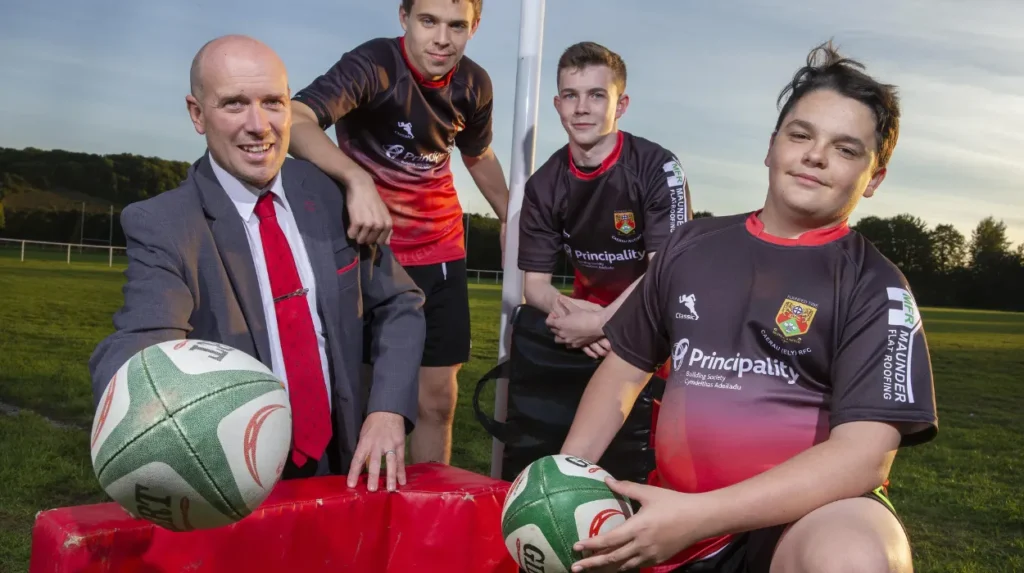
Caerau Ely RFC demonstrates how a Cardiff rugby club can operate as a wider community organisation, combining grassroots participation with safeguarding, inclusion, volunteering, player development and social support.
Caerau Ely RFC provides one of the clearest current examples of the community model in Cardiff.
The WRU reported that Caerau Ely became one of 178 community clubs across Wales to achieve Platinum accreditation under its Club Investment Model. The accreditation recognises areas including governance, inclusion, safeguarding, volunteer development and long-term sustainability.
The same WRU report states that the club grew from seven players, three rugby balls and a small number of cones to a programme attracting around 180 children every Sunday. Its activities extend from preschool participation through senior rugby.
This example illustrates the wider role of a community rugby club. The organisation is not simply a team competing for league points. It can provide structured activities for children, support volunteers, create social connections and develop sporting skills.
The club’s location also places rugby within the Caerau and Ely communities. Cardiff Council identifies Caerau and Ely as part of Cardiff South West.
How do Cardiff rugby clubs support children and young players?
Cardiff rugby clubs support young players through age-grade teams, structured coaching, competitions, development activities and links with regional rugby programmes, giving children a defined route from introductory rugby toward youth and senior participation.
Youth development is one of the central functions of community rugby.
Clubs provide age-appropriate training rather than placing young children immediately into adult competition. Coaching develops fundamental skills such as passing, handling, running, tackling technique, positioning and decision-making.
The WRU’s regional structure provides organised junior competitions from Under-12 through Under-16. Under-18 rugby then creates a transition toward senior rugby.
Cardiff Rugby also maintains links with junior clubs through community events. Its Clubs’ Day programme has welcomed more than 1,000 young players and families, while junior teams from Under-12 to Under-16 have been invited to participate in stadium-based events.
Historic Cardiff Rugby community competitions also demonstrate the depth of youth participation. Previous regional competitions included clubs such as Rumney, St Peter’s, Llandaff, Llanishen, Rhiwbina, Llandaff North and Pentyrch across different age groups.
For families, the practical significance is clear. Community rugby offers a structured sporting environment with progression based on age, ability and participation.
How does women’s and girls’ rugby fit into Cardiff community clubs?
Women’s and girls’ rugby forms part of the wider community rugby system, providing organised participation alongside traditional men’s and boys’ structures and supporting broader access to the sport across Cardiff.
Modern community rugby is broader than traditional men’s senior rugby.
Clubs increasingly provide opportunities for girls and women alongside established boys’ and men’s programmes. The Cardiff Rugby Community Foundation states that its community work aims to improve opportunities regardless of age, ability or gender.
This approach changes the structure of community clubs. A single organisation can support multiple playing pathways, with different age groups and formats operating through the same club.
Women’s and girls’ rugby also strengthens long-term participation. Players can begin through school or club activity, progress into age-grade rugby and continue into adult competition.
The wider WRU community system supports this development through coaching, competition and club structures. The underlying objective is to make rugby accessible across the community rather than limiting participation to one demographic.
What inclusive rugby opportunities are available in Cardiff?
Inclusive rugby provides adapted participation for children and young people with disabilities or limited sporting confidence, using non-contact formats, accessible venues, trained coaches and sessions designed around individual participant needs.
The WRU operates inclusive community rugby programmes specifically designed for children aged 6 to 16 with disabilities or those who lack confidence in sport. Siblings and friends can also participate.
The format uses non-contact, tag-based rugby. This removes the physical contact component while retaining key rugby activities such as movement, passing, catching and teamwork.
The WRU requires inclusive sessions to have appropriately qualified coaches and safeguarding arrangements. Venues are designed to be accessible to wheelchair users, and sessions are adapted to participant needs.
The programme is also connected to the wider rugby family. This provides participants with opportunities to progress into other inclusive rugby formats as their involvement develops.
Inclusive rugby demonstrates how community clubs can expand participation beyond conventional competitive rugby. The sport becomes available to participants who require different environments, coaching methods or playing formats.
How do volunteers and coaches support Cardiff rugby clubs?
Volunteers and coaches provide the operational foundation of community rugby clubs, managing training, fixtures, safeguarding, administration, fundraising, player development and match-day activity across junior, youth and senior programmes.
A community club requires considerably more than players.
Coaches organise training and develop technical skills. Team managers coordinate fixtures and communication. Volunteers support registration, equipment, hospitality, fundraising and match-day operations. Referees ensure that matches are conducted according to the laws of rugby.
The WRU’s current community strategy places strong emphasis on volunteer development, governance, safeguarding and club sustainability. Its Club Investment Model rewards clubs that demonstrate good practice in these areas.
The importance of administration has increased as clubs become larger community organisations. Digital registration and club management now form part of the national system.
The WRU states that MyWRU serves as the central hub for club management and player and volunteer registration, while the Community Rugby section provides guidance and resources.
This digital infrastructure supports the practical management of modern community rugby.
How are Cardiff community rugby clubs connected to Cardiff Rugby?
Cardiff community clubs connect with Cardiff Rugby through regional development, community programmes, junior events, schools work and player pathways, creating a relationship between grassroots participation and the professional organisation based at Cardiff Arms Park.
Cardiff Rugby is the professional rugby organisation associated with Cardiff and plays a major role in regional community development.
Its Community Foundation works across five unitary authorities and supports 76 community clubs, 61 secondary schools and 320 primary schools.
The Foundation identifies four principal community themes: health, education, employability and inclusion. Rugby therefore functions as both a sporting activity and a platform for wider community programmes.
Clubs’ Day provides a visible connection between local teams and Cardiff Rugby. Junior players and families have attended Cardiff Arms Park events, reinforcing links between grassroots clubs and the professional game.
These connections also support player development. The WRU recognised Cardiff RFC’s relationship with Cardiff Rugby and its record of developing players when Cardiff RFC received an Elite Domestic Competition licence.
How do Cardiff community clubs contribute beyond rugby?
Cardiff community rugby clubs contribute beyond match results by supporting youth development, volunteering, inclusion, education, social participation, health initiatives and local community networks through regular organised activity.
The social function of rugby clubs is an important part of the modern community model.
A club provides a regular meeting point for players, parents, coaches, volunteers and supporters. Junior rugby creates scheduled activities for children. Senior rugby creates opportunities for adult participation. Club events provide additional social activity.
The WRU’s Club Investment Model explicitly recognises areas beyond playing performance. Governance, safeguarding, inclusion, volunteer development, facilities and long-term sustainability are part of its accreditation framework.
Caerau Ely RFC provides a Cardiff example. Its community programme supports approximately 180 children each Sunday and connects rugby participation with wider opportunities for families and individuals.
Cardiff Rugby’s Community Foundation also frames sport as a tool for improving health, education, employability and inclusion.
This wider role gives community clubs importance beyond league tables.
How can Cardiff residents find the right community rugby club?
Cardiff residents can identify suitable rugby clubs by checking location, age group, playing format, training schedule, competition level, inclusion provision and current registration information through the WRU, Cardiff Rugby and individual club channels.
Location is the first practical consideration. Cardiff contains rugby activity across multiple neighbourhoods, including the north, east, west and southern parts of the city.
The player’s age determines the relevant programme. Junior, youth and senior rugby have different structures. Families should confirm the exact age group before attending a session.
Playing format is another factor. Traditional contact rugby, tag rugby, women’s and girls’ rugby, social rugby and inclusive rugby have different requirements.
Current fixture information is particularly important because clubs move between divisions. The WRU’s 2026/27 competition announcement provides the current league structure and confirms that the community season begins on 5 September 2026.
Cardiff Rugby also provides community information and maintains regional relationships with clubs. The WRU’s Community Rugby section provides national information on participation, competitions, coaching, refereeing and club development.
Residents should contact the club before attending when registration or session information is not clearly published.
Explore More Area Guide
Local Football Clubs in Cardiff Neighbourhoods
Why Independent Retail Still Thrives in Pontcanna, Cardiff
What is the future of community rugby in Cardiff?
The future of community rugby in Cardiff centres on sustainable clubs, inclusive participation, stronger safeguarding, volunteer development, youth pathways, improved facilities and closer connections between grassroots organisations and the professional rugby system.
The WRU’s current Club Investment Model shows a shift toward measuring club strength beyond player numbers and match performance.
The model rewards governance, business planning, safeguarding, inclusion, volunteer development, facilities and player pathways. The WRU describes the approach as a way to create stronger and more sustainable community organisations and improve clubs’ readiness for future funding.
This direction is relevant to Cardiff because community clubs operate within changing urban communities. Clubs need sustainable facilities, qualified volunteers and safe participation structures to maintain long-term activity.
Digital administration is also becoming more important. MyWRU consolidates club management and player and volunteer registration, while the WRU Community Rugby platform provides guidance and resources.
Transport and active travel are additional considerations for a city-based sports network. Cardiff Council’s active travel programme includes planned or developed routes connecting communities including Rumney, Llanrumney, Llandaff, Caerau and other areas.
Community rugby therefore remains closely connected to Cardiff’s wider urban infrastructure.
Why are community rugby clubs important to Cardiff?
Community rugby clubs are important to Cardiff because they provide accessible sporting opportunities, develop young players, support volunteers, strengthen local networks and connect neighbourhood participation with Wales’s established national rugby structure.
Cardiff’s community rugby system combines history with modern sporting development.
The city was represented among the founding clubs of the Welsh Rugby Football Union in 1881, establishing a direct historical connection with the organisation that governs Welsh rugby today.
Modern Cardiff contains a broad network of grassroots clubs and teams operating at different competitive levels. The 2026/27 WRU structure includes Cardiff-area organisations such as Glamorgan Wanderers, Rumney, St Peter’s, Cardiff Met, Llanishen, Clwb Rygbi Cymry Caerdydd and Caerau Ely.
The system extends from children’s rugby to senior competition and includes inclusive participation. The WRU states that around 300 clubs participate nationally, while Cardiff Rugby’s Community Foundation reports a network of 76 community clubs across its wider region.
For Cardiff residents, community rugby is therefore a citywide participation network rather than a single competition. Its importance rests on the combined contribution of players, coaches, volunteers, referees, families, schools, clubs, the WRU and Cardiff Rugby.
The continued development of safeguarding, inclusion, facilities, governance and player pathways ensures that Cardiff’s community rugby structure remains relevant for future generations.
What are community rugby clubs in Cardiff?
Community rugby clubs are local organisations that provide rugby participation for children, teenagers and adults. Cardiff has clubs offering junior, youth, senior, women’s, girls’, social and inclusive rugby programmes.