
Cardiff is in the middle of a deep housing crisis, and nowhere is that felt more sharply than in working‑class neighbourhoods like Splott. While thousands of residents wait for secure, affordable homes, a significant number of properties across the city stand empty for months or even years. This mismatch between need and supply is not just a statistic; it shapes daily life, from overcrowded private rentals to families stuck in temporary accommodation.
- Cardiff’s Housing Emergency and Splott’s Reality
- The Scale of Empty Homes: Cardiff and Wales
- Why Homes in Splott Are Left Empty
- The Impact on Splott’s Streets and Community
- Cardiff Council’s Empty Homes Premium
- Compulsory Purchase Powers and Direct Action
- Loans, Grants and Support for Owners
- Community Organising in Splott
- How Tackling Empty Homes Eases the Housing Crisis
Splott has become a focal point for this debate because it combines high housing need with visible empty homes that residents walk past every day. At the same time, Cardiff Council has started to lean more heavily on tools like council tax premiums and compulsory purchase powers to bring long‑term vacant properties back into use. Understanding how these policies work, and what else could be done, is crucial for anyone in Cardiff who cares about fair housing, sustainable urban development and the long‑term future of the city.
Cardiff’s Housing Emergency and Splott’s Reality
Cardiff has formally recognised that it faces a housing emergency, with demand for affordable homes far outstripping supply. Recent figures show more than 9,000 people on the city’s housing waiting list, a clear sign that existing stock and new development are not keeping up with need. At the same time, more than 1,500 homes in Cardiff have been recorded as empty for over six months at any given time, including a large share in inner‑city wards such as Splott.
For local people in Splott, this abstract data is visible as boarded‑up terraces, neglected front gardens and properties that stay dark year after year. Community organisers and residents have talked about the frustration of walking past unused homes while neighbours struggle with high rents, overcrowding or long waits for social housing. These empty properties do not just represent lost housing opportunities; they can also drag down the appearance and confidence of a street, putting pressure on already stretched communities.
The Scale of Empty Homes: Cardiff and Wales
Across Wales, the problem of long‑term empty homes is recognised at national level. The Welsh Government has estimated that there are more than 22,000 long‑term vacant properties nationwide, a figure that includes both urban and rural councils. Cardiff, as the capital and a fast‑growing city, accounts for a significant share, with over 1,300 to 1,500 private sector dwellings recorded as empty for more than six months in recent years.
These figures matter because of what they imply about potential capacity within the existing housing stock. Even if not every empty property in Cardiff is suitable for immediate occupation, bringing a substantial portion back into use could help ease pressure on the waiting list and reduce dependency on temporary accommodation. In areas like Splott, where many homes are traditional terraces close to services and public transport, reusing these properties is far more sustainable than over‑reliance on new‑build estates at the urban fringe.
Why Homes in Splott Are Left Empty
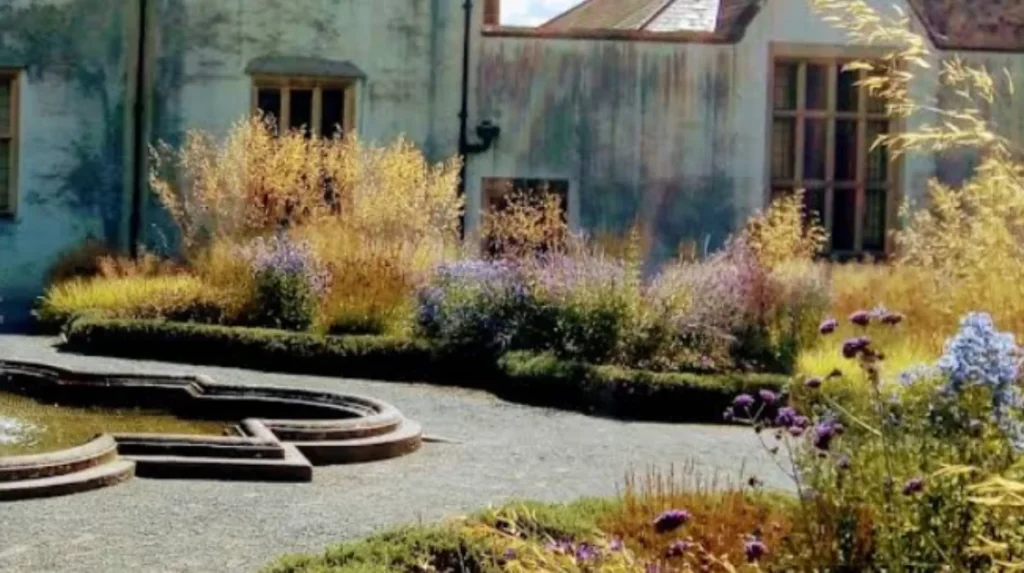
Empty homes in Splott and the wider city arise for a variety of reasons, and understanding these causes is essential for designing the right solutions. Some properties become vacant after an owner moves into care, passes away without clear heirs, or leaves the area and struggles to sell or manage the home. Others are tied up in inheritance or ownership disputes that can take years to resolve, leaving the building effectively in limbo.
There are also cases where landlords view property as a financial asset rather than a place for people to live, allowing homes to sit empty in the hope of future capital gains. In parts of Cardiff, speculation and disrepair can combine, with buildings deteriorating to the point where renovation seems daunting or unprofitable without public support. Splott’s relatively low property values compared with some other districts can mean owners are slower to invest, even when the social need for that home is extremely high.
The Impact on Splott’s Streets and Community
Long‑term empty homes have a ripple effect that goes far beyond the property itself. Vacant buildings are more likely to attract fly‑tipping, vandalism and anti‑social behaviour, which can quickly change how residents feel about their street. Once windows are boarded up and gardens are overgrown, neighbouring occupiers may worry about safety, and the whole area can begin to feel overlooked.
These physical signs of neglect can erode community pride, especially in a neighbourhood like Splott where a strong sense of identity and solidarity has historically been one of its strengths. Empty homes also mean fewer long‑term residents to support local shops, schools and community groups, weakening the local economy and social networks. Conversely, every time a vacant property is renovated and reoccupied, there is a visible boost: more eyes on the street, more customers for high‑street businesses, and more families contributing to local life.
Cardiff Council’s Empty Homes Premium
One of the main tools Cardiff Council uses to tackle long‑term vacancy is the council tax “empty homes premium”. Owners of unfurnished properties that have been left empty for more than twelve months can be charged a significantly higher rate of council tax than standard, rising well above the usual 100% level. Cardiff has already set a premium of around 150% for many long‑term empty homes, giving owners a clear financial incentive to bring properties back into use or sell them on.
The council has proposed going further by increasing this premium incrementally the longer a property is left empty, with the possibility of charges as high as three times the normal council tax bill. Revenue from these premiums is ring‑fenced for housing and used to support schemes that return empty homes to occupation. For Splott, where a cluster of long‑term vacant homes can have a visible impact on a single street, this policy links the cost of neglect directly to investment in solutions.
Compulsory Purchase Powers and Direct Action
Tax penalties are not always enough to shift the most entrenched cases, especially where owners are absent, unwilling to engage or tied up in long disputes. For those situations, Cardiff Council has signalled a readiness to use compulsory purchase powers to take control of empty properties. Under these powers, the council can acquire homes that have been left vacant and allowed to deteriorate, with the aim of refurbishing them and returning them to use, often as affordable housing.
Local leaders have described long‑term empty homes as a “wasted resource” that cannot be ignored in the context of a housing crisis reshaped by the pandemic and rising living costs. By combining compulsory purchase with targeted renovation programmes and partnerships with housing associations, the council can convert derelict or underused properties into secure homes for people on the waiting list. For Splott, where some empty terraces are in prime residential locations close to public transport and jobs, this approach could be transformative if used consistently and at sufficient scale.
Loans, Grants and Support for Owners
Not every empty home in Splott sits vacant because of neglect or speculation; in many cases, owners genuinely lack the finance or know‑how to bring a property up to modern standards. Recognising this, the council and Welsh Government have promoted schemes such as the “Houses into Homes” loan, which offers funding to owners willing to renovate and then either sell or let their property. These loans can help bridge the gap between a decaying asset and a habitable home, particularly where structural issues or outdated services make refurbishment costly.
In addition, owners may be able to claim reduced VAT on renovation costs if they can prove that a property has been empty for a qualifying period. When combined with professional advice and local contractor networks, this can make it financially viable to renew older housing stock instead of leaving it to deteriorate further. For Splott, where many homes date from the late nineteenth and early twentieth centuries, tailored support to modernise insulation, heating and safety standards can both reduce vacancy and improve energy efficiency.
Community Organising in Splott
Policy from above matters, but community pressure from below has also become a driving force in Splott’s campaign against empty homes. Tenant and community unions such as Acorn have organised local meetings and forums in the area, bringing residents, councillors and campaigners together to discuss issues like empty property tax and winter fuel support. At one such forum, participants highlighted the “travesty” of walking past unused homes at the same time as families seek help from homelessness services in record numbers.
These gatherings create space for residents to share their experiences of poor housing, rising bills and visible vacancy, and to push for stronger local action. They also help ensure that decisions about premiums, enforcement and support schemes reflect the realities of life in Splott rather than abstract targets. By keeping empty homes in the public eye, community groups make it harder for long‑term neglect to be quietly accepted as normal.
How Tackling Empty Homes Eases the Housing Crisis
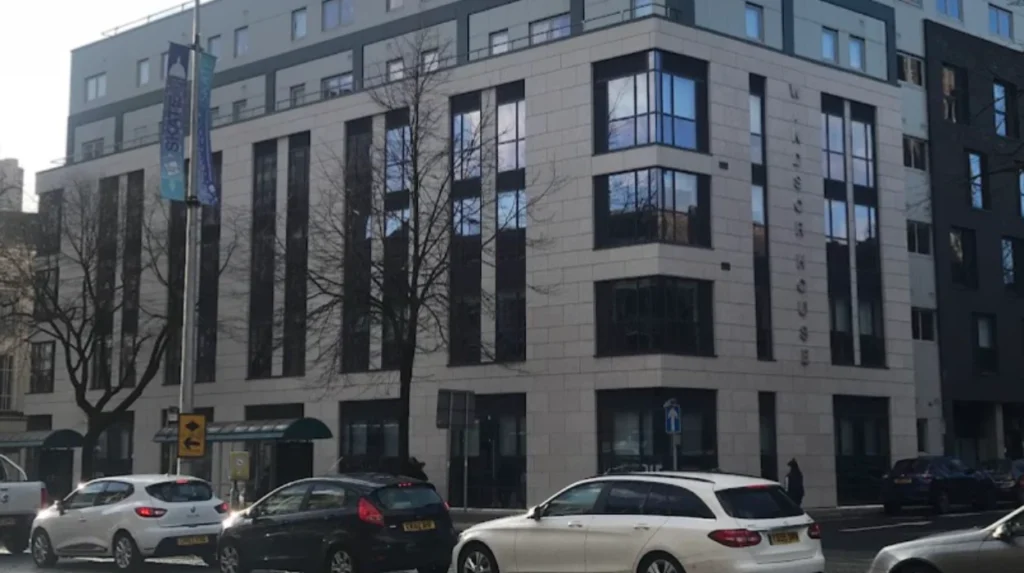
Bringing long‑term empty homes back into use will not, by itself, solve Cardiff’s housing crisis, but it can make a measurable difference in several ways. First, every reoccupied property reduces pressure on the housing waiting list and on temporary accommodation services, which have both grown under the strain of rising demand. Second, filling vacant homes helps stabilise local rental markets, especially in areas like Splott where lower‑cost stock plays a crucial role for people on modest incomes.
Third, reusing existing homes is often faster and more sustainable than new‑build development, because infrastructure, transport links and community services are already in place. Renovation can also be a chance to improve energy efficiency and address fuel poverty by upgrading insulation and heating systems. In this way, a policy focused on empty homes intersects with broader goals of cutting carbon emissions, improving health and boosting neighbourhood resilience.
At the same time, there is scope for more creative partnerships between the council, housing associations, community land trusts and social enterprises to take on and rehabilitate empty properties in Splott. Local training schemes in construction and green retrofit could use these homes as live projects, providing skills and jobs while improving the housing stock. Combined with ongoing community organising, this approach would ensure that the benefits of tackling empty homes – from safer streets to warmer houses – are felt first and foremost by the people who live in Splott every day.
Which country has the most empty houses?
Japan is widely known for having one of the highest numbers of empty houses, called Akiya. Due to an aging population and urban migration, millions of homes remain vacant across the country. This issue highlights how unused housing can become a major social and economic challenge.
Which country has the smallest house in the world?
One of the smallest houses ever recorded is located in Poland, known as the Keret House. The house is only about 92 centimeters wide at its narrowest point. It was designed as a creative architectural project showing how space can be used efficiently.
In which country is the most expensive house in the world?
The most expensive private house is Antilia, located in India. Owned by Mukesh Ambani, this 27-story residence is estimated to cost over $1–2 billion. It represents one of the most luxurious homes ever built.
Which country has a zero crime rate?
No country in the world has a completely zero crime rate. However, countries like Iceland and Singapore are often ranked among the safest due to very low crime levels and strong law enforcement systems.
Which country is No. 1 in history?
There is no single country officially ranked No. 1 in history because different civilisations have led the world at different times. Nations such as Egypt, Greece, China, and United Kingdom have all played major roles in shaping global history through culture, science, and governance.