Llandaff, a historic suburb nestled in northwest Cardiff, faces ongoing parking woes that affect residents, visitors, and businesses alike. These issues stem from limited spaces, rising demand, and council policies aimed at revenue and traffic management. This article delves into the root causes, impacts, and potential remedies, drawing on local history and current developments.
- Llandaff’s Historic Charm and Parking Roots
- Key Parking Hotspots in Llandaff
- Recent Policy Shifts Fueling Tensions
- Impacts on Residents and Vulnerable Groups
- Business Struggles Amid Parking Crunch
- Commuter and Student Pressures
- Council Responses and Enforcement Realities
- Community Backlash and Petitions
- Long-Term Historical Context
- Proposed Solutions for Sustainable Parking
- Balancing Preservation with Modern Needs
- Future Outlook for Llandaff Drivers
Llandaff’s Historic Charm and Parking Roots
Llandaff’s parking struggles trace back to its evolution from a medieval village into a bustling Cardiff suburb. Centered around the 12th-century Llandaff Cathedral, the area grew rapidly in the 19th and 20th centuries with Victorian housing and proximity to the city center. Narrow streets like High Street, designed for horse-drawn carriages, now accommodate modern traffic, leading to congestion.
Post-World War II suburban expansion brought more cars without matching infrastructure. By the 1970s, as Cardiff Council formalized parking zones, Llandaff’s residential character clashed with commuter overflow from nearby universities and offices. Today, wards like Llandaff and Llandaff North report chronic overuse of on-street bays, exacerbated by its appeal as a peaceful retreat from Cardiff’s urban core.
The suburb’s topography adds complexity; hilly terrain limits flat parking lots, forcing reliance on roadside spots and small car parks. Historic preservation rules protect areas near the cathedral, restricting expansions that could ease pressure. This blend of heritage and geography sets the stage for persistent disputes.
Key Parking Hotspots in Llandaff
Llandaff High Street Car Park stands as a primary flashpoint, offering 82 spaces open 24/7 but charging Monday to Saturday from 9am to 5pm. It provides up to two hours free, then scales to £5 for five hours, with two electric vehicle bays but no MiPermit app support. Blue badge holders park free, yet demand often exceeds capacity during market days and events.
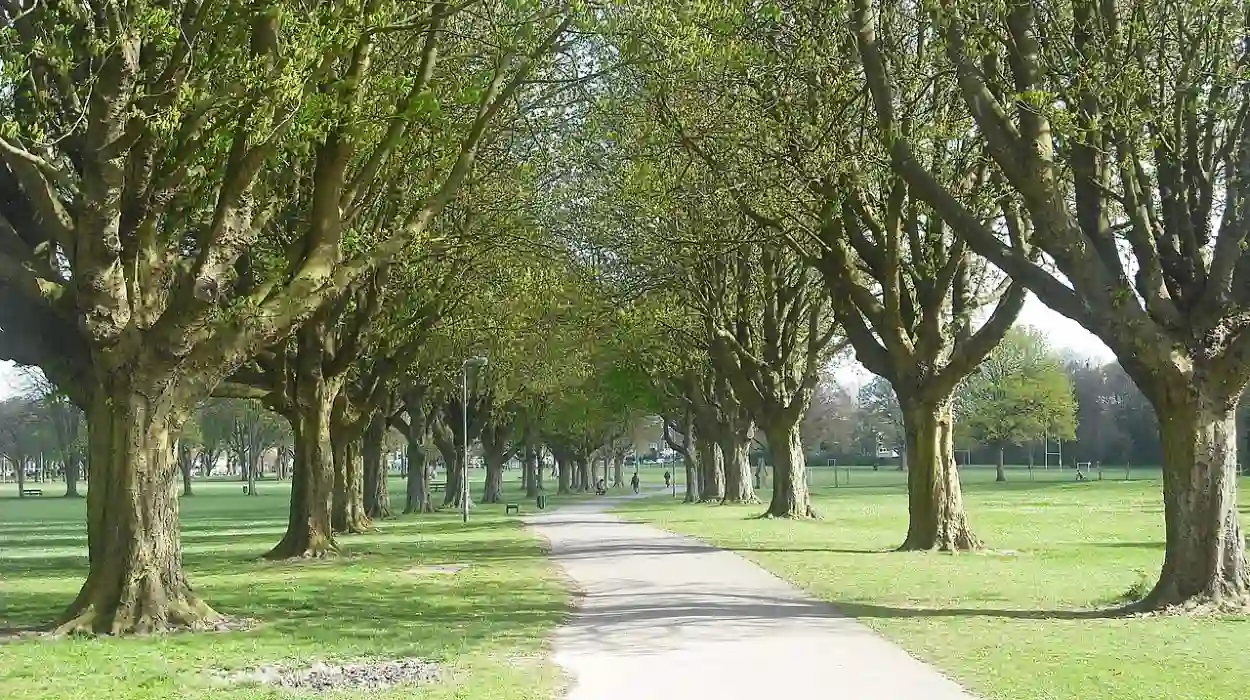
Llandaff Fields car park, near the rugby fields and recreation grounds, recently faced backlash over plans to scrap two hours of free parking. Notices from Cardiff Council signal charges for up to one hour, capping stays at four hours to deter all-day parkers. This green space draws families, dog walkers, and sports enthusiasts, amplifying weekend strains.
Residential streets in Llandaff North and Gabalfa see spillover from Cardiff Metropolitan University’s Llandaff Campus. Students, barred from campus parking unless living over two miles away, park illegally or hazardously, blocking driveways and pavements. High Street businesses report “mayhem” at peaks, with double parking common.
Recent Policy Shifts Fueling Tensions
Cardiff Council’s 2024-25 budget crisis, demanding £30m in savings, prompted tighter controls. The Llandaff Fields proposal aligns with broader efforts to monetize public spaces amid financial woes. A Change.org petition by ward councillor Sean Driscoll garnered over 3,340 signatures, decrying harm to fragile local shops.
Civil parking enforcement updates highlight zero CCTV tolerance in Llandaff North, urging residents to report dangers via council channels. Section 137 of the Highways Act 1980 underpins “zero tolerance” for obstructions, yet pavement parking and yellow-line violations persist, frustrating disabled locals.
University-related curbs remain contentious; campus lots prioritize distant staff, pushing student vehicles into neighborhoods. Residents claim a 20-year worsening trend, with Gabalfa families “fed up” over safety risks to children and emergency access.
Impacts on Residents and Vulnerable Groups
Elderly residents bear a heavy burden. An 85-year-old local noted reliance on free parking for GP visits and Llandaff 50+ sessions, including tai chi and IT workshops. Charges could isolate over-50s, who view the area as a social hub.
Families in terraced homes lose driveway access to commuters, sparking community rows. Disabled individuals face blocked paths, delaying mobility and heightening accident risks. One resident with disabilities called for stricter rules, citing delays from oversized vehicles treating streets as “mobile living spaces.”
Traffic flow suffers too; congestion around cathedral routes and fields slows buses and cycles, clashing with Cardiff’s active travel goals. Air quality dips from idling cars, affecting a suburb prized for its leafy vibe.
Business Struggles Amid Parking Crunch
High Street traders operate “on a knife-edge,” fearing charges deter shoppers. Employees describe peak chaos, predicting worse footfall if free options vanish. Markets and cafes thrive on casual visitors, but all-day parking bans could shift custom to less restricted zones.
Independent shops, from butchers to bookstores, link survival to easy access. A petition emphasized this, warning of closures in an already tough economy. Conversely, some argue charges fund maintenance, indirectly benefiting trade through better facilities.
Tourism feels the pinch; Llandaff Cathedral draws history buffs, but limited spots discourage day trippers. Nearby cafes report lost revenue when visitors circle endlessly or abandon trips.
Commuter and Student Pressures
Proximity to Cardiff Metropolitan University intensifies issues. With limited campus spaces, students flood Gabalfa and Llandaff North, parking “dangerously and illegally” for two decades. Residents demand campus expansions or shuttle services.
Commuters from Pontcanna and Fairwater use Llandaff as a free park-and-ride hack for city buses, clogging routes. Fields parking suits this, but caps aim to prioritize locals. Disabled commuters echo calls for enforcement, navigating “obstructions” daily.
Council Responses and Enforcement Realities
Cardiff Council promotes reporting via apps and hotlines, targeting Section 137 breaches. Llandaff North logs show scant CCTV action, relying on public tips for patrols. Broader plans include resident permits and ANPR cameras, but rollout lags budgets.
Budget-driven changes prioritize revenue; Llandaff Fields shifts from five-hour free to paid short stays, mirroring citywide trends. Councillors like Driscoll push back, advocating business exemptions.
Electric vehicle incentives offer two bays at High Street, aligning with net-zero aims, though chargers remain few amid demand.
Community Backlash and Petitions
Public outcry peaked with the Llandaff petition, framing charges as anti-local. Signatories highlight GP access, senior groups, and shops. Reddit threads echo this, blending support for fees with pleas for pavements.
Gabalfa residents vent on forums, blaming students in a “very public row.” Calls for bollards and clamps grow, yet council responses stress balanced budgets over blanket concessions.
Long-Term Historical Context

Llandaff’s woes mirror Cardiff’s growth pains. The 1907 Western Mail noted early motoring chaos on cathedral roads. Post-1945, council minutes record pleas for lots amid housing booms. By 1980s, parking meters arrived, setting revenue precedents.
Victorian planning ignored cars; today’s 82-space High Street lot evolved from market fields. Preservation of Grade I cathedral environs blocks mega-parks, preserving charm at congestion’s cost.
Proposed Solutions for Sustainable Parking
Expanding permits for residents could reclaim streets, paired with apps for real-time spaces. Park-and-stride with Pontcanna or cathedral shuttles might cut fields abuse. Council floats four-hour caps to cycle turnover.
Campus partnerships for student carpools or e-bikes address university overflow. Community car clubs reduce household vehicles, easing demand. Green incentives like more EV spots align with Cardiff’s 2030 goals.
Infrastructure wins include decked lots near fields, respecting topography. Enforcement tech like ANPR promises efficiency without constant patrols.
Balancing Preservation with Modern Needs
Llandaff’s allure—cathedral spires, verdant fields—demands smart fixes.Policies must weigh heritage against habitability.
Revenue from charges funds pothole repairs and lighting, but transparency builds trust. Engaging wards via forums prevents “knife-edge” business losses.
Future Outlook for Llandaff Drivers
As Cardiff eyes 2025-26 budgets, Llandaff parking may see pilots like dynamic pricing. Resident input shapes this; petitions prove voices matter. With proactive tweaks, the suburb can retain accessibility without sacrificing soul.
Hybrid models—free short stays, paid long—offer compromise. Tech integration and green shifts promise relief, ensuring Llandaff thrives for generations.