Llandaff, a historic suburb nestled in northwest Cardiff, faces persistent traffic problems that disrupt daily commutes and frustrate residents. These issues stem from narrow historic roads, rapid urban growth, and frequent infrastructure disruptions, creating a perfect storm of congestion. This evergreen guide delves into the root causes, impacts, and viable solutions, drawing from historical context and ongoing developments to help Cardiff locals plan better journeys.
- Historical Roots of Llandaff’s Road Constraints
- Key Causes Driving Current Congestion
- Daily Impacts on Residents and Businesses
- Failed Attempts at Relief Measures
- Proposed Long-Term Solutions
- Role of Local Governance and Advocacy
- Comparative Insights from Nearby Areas
- Everyday Tips for Llandaff Commuters
- Future Outlook Amid Cardiff’s Growth
- Environmental and Health Dimensions
- Economic Implications for the Suburb
Historical Roots of Llandaff’s Road Constraints
Llandaff’s traffic woes trace back centuries to its origins as a medieval village centered around its iconic cathedral. Established as a key religious site since the 6th century, the area developed along winding lanes like Cardiff Road and Bridge Road, designed for foot traffic and horse-drawn carts rather than modern vehicles. These narrow thoroughfares, hemmed in by stone walls and the River Taff, naturally limit capacity as Cardiff expanded into a bustling capital.
By the 20th century, Llandaff transitioned from a rural outpost to a commuter hub for Cardiff’s growing population. Post-World War II housing booms funneled workers through its single main arteries, sowing seeds for bottlenecks. The cathedral close, a protected heritage zone, restricts widening efforts, preserving charm but exacerbating gridlock during peak hours. Historical maps reveal how Llantrisant Road evolved as a primary link to the M4, yet its medieval layout remains ill-suited for today’s volume.
This legacy means Llandaff’s infrastructure lags behind demand. Unlike Cardiff’s purpose-built motorways, these roads prioritize preservation over throughput, a tension that defines ongoing problems. Residents have long noted how events at Llandaff Cathedral, drawing thousands annually, amplify these historical constraints into modern snarls.
Key Causes Driving Current Congestion
Several interconnected factors fuel Llandaff’s traffic problems, starting with its geography. The River Taff bisects the area, funneling all north-south movement through bridges like Llandaff Bridge, a single-lane pinch point prone to backups. Combine this with steep gradients on approach roads, and even minor incidents cause rapid tailbacks reaching Pontcanna and Radyr.
Housing developments compound the strain. The former BBC Cymru Wales site on Llantrisant Road, redeveloped into Llandaff Park with over 360 homes by Taylor Wimpey, introduced hundreds more vehicles without proportional road upgrades. Public consultations highlighted fears of 24/7 congestion, yet outline permissions proceeded, prioritizing housing needs over traffic mitigation. Similarly, expansions in nearby Radyr add cross-traffic, overwhelming the Heathcock Roundabout.
Roadworks emerge as a recurring culprit. Temporary lights on Bridge Road, installed by Welsh Water for pipe replacements, stretched journeys from minutes to 40, backing up Cardiff Road and Station Road. These disruptions, often lasting months, coincide with school runs and rush hours, turning reliable routes into parking lots. Utility works, without sufficient diversion plans, expose the fragility of Llandaff’s network.
Commuter patterns worsen matters. Llandaff serves as a gateway for workers heading to Cardiff city center or the Vale of Glamorgan, with peaks at 8 AM and 5 PM overwhelming capacity. Events at Cardiff Arms Park or Principality Stadium spill over, as drivers cut through via Fairwater Road. Parking shortages near schools and the cathedral force illegal stops, further choking flow.
Daily Impacts on Residents and Businesses
Traffic problems ripple through Llandaff’s community, hitting commuters hardest. A typical drive from Llandaff North to the city center, under 10 minutes off-peak, balloons to over 30 during works or peaks, spiking stress and fuel costs. Bus users like those on routes from Hailey Park report 40-minute delays, eroding public transport appeal.
Local businesses suffer too. Pubs like the Heathcock and shops along High Street lose custom as customers avoid unreliable access. Delivery vans idle in queues, delaying stock and inflating prices. One resident noted how new Radyr housing funneled extra vehicles, turning quiet evenings into horns and exhaust.
School runs amplify risks. Parents navigating narrow Cardiff Road near Llandaff Cathedral risk accidents amid impatient overtaking. Air quality dips, with idling engines near playgrounds raising health concerns for children prone to respiratory issues in congested urban zones. Emergency services, including ambulances to University Hospital of Wales, face delays, underscoring safety stakes.
Economically, these issues deter investment. While Cardiff booms, Llandaff’s gridlock portrays it as inaccessible, stalling property values despite its green appeal. Commuters burn time equivalent to full workdays annually, a hidden tax on productivity.
Failed Attempts at Relief Measures
Efforts to ease Llandaff’s traffic have often fallen short. Taylor Wimpey’s transport assessments for Llandaff Park claimed minimal impact, citing consultations and authority approvals. Yet residents like Llandaff Society chair Geoff Barton-Greenwood objected, demanding Bridge Road links to Llantrisant Road—proposals dismissed as unfeasible.
Temporary signals during Welsh Water projects prioritized works over flow, lacking real-time adjustments. Cardiff Council’s highways team coordinates via Traffic Wales, but fragmented utility scheduling leads to overlaps. Past plans for cycle lanes on Fairwater Road sparked backlash, seen as squeezing car space without alternatives.
BBC relocation vacated Llantrisant Road space, but infill housing negated gains. Without radical infrastructure like bypasses—blocked by green belt and heritage rules—palliative fixes dominate, treating symptoms over causes.
Proposed Long-Term Solutions
Addressing Llandaff’s traffic requires multifaceted strategies blending infrastructure, behavior, and policy. Widening Llandaff Bridge, though costly, could incorporate smart signals syncing with Cathedral Road, easing 20% of flows per modeling from similar Welsh projects.
Public transport upgrades offer promise. Enhancing bus priority lanes on Llantrisant Road and integrating with Cardiff’s Core network would cut car reliance. Park-and-ride at Tydfil Pool, linked by frequent services, diverts orbital traffic from village cores.
Cycling and walking paths merit investment. Expanding the Taff Trail through Llandaff North connects to Radyr without roads, supported by secure hubs near schools. Incentives like congestion charges for non-residents, modeled on London’s success, could fund this while curbing peaks.
Technology aids too. Real-time apps from Traffic Wales, with predictive alerts, empower rerouting via Gabalfa or A470. Carpool subsidies and remote work nudges post-pandemic reduce volumes sustainably.
Role of Local Governance and Advocacy
Cardiff Council holds sway, balancing growth via Local Development Plans. Residents leverage planning portals to object, as with Llandaff Park, pressuring Section 106 agreements for road funds. The Llandaff Society amplifies voices, advocating radical infrastructure post-consultations.
Welsh Government oversees via Transport for Wales, prioritizing active travel in its 2021-2026 strategy. Community councils push for resident permits curbing commuter parking, proven effective in Pontcanna.
Success hinges on collaboration. Annual traffic audits, resident forums, and data-sharing with developers ensure accountability, turning concerns into action.
Comparative Insights from Nearby Areas
Llandaff’s issues mirror wider Cardiff challenges but stand out for heritage constraints. Pontcanna, upstream, mitigates via wider boulevards and Metros, reducing reliance on Llandaff routes. Radyr’s new estates, sans upgrades, echo Llandaff Park woes, suggesting regional planning gaps.
Swansea’s Mumbles Road, similarly narrow, eased via bus gates— a blueprint for Bridge Road. Lessons from Bristol’s Clean Air Zone show charges cut 15% traffic without backlash when revenues rebuild alternatives.
These parallels underscore scalable fixes: integrate suburbs into city-wide networks, avoiding isolated developments.
Everyday Tips for Llandaff Commuters
While systemic change brews, individuals adapt. Time travel outside 7:30-9:30 AM and 4-6 PM peaks, using apps like Waze for live updates. Cycle Fairwater Road’s quieter stretches or bus X3 from Radyr, bypassing Heathcock.
Carpool via Liftshare Wales apps, halving vehicles. For Cathedral visits, park at Western Avenue and walk 10 minutes. Support local by shopping off-peak, easing High Street loads.
Monitor Traffic Wales for works, planning detours through Ely early. These habits build resilience amid uncertainty.
Future Outlook Amid Cardiff’s Growth
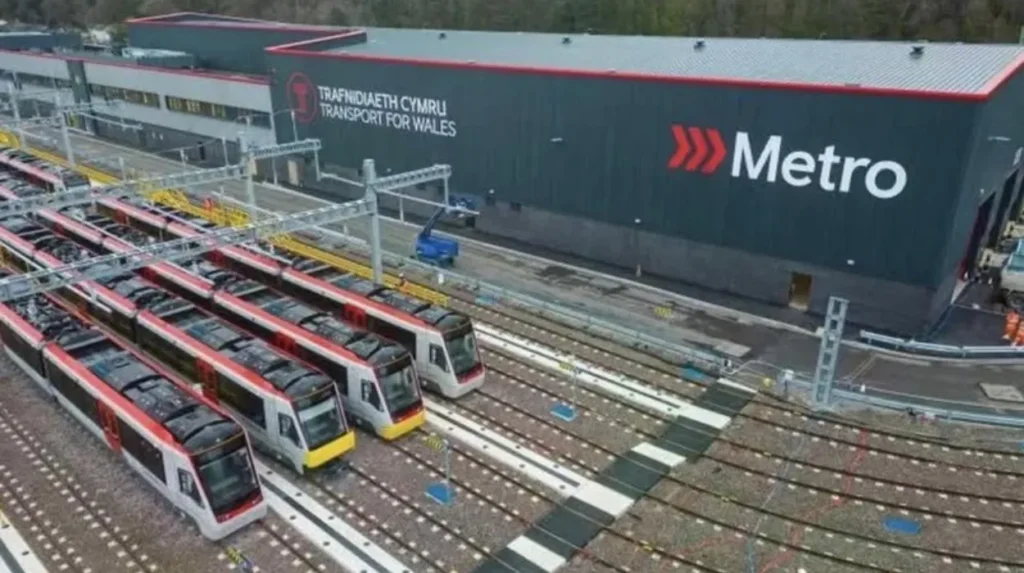
As Cardiff targets 20% population growth by 2030, Llandaff’s traffic problems demand proactive vision. The South Wales Metro extension could link Radyr, slashing road use. Sustainable drainage in new builds prevents flood-related closures, a hidden congestion driver.
Developers face stricter transport impact assessments post-2024 Welsh reforms, mandating mitigations. Resident-led initiatives, like Llandaff’s traffic calming petitions, gain traction with net-zero goals.
Optimism lies in unity: blending history’s lessons with innovation ensures Llandaff thrives without standstill.
Environmental and Health Dimensions
Congestion extracts environmental tolls. Idling on Cardiff Road elevates PM2.5 levels, per Air Quality Wales data, risking asthma spikes near schools. Noise pollution disrupts cathedral tranquility, impacting wellbeing.
Shifting to electric buses and EV charging at roundabouts aligns with Wales’ 2035 ban. Green corridors along the Taff filter fumes, enhancing biodiversity amid urban sprawl.
Health gains from active travel—cycling cuts heart disease 50% per studies—position solutions as wins beyond mobility.
Economic Implications for the Suburb
Gridlock hampers Llandaff’s economy. Commuter delays cost £millions yearly in lost time, per RAC estimates adapted locally. Businesses eye relocation, eroding High Street vitality.
Yet opportunities emerge: traffic data fuels smart city bids, attracting tech firms. Tourism, bolstered by cathedral fame, needs reliable access to sustain £millions in visitor spend.
Balanced growth, tying housing to infrastructure levies, secures prosperity.