Cardiff is growing fast, and few places show that change more clearly than Fairwater. Once known mainly as a quiet, leafy suburb in the city’s west, the area has become a focal point for new housing and regeneration. At the heart of this shift is the Fairwater housing development pipeline, where Cardiff Council’s planning committee has already signed off on several key projects.
This article looks at what exactly has been approved in and around Fairwater, from the latest 14‑home affordable housing scheme on the former Fairwater Social & Athletic Club site to the broader Plasdŵr‑linked growth to the north. You’ll also get practical insights if you’re a resident, potential buyer, or renter watching how this part of Cardiff is evolving.
What Cardiff Planners Just Approved
In early 2026, Cardiff Council’s planning committee gave the green light to a 14‑home affordable housing project on the site of the former Fairwater Social & Athletic Club. The plan involves demolishing the long‑closed club building and replacing it with a small, carefully designed block of energy‑efficient council homes. These are intended as social‑rent or council‑rent properties aimed at local families and individuals who struggle to compete in the private market.
The council’s housing and neighbourhood regeneration team described the proposal as “excellent” and stressed that the new homes will maximise internal space, be well‑lit, and offer flexible layouts that can adapt to changing household needs. Local politicians have framed the project as a pragmatic way to recycle a vacant site into much‑needed affordable housing, while also preserving the character of the surrounding residential streets.
Why This Site Matters
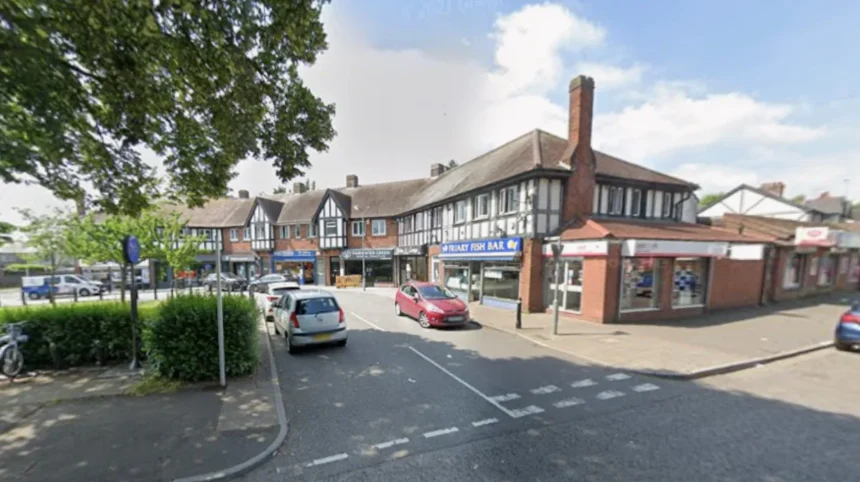
The Fairwater Social & Athletic Club site is not just any piece of land; it sits in the middle of a well‑established residential area with easy access to Llantrisant Road, local shops, and bus routes into Cardiff city centre. Turning this into housing instead of leaving it derelict or redeveloping it purely for commercial use helps keep Fairwater a mixed‑tenure, family‑friendly neighbourhood.
From a planning‑policy angle, the scheme fits Cardiff’s broader push to prioritise affordable housing and use existing under‑used sites rather than sprawling over greenfield land. The club’s closure was regretted by some councillors, but they also pointed out that the site is “an excellent location for housing” because it already sits within a mature community with established infrastructure. That means less strain on roads, schools, and public transport than if the same number of homes were squeezed onto a new edge‑of‑city site.
The Bigger Picture: Plasdŵr and Fairwater
Fairwater does not sit in isolation. Just to the north, the Plasdŵr project is one of the largest new‑build housing schemes in the UK, with up to around 7,000 homes planned over a 15‑year build‑out. Plasdŵr is billed as Cardiff’s “21st‑century garden city”: large‑scale, but designed with parks, green corridors, and new schools and health facilities woven into the masterplan.
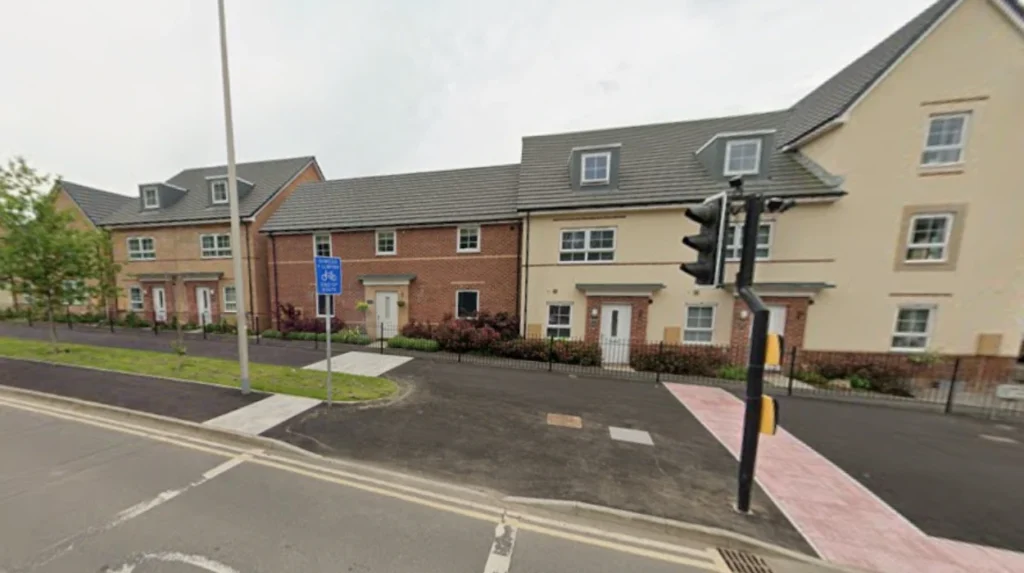
Within this framework, Fairwater acts as both a gateway and a supply‑valve. Some of the more advanced Plasdŵr‑linked sites—such as Cwrt Sant Ioan and other Redrow‑built developments on Llantrisant Road—are already delivering new homes marketed through schemes like First Homes Cardiff, which uses shared‑equity models to help first‑time buyers onto the property ladder. These schemes are not just “more houses”; they are part of a structured attempt to balance private‑sale developments with genuinely affordable tenure options.
How Affordable Housing Fits Into the Mix
The 14‑home club‑site scheme is a relatively small number in the context of Cardiff’s 30,000–plus housing backlog, but it is symbolic. It signals that the council is still willing to turn specific, under‑used assets into council‑owned or social‑rent homes rather than relying solely on large‑scale private‑sector schemes.
In practice, the mix across Fairwater now includes traditional council and social‑rent homes, such as the Waungron Road low‑carbon apartment scheme that offers 44 units further into the area. Alongside this are shared‑equity and first‑time‑buyer schemes tied to the Plasdŵr programme, where buyers own a percentage share and the council retains the rest. On main routes like Llantrisant Road, private‑sale developments are aimed at owner‑occupiers and investors. This blend can help keep the area socially diverse, but it also creates pressure on services, traffic, and parking—issues that local groups and the Cardiff Civic Society have repeatedly flagged.
Local Concerns and Planning Conditions
As with any intensification in a suburban area, some residents worry about density, tree loss, and parking. Fairwater has a significant number of older, detached and semi‑detached homes, and the addition of new blocks and higher‑density schemes can feel disruptive to the existing streetscape.
In response, the council has embedded several safeguards into the approved plans. For the club‑site project, conditions specify that the new homes must meet strict energy‑efficiency standards, including modern insulation and low‑carbon heating where possible. They must also include landscaping and green space so the site does not become a hard‑surfaced yard. Finally, the scheme must respect existing rights‑of‑way and access patterns to avoid creating new traffic bottlenecks or blocking residents’ driveways. These conditions are part of Cardiff’s wider Local Development Plan and the Replacement Local Development Plan work, which seeks to balance growth with liveability, sustainability, and climate‑resilience.
What This Means for Residents and Buyers
If you live in Fairwater, this round of approvals suggests that the area will continue to see a gradual shift toward higher density, particularly around key nodes such as Llantrisant Road and the former club site. That can mean more neighbours, more traffic at peak times, and potentially more competition for on‑street parking, but it can also bring better local services, more vibrant high‑street activity, and stronger public transport links.
For potential buyers or renters, the mix of housing options is worth watching. Affordable and council‑rent homes are typically allocated through Cardiff Council’s housing register and nomination processes, so registering early and keeping your details up to date is crucial. For those looking at the private market, the fact that Fairwater is adjacent to a major garden‑city‑style scheme like Plasdŵr can support long‑term capital‑value stability, even if upfront prices are higher than in some other parts of the city.
How to Engage With Future Planning Proposals
If you live in or near Fairwater and want to stay informed, there are practical steps you can take. First, sign up to Cardiff Council’s planning alerts so you receive email notifications when new applications are submitted in your area. This lets you review drawings, read the technical reports, and decide whether to support or object before the planning committee meets.
Second, consider joining or supporting local groups such as the Cardiff Civic Society or Fairwater‑based community associations. These organisations often submit detailed responses to major applications, highlighting issues like school place provision, flood‑risk, and green‑space protection. Their input can influence conditions attached to permissions and sometimes even lead to scaled‑back or redesigned proposals.
Finally, if you’re worried about a specific project, make your comments focused and evidence‑based. Rather than just saying “the scheme is too big,” you can reference existing dwelling‑density on your street, parking pressure, or traffic counts. Planning officers do read these comments and weigh them alongside the council’s policies and technical assessments, so well‑reasoned feedback can genuinely shape what gets built.
Looking Ahead: Growth, Not Just Numbers
The Fairwater‑linked approvals—both the 14‑home club‑site project and the wider Plasdŵr‑inspired growth—show how Cardiff is trying to hit multiple targets at once: more homes, more affordable homes, and a greener, more sustainable city. It is still early days, and questions remain about whether the infrastructure, schools, and transport networks can keep pace with the pace of building.
What matters most for residents is that the growth is not random. Each new site, from repurposed club buildings to large‑scale garden‑city developments, is supposed to be part of a coherent plan rather than a series of disconnected projects. If that discipline is maintained, Fairwater could evolve into a more varied, well‑connected suburb that still feels like a place people want to live in, not just a commuter zone.
For anyone interested in housing, planning, or the future of Cardiff’s suburbs, the Fairwater story is a useful case study: small, thoughtful projects can quietly shape the city as much as headline‑grabbing mega‑schemes.