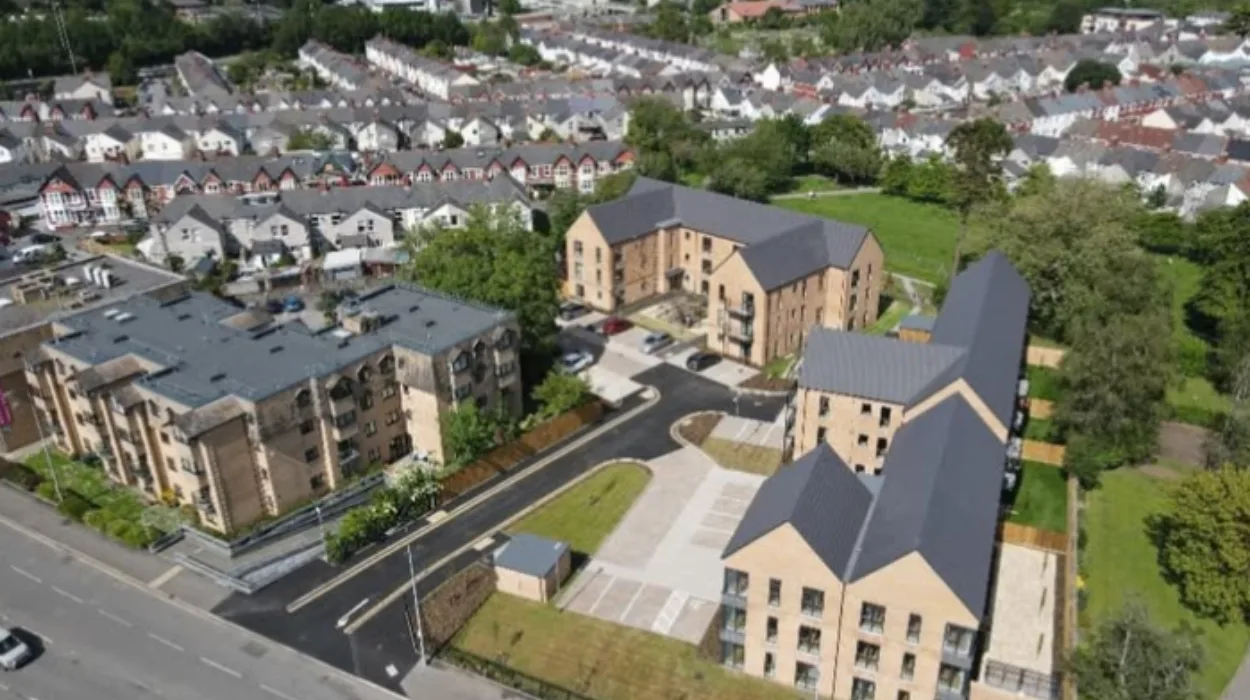
Cardiff’s housing market grapples with a deepening crisis that leaves countless families in limbo. Despite years of pledges and incremental efforts, the shortage persists, pushing average home prices beyond reach and swelling social housing waitlists to record levels.
Historical Roots of Cardiff’s Housing Challenge
Cardiff’s housing woes trace back to its rapid transformation from a modest port town into Wales’ bustling capital. In the late 19th and early 20th centuries, the city exploded with industrial growth, drawing workers to coal-shipping docks and steelworks, which strained an already limited housing stock. Post-World War II reconstruction focused on high-rise estates and suburban sprawl, but these solutions often prioritized quantity over quality, leading to aging infrastructure that now requires costly upgrades.
By the 1980s, deindustrialization hit hard, emptying factories while population growth resumed in the 1990s due to university expansion and service-sector jobs. This mismatch created a legacy of underinvestment in family-sized homes. Government reports highlight how decades of below-target building rates—peaking briefly in 2013 before declining—have compounded the issue, with Wales completing far fewer units than needed annually. Today, this historical underbuilding forms the bedrock of the current shortage, as demand from young professionals, migrants, and growing families outpaces supply.
The city’s designation as a regeneration hub in the early 2000s amplified pressures. St. David’s shopping centre and Cardiff Bay developments boosted appeal but funneled investment into luxury apartments rather than affordable family housing. Academic analyses from Welsh universities note that zoning laws favoring commercial projects exacerbated residential gaps, leaving neighborhoods like Adamsdown and Riverside oversubscribed.
Current Scale of the Crisis
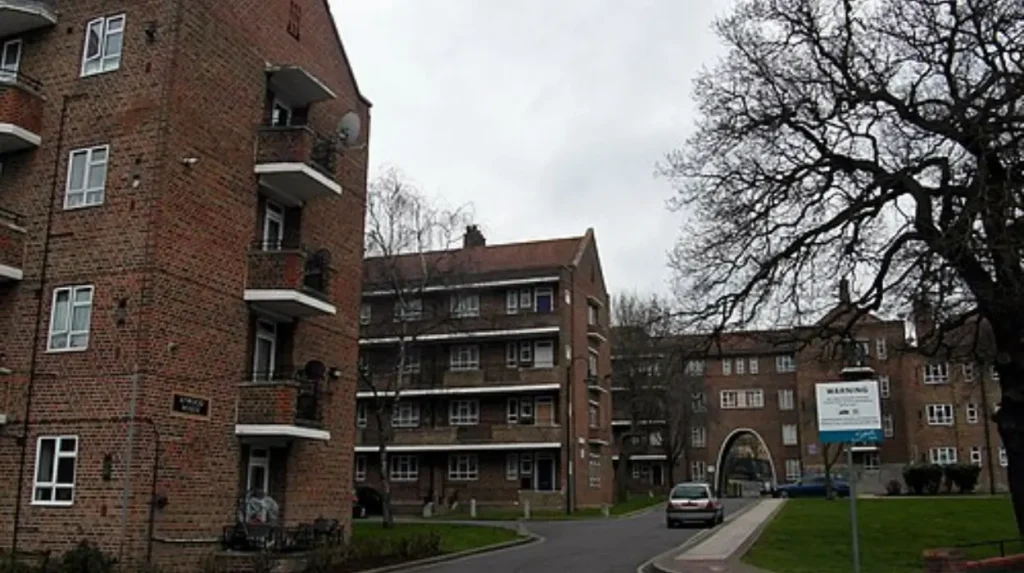
As of 2026, Cardiff’s social housing waiting list exceeds 9,500 households, up 24% since 2021, while allocations dropped 17% to just 1,248 units last year. Private rentals mirror this strain: average rents climbed 12% year-over-year to £1,400 monthly for a three-bedroom home, pricing out middle-income families. Over 2,000 households languish in temporary accommodations like hotels and converted offices, costing the council millions annually.
Homelessness presentations surged, with a 66% rise in families needing permanent rehousing—from 431 to 714—and a 108% spike in evictions from private lets. Cardiff Council declared a housing emergency in 2022, yet figures worsened: threatened homelessness cases jumped 20% to 2,149. This isn’t abstract; it manifests in children shuttled between B&Bs, disrupting schooling, and parents skipping meals to cover deposits.
Wales-wide data underscores Cardiff’s outsized burden. In the six months to September 2023, only 2,108 new homes were built nationwide, 75% private, while 9,000 people entered emergency lodging. Cardiff, housing a fifth of Wales’ population, absorbs disproportionate demand as the economic magnet, with net migration adding 5,000 residents yearly.
Key Causes Driving the Shortage
Several intertwined factors fuel Cardiff’s housing bind. First, chronic under-supply stems from planning delays and land scarcity. Brownfield sites in the city center are contaminated or contested, while green belts around outskirts face environmental pushback. Developers cite lengthy approvals—averaging 18 months—as a deterrent, resulting in just 253 new council homes since 2023.
Second, population pressures intensify. Cardiff’s populace hit 370,000 by 2025, fueled by students (40,000+ at Cardiff University and Cardiff Met) who transition to permanent stays, and inbound workers for sectors like finance and tech. Net internal migration from other UK regions adds to this, with families seeking better schools and jobs. Research from the Welsh Government attributes 30% of demand growth to these demographics.
Third, affordability erosion plays havoc. House prices averaged £330,000 in 2025, up 8% from 2024, while wages stagnate at £32,000 median. Right-to-buy schemes depleted social stock by 20% over two decades, and private investors snapped up ex-council properties. The private rented sector, housing 25% of families, sees landlords exit due to rising regulations and tax hikes, slashing availability by 15% since 2022.
Economic shocks compound this. Post-pandemic remote work drew London commuters, bidding up prices, while inflation hiked construction costs 25%. Prison leavers and no-fault evictions, up 50%, funnel more into council queues. Unlike rural Wales, Cardiff’s urban density limits self-build options, trapping families in a cycle of bidding wars and overcrowding.
Impact on Families and Communities

The housing shortage ripples through Cardiff’s family fabric. Parents endure years on waitlists, with average waits stretching 5-7 years for three-bedroom units. This fosters instability: children change schools mid-term, correlating with a 15% drop in attainment scores per government studies. Mental health referrals linked to housing stress rose 40% in council clinics.
Communities fray as young families flee to outskirts like Barry or Caerphilly, eroding local economies. High streets in Grangetown and Splott empty of family shoppers, while overcrowding—10% of private lets exceed occupancy limits—breeds health issues like damp-related asthma. Single-parent households, 28% of applicants, fare worst, often doubling up with relatives.
Long-term, this risks social division. Affluent areas like Penarth thrive, while deprived wards like Butetown see 30% child poverty tied to housing. Economic output suffers too: a Joseph Rowntree Foundation report estimates Wales loses £1.5 billion yearly from housing-related unemployment and health costs, with Cardiff bearing half.
Government and Council Responses
Cardiff Council refreshed its 2022-2026 Housing Support Programme amid the crisis. They’ve delivered 253 council homes and 150 units via social landlords since 2023, including youth-specific accommodations. Modular homes at Grangetown’s Gasworks site house homeless families rapidly, bypassing traditional builds.
Prevention drives efforts: the Landlord Enquiry & Tenants Services (LETS) team secured 93 affordable lets through Leasing Scheme Wales. Partnerships with Welsh Government fund early interventions, cutting homelessness threats via rent arrears advice. Priorities include more supported housing to end hotel reliance and boosting supply through land auctions.
Nationally, Wales’ 2023 Housing Action Plan targets 20,000 affordable homes by 2028, with Cardiff allocated 3,000. Innovations like permitted development rights speed conversions of offices to flats. Yet critics argue allocations favor one-bedrooms, mismatched to family needs comprising 60% of waitlists.
Councillor Lynda Thorne emphasizes private sector woes and prison leavers as drivers, pledging stakeholder collaborations. Budgets allocate £50 million for 2026 builds, but revenue shortfalls loom at £2.5 million.
Barriers to Faster Progress
Despite initiatives, obstacles persist. Planning bottlenecks delay 40% of projects, per developer surveys. NIMBYism in suburbs blocks greenfield developments, while skilled labor shortages—exacerbated by Brexit—hike costs 20%. Funding gaps hinder: central grants cover half of social housing needs, forcing councils to compete at auction for land.
Regulatory hurdles abound. Energy efficiency mandates add 15% to build prices, deterring volume. Right-to-buy losses aren’t fully replenished, and cross-border investors inflate prices. The 2025 budget shortfall signals fiscal strain, prioritizing social care over housing.
Academic papers from Cardiff University critique siloed policies: transport investments lure buyers without housing follow-through. Coordination with Registered Social Landlords yields gains but scales slowly.
Voices from Affected Families
Real stories illuminate the human toll. Sarah, a nurse in Roath with two children, bid unsuccessfully on 50 properties last year: “We couch-surf between relatives, missing school runs—it’s soul-destroying.” Her waitlist position: 4,200th. Likewise, mechanic Tom in Ely faces eviction: “Rents doubled; council says 6 years minimum. How do families survive?”
These narratives, echoed in council testimonies, reveal desperation. Prison leaver support gaps leave ex-offenders sofa-surfing, straining family resources. Community groups report 500+ monthly inquiries for emergency aid.
Potential Long-Term Solutions
Addressing Cardiff’s shortage demands bold supply ramps. Experts advocate relaxing green belt rules for 10,000 modular homes, leveraging vacant sites like former steelworks. Public-private partnerships could deliver 2,000 units yearly, prioritizing family sizes.
Rent controls and incentives for family lets might stabilize private markets. Taxing second homes—5% vacant rate—frees 2,000 properties. Upskilling programs for construction, targeting 5,000 apprentices, tackle labor gaps.
Integrated planning links housing to jobs and schools, curbing sprawl. Welsh Government’s 2026 target: 7,500 affordable starts, with Cardiff pivotal. Community land trusts, proven in Scotland, empower locals to build affordably.
Innovation beckons: 3D-printed homes cut times 50%, piloted in Wales. Long-term, capping student guarantees preserves family stock.
Looking Ahead for Cardiff Families
Cardiff’s housing shortage endures due to supply lags, demographic surges, and policy frictions, keeping families waiting amid rising costs. Incremental wins like modular builds offer hope, but scaling requires urgency.
With coordinated action, the city can house its future. Families deserve stability, not endless queues—progress hinges on bridging words and bricks.