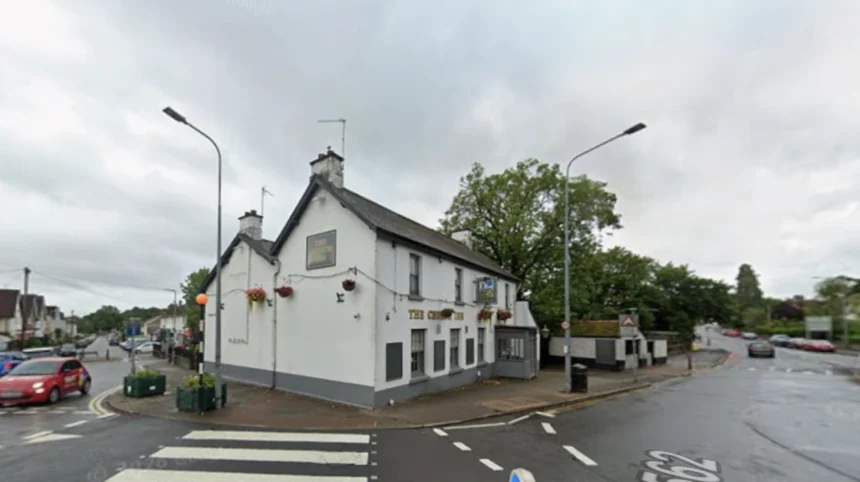
Llanishen, a suburb in the north of Cardiff, combines growing residential development with a strong community‑focused lifestyle, anchored by the free weekly Llanishen Park parkrun and multiple local‑news channels for residents. Increasing housing supply, a new community hub, and regular events shape how families and workers experience this area as part of the wider Cardiff City economy and health‑improvement strategy.
- What is the Llanishen Park parkrun in Cardiff?
- Where exactly is Llanishen Park parkrun held?
- How does the Llanishen Park parkrun work week‑to‑week?
- Why is the Llanishen Park parkrun important for the local community?
- What types of new homes are being built in Llanishen?
- How are new homes in Llanishen linked to community services?
- What local community news and events matter for Llanishen residents?
- How does the Llanishen Parkrun fit into Cardiff’s wider health and transport strategy?
- How can Cardiff residents stay updated on Llanishen‑area developments and events?
- What is the long‑term outlook for Llanishen as a Cardiff‑area suburb?
What is the Llanishen Park parkrun in Cardiff?
The Llanishen Park parkrun is a free, weekly, timed 5‑kilometre walking, jogging, or running event held every Saturday at 9:00 am in Llanishen Park, Cardiff (postcode CF14 5HB). The course is open to all ages and abilities, attracts hundreds of weekly participants, and is entirely organised by volunteers registered through the global parkrun network.
Llanishen Park parkrun sits within the UK‑wide parkrun system, which started in 2004 and now runs weekly 5k events at over 1,200 locations, including multiple sites in Cardiff such as Roath Park and Pontcanna Fields. The event is timed using participant barcodes; runners must register once on the parkrun website and then bring a scannable barcode (paper or digital) to record finishing times.
The route loops through grass‑covered parkland next to residential streets, with a mix of gentle inclines and flat stretches suitable for beginners and experienced runners alike. Typical weekly attendance ranges from roughly 150 to 300 participants, depending on weather and school‑holiday periods, with many families dropping off children at junior parkrun‑style events nearby at other Cardiff sites.
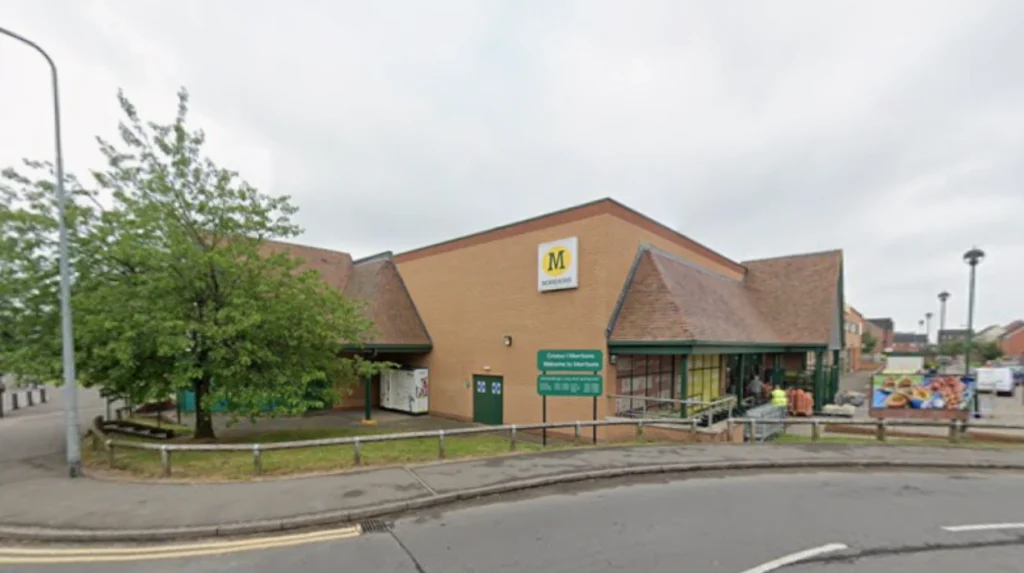
Llanishen Park parkrun contributes to local health‑improvement targets, such as Cardiff Council’s strategy to increase physical‑activity rates and reduce obesity and inactivity. The event also acts as a low‑threshold social space, where residents meet neighbours, join local running groups, and sometimes coordinate with nearby activities such as café meet‑ups at The Café @ Morrisons on Ty Glas Road.
Where exactly is Llanishen Park parkrun held?
Llanishen Park parkrun takes place inside Llanishen Park, a public green space on the north side of Cardiff, with the main entrance and registration area near Ty Glas Avenue and the postcode CF14 5HB. The park is bounded by residential streets such as Llanishen Road, Ty Glas Road, and Llanwenarth Road, making it easily accessible by foot, bike, or a short bus or car journey from central Cardiff.
Llanishen Park occupies roughly 10–15 hectares of municipally managed green land, shared between formal sports fields, informal play areas, and wooded sections. The parkrun course typically starts near the main car‑park or field edge, loops around the central playing fields, and passes close to the children’s playground and multi‑use games area, giving walkers, runners, and spectators clear sightlines.
Public transport links include Cardiff Bus routes along Newport Road and Ty Glas Road, which connect Llanishen to Cardiff city centre, Whitchurch, and the Osborne Road commercial strip. The nearest rail stations are Cardiff Central and Cardiff Queen Street, with onward bus or taxi trips of about 10–15 minutes to the park entrance.
The park’s location also places it within the wider “north Cardiff” health‑and‑recreation corridor, which includes nearby Roath Park, Lisvane Reservoir, and several local sports clubs. This clustering of green spaces supports Cardiff Council’s long‑term plan to ensure that 90 per cent of residents live within a 10‑minute walk of green space by 2030.
How does the Llanishen Park parkrun work week‑to‑week?
Llanishen Park parkrun runs every Saturday at 9:00 am as a free, timed 5k event; participants must register once on the parkrun website, print or download a barcode, and arrive on time to be scanned at the start and finish. Volunteers staff the event, managing course marshalling, registration, first‑aid, and timing, while walkers, joggers, and runners complete the course at their own pace.
The weekly process begins with nationwide volunteer recruitment and training through the parkrun organisation, which provides online resources and local‑event‑ambassador roles. At Llanishen Park, a small core team of local volunteers coordinates with the wider South Wales parkrun community, recruiting extra helpers via social media and email lists.
Participants normally arrive between 8:30 am and 8:50 am, check in at the registration tent, and confirm their barcode status. The course‑start is announced by a volunteer marshal, and runners are encouraged to group roughly by pace so that faster participants set off at the front and slower walkers or pushchairs follow towards the rear.
Timing relies on electronic scanners placed at the start‑line mats and the finish line; each barcode‑bearer receives an official time and, if desired, can track weekly performance over months or years. Results are published online within a few hours after the event, and many participants use them to compare times, join local running groups, or plan training for longer races such as Cardiff Half Marathon.
Why is the Llanishen Park parkrun important for the local community?
The Llanishen Park parkrun is important because it provides a low‑cost, inclusive way to improve physical health, build social connections, and strengthen neighbourhood identity in north Cardiff. Regular 5k participation supports public‑health goals linked to reduced cardiovascular disease, obesity, and mental‑health‑related GP visits, which are key priorities for Cardiff Council and the NHS.
The event acts as a weekly “health‑and‑social” anchor, drawing people from Llanishen, Lisvane, Thornhill, and beyond. After the run, many participants gather at local cafés or the Hub café, reinforcing informal support networks and local businesses near Ty Glas Road.
Llanishen Park parkrun also supports broader community‑stability initiatives, such as neighbourhood‑watch schemes, local policing engagement, and youth‑projects notices shared via the Council’s community‑hub and Facebook‑based residents’ groups. Event‑specific volunteers often overlap with other civic roles, including school‑governors, library‑users, and participants in Cardiff Council‑sponsored health‑walk schemes.
For families, the event offers a structured Saturday‑morning routine that fits around school‑holiday calendars and local‑school term dates. It also complements the area’s planned education‑and‑family infrastructure, including nearby primary and secondary schools and the new Llanishen‑area schools proposed on the former HMRC‑tax‑offices site.
What types of new homes are being built in Llanishen?
New homes in Llanishen include a mix of family‑oriented houses and apartments, ranging from 2‑bedroom starter‑level properties to 4‑ and 5‑bedroom detached or semi‑detached houses, with typical asking prices from around £225,000 to £670,000. Major developments combine private‑sale units with some affordable‑housing or shared‑ownership components, in line with Cardiff Council’s housing‑supply targets.
Examples of current and recent project types include:
- Private‑sale family houses (such as those at Maple Fields and Longwood Grange), offering 2–5‑bedroom layouts, gardens, and off‑street parking.
- Apartment blocks integrated into mixed‑use sites, often near Ty Glas Road or the planned Llanishen‑hub‑adjacent developments.
- Later‑living and retirement‑flat schemes proposed on brownfield sites such as the former HMRC campus, targeted at over‑55s and older‑adults networks.
These developments are part of a wider Cardiff‑level plan to deliver several thousand new homes by 2030 across the north and west of the city, helping to absorb population growth and commuter demand from nearby business districts such as the Central Square and International Business Park. Llanishen’s proximity to the A470 and Newport Road corridors makes it attractive for both in‑commuters and families seeking access to green space and schools.
How are new homes in Llanishen linked to community services?
New‑home developments in Llanishen are linked to community services through local‑planning‑gain agreements, the refurbished Llanishen Hub, and planned schools and care facilities on repurposed public land. Developers typically contribute to affordable‑housing quotas, infrastructure upgrades, and community‑facility funding, which the Council channels into libraries, advice centres, and health promotion.
The Llanishen Hub, opened in December 2017 inside the ground floor of Llanishen Police Station on Station Road, provides library services, housing and benefits advice, free internet access, IT‑training rooms, and meeting spaces for local groups. This hub sits within walking distance of Ty Glas housing schemes and serves residents of both older and new developments, reducing transport‑barriers to civic support.

Education‑linked infrastructure is a second key link. The former HMRC site on Ty Glas Road is slated for a new high school and a special‑school unit, in response to rising demand from new housing and projected pupil‑growth statistics for Cardiff. Cardiff Council estimates that thousands of additional homes on the city’s outskirts will drive a 10–15 per cent increase in secondary‑school demand over the next decade, shaping where new schools and support‑services are located.
What local community news and events matter for Llanishen residents?
Current local‑community news for Llanishen includes updates on housing developments, school‑place expansion, the Llanishen Hub, and regular seasonal events such as family activities in Llanishen Park and wider Cardiff‑area festivals. Residents follow these via Cardiff Council channels, community‑Facebook groups, Labour‑councillor pages, and local‑event platforms such as Meetup and VisitCardiff.
Key recurring‑event types include:
- Family‑park events such as “Summer Fun at Llanishen Park,” held from late July to early August each year, with games, stalls, and drop‑in activities for children.
- Community‑group meetings hosted in the Llanishen Hub meeting rooms or local halls, covering topics such as transport, greenspace protection, and policing.
- Business‑and‑social meetups listed on platforms like Meetup, bringing together entrepreneurs, professionals, and hobby‑groups in nearby areas such as Osborne Road and Roath Park.
For political and planning news, Llanishen residents receive updates from the local Labour‑community‑news page and the Cardiff Council website, which cover council‑tax policies, waste‑collection changes, and major‑development consultations. These channels also relay information on how new‑housing schemes feed into Cardiff’s 2030 housing‑strategy, including affordable‑housing targets, cycle‑lane upgrades, and park‑maintenance budgets.
How does the Llanishen Parkrun fit into Cardiff’s wider health and transport strategy?
Llanishen Parkrun fits into Cardiff’s wider health and transport strategy by promoting active travel, reducing car‑trip dependence for short journeys, and helping the city meet national physical‑activity and obesity‑reduction targets. The event is embedded in the city’s Active Travel and Wellbeing agenda, which prioritises walking, cycling, and community‑sport uptake across north and central Cardiff.
Cardiff Council’s Active Travel Plan aims to increase the share of journeys made by foot or bike from roughly 25 per cent to 35 per cent by 2030, using infrastructure such as segregated cycle lanes along Newport Road and Ty Glas Avenue. Llanishen Parkrun participants often use these routes to cycle or walk from nearby housing estates, aligning with the plan’s goal of “everyday‑active‑travel” rather than car‑only commuting.
Public‑health data show that regular participation in structured 5k events can reduce risk factors for type‑2 diabetes, heart disease, and depression; parkrun‑linked studies estimate that regular participants walk or run around 1–2 hours per week more than non‑participants. Llanishen Parkrun feeds into this evidence base by providing a measurable, community‑level activity‑point, which local commissioners can reference when evaluating health‑budget effectiveness.
How can Cardiff residents stay updated on Llanishen‑area developments and events?
Cardiff residents can stay updated on Llanishen‑area developments and events by using Cardiff Council’s official channels, hyper‑local Facebook and social‑media groups, and standard event‑listing platforms such as VisitCardiff and Meetup. Each of these sources covers different layers of information, from housing‑planning decisions to informal social gatherings.
Primary channels include:
- Cardiff Council website and district pages, which publish consultation notices on new‑housing schemes, school‑place expansions, and park‑maintenance programmes for Llanishen, Lisvane, and Thornhill.
- Neighbourhood Facebook groups, such as the “Llanishen and Thornhill Community Page” and “Llanishen Residents’ Group,” where residents share event flyers, lost‑and‑found posts, and local‑news alerts.
- Political and community‑news pages, such as the Llanishen Labour Community News page, which posts council‑meeting summaries, road‑works updates, and responses to local issues.
For event‑specific information, the VisitCardiff “What’s On” calendar and Meetup’s Llanishen‑area listings aggregate runs, walks, networking meetups, and cultural events. The Llanishen Parkrun links and social‑media accounts (@llanprkparkrun on X and Instagram, and the Facebook page) also provide weekly reminders, temporary‑course‑diversion notices, and volunteer‑calls.
What is the long‑term outlook for Llanishen as a Cardiff‑area suburb?
Llanishen’s long‑term outlook is that of a growing, mixed‑tenure residential suburb with strengthening community infrastructure, improved transport links, and continued integration into Cardiff’s health‑and‑education‑planning framework. New‑housing density, the Llanishen Parkrun, and the Llanishen Hub will likely reinforce its role as a middle‑income, family‑oriented area within north Cardiff.
Planned components include:
- Further housing expansion with mixed‑use schemes on former public‑sector sites, including the old HMRC campus, combining private‑sale homes, affordable units, and retirement or care‑home options.
- Education‑infrastructure upgrades, such as the proposed new high school and special‑school unit, which will anchor the area’s pupil‑growth projections and reduce pressure on existing schools.
- Health‑and‑recreation‑network growth, centred on events like the weekly parkrun, seasonal family‑festivals in Llanishen Park, and integration with Cardiff’s Active Travel corridors.
Over the next decade, Llanishen is expected to remain a target area for both family‑buyers and professionals seeking a balance between green space, schools, and connectivity to Cardiff’s commercial core. This combination of new homes, organised community‑sport, and accessible civic services positions Llanishen as a representative example of how Cardiff blends suburban expansion with health‑oriented, walkable‑neighbourhood design.