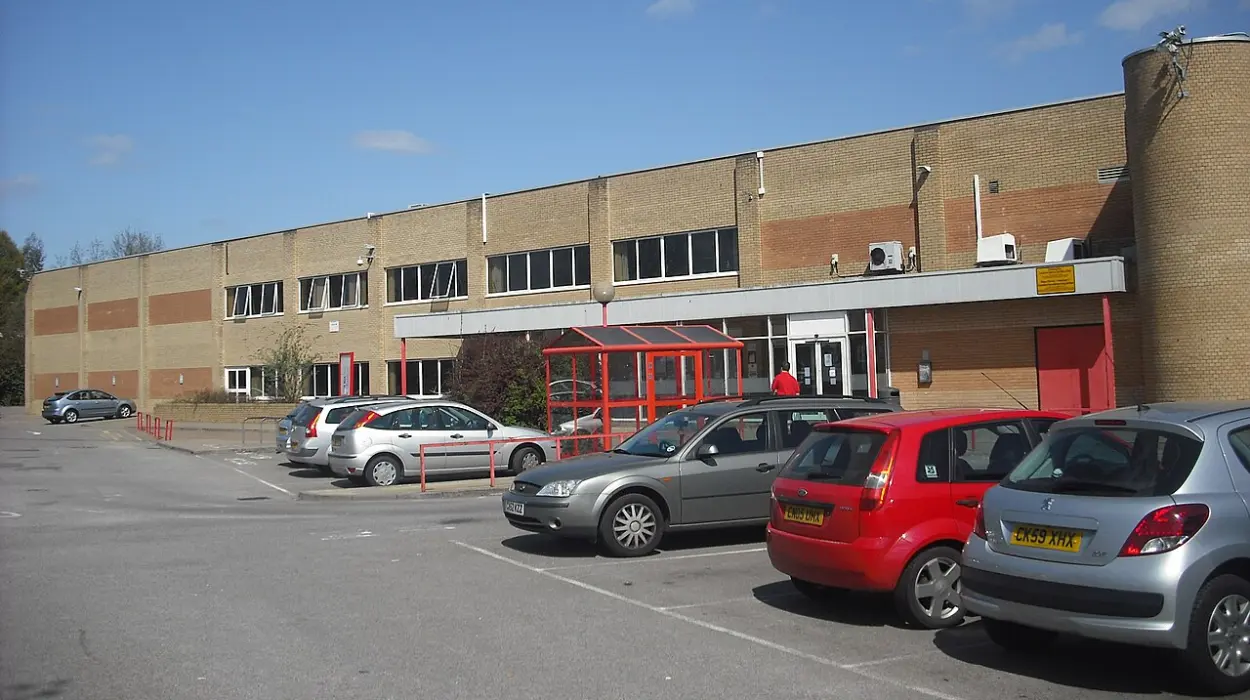
Llanishen, a vibrant residential suburb in northern Cardiff, has long balanced its rich history with forward-looking growth. Development plans here reflect a commitment to sustainable housing, community facilities, and green spaces amid rising population demands.
- Historical Foundations of Llanishen
- Current Housing Initiatives
- Major Sites and Past Projects
- Education and Community Infrastructure
- Sustainability at the Core
- Transport and Connectivity Enhancements
- Economic Impacts and Job Creation
- Environmental Considerations
- Community Engagement Processes
- Challenges Facing Llanishen Growth
- Future Vision for Llanishen
- Broader Context in Cardiff’s Expansion
- Preserving Cultural Heritage
- Real Estate and Investment Opportunities
- Health and Wellbeing Integration
Once a quiet village rooted in medieval times, Llanishen now navigates ambitious projects that honor its past while addressing modern needs. These initiatives, driven by Cardiff Council and private developers, aim to deliver thousands of homes without overwhelming the area’s charm.
Historical Foundations of Llanishen
Llanishen’s story begins centuries ago as a rural parish in Glamorgan, named after Saint Iseini, with records dating back to the 13th century. Its growth accelerated during the industrial era, as railways connected it to Cardiff’s bustling docks, drawing families seeking affordable homes beyond the city center.
By the mid-20th century, post-war housing boomed, transforming farmland into neat estates like those around Llanishen Reservoir, completed in 1863 to supply water amid rapid urbanization. This Victorian engineering marvel, now a scenic asset managed by Welsh Water, underscores early infrastructure planning that set the tone for today’s developments.
The suburb’s evolution mirrors Cardiff’s shift from coal port to modern capital. Council estates in the 1950s and 1960s provided stability, but recent decades highlight challenges like aging homes and school overcrowding, prompting structured regeneration.
Current Housing Initiatives
Cardiff Council’s housing program targets Llanishen for its accessibility—close to shops, M4 links, and public transport. A prime example is the redevelopment of the former Wolf’s Castle Inn site, a derelict pub poised for transformation into council homes.
This project promises 20-30 energy-efficient units with private gardens, EV charging, and bike storage, all within a green landscape. Designs draw local inspiration, ensuring strong street frontages and homage to the site’s pub heritage, blending nostalgia with sustainability.
Stage two consultations, wrapping up in early 2025, incorporate community feedback on layouts and constraints like topography. Early visuals show family-oriented homes maximizing views, fostering an inclusive neighborhood that eases Cardiff’s housing shortage.
Major Sites and Past Projects
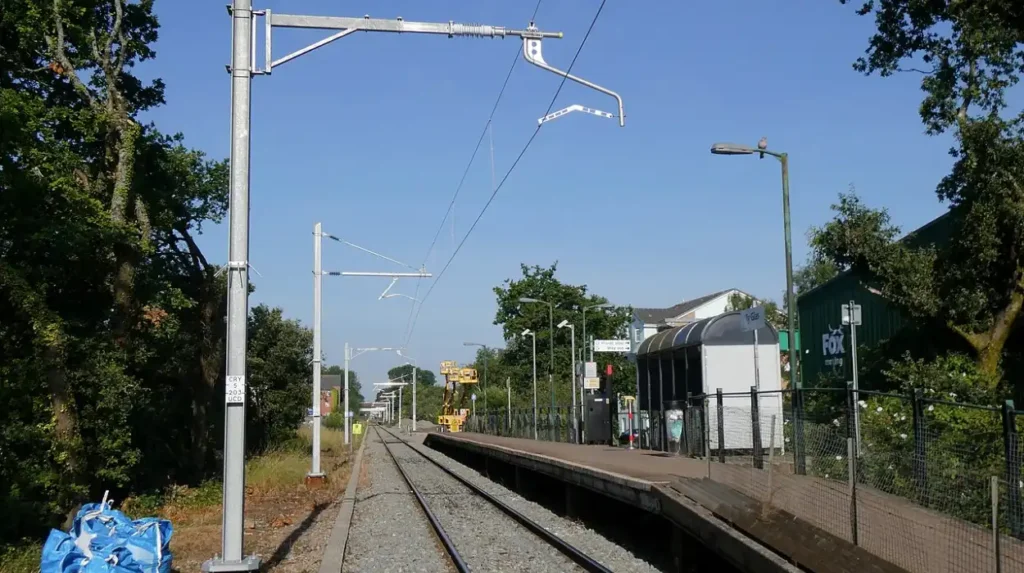
The old HMRC tax offices on Ty Glas Road represent another pivotal site. Developers initially proposed demolishing Gleider House towers for hundreds of homes, flats, business units, a care home, and retirement living—plans shelved as council eyes school construction.
Cardiff Council now prioritizes acquiring this 6.5-acre plot for a new high school and special needs facility, addressing surging pupil numbers. This shift underscores education’s role in development, with cabinet members noting investments must match demographic growth.
Completed schemes like the Llanishen Hub exemplify success. This mixed-use regeneration delivered quality housing alongside retail and leisure, enhancing quality of life through improved public realms and connectivity.
Nearby, Trenchard Drive saw approved extensions for family homes, with strict landscaping rules preserving green buffers. These incremental wins build toward larger visions, like the Call for Sites submission near Thornhill, eyeing 1,000-1,200 sustainable dwellings at 30-35 per hectare.
[image: Llanishen Reservoir]
Llanishen Reservoir, a historic landmark, influences site planning by defining natural boundaries and recreation zones.
Education and Community Infrastructure
Rising demand drives school-focused plans. The Ty Glas site could host a secondary school and additional learning needs provision, easing pressure on existing institutions like Llanishen High.
Councillor Sarah Merry emphasized ongoing investments, with Cardiff’s education sector expanding to serve diverse needs. New builds would integrate modern facilities—think tech-enabled classrooms and inclusive designs—while linking to nearby parks for holistic student welfare.
Community hubs form another pillar. Plans emphasize allotments, footpaths, and cycling loops, as in the Thornhill vision, connecting housing to Lisvane station and countryside trails. These features promote active lifestyles, countering urban sprawl concerns.
Sustainability at the Core
Modern Llanishen plans prioritize eco-friendly builds. Wolf’s Castle homes feature adaptable layouts for changing families, low-energy systems, and landscape integration, aligning with Welsh Government net-zero goals.
Constraints like Special Landscape Areas shape designs. Developers navigate Basin SLA and LANDMAP sensitivities, ensuring growth respects regional ecology—e.g., reserving buffers near reservoirs and valleys.
EV infrastructure and bike storage reflect forward-thinking mobility. Broader strategies include permeable surfaces to manage runoff, native planting for biodiversity, and solar-ready roofs, positioning Llanishen as a model for Cardiff’s green expansion.
Transport and Connectivity Enhancements
Llanishen’s appeal lies in its links: Rhymney Line trains from Llanishen station reach Cardiff Queen Street in 15 minutes, while buses serve M4 corridors. Development plans amplify this with segregated cycling paths and pedestrian routes.
Thornhill proposals include a looped cycle network tying housing to employment hubs, reducing car reliance. Proximity to A470 and local amenities minimizes new road builds, focusing instead on sustainable transport modes.
Future phases may integrate bus rapid transit or station upgrades, mirroring Cardiff’s Crossrail ambitions. These upgrades ensure new residents access jobs without gridlock, vital for a suburb hosting 17,000-plus people.
Economic Impacts and Job Creation
Developments promise local economic boosts. Construction phases at Wolf’s Castle and Ty Glas will employ hundreds, prioritizing Welsh firms for skills training and apprenticeships.
Long-term, mixed-use elements like business units sustain vitality. The Llanishen Hub’s retail integration shows how housing spurs cafes, services, and micro-enterprises, retaining spending within the community.
Affordable housing quotas—30% in Thornhill plans—support key workers, stabilizing the workforce. This counters Cardiff’s affordability crisis, where average home prices exceed £300,000, fostering inclusive growth.
Environmental Considerations
Llanishen’s green assets demand careful stewardship. Reservoir environs host wildlife corridors, prompting ecological surveys in all plans. Developers commit to topsoil assessments and native species planting.
Flood risks from nearby brooks inform raised foundations and SuDS (Sustainable Drainage Systems). Constraints like Ely Valley SLA limit westward sprawl, channeling growth eastward with minimal impact.
Biodiversity net gain is mandatory: Thornhill envisions 34 hectares of housing land offset by expanded allotments and trails, enhancing sensory landscapes identified in LANDMAP studies.
Thornhill Park offers open spaces that future plans aim to expand, linking residents to nature.
Community Engagement Processes
Cardiff Council champions consultation. Wolf’s Castle stage one gathered input on heritage and green needs; stage two refines designs via workshops and online portals.
For Ty Glas, public meetings addressed school priorities over commercial builds, reflecting resident calls for family infrastructure. This participatory model builds trust, ensuring plans evolve with local voices.
Ongoing feedback shapes masterplans. Residents influence everything from play areas to traffic calming, as seen in Trenchard Drive approvals mandating community landscaping specs.
Challenges Facing Llanishen Growth
Despite promise, hurdles persist. Infrastructure lags: aging sewers and roads strain under new loads, requiring phased delivery tied to occupancy levies.
NIMBY concerns arise over density, though councils counter with quality precedents like Llanishen Hub. Landscape designations curb scale, balancing 4,000 citywide homes with suburb character.
Affordability remains key—council homes target waits lists, but private schemes must deliver promised 30% affordable units amid rising material costs.
Future Vision for Llanishen
Looking ahead, Llanishen embodies Cardiff’s 2020-2030 Local Development Plan ambitions: compact growth preserving countryside. By 2030, expect 500+ new homes, enhanced schools, and seamless green networks.
Integration with adjacent Lisvane and Thornhill forms a cohesive corridor, with rail upgrades boosting commutes. Sustainability metrics—Passivhaus standards, zero-carbon readiness—will define success.
This evolution secures Llanishen’s place as a desirable, resilient community. Residents gain modern amenities without losing village ethos, ensuring long-term prosperity.
Broader Context in Cardiff’s Expansion
Llanishen fits Cardiff’s northwards push, complementing sites like North Cardiff (St Fagans) while respecting SLAs. Council programs deliver 4,000+ homes citywide, prioritizing brownfield over greenfield.
Welsh Government backing via funding pots accelerates delivery. Partnerships with bodies like Welsh Water safeguard reservoirs, aligning development with national housing targets of 20,000 annually.
Preserving Cultural Heritage
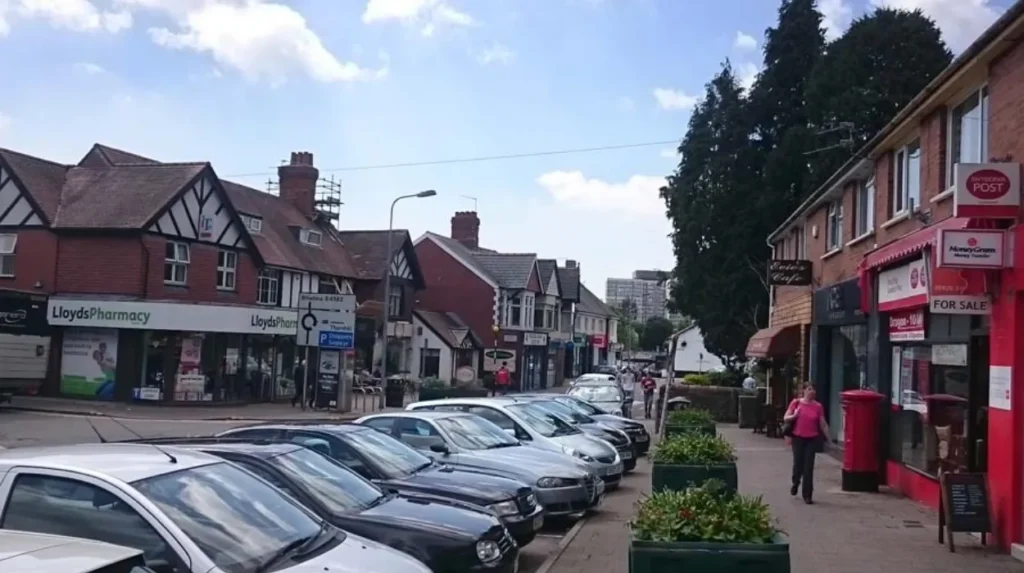
Amid bricks and mortar, heritage endures. Pub sites like Wolf’s Castle incorporate nods to lost landmarks—perhaps plaques or design motifs evoking alehouse eras.
Reservoir trails and churchyards around St Isan’s remain untouched, weaving history into daily life. Plans celebrate Llanishen’s Welsh roots, from Celtic name origins to industrial legacies.
Real Estate and Investment Opportunities
For buyers, Llanishen offers value: average prices hover below Cardiff’s mean, with new builds promising warranties and efficiency savings. Shared ownership schemes open doors amid market pressures.
Investors eye rental demand from young professionals commuting south. Sustainable features boost yields, positioning the suburb as a smart bet in Wales’ property landscape.
Health and Wellbeing Integration
Plans embed wellness: parks expansions, active travel, and play spaces combat sedentary trends. School sites include sports pitches, fostering lifelong fitness.
Mental health benefits from green views and community design, reducing isolation in growing estates. Allotments promote self-sufficiency, echoing rural pasts.
Llanishen development plans weave a tapestry of progress, sustainability, and community. From reservoir-shadowed homes to school-filled horizons, this suburb charts a balanced path forward, enriching Cardiff’s northern fringe for generations.