Every driver in Cardiff knows the dread of hitting a pothole. That sudden jolt, the crunch of gravel under the tires—it’s more than an annoyance; it’s a daily gamble on roads like Newport Road. This busy artery connecting Cardiff to Newport claims the unwanted title of Wales’ pothole capital, with locals reporting damage claims and repair bills stacking up.
- The Pothole Hotspot on Newport Road
- Weather’s Relentless Assault
- Traffic Overload and Urban Strain
- Aging Infrastructure and Funding Gaps
- Real Impacts on Drivers and Communities
- How Potholes Form: The Science Explained
- Spotting and Avoiding Potholes
- Claiming Compensation: Your Rights
- Council Efforts and Future Fixes
- What You Can Do Right Now
This article dives into why Newport Road suffers the worst. We’ll explore the root causes, from relentless rain to overburdened infrastructure, backed by real stats and driver stories. You’ll also get practical advice on spotting hazards, claiming compensation, and what councils are doing—or not. Whether you’re commuting from Roath or heading east, understanding this mess helps you navigate it smarter.
The Pothole Hotspot on Newport Road
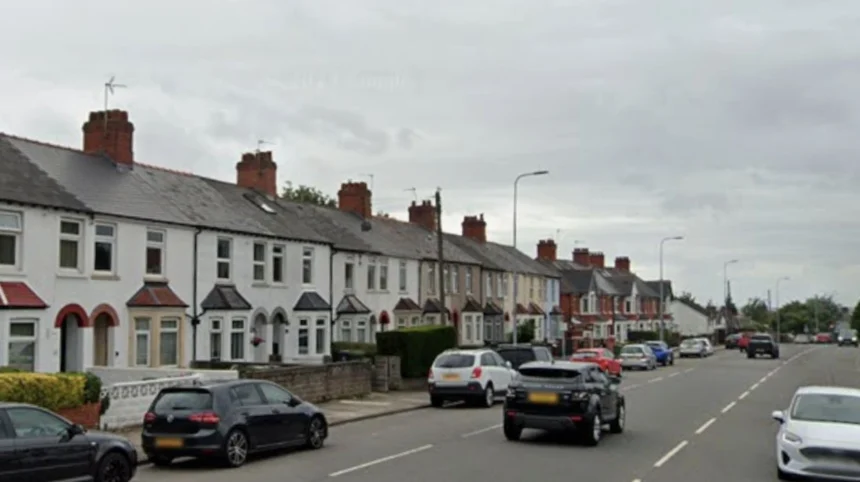
Newport Road isn’t just any street; it’s a vital link for over 30,000 vehicles daily, snaking through Cardiff’s eastern suburbs toward the M4. Recent surveys by driver groups like the RAC pinpoint it as Wales’ pothole leader, with complaints surging 14% in early 2026 alone.
The road’s layout amplifies the problem. Narrow lanes force heavy HGVs and buses to hug the edges, where surfaces wear fastest. Add cyclists and pedestrians near shops on Albany Road junction, and you’ve got constant stress on the tarmac. One Newport driver measured a six-inch deep crater here last year, wrecking his alloy wheel.
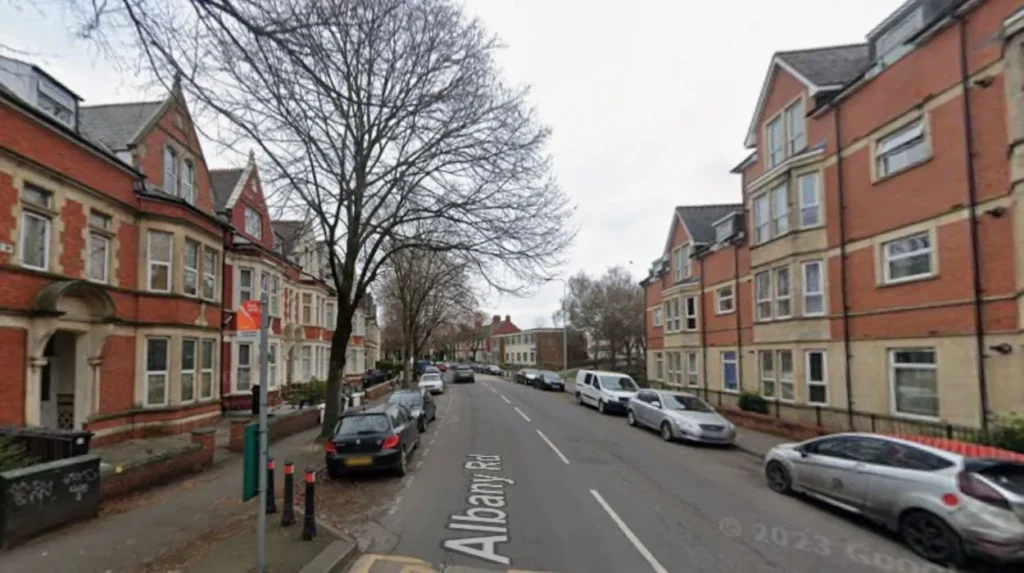
Why does it stand out? Unlike quieter rural lanes, Newport Road sees urban grind: stop-start traffic grinds asphalt, while tree roots from nearby parks like Roath Pleasure Gardens heave the ground unevenly. It’s a perfect storm, turning minor cracks into gaping holes.
Weather’s Relentless Assault
Wales’ climate is the silent culprit behind Newport Road’s woes. Record rainfall—over 200mm in February 2026—seeps into road cracks, freezing overnight in our mild winters. This expand-contract cycle shatters surfaces like glass under pressure.
The process starts innocently. Water infiltrates tiny fissures from everyday wear. When it freezes, ice expands by 9%, prying the road apart. Thawing rain then washes out debris, leaving voids that traffic punches into potholes. Newport Road, with its slight camber for drainage, ironically funnels water toward the center.
Local data underscores this. Newport City Council fielded 174 damage claims over three years, paying out nearly £25,000—mostly from wet-weather blowouts. Cardiff Council upped its pothole budget to £6.6 million this year, triple last year’s spend, yet the deluge outpaces fixes. Drivers call it a “nightmare,” with AA callouts hitting 4,600 across Wales.
Traffic Overload and Urban Strain
Newport Road carries the weight of Cardiff’s growth. As the city expands eastward, commuters from new housing in Llanishen and Lisvane flood the route, alongside lorries serving industrial estates near the docks. This volume—peaking at rush hour—accelerates decay.
Heavy vehicles are key offenders. A single articulated lorry exerts pressure equivalent to 1,000 cars on weak spots. When roads age beyond 20 years without resurfacing, they crumble under such loads. Newport Road’s sections date to the 1960s, patchy repairs leaving seams that split open.
Construction exacerbates it. Ongoing Wales Metro works along the road, adding stations, disrupt drainage and compact soil unevenly. Barriers and cones funnel traffic into fewer lanes, concentrating damage. Frustrated locals report barriers repeatedly smashed, worsening the patchwork.
Aging Infrastructure and Funding Gaps
Much of Newport Road rides on foundations laid decades ago. Asphalt lifespans 10-15 years under ideal conditions, but Wales’ budgets lag. Cardiff spent just £48,000 on potholes pre-2026, dwarfed by needs.
Councils blame tight finances. Welsh Government borrowing helped fix 171,000 potholes since 2025, but allocation favors rural A-roads over urban crushers like Newport Road. Maintenance backlogs mean reactive patching—temporary asphalt that pops out in weeks—over full resurfaces.
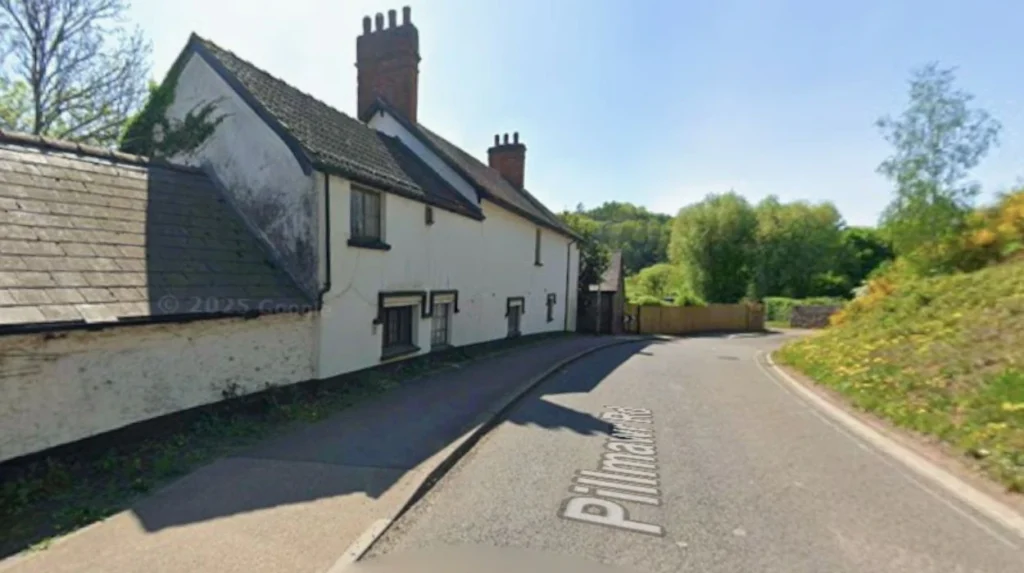
Real-world fallout? A Pillmawr Road pothole nearby (linked via similar geology) grew to “the biggest ever seen,” stranding cars. Newport’s council leader admits roads are a “priority,” but social media rants show gaps between promise and pavement.
Real Impacts on Drivers and Communities
Potholes aren’t abstract; they hit wallets hard. Average repair for wheel damage runs £200-£500, with suspension fixes topping £1,000. Newport’s £25,000 payouts reflect thousands affected yearly.
Safety risks loom larger. Hidden craters fill with water, mimicking puddles—especially deadly at night. Cyclists on Newport Road’s shared paths face wipeouts; one Reddit thread from Cardiff drivers details bent forks and ER visits.
Businesses suffer too. Cafes along the road lose custom as pothole-dodging detours snarl deliveries. “It’s embarrassing for a capital city,” says one resident, echoing broader frustration. Emergency services delay, turning minor trips into hazards.
How Potholes Form: The Science Explained
Pothole creation follows a predictable path, rooted in physics and geology. Step one: surface cracking from traffic flex. Water enters, aided by Cardiff’s clay-heavy subsoil that swells when wet.
Freeze-thaw amplifies it—ice volume increase widens cracks exponentially. Subsoil erosion follows; underground streams carve cavities. A tyre hits, and the slab collapses. Newport Road’s granite chippings, once durable, now betray under volume.
Preventive seals exist—bitumen sprays or resin injections—but cost 10x patching. Councils opt short-term, perpetuating the cycle. Understanding this empowers reporting: photos of water-filled holes flag imminent failures.
Spotting and Avoiding Potholes
Vigilance saves cash. Scan 20 meters ahead, especially dusk or rain when shadows hide threats. Newport Road hotspots cluster near junctions—Albany Road, City Link flyover—and after roundabouts where braking chews edges.
Slow to 20mph over suspects; straddle if narrow. Mountain bikers’ trick: ease weight off saddle pre-impact. Apps like Waze crowdsource alerts; join local Facebook groups for live Cardiff updates.
Tyres matter—higher sidewalls cushion blows. Check pressure weekly; underinflation worsens damage. For bikes, wider rubber with liners shrugs off debris.
Claiming Compensation: Your Rights
Damaged on Newport Road? Councils owe a duty of care. Log the incident immediately: note location (use What3Words), time, weather, and damage photos from multiple angles, including your wheel.
Report via council apps—Cardiff’s FixMyStreet or Newport’s portal. Claims need evidence: repair invoice over £50 triggers liability. Success rate? High if negligence proven, like ignored reports. Newport paid £25k recently; precedents help.
Timeline: 21 days to notify, six months to claim. Skip insurers first—direct reimbursement avoids premiums hikes. Free templates online guide wording: “Pothole at [coords] caused [damage].”
Council Efforts and Future Fixes
Progress inches forward. Welsh Government’s £14bn infrastructure push includes Metro stations on Newport Road, promising resurfacing by 2028. Councils fixed 171,000 potholes via borrowing, but urban roads lag.
Cardiff tripled budgets; Newport prioritizes in 2026 allocations. Tech trials—like AI scanners spotting cracks early—roll out. Yet drivers demand preventive spend: full resurfaces over patches.
Community action works. Petitions forced Pillmawr fixes; amplify via councillors. Vote with reports—high volumes trigger inspections.
What You Can Do Right Now
Beyond avoidance, advocate. Email your councillor with photos; join Asphalt Industry Alliance campaigns for funding. Support permeable pavements in new builds—they cut water ingress.
Vehicle prep: alloy wheel insurance (£20/year) covers claims. Annual suspension checks spot wear early.
Newport Road’s plight mirrors Wales’ roads, but informed drivers push change.
In wrapping up, Newport Road’s pothole plague stems from wet Welsh winters, crushing traffic, outdated surfaces, and stretched budgets—leaving drivers £25,000 lighter in claims alone. We’ve unpacked the why: water’s erosion, HGV stress, and funding shortfalls that patching can’t cure.
Armed with avoidance tips, claim know-how, and council watchlists, you can drive safer and fight back. Wales fixed 171,000 holes recently—demand Newport Road next. Potholes won’t vanish overnight, but collective voices and smart habits smooth the ride. Next time you swerve that crater, remember: it’s not just a hole, it’s a call to fix our roads for good.