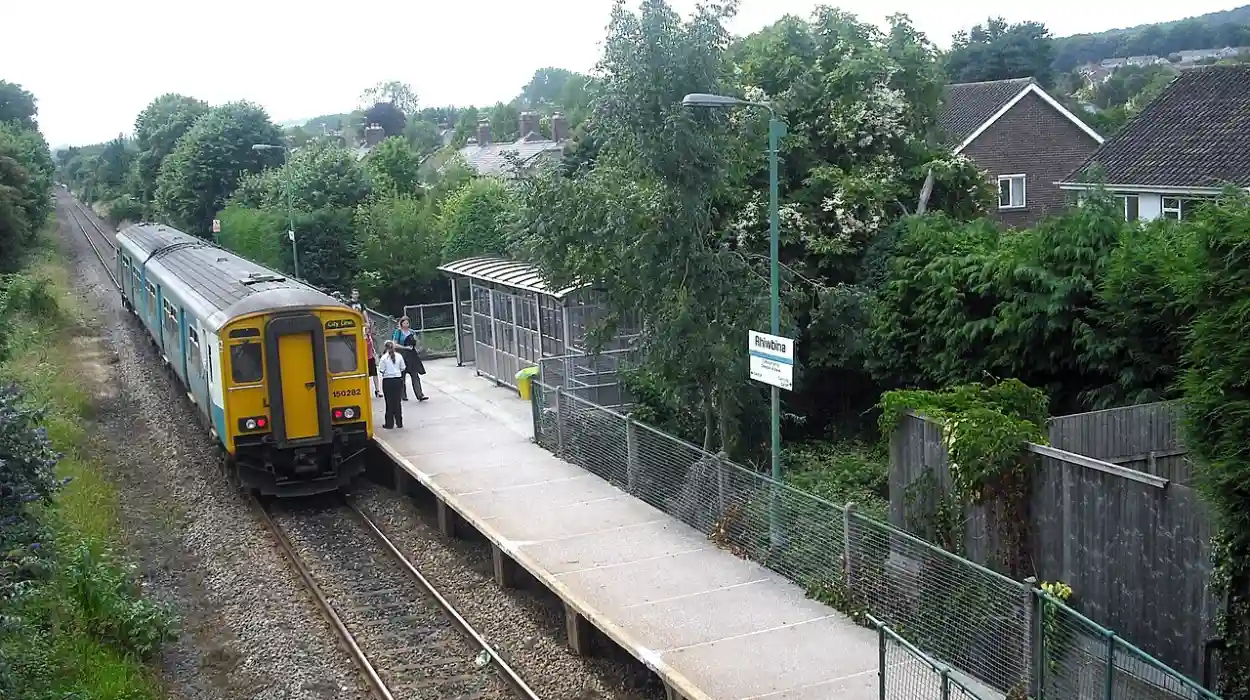
Nestled in the northern hills of Cardiff, Rhiwbina stands as a picturesque suburb cherished for its tree-lined streets and close-knit community. Yet, beneath this serene facade, overflowing bins have emerged as a persistent challenge, turning tidy pavements into eyesores and fueling the spread of litter across the neighborhood. This issue not only detracts from the area’s appeal but also poses health risks and environmental harm, demanding urgent, collective action to restore Rhiwbina’s pristine character.
- Rhiwbina’s Unique Landscape
- Root Causes of Overflowing Bins
- Health and Environmental Impacts
- Cardiff Council’s Waste Strategies
- Community Experiences in Rhiwbina
- Proven Prevention Strategies
- Resident-Led Initiatives That Work
- Policy Reforms for Lasting Change
- Collaborating with Local Businesses
- Monitoring Progress and Metrics
- Fostering a Culture of Responsibility
- Future-Proofing Against Escalation
- Building Momentum for Action
Rhiwbina, with its blend of Edwardian homes and modern families, embodies Cardiff’s suburban ideal. However, as bin collections strain under growing demands, residents increasingly report waste spilling onto streets, attracting pests and worsening litter accumulation. Addressing this requires understanding root causes, from council logistics to resident habits, and implementing proactive strategies before the problem escalates citywide.
Rhiwbina’s Unique Landscape
Rhiwbina’s geography plays a pivotal role in its waste management struggles. Perched on Cardiff’s northern fringe, this ward spans leafy residential avenues like Pen-y-Dre and bustling local hubs such as Rhiwbina Village high street. The area’s rolling terrain and proximity to Pantmawr woods mean wind often scatters lightweight litter from overloaded bins into nearby green spaces, amplifying the issue.
Historically, Rhiwbina evolved from a rural hamlet into a commuter haven post-World War II, with population growth surging alongside household waste. Government data from Cardiff Council highlights how such suburbs face higher per-capita rubbish due to larger family homes and limited commercial collection points. Unlike Cardiff’s dense city center, Rhiwbina’s spread-out layout stretches bin provision thin, leading to frequent overflows during peak seasons like summer barbecues or holiday periods.
This suburban setting fosters a false sense of isolation from urban woes, yet litter here spreads rapidly via foxes and seagulls common in the region. Academic studies on UK waste patterns note that areas like Rhiwbina, with green corridors linking to broader Cardiff, act as litter conduits, carrying debris toward the city via the Taff Trail.
Root Causes of Overflowing Bins
Several interconnected factors drive bin overflows in Rhiwbina. Cardiff Council’s fortnightly black bin collections, designed for efficiency, falter when households exceed capacity—often from non-recyclable packaging or pet waste. Residents report bins brimming mid-cycle, especially on longer roads like Heol Wen where public bins remain scarce.
Fly-tipping exacerbates the strain, with illegal dumps of furniture and builders’ rubble overwhelming communal points. BBC reports on Cardiff-wide issues reveal similar patterns, where underused residential bins attract opportunists, creating vicious cycles of overflow and avoidance. In Rhiwbina, this peaks near allotments and the recreation ground, where weekend visitors add to the load without contributing to collections.
Behavioral shifts post-pandemic compound matters. Remote working has boosted home food consumption, surging general waste by up to 20% in Welsh suburbs per government audits. Coupled with inconsistent recycling—Rhiwbina’s blue bins often mix plastics incorrectly—this clogs the system, forcing excess into streets.
Health and Environmental Impacts
Overflowing bins pose immediate health threats in Rhiwbina’s family-oriented streets. Spilled waste harbors bacteria, drawing rats and foxes that scatter refuse, raising risks of infections like leptospirosis. Local GP records from Cardiff’s northern wards show seasonal upticks in rodent-related complaints, underscoring the urgency.
Environmentally, litter leaches toxins into soil, threatening Rhiwbina’s prized wildflower meadows and Thamesdown Brook. Research from the Welsh Government’s environmental papers indicates microplastics from degraded bags infiltrate waterways, harming fish populations vital to the area’s angling clubs. Wind-blown debris also smothers hedgerows, disrupting pollinators essential for community gardens.
Long-term, unchecked litter erodes Rhiwbina’s property values, with estate agents noting 5-10% dips in streets marred by waste. This ripple effect burdens the local economy, deterring visitors to cafes on the hill and straining the £multi-million housing market fueled by London commuters.
Cardiff Council’s Waste Strategies

Cardiff Council manages waste via a hub-and-spoke model, prioritizing recycling rates above 65% through segregated bins. In Rhiwbina, this means alternating green food waste, blue dry mixed, and black residual collections, but delays from strikes or weather often leave residuals piling up. Official sites detail how the authority saved £880,000 by rationalizing street cleaning, redirecting funds to high-traffic zones over quiet suburbs.
Recent pilots in northern Cardiff tested larger wheelie bins, reducing overflows by 30% in trials, yet rollout lags in Rhiwbina due to narrow lanes unfit for lorries. The council’s fly-tipping taskforce, bolstered by £1m Welsh funding, deploys cameras at hotspots, fining offenders up to £400 on-the-spot. Still, enforcement gaps persist, as Reddit forums echo resident frustrations over lax CCTV use.
Government-backed apps like My Cardiff Bin Collections empower residents with schedules, but uptake remains low at 40%, per audits. These tools aim to preempt overflows by nudging timely disposals, yet without more bins, they fall short in high-density pockets like Lon Isa.
Community Experiences in Rhiwbina
Residents paint a vivid picture of daily battles against litter creep. One Heol Hir mother described walking her child to Rhiwbina Primary past “rats feasting on nappies,” a sentiment echoed in local Facebook groups where photos of Pen-y-Turnpike overflows go viral weekly. These anecdotes reveal how initial spills evolve into neighborhood blight, with litter trails stretching to the railway station.
Veteran shopkeepers on the Village high street lament lost footfall from unsightly bins outside independents like the greengrocer. During festivals like Rhiwbina’s annual fete, temporary overflows draw seagulls, turning celebrations sour and prompting clean-up appeals. Community litter picks, organized by Rhiwbina Society volunteers, clear tons quarterly, but without addressing bins, efforts feel Sisyphean.
Young families highlight equity issues: renters in flats lack private bins, relying on street ones that overflow fastest. This demographic, growing with Cardiff University’s northern expansion, amplifies pressure, turning Rhiwbina’s inclusivity ethos into a flashpoint for change.
Proven Prevention Strategies
Tackling overflows demands multi-pronged action starting with infrastructure. Installing modular public bins—solar-compacting models trialed in Manchester—could handle 50% more volume in Rhiwbina Village, per urban planning papers. Positioning them at trailheads and bus stops prevents spread, as seen in Bristol’s 25% litter drop post-installation.
Education campaigns, modeled on Keep Wales Tidy initiatives, have curbed overflows elsewhere by 15%. Rhiwbina could adapt these with school tie-ins at Llanishen High, teaching waste audits to instill habits early. Digital nudges via council apps, sending overflow alerts, boosted compliance 20% in Swansea pilots.
Communal hubs, as proposed in Cardiff student journalism, consolidate disposals efficiently. Wikipedia entries on European models show daily access slashing fly-tipping, adaptable to Rhiwbina’s rec ground for after-hours use. Pairing this with resident bin-sharing pacts fosters accountability.
Resident-Led Initiatives That Work
Grassroots efforts shine in Rhiwbina’s resilient spirit. The Rhiwbina Litter Warriors, a volunteer cadre, conduct dawn patrols, bagging spills before spread—a model praised in council reports for reclaiming 2km of streets yearly. Their WhatsApp chain coordinates pick-ups, turning frustration into fellowship.
Neighborhood watch schemes now include “bin monitors,” photographing overflows for swift council reports via FixMyStreet app. This has halved response times in pilot streets like Cherry Tree Close, proving peer pressure outperforms fines alone. Allotment associations enforce no-dump rules with signage, keeping sites pristine.
Church groups at Rhiwbina Baptist host waste workshops, distributing composters that divert 30% of garden refuse from bins. These hyper-local tactics, rooted in community trust, offer scalable blueprints amid council constraints.
Policy Reforms for Lasting Change
Welsh Government mandates like the 70% recycling target by 2030 pressure Cardiff to innovate. Proposals for pay-as-you-throw tariffs, charging extra for frequent collections, deter overfilling but risk backlash in Rhiwbina’s middle-class enclaves. Academic papers advocate subsidies for compactors, easing adoption.
Expanding household bins to 240L standard, as in Newport, prevents 40% of overflows without route changes. Integrating AI-monitored smart bins, piloted in London, predicts fullness via sensors, optimizing lorries—a £500k investment recouped via efficiency.
Fly-tipping demands tougher deterrents: drone surveillance over hotspots, as trialed in Birmingham, yielding 200 fines annually. Aligning with Wales’ Well-being Act, these reforms embed litter prevention in Rhiwbina’s local wellbeing plans.
Collaborating with Local Businesses

Numero007
Rhiwbina’s independents hold untapped potential. Cafes on the high street could host micro-hubs for customer waste, branded as “Clean Village” pledges, mirroring Bath’s business-led schemes that cut street litter 35%. Partnerships fund extra bins via sponsorships, beautifying facades.
Tesco Express at the rec ground might extend collection points, absorbing residential overflow during peaks. Greengrocers promote reusable bags, reducing packaging waste at source—initiatives backed by Welsh retail grants.
Events like the Rhiwbina Food Festival could mandate zero-waste stalls, with compost stations preventing post-event dumps. These symbiotic ties boost trade while lightening bin loads.
Monitoring Progress and Metrics
Success hinges on trackable goals. Rhiwbina could adopt Keep Wales Tidy’s litter index, scoring streets monthly via apps—targeting under 5kg/100m. Council dashboards already log fly-tips; expanding to overflow reports paints fuller pictures.
Annual audits, involving ward councillors, benchmark against baselines, adjusting tactics. Metrics like reduced callouts (down 25% in monitored zones) validate spends, securing funding.
Citizen science via iNaturalist logs pest surges from litter, correlating with bin states for evidence-based advocacy.
Fostering a Culture of Responsibility
Long-term, Rhiwbina thrives on mindset shifts. Storytelling campaigns—resident testimonials in parish magazines—humanize impacts, from child safety to fox invasions. Schools weave litter lessons into curricula, nurturing stewards.
Rewards like “Tidiest Street” plaques spur competition, as in Edinburgh suburbs. Civic pride, channeled through Rhiwbina’s horticultural shows, links cleanliness to heritage.
Future-Proofing Against Escalation
As Cardiff grows, Rhiwbina must preempt surges from new builds like Thornhill Park. Preemptive bin mapping in developments ensures capacity. Climate resilience—weatherproof bins for gales—guards against storm scatters.
Tech like blockchain-tracked waste incentivizes sorting, piloted in EU cities. Community energy co-ops could power compactors sustainably.
Building Momentum for Action
Rhiwbina’s overflowing bins signal a call to arms, not defeat. By blending council efficiency, resident vigilance, and innovative tweaks, litter spread halts before claiming more ground. Collective steps today preserve this suburb’s legacy for generations.
Start small: report via council apps, join picks, rethink disposals. Cardiff Daily champions this unity—cleaner streets await those who act.