Cardiff’s Riverside neighbourhood buzzes with vibrant multicultural life along the River Taff, but its residents increasingly voice frustration over inadequate public transport links. Daily commuters and families alike struggle with infrequent buses and disjointed rail services that hinder access to jobs, schools, and city amenities. This ongoing push for better connectivity reflects broader urban challenges in balancing growth with sustainable mobility.
Riverside’s Transport Challenges
Riverside, a densely populated ward in Cardiff’s Canton area, faces significant hurdles in public transport reliability. Buses on key routes like the 17 and 18 often run late due to traffic congestion on Cowbridge Road East, leaving residents waiting up to 30 minutes during peak hours. Train services from Ninian Park station, the nearest rail stop, offer limited off-peak options, with gaps stretching over an hour between departures to Cardiff Central.
These issues compound for the area’s diverse population, including students from nearby Cardiff University and working-class families. Without reliable transport, many turn to cars, exacerbating traffic and air pollution in this riverside enclave. Local surveys highlight that over 60% of households lack regular car access, making dependable buses and trains essential for daily life.
Historical underinvestment plays a role too. Since the 1980s, Cardiff’s transport planning has prioritized city centre developments over suburban links like Riverside, leading to a system strained by population growth from 10,000 to nearly 20,000 residents in two decades. Residents argue this oversight ignores their needs, pushing campaigns for equitable upgrades.
Voices from the Community
Residents in Riverside have long rallied against transport shortcomings through petitions and public meetings. Community groups like Riverside Community Council have collected hundreds of signatures calling for more frequent services on the Capital Bay Line, which serves Ninian Park but skips direct evening returns. One local mother shared at a 2024 council forum how her commute to work doubles in time without evening buses, forcing costly taxi rides.
Students echo these sentiments, with Cardiff Metropolitan University commuters noting overcrowded buses during term time. Social media campaigns under hashtags like #RiversideMoves have amplified stories of missed appointments and job losses tied to unreliable schedules. These grassroots efforts highlight a unified demand: transport that matches the ward’s lively markets, mosques, and cafes, fostering inclusivity for all.
Elderly residents face acute barriers, relying on slow Dial-a-Ride alternatives that book out weeks in advance. Advocacy from groups like Age Cymru Cardiff underscores how poor access isolates seniors from GP visits and social hubs like the Riverside Community Centre. This chorus of voices pressures Cardiff Council to act, framing transport as a social justice issue.
Key Demands for Improvement
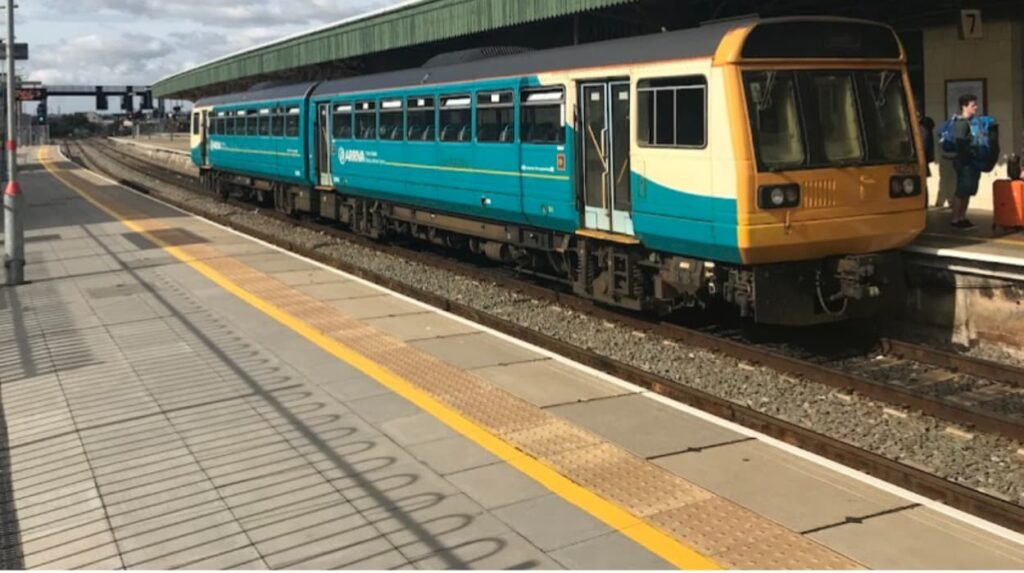
Riverside campaigners prioritise dedicated bus lanes on Penarth Road to slash journey times by 20-30%. They seek hourly trains from Ninian Park during evenings and weekends, linking seamlessly to Cardiff Queen Street for airport access. Enhanced cycling integration, with secure racks at stops, also features prominently, aligning with Wales’ active travel goals.
Frequency tops the list, with calls for buses every 10 minutes on high-demand routes during rush hours. Real-time tracking apps, already successful in Cardiff Central, must extend ward-wide to build trust. Integration with national services like Transport for Wales promises smoother interchanges, reducing the current patchwork feel.
Affordability drives demands too. Free or discounted fares for low-income families and students could boost usage by 40%, per regional studies. Environmental perks, like electric bus fleets, resonate here, cutting emissions in a pollution hotspot near the Taff. These targeted asks aim for a holistic revamp, not piecemeal fixes.
Historical Context of Riverside Transport
Riverside’s transport woes trace back to its industrial roots as a docklands hub in the 19th century. Victorian-era railways ferried coal workers to the Taff Vale line, but post-WWII car boom shifted focus, dismantling tram networks by 1950. The 1970s saw Havenstown estate expansion without matching bus infrastructure, locking in today’s deficits.
Cardiff’s 2000s regeneration bypassed Riverside for Bay Area projects, leaving legacy routes like the 12 bus overburdened. Government reports from the Welsh Assembly note this disparity, with Riverside’s per-capita transit funding lagging 15% behind Canton proper. Academic analyses, such as those from Cardiff University’s Transport Studies Group, link this to policy favoring tourism over residential needs.
Recent shifts offer hope. The South Wales Metro project, rolled out since 2021, hints at extensions, but locals demand Riverside prioritization to avoid suburban neglect. This history fuels current activism, positioning residents as stewards of equitable progress.
Current Public Transport Landscape
Cardiff Bus and Transport for Wales dominate Riverside’s options, with 17 routes connecting to the city centre in 15-20 minutes under ideal conditions. Ninian Park station handles 500 daily passengers, but single-track limitations cap speeds at 40mph. Riverside Connect, a door-to-door service for vulnerable groups, fills gaps but caps at 100 trips daily.
Fares start at £2.40 single, with day passes at £5.50, yet reliability falters—punctuality hovers at 75% per official metrics. Peak-hour crowding hits 120% capacity on key buses, stranding latecomers. Digital aids like the TfW app provide live updates, but coverage skips some stops, frustrating users.
Compared to Cardiff’s average, Riverside lags: city-wide bus frequency averages 12 minutes, versus 18 here. Metro extensions to Radyr improve northern links but overlook southern Riverside, prompting equity debates. Official sites confirm ongoing consultations, yet implementation trails demands.
Proposed Solutions and Campaigns
Campaigns propose Bus Rapid Transit (BRT) corridors along Cowbridge Road, mirroring successful Bristol models with off-road lanes and signal priority. Pilot electric buses on route 17 could test demand, potentially expanding if ridership rises 25%. Council partnerships with First Bus aim for this, backed by Welsh Government grants.
Community-led audits map ‘desire lines’—shortest paths residents walk due to missing stops—guiding new shelters and crossings. Collaborations with Sustrans push segregated cycle paths linking to Pontcanna, easing multimodal trips. Funding from the UK Shared Prosperity Fund targets these, with £10m allocated for Cardiff’s green corridors.
Petitions to Cardiff Council, surpassing 2,000 signatures, urge binding timelines. Academic input from Wales Institute of Transport advocates data-driven routes using passenger counters. Victory hinges on sustained pressure, blending local passion with policy savvy.
Economic and Social Impacts
Poor transport stifles Riverside’s economy, with 25% unemployment tied to access barriers per local stats. Commuters lose hours weekly, equating to £500 annual productivity hits per worker. Businesses along Havelock Street suffer footfall drops, as shoppers shun unpredictable arrivals.
Socially, isolation hits hardest: ethnic minorities, 40% of residents, face compounded barriers without multilingual signage. Health suffers too—longer waits deter exercise, inflating NHS costs. Enhanced access could unlock £20m in local spending, per economic models, revitalizing cafes and shops.
Broader Cardiff benefits emerge: reduced cars cut congestion 15%, aiding net-zero goals by 2030. Studies show transit boosts social mobility, with Riverside poised for gains mirroring Gabalfa upgrades. Residents’ demands promise ripple effects, fortifying community resilience.
Environmental Considerations
Riverside’s transport push aligns with Wales’ climate emergency declaration. Diesel buses contribute 20% of ward emissions, fouling Taff air quality. Electric conversions, demanded by locals, slash particulates 90%, per government trials.
Cycle integration reduces car dependency, targeting 30% modal shift. Green corridors with tree-lined lanes cool urban heat, vital in this flood-prone area. Campaigns cite EU-funded research showing BRT cuts CO2 40% versus status quo.
Flood-resilient stops, elevated post-2020 Taff surges, ensure reliability. These eco-demands position Riverside as a model for sustainable urbanism, pressuring councils for bold action.
Path Forward for Riverside
Sustained advocacy through Riverside Neighbourhood Partnership meetings keeps pressure on. Partnerships with Metro bosses eye Ninian Park electrification by 2028. Residents urge voter turnout in local elections, tying candidates to transport pledges.
Monitoring tools like council dashboards track progress, holding feet to fire. Success stories from Pontypridd’s frequency boosts inspire, proving demands yield results. Riverside’s fight exemplifies community power, paving greener, fairer commutes.
Which city has the best transport network?
Cities like Tokyo, Singapore, and London are widely considered to have the best transport networks due to their efficient metro systems, reliable buses, and integrated ticketing. These cities focus on accessibility, punctuality, and connectivity across urban areas.
What are the four methods of transportation?
The four main methods of transportation are road, rail, air, and water. These systems move people and goods through vehicles such as cars, trains, airplanes, and ships.
What are the 7 major modes of transportation?
The seven major modes include road, rail, air, water, pipeline, cable transport, and space transport. Each mode is designed for different distances, cargo types, and travel speeds.
Is transportation a risky industry?
Transportation can involve risks due to accidents, weather conditions, and mechanical failures. However, strict safety regulations, modern technology, and training help reduce risks and improve safety.
Which top technologies will grow in the next 5 years?
Technologies expected to grow rapidly include Artificial Intelligence, electric vehicles, autonomous transport, 5G networks, renewable energy, blockchain, and smart city technology, all influencing the future of transport systems.