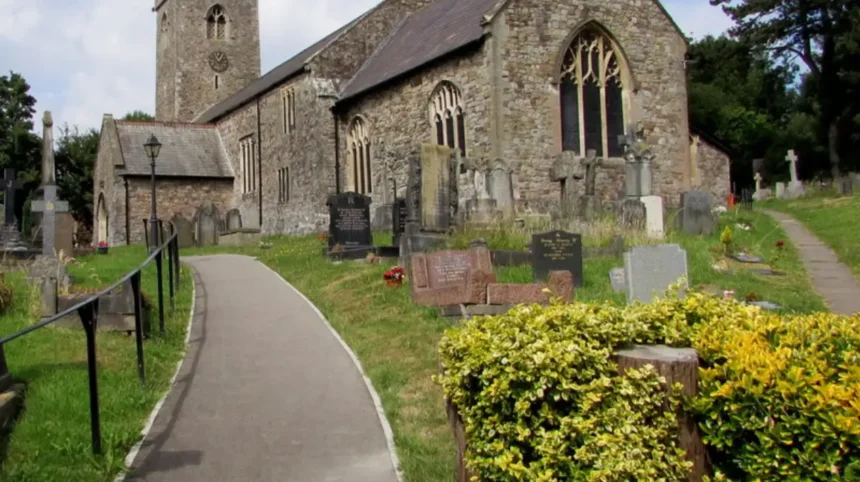
Rumney is one of the suburbs where Cardiff’s pothole problem feels most visible, almost systemically baked into the streets. Residents repeatedly report multiple large, deep, and “dangerous” potholes on key routes such as Newport Road, New Road, Heron Road, Greenway Road and Lamby Way, with many of these submissions logged on civic‑report sites and local council channels year after year. Unlike isolated incidents in other parts of the city, Rumney’s potholes cluster in dense patterns, turning certain stretches into what locals describe as “over 100 potholes” needing resurfacing in a single sweep.
This intensity reflects a mix of traffic load, underlying drainage issues and older road construction that no longer copes with modern volumes. Newport Road, a major artery into and out of the east of the city, funnels heavy commuter and freight traffic past housing estates and local shops, creating constant stress on the tarmac. When the road surface is already weakened by prior patching, repeated use of the same road section accelerates the formation of new potholes, giving the impression that repairs are “failing” rather than properly solving the problem.
From an engineering standpoint, potholes arise when water seeps into cracks, freezes and expands, then thaws and washes away sub‑surface material, leaving the surface layer unsupported. In areas like Rumney, where drainage gullies and kerbs are often reported as blocked or poorly maintained, standing water lingers on the carriageway after rain, increasing the number of freeze–thaw cycles and the speed at which new potholes form. Fix‑My‑Street logs from Rumney show not only potholes but also repeated calls to clear blocked drains and damaged manhole covers, evidence that surface defects and subsurface defects are tightly linked in this part of Cardiff.
The Everyday Impact on Residents
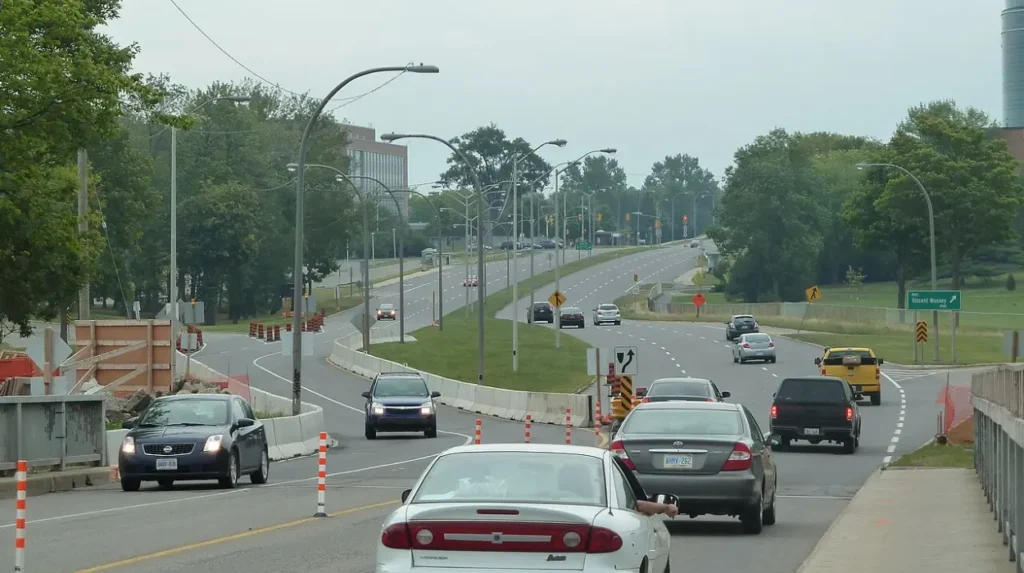
For people living in Rumney, the “endless pothole plague” is not just a civic‑works issue; it shapes daily life. Motorists report near‑constant minor damage to tyres, suspension components and rims, with some describing the cost of repeated repairs as a “tax” on using the neighbourhood’s roads. Cyclists and pedestrians are equally vulnerable, as cracked pavements and sunken edges can cause trips, sprains and even more serious falls, especially in poor light or wet conditions.
Local parents and older residents often mention how potholes and uneven surfaces make it harder to push buggies or use wheelchairs and mobility scooters safely. Raised kerbs, collapsed edges and makeshift “patches” can create miniature ramps that are difficult to navigate, increasing the risk of minor accidents and deterring some from walking or wheeling around the area. Pet owners likewise report concerns about dogs cutting paws on exposed stones or sharp edges of broken tarmac, particularly along quieter side streets such as Heron Road and Caeglas Road, where repairs are often partial or short‑lived.
Economically, the pothole problem can subtly affect local businesses and property values. Drivers who dislike the condition of the roads may choose to avoid certain routes, which can reduce footfall for shops and cafés that depend on passing trade. Potential home‑buyers discovering that a street in Rumney has a history of repeated pothole repairs may factor in the risk of future damage or decreased appeal, even if the homes themselves are attractive. In practice, the “unofficial repair tax” borne by residents reinforces a sense that the area is neglected, deepening frustration with local highways maintenance.
How Cardiff’s Road‑Repair System Works
To understand why Rumney’s potholes seem to recur so quickly, it helps to see how the city’s road‑repair system is structured. Cardiff Council’s highways department operates a public form for reporting issues such as potholes, road markings, drains and pavement defects, allowing residents to flag problems directly into the council’s repair queue. These reports are triaged by severity, with the council prioritising “emergency” defects—deep potholes on busy roads, blocked gullies, or damaged kerbs that pose an immediate safety risk—over less urgent surface issues.
However, Cardiff’s roads face very high demand. In 2023 alone, the city filled around 22,800 potholes, reflecting both the scale of deterioration and the constant pressure on maintenance teams. Local MP Jo Stevens has highlighted that Cardiff East, which includes Rumney, is one of the areas with the highest number of reported potholes, with hundreds logged annually in individual wards. This volume means that even when repairs are carried out quickly, new defects appear rapidly, especially in areas with older road bases or heavy traffic.
Another constraint is funding. Like many local authorities, Cardiff Council has to allocate a fixed highways budget across thousands of kilometres of road, pavements and drainage across the city. Deep resurfacing schemes—full reconstruction of road layers rather than patching—are more expensive and time‑consuming, so they are often reserved for major routes or areas where the council has secured additional capital funding. For many residential streets in Rumney, the result is a cycle of reactive patch repairs that smooth the surface briefly but do not stabilise the underlying structure, leading to the “same every single year” pattern described by residents.
The Role of Weather and Drainage
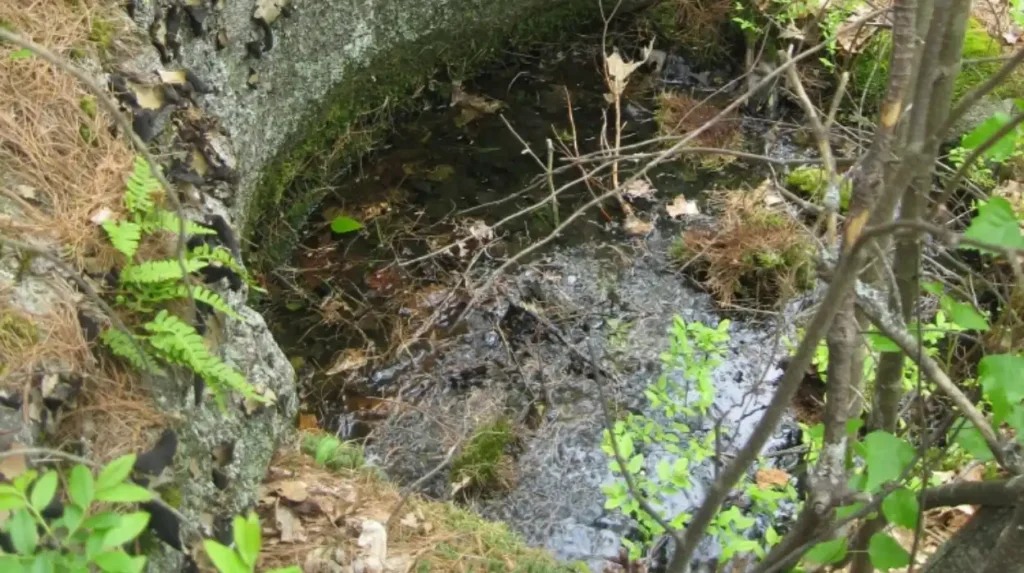
Climate and drainage play a decisive role in how fast Rumney’s pothole plague takes hold. Cardiff’s temperate climate means regular rainfall, plus occasional freezing episodes that create the classic freeze–thaw cycle that accelerates pothole formation. When water enters cracks in the road, it seeps into the sub‑base; during freezing spells, that water expands and pushes the surrounding material apart, leaving voids. As vehicles pass over these weakened areas, the surface layer collapses, forming a visible pothole.
In neighbourhoods where drainage is imperfect—where gullies are infrequently cleared, or where kerbs and channel drainage are blocked—water does not run off quickly. Residents from Rumney have reported standing water and blocked drains on streets such as Greenway Road and Maxwell Road, which keeps the road‑base saturated for longer after rain. Prolonged saturation softens the material beneath the tarmac, making it more likely to deform under load and easier for potholes to form and deepen.
Beyond the surface, damaged manhole covers and subsidence around utility‑work areas can also contribute to Rumney’s problem. Fix‑My‑Street logs show reports of “damaged manhole covers” and repaired sections that have later “sunken,” often following works by Welsh Water or other utilities. When utility contractors cut into the road, replace service lines, and then re‑instate the surface, the reinstatement may not match the original compaction or layering, leading to settlement and new depressions that evolve into potholes. If these reinstated areas are not monitored closely, they become recurring hotspots for repair, feeding the sense that Rumney’s road network is “constantly sinking.”
Community Response and Grassroots Pressure
Faced with recurring potholes, Rumney residents have not stayed silent. Platforms such as Fix‑My‑Street and local Facebook groups have become key channels for documenting and publicly highlighting defects, with residents walking the same stretches year after year to report new potholes and re‑report ones that have reappeared. Some posts describe “a new pothole or faulty repair every day,” illustrating both the scale of the problem and the emotional toll of feeling like nothing ever changes.
Local politicians and community groups have also amplified these concerns. MP Jo Stevens has highlighted the high number of pothole repairs in Cardiff East, including Rumney, and called for sustained investment in roads rather than short‑term patching. Neighbourhood forums and residents’ associations have used these figures to argue that Cardiff Council should adopt a more strategic, long‑term approach to road maintenance, prioritising major resurfacing and drainage improvements in areas with the worst‑recurring defects.
Resident pressure is not only about visibility; it can shape the way defects are prioritised. By logging potholes quickly and consistently, people in Rumney help ensure that the most severe issues are flagged for faster response, and that patterns of recurring problems appear in the council’s internal data. Where residents link potholes explicitly to blocked drains or sunken utility‑reinstated areas, this can also prompt the council to coordinate with drainage or utility partners, creating a more joined‑up approach to prevention.
Looking Ahead: Can Rumney Break the Cycle?
Rumney’s endless pothole plague is a symptom of larger pressures on Cardiff’s highway network: ageing infrastructure, climate‑related wear, heavy traffic loads and constrained maintenance budgets. Yet the area’s visibility and vocal community also make it a potential pilot zone for smarter, more preventative road‑management strategies.
If the council can reallocate part of its capital programme to prioritise deep resurfacing and drainage upgrades in Rumney’s most afflicted corridors, and if utility companies improve the quality and monitoring of reinstatements, the cycle of “same every year” potholes could finally be broken. For residents, the goal is simple: streets that are safe, predictable, and genuinely fixed—not just patched for a season. In the long run, that stability would not only protect vehicles and pedestrians but also reinforce Rumney’s identity as a place that Cardiff is willing to invest in, not just repair again and again.