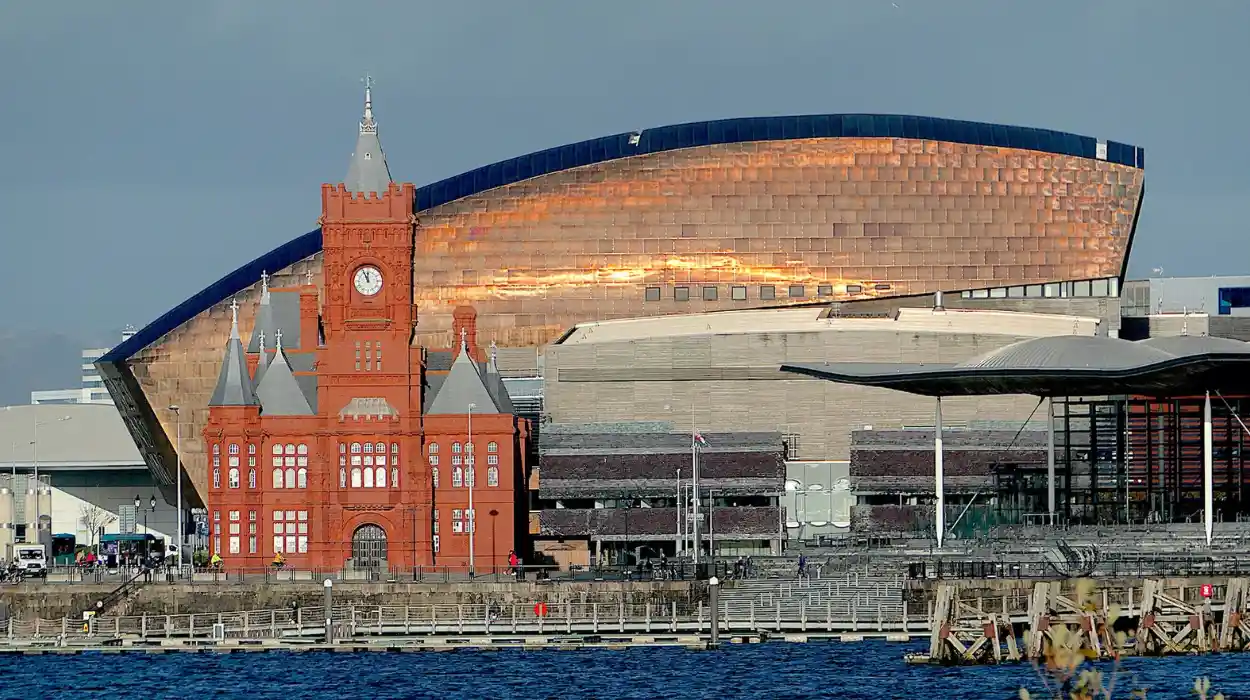
Cardiff Bay has transformed from a post-industrial wasteland into one of Europe’s most vibrant waterfront destinations. This evolution showcases a delicate balance between ambitious development and the preservation of green spaces, ensuring long-term sustainability for residents and visitors alike.
- Historical Roots of Cardiff Bay’s Transformation
- The Cardiff Bay Barrage: Engineering for Sustainability
- Urban Development Milestones in Cardiff Bay
- Green Spaces as the Backbone of Sustainability
- Key Projects Balancing Growth and Nature
- Economic Benefits of Sustainable Development
- Environmental Challenges and Solutions
- Community Involvement in Green Preservation
- Future Visions for Cardiff Bay
- Policy Frameworks Driving Sustainability
- Measuring Success in Sustainable Growth
- Lessons for Global Waterfront Cities
Once a hub of coal shipping and heavy industry, the bay’s regeneration since the 1980s has attracted global attention. Today, it stands as a model for how cities can pursue economic growth while safeguarding natural environments, blending modern architecture with lush parks and wildlife habitats.
Historical Roots of Cardiff Bay’s Transformation
The story of Cardiff Bay’s sustainable growth begins in the late 19th century when it served as the world’s largest coal port. Ships from across the globe docked here to load Welsh steam coal, fueling the Industrial Revolution and bringing prosperity to South Wales. By the mid-20th century, however, the decline of coal mining and shifts in global trade left the area derelict, with abandoned docks, contaminated land, and tidal mudflats dominating the landscape.
In 1987, the UK government established the Cardiff Bay Development Corporation (CBDC) to spearhead regeneration. This public body invested heavily in infrastructure, including the construction of the Cardiff Bay Barrage, a 1.1-kilometer structure completed in 2001 that sealed off the bay from the Bristol Channel. The barrage created a permanent freshwater lake spanning 200 hectares, preventing flooding and enabling waterfront development. This engineering marvel not only reclaimed derelict land but also set the stage for integrating green spaces into urban planning.
The regeneration cost around £500 million in public funds, leveraging private investment that multiplied the total to over £2 billion. Early critics worried about environmental impacts, such as the loss of intertidal habitats for birds, but compensatory measures like the creation of nature reserves mitigated these concerns. Today, this historical pivot underscores Cardiff Bay’s commitment to sustainable growth, where past industrial scars have been healed through thoughtful redevelopment.
The Cardiff Bay Barrage: Engineering for Sustainability
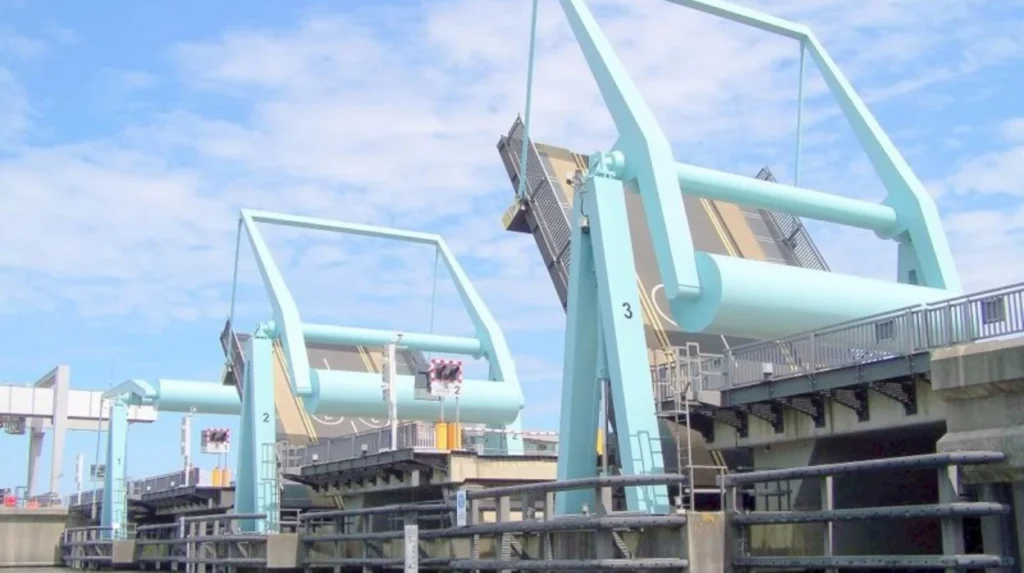
At the heart of Cardiff Bay’s transformation lies the Cardiff Bay Barrage, a feat of civil engineering that reshaped the area’s ecology and economy. Built between 1994 and 2001, the barrage features three lock gates, fish passes, and sluices designed to maintain water quality and allow marine life migration. It holds back seawater, creating a stable freshwater environment that supports water sports, leisure activities, and adjacent green corridors.
Environmentally, the barrage faced scrutiny for altering migratory bird patterns, as the mudflats it submerged were a key feeding ground. In response, authorities established the Cardiff Bay Wetlands Reserve nearby, a 170-hectare site that now hosts over 7,000 waterbirds annually. This reserve, with its saline lagoons and reed beds, demonstrates proactive green space planning, ensuring biodiversity thrives alongside development.
The structure also powers sustainable energy initiatives, with hydroelectric turbines generating electricity from water flow. By preventing tidal surges, it protects surrounding developments from erosion, allowing parks and walkways to flourish. The barrage exemplifies how infrastructure can serve dual purposes: driving economic vitality while enhancing ecological resilience.
Urban Development Milestones in Cardiff Bay
Cardiff Bay’s built environment reflects decades of strategic growth. The Senedd, home to the Welsh Parliament since 2006, designed by Richard Rogers, features a glass canopy and slate roof that harmonizes with the waterfront. Its sustainable design includes natural ventilation and slate sourced locally, minimizing carbon footprint.
Mermaid Quay emerged as a commercial hub with restaurants, shops, and event spaces overlooking the lake. This pedestrian-friendly zone integrates seamlessly with public realms, where boardwalks and planters create green buffers. Further inland, Atlantic Wharf repurposed brownfield sites into residential neighborhoods, with over 5,000 new homes built since the 1990s, many incorporating energy-efficient features like solar panels and green roofs.
Office spaces, such as the Crickhowell House, anchor business districts, attracting tech firms and creative industries. These developments prioritize mixed-use zoning, blending residential, commercial, and leisure to reduce car dependency. Public transport links, including light rail and cycle paths, further support low-emission growth, making Cardiff Bay a blueprint for compact urban living.
Green Spaces as the Backbone of Sustainability
Cardiff Bay’s green infrastructure is integral to its appeal and livability. The 200-hectare freshwater lake serves as a central green asset, ringed by 10 kilometers of promenades ideal for walking and cycling. These paths connect to pocket parks, such as Roald Dahl Plas, a grassy expanse named after the famous author born nearby, offering picnic areas and play zones.
The Bay’s wetlands and reserves provide vital habitats. The Hamadryad Park, spanning 26 hectares, features woodlands, meadows, and a historic dry dock turned garden. Planted with native species like oaks and wildflowers, it supports pollinators and urban wildlife, countering the density of new builds. Community gardens and allotments dot the landscape, fostering local food production and social cohesion.
These spaces mitigate urban heat islands, with tree canopies cooling summer temperatures by up to 4 degrees Celsius. Rain gardens and permeable pavements manage stormwater, reducing flood risks exacerbated by climate change. This network of greens not only enhances air quality but also boosts mental health, with studies linking access to nature to lower stress levels among residents.
Key Projects Balancing Growth and Nature
Several flagship projects illustrate Cardiff Bay’s dual focus. The Cardiff International Sports Village includes the Principality Stadium and a 1.5-kilometer waterfront linear park, blending sports facilities with biodiversity enhancements like wildflower meadows. Here, development funds supported habitat creation, ensuring sports infrastructure coexists with ecological corridors.
The Wales Millennium Centre, a cultural landmark, incorporates sustainable materials and overlooks landscaped public realms. Its surrounding plaza features sustainable drainage systems and drought-resistant planting, maintaining vibrancy year-round. Further afield, the Channel View Masterplan proposes 1,000 new homes alongside expanded parks, with 30% of the site dedicated to open space.
Public-private partnerships drive these initiatives. For instance, the Cardiff Harbour Authority collaborates with developers to mandate green roofs and biodiversity net gain, where new projects must deliver 10% more habitat than they displace. These efforts ensure that every high-rise or retail space contributes to the green mosaic.
Economic Benefits of Sustainable Development
Sustainable growth in Cardiff Bay has spurred economic prosperity. The regeneration created over 30,000 jobs in construction, tourism, and knowledge sectors, with unemployment in the area dropping significantly since the 1990s. Tourism alone generates £100 million annually, drawn by attractions like the Dr. Who Experience site (now repurposed) and boat tours on the lake.
Property values have soared, with waterfront apartments commanding premiums due to green amenities. Businesses flock here for the quality of life, including cycle-to-work schemes and proximity to nature. The bay’s GDP contribution to Wales exceeds £1 billion yearly, proving that green integration attracts investment without sacrificing returns.
This model influences policy, with Cardiff Council adopting a “wellbeing economy” approach. Green bonds finance eco-projects, while tech incubators in redeveloped warehouses promote circular economy principles, like waste upcycling. Economic vitality thus reinforces environmental stewardship, creating a virtuous cycle.
Environmental Challenges and Solutions
Despite successes, challenges persist. Water quality in the lake requires ongoing management to combat algae blooms from nutrient runoff. The council employs aeration systems and reed bed filters, natural solutions that enhance rather than replace green spaces.
Climate change poses flood risks, addressed through elevated boardwalks and mangrove-inspired breakwaters. Urban sprawl pressures habitats, countered by strict green belt policies preserving 40% of bay lands as open space. Biodiversity monitoring via citizen science apps engages communities in conservation.
Air pollution from traffic is tackled with electric ferry services and expanded pedestrian zones. These adaptive strategies ensure resilience, positioning Cardiff Bay as a leader in climate-ready urbanism.
Community Involvement in Green Preservation
Local residents play a pivotal role in sustaining the balance. Groups like the Friends of Cardiff Bay Wetlands organize clean-ups and tree-planting drives, planting thousands of saplings since 2010. Schools integrate bay ecology into curricula, with pupils monitoring bird populations.
Consultations shape masterplans, as seen in the Dolffin Quay revisions increasing parkland based on feedback. Allotment societies cultivate organic plots, reducing food miles and building food security. This grassroots engagement fosters ownership, ensuring developments align with community values.
Events like the Bay Open Day showcase green initiatives, drawing families to explore trails and learn about sustainability. Such inclusivity strengthens social fabric, making environmental care a shared priority.
Future Visions for Cardiff Bay
Looking ahead, Cardiff Council’s Placemaking Strategy envisions net-zero emissions by 2030. Proposals include floating solar farms on the lake and vertical forests on skyscrapers, expanding green coverage vertically. The South Cardiff Bay Framework plans 6,000 homes with 50% affordable units, mandating living walls and communal orchards.
Transport electrification, with e-bike hires and autonomous shuttles, will further green mobility. Biodiversity targets aim for 20% habitat uplift by 2040, integrating wild zones into urban cores. These visions build on past triumphs, promising a greener, more prosperous bay.
International collaborations, like twinning with Rotterdam, exchange best practices in waterfront sustainability. Tech innovations, such as AI-monitored green spaces, will optimize maintenance, ensuring efficiency.
Policy Frameworks Driving Sustainability
Welsh Government policies underpin Cardiff Bay’s approach. The Future Generations Act (2015) requires public bodies to consider long-term wellbeing, embedding green space protection in planning. The Nature Recovery Action Plan targets 10% land for nature by 2030, with bay projects as exemplars.
Local Development Plans enforce 20% open space in new builds, with biodiversity metrics mandatory. EU-derived funding, transitioned post-Brexit via Shared Prosperity Fund, supports green retrofits. These frameworks provide legal teeth, preventing overdevelopment.
Measuring Success in Sustainable Growth
Metrics validate Cardiff Bay’s model. Green space per capita exceeds national averages at 50 square meters, surpassing the WHO’s 9 square meter recommendation. Visitor numbers hit 2 million yearly, with 80% citing nature access as a draw.
Carbon emissions have fallen 25% since 2000, thanks to renewables and active travel. Wildlife surveys show species rebound, with otters returning to the lake. Economic multipliers reveal every £1 invested yields £2.50 in benefits, affirming the balance works.
Lessons for Global Waterfront Cities
Cardiff Bay offers replicable insights for cities worldwide. Prioritizing public realm early prevents siloed development. Compensatory ecology, like wetlands for lost mudflats, builds trust. Mixed funding models amplify impact, blending grants with private capital.
Stakeholder engagement ensures buy-in, while adaptive policies evolve with threats. These principles, honed over decades, position Cardiff Bay as a global case study in harmonious growth.