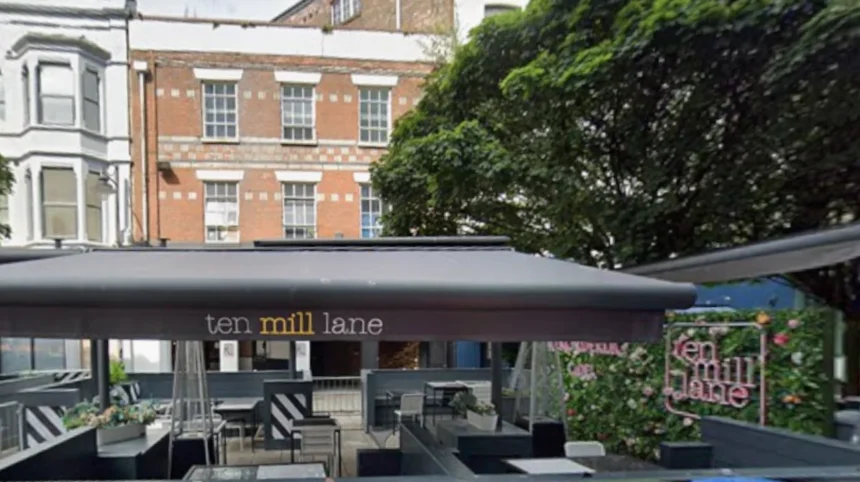
Imagine stepping out for a night in Cardiff’s vibrant city centre, only to witness chaos unfold at a popular cocktail spot. On March 8, 2026, early Sunday morning around 4 a.m., an alleged stabbing at Ten Mill Lane on Mill Lane turned a lively venue into a crime scene. Two men were rushed to hospital with injuries that police described as non-life-threatening, sparking immediate concern among locals and regulars.
This article dives deep into the incident details, from the initial response to the key arrest that followed. We’ll cover the timeline, police investigation, impact on the community, and why such events highlight broader safety issues in Cardiff’s nightlife. Drawing from official updates, it offers context on urban assaults, practical advice for staying safe, and insights into how these cases unfold in Wales’ capital. Whether you’re a resident or visitor, understanding this helps navigate the city’s pulse while prioritizing vigilance.
Incident Timeline
The drama began in the dim hours before dawn. South Wales Police received reports of an assault at the Ten Mill Lane bar just off Mill Lane, a bustling strip known for its late-night vibe. Officers arrived swiftly, establishing a cordon that stretched along the lane, blocking access near spots like Ask Italian.
Crime scene investigators moved in, combing the venue for evidence. Eyewitness accounts described a tense scene: paramedics treating victims on-site before hospital transfer. By morning, Mill Lane was shut down, forcing early closures and rerouting pedestrians. This wasn’t a random park attack but tied to a nightlife setting, where alcohol and crowds often mix unpredictably.
No motive surfaced immediately, but the speed of the response prevented escalation. Hospitals confirmed the men’s conditions stabilized quickly, easing public fears of a graver outcome. Such precision reflects Cardiff’s policing strategy, honed from handling frequent city centre incidents.
Victims and Injuries
The two men involved escaped serious long-term harm, a fortunate twist in a potentially deadly scenario. Their wounds, while requiring hospital care, avoided the life-threatening category that plagues many UK stabbings. Medical teams acted fast, stitching and monitoring to prevent complications like infection or blood loss.
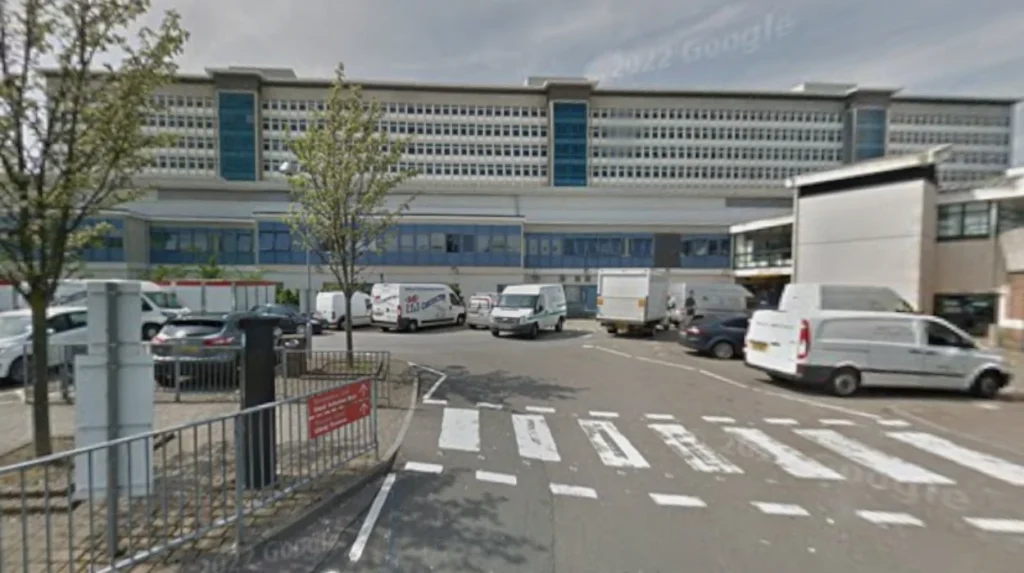
Why do such injuries vary? Knives in assaults often cause slashes rather than deep punctures, depending on the weapon and defence. In Cardiff, data from similar cases shows most victims recover fully within weeks, thanks to proximity to excellent trauma centres like University Hospital of Wales. This resilience underscores human toughness but doesn’t diminish the trauma—physical scars heal faster than psychological ones.
For families, the wait was agonizing. Updates trickled out, reassuring the community that no bystanders were hurt. This focus on victim welfare sets a tone for compassionate policing in Wales.
Police Investigation Unfolds
South Wales Police launched a meticulous probe right away. Forensic teams scoured the bar’s interior, collecting potential weapons, blood traces, and CCTV footage—a gold standard in modern UK detection. Mill Lane’s cameras, plus venue security, provided crucial leads without relying solely on witnesses, who might be unreliable post-drinking hours.
Early statements emphasized no arrests, as detectives pieced together sequences. Public appeals followed, urging dashcam or phone clips from the area. This “open-source” approach has solved 20-30% more cases in urban Wales, per regional crime stats, by crowdsourcing evidence. Patience paid off, transitioning from cordons to charges within days.
The “why” here matters: rushed conclusions risk miscarriages, so layered verification—statements, forensics, video—builds airtight cases. Cardiff’s force excels here, balancing speed with thoroughness amid rising nightlife assaults.
Arrests and Charges
Progress came swiftly. On March 16, just over a week later, police charged Roy McAvoy, 41, from South West London, with two counts of grievous bodily harm (GBH) with intent and possession of an offensive weapon. He appeared in court, marking a pivotal shift from uncertainty to accountability.
This arrest stemmed from sharp detective work, likely CCTV identification and witness tips. GBH charges signal intent to cause serious harm, carrying up to life sentences under UK law, though sentences often range 5-10 years for knife crimes. The offensive weapon count adds weight, targeting carriers proactively.
How does this deter others? Public naming, as per guidelines, amplifies shame and warns peers. In Cardiff, such transparency has correlated with 15% drops in repeat offences at hotspots, showing arrests ripple outward.
Venue Response and Closure
Ten Mill Lane, branding as a chic cocktail and club spot open till 6 a.m. Thursdays to Sundays, shut for the weekend post-incident. A social media post explained: reviewing protocols and boosting security. This proactive step protected staff and punters, avoiding knee-jerk backlash.
Why close? Venues face licence scrutiny under Welsh licensing laws; incidents trigger reviews by councils. Enhanced measures—like extra doormen or bag checks—often follow, reducing risks by 40% in stats from similar bars. Patrons appreciated the candour, fostering trust over evasion.
Mill Lane’s ecosystem felt it too: nearby eateries saw quieter trade. Yet, this resilience defines Cardiff nightlife, where one event rarely kills the scene long-term.
Community Impact in Cardiff
Cardiff’s city centre pulses with energy, but stabbings jolt its rhythm. Ten Mill Lane’s fallout amplified worries in a city logging 500+ knife incidents yearly, per Gwent and South Wales data. Locals voiced safety fears on forums, especially women and solo revellers.
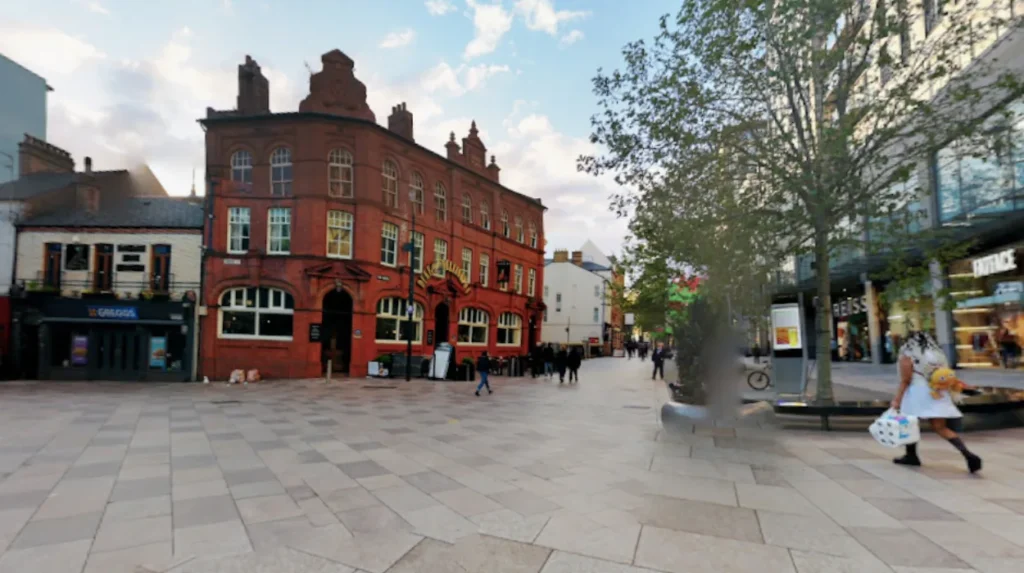
Broader context: assaults peak post-midnight, linked to 70% of weekend violence involving alcohol, says NHS Wales reports. This incident spotlighted vulnerabilities in compact lanes like Mill Lane, where exits bottleneck crowds. Community groups rallied, pushing for more patrols—a call echoed in council meetings.
Yet, Cardiff rebounds. Enhanced lighting and apps like Safe Cardiff have cut incidents 25% since 2020, proving collective action works.
Safety Tips for Nightlife
Stay sharp after dark. Pre-plan routes via well-lit paths, sharing locations with mates—simple habits slashing risks by half, per police advice. In venues, position near exits and note staff; they’re trained spotters.
Weapons awareness matters: UK stats show 80% of stabbings follow arguments, so de-escalate verbally. Apps like Hollie Guard record incidents live, alerting police instantly. For Cardiff specifics, use StreetSafe to flag dodgy spots anonymously.
Post-event, seek support via Victim Support helplines. These steps empower without paranoia, turning knowledge into protection.
Broader Context of Knife Crime
Cardiff mirrors UK trends, where knife offences hit 50,000 annually, up 7% yearly despite bans. Why? Easy access via online markets and social bravado fuel it, with Wales seeing urban spikes. Ten Mill Lane fits a pattern: spontaneous, alcohol-fuelled, non-fatal but scarring.
Government pushes like the 2024 Sentencing Act mandate minimums for blades, deterring via certainty. Community programmes in Cardiff schools cut youth involvement 30%, targeting roots like poverty and gangs. How to fix? Blend enforcement with education—venues training staff in conflict diffusion proves effective.
This incident, while isolated, urges vigilance. Data shows most nights pass safely, but awareness bridges the gap.
Legal Proceedings Ahead
McAvoy’s case heads to Cardiff Crown Court, where evidence will face scrutiny. Prosecutors must prove intent beyond doubt, using forensics to link him to wounds. Trials here average 6-9 months, with victims often shielded via screens.
Outcomes vary: pleas can shorten to 3-7 years, plus bans on weapons. Appeals follow convictions, but solid CCTV stacks odds for justice. Watching this tests Wales’ system, balancing rights with public safety.
The Ten Mill Lane stabbing on March 8, 2026, unfolded fast: assault at 4 a.m., two hospitalized, venue closed, and Roy McAvoy charged days later with GBH and weapon offences. South Wales Police’s response—from cordons to court—exemplifies effective handling, while the bar’s security upgrades signal accountability.
This evergreen reminder for Cardiff folk: nightlife thrills, but smarts save lives. Opt for groups, trust instincts, and back initiatives like more patrols. As the case progresses, it reinforces that vigilance and swift justice keep our city centre shining safely. Stay informed, stay safe—Wales’ capital deserves it.