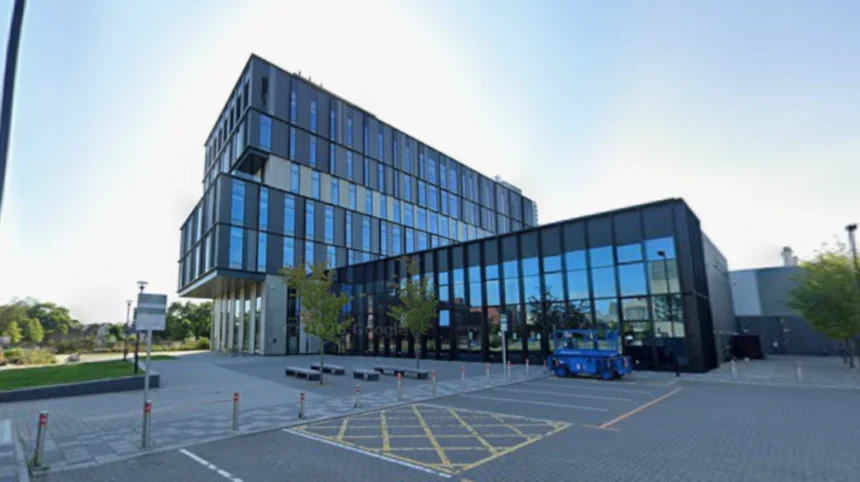
What really happened inside Cardiff University’s Translational Research Hub is quietly reshaping how ideas move from lab bench to real‑world impact in Wales and beyond. Opened in 2022 as part of the wider Cardiff Innovation Campus, the £80 million facility was designed to break down the wall between academic research and industry, particularly in areas like clean energy, advanced materials and next‑generation electronics. Inside, researchers, engineers and business partners work side by side in shared laboratories, offices and collaboration spaces, turning complex science into usable technologies and commercial ventures.
- Inside the Translational Research Hub
- From blue‑sky ideas to real‑world solutions
- Cardiff’s role in Wales’ innovation economy
- Collaboration: where science meets business
- The push towards a low‑carbon future
- Human stories and high‑pressure environments
- Why it matters to Cardiff and the UK
- Practical takeaways for locals and businesses
This article looks at how the Translational Research Hub (TRH) actually works in practice, what kind of research goes on inside, and why it matters for people in Cardiff and across the UK. It also explores the building’s role in Wales’ push towards a low‑carbon economy, the growth of local high‑tech jobs, and the pressures that come with operating such a high‑profile facility. The aim is to give a grounded, evergreen picture of what this hub really is: not just a shiny building, but a working engine for innovation with human, economic and social consequences.
Inside the Translational Research Hub
Step through the doors of the Translational Research Hub and the first impression is not of a traditional university building but of a place built to make people mix. Open staircases, breakout zones and glass‑fronted labs are all deliberate design choices to encourage chance conversations between chemists, physicists, engineers and visiting company teams.
The hub houses two of Cardiff University’s flagship research centres: the Institute for Compound Semiconductors and the Cardiff Catalysis Institute. Compound semiconductors are at the heart of fast communications, electric vehicles and advanced sensing, while catalysis underpins cleaner fuels and greener chemical processes. By putting these institutes under one roof, with shared microscopy suites, specialist laboratories and a large cleanroom, the university has created an environment where discoveries can move more rapidly from academic papers to prototypes and pilot‑scale processes. For staff and students, that means daily exposure to real industrial problems as well as fundamental science.
From blue‑sky ideas to real‑world solutions
Translational research is about bridging a stubborn gap: ideas that look brilliant in the lab often stall when they meet regulatory hurdles, manufacturing constraints or funding realities. Inside the TRH, projects are deliberately structured to carry discoveries further along this path. Researchers can co‑design experiments with industry partners, refine materials or processes in advanced facilities, and then test whether they can scale or meet market needs.
For example, compound semiconductor research in Cardiff is closely linked to applications in low‑carbon transport, high‑speed data and renewable energy systems. Instead of stopping at demonstrating a new device on a chip in ideal conditions, teams can collaborate with companies to explore packaging, reliability and integration into full systems. Similarly, catalysis work moves beyond novel molecules to questions such as: Can this catalyst cut energy use in a real reactor? Does it use critical raw materials? Is it robust enough for years of operation in industry? Asking these “how will it work out there?” questions early is what separates a translational hub from a purely academic lab.
Cardiff’s role in Wales’ innovation economy
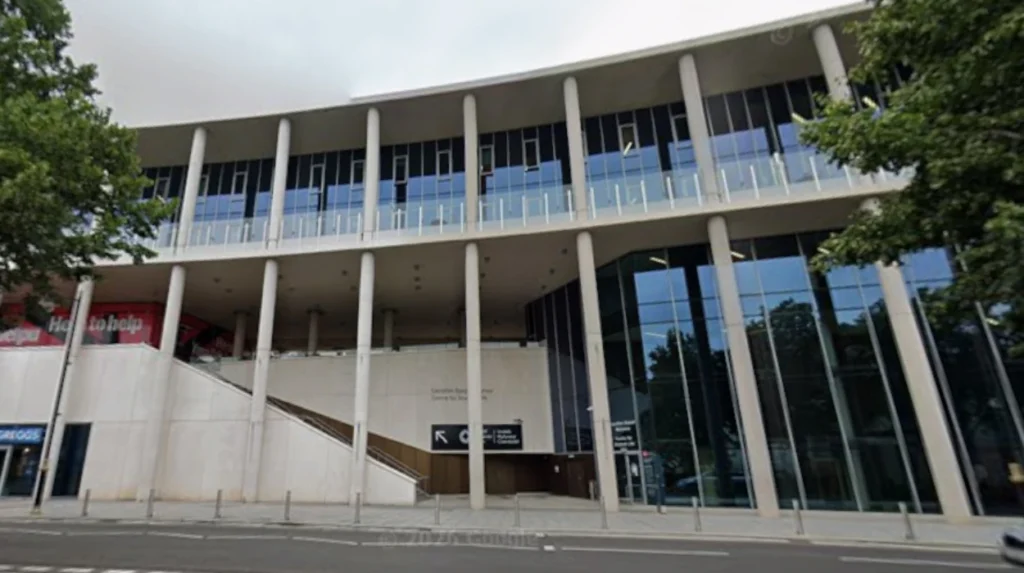
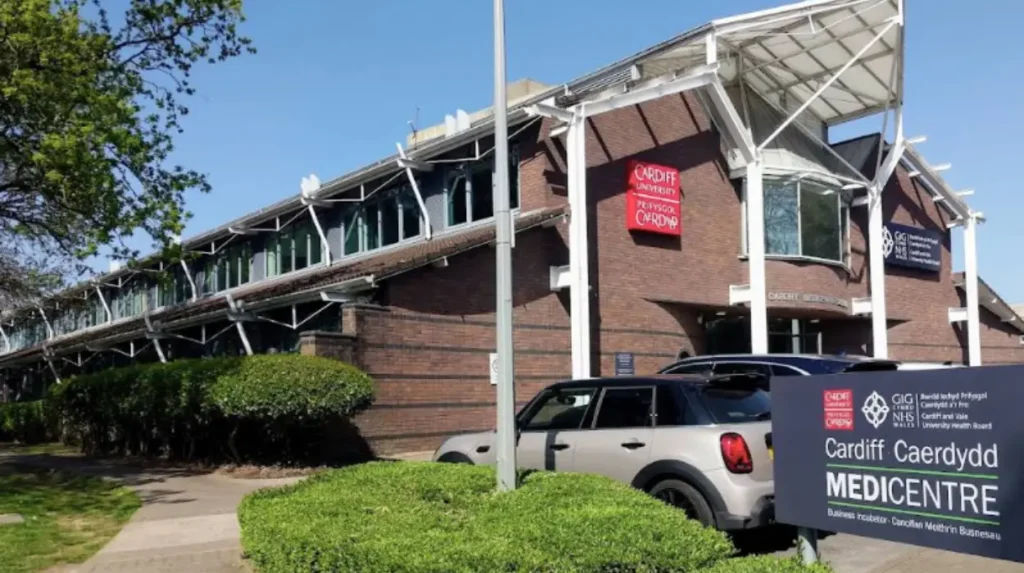
The Translational Research Hub is not an isolated project; it is a cornerstone of the £300 million Cardiff Innovation Campus, which has been pitched as a new engine for the city’s knowledge economy. Adjacent to the TRH is SPARK, a social science research park that focuses on public policy and societal challenges, and nearby facilities such as Cardiff Medicentre and other health innovation programmes create a dense network of research and enterprise.
This concentration of activity matters locally. Cardiff has long had strengths in biomedical research and clinical innovation, supported by the University Hospital of Wales and spin‑out incubators. The growth of drug discovery work, such as the Medicines Discovery Institute and major investments into spin‑outs like Draig Therapeutics, has shown what can happen when strong science is coupled with good commercial support. The TRH adds another pillar by focusing on advanced materials, energy and electronics, areas that align with UK and Welsh Government ambitions for net‑zero and high‑value manufacturing. For the city, this translates into demand for skilled jobs, opportunities for local SMEs to collaborate, and a stronger case for national and international investment in Cardiff as a serious innovation hub.
Collaboration: where science meets business
One of the most important things happening inside the TRH is cultural rather than purely technical. Laboratories are intentionally configured so that academic groups and industrial teams share corridors, meeting spaces and sometimes even equipment. This makes it easier for a PhD student to bump into an R&D director over coffee, or for a start‑up engineer to ask a specialist about a tricky measurement problem. Over time, this sort of casual contact can seed joint projects or entirely new company ideas.
The hub’s location next to SPARK and close links with business incubation spaces means there is a built‑in route from idea to enterprise: new concepts tested in TRH labs can be spun out into start‑ups or partnered with established firms more quickly than if they sat in a traditional academic silo. For Cardiff‑based founders, this access to high‑end kit, academic expertise and a pipeline of students and postdocs is particularly valuable. It reduces the capital needed to get started and helps early‑stage companies build credibility when pitching to investors in London or further afield.
The push towards a low‑carbon future
The TRH has been consistently framed as a “magnet for innovation” in service of a cleaner, greener economy. Its research agenda is aligned with meeting net‑zero targets, improving energy efficiency and developing technologies that reduce emissions across sectors such as transport, manufacturing and communications.
Compound semiconductors can, for instance, make power electronics smaller and more efficient, which matters for everything from fast‑charging electric vehicles to renewable energy converters and 5G infrastructure. Catalysis research, meanwhile, can produce processes that use fewer fossil‑based feedstocks, run at lower temperatures and pressures, or enable new sustainable fuels. By situating these capabilities in one of the UK’s devolved nations, policymakers hope to ensure Wales is not just a consumer of green technologies developed elsewhere, but a producer and exporter of them. For residents of Cardiff, that ambition is visible in the form of new buildings, partnerships and jobs rather than just national strategy documents.
Human stories and high‑pressure environments
Behind the headlines about investment and innovation, life inside a facility like the TRH is intense and highly pressured. Research groups compete for grants, companies work to tight development timelines, and expectations from funders and government are high. The building’s very success in attracting attention also means that incidents or problems are quickly noticed beyond campus.
In early 2026, Cardiff University confirmed a serious incident involving a member of academic staff at the Translational Research Hub, prompting an emergency response and wider media coverage. While details were handled sensitively, the episode underscored that even in cutting‑edge environments, there are very real human vulnerabilities. It raised questions on campus about workload, mental health support and how universities manage risk in complex research settings. For many colleagues, it was a stark reminder that high‑performance spaces also need robust systems of care, communication and wellbeing if they are to function safely over the long term.
Why it matters to Cardiff and the UK
What happens inside the Translational Research Hub is not just of interest to specialist scientists or investors. For people living in Cardiff, it touches on future job opportunities, the city’s identity and the kind of economy their children will inherit. High‑value research and development facilities typically generate demand for local suppliers, create skilled technical roles, and draw in students and professionals who contribute to the wider cultural and economic life of the city.
At a UK level, the hub is part of a broader attempt to distribute research excellence more evenly across regions and devolved nations, rather than concentrating it in a handful of “golden triangle” institutions. By hosting world‑class labs and industry collaborations in Wales, Cardiff is helping to anchor key parts of the compound semiconductor and green chemistry value chains domestically. For policymakers focused on resilience and strategic autonomy, especially in technologies linked to clean energy and digital infrastructure, that is no small thing. It means more of the intellectual property, skilled employment and supply‑chain depth stays closer to home.
Practical takeaways for locals and businesses
For Cardiff residents curious about the hub, one practical step is to look out for public lectures, open days or community events linked to the Innovation Campus. These offer a window into what is being developed behind the lab doors and how it might affect issues like energy bills, public transport or healthcare in the coming years. Universities increasingly recognise the importance of public engagement, and being an informed local voice can shape how projects evolve.
For local businesses, particularly SMEs in engineering, digital, manufacturing or health‑tech, the hub represents a potential partner rather than a distant ivory tower. Exploring collaborative projects, student placements or use of specialist facilities through formal programmes can help smaller firms access capabilities they could not afford alone. Over time, those links can strengthen Cardiff’s broader innovation ecosystem, making the city more resilient to economic shocks and more attractive to outside investors who look carefully at the depth of local capabilities before committing capital.
What really happened inside Cardiff University’s Translational Research Hub is that an ambitious idea – to bring scientists and industry together under one roof – has taken on concrete form and begun to reshape the city’s innovation landscape. Behind the architectural statements and investment figures sit day‑to‑day realities: researchers solving tough technical problems, companies testing new products, students learning how their skills apply in the real economy, and at times, the human strains that accompany high‑stakes work.
As Cardiff continues to grow as a centre for compound semiconductors, catalysis, life sciences and health innovation, the TRH will likely remain a focal point for both opportunity and scrutiny. For residents, policymakers and businesses, staying engaged with what goes on inside – and how it connects to wider social and environmental goals – is key. The hub is not just a story about science; it is part of a longer‑term question about how cities like Cardiff can build prosperous, sustainable futures in a rapidly changing world.