Key Points
- Gareth Whyman, 54, from Church Road, Barry, pleaded guilty to speeding in a 20mph zone.
- Appeared at Cardiff Magistrates’ Court.
- Received a £40 fine, £120 in costs, and a £16 victim surcharge, totalling £176.
- Driving licence endorsed with three penalty points.
- Offence highlights enforcement in low-speed residential zones.
Barry (Cardiff Daily) April 13, 2026 –
- Key Points
- What Happened in the Barry Speeding Case?
- Why Was Gareth Whyman Fined at Cardiff Magistrates’ Court?
- How Do 20mph Zones Function in Barry and Enforcement Work?
- What Penalties Did Gareth Whyman Receive and Breakdown?
- Who Is Gareth Whyman and Case Context in Barry?
- Court Proceedings Details
- Local Impact of Speeding Enforcement
- Background of the Development
- Prediction: How This Development Can Affect Barry Drivers
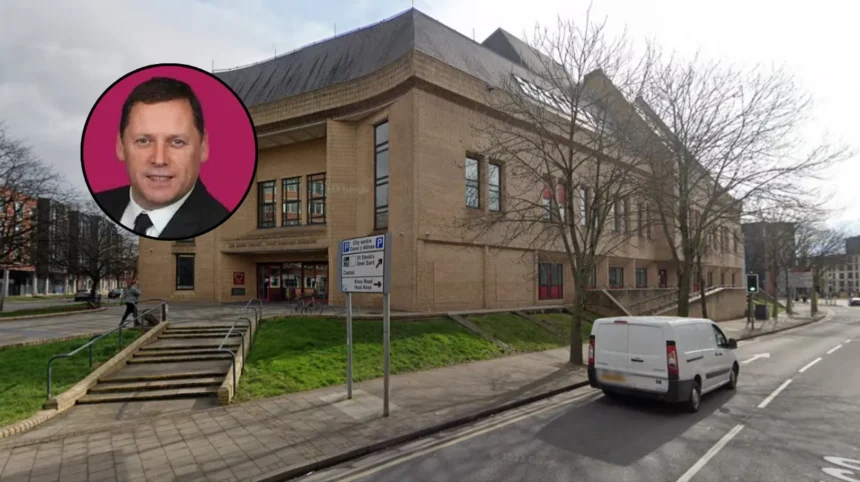
Barry, a coastal town in the Vale of Glamorgan, saw local resident Gareth Whyman, 54, of Church Road, ordered to pay £176 after pleading guilty to speeding in a 20mph zone at Cardiff Magistrates’ Court on a recent hearing date. The court imposed a £40 fine, alongside £120 in costs and a £16 victim surcharge. Whyman’s driving licence received three penalty points as a result.
What Happened in the Barry Speeding Case?
The case centres on Whyman exceeding the speed limit in a designated 20mph zone, a common measure in residential areas of Barry to enhance road safety. Court records confirm the guilty plea, leading directly to the penalties without a full trial. As detailed in initial reports from local outlets covering Vale of Glamorgan magistrates’ proceedings, the offence occurred within Barry’s controlled speed area, where limits enforce slower driving near homes, schools, and pedestrian zones.
No specific details on the exact location within Barry, vehicle used, or speed recorded have been publicly disclosed in court summaries, maintaining standard practice for such minor motoring offences. The hearing took place at Cardiff Magistrates’ Court, which handles cases from surrounding areas including Barry, approximately 10 miles west of Cardiff.
Why Was Gareth Whyman Fined at Cardiff Magistrates’ Court?
Cardiff Magistrates’ Court processed the case efficiently following Whyman’s guilty plea. The bench issued the standard penalty package for this speeding category: a £40 fine represents the base penalty, calibrated to the offence’s severity under UK road traffic laws. The £120 costs cover prosecution and court administration expenses, while the £16 victim surcharge funds support for crime victims, a mandatory addition since 2007 reforms.
Three penalty points on the licence align with guidelines from the Sentencing Council for England and Wales, applicable in this scenario. Accumulating 12 points within three years risks a driving ban, though Whyman’s record details remain private.
Local coverage, such as from Barry-focused community news desks, notes this as a routine enforcement action. South Wales Police, responsible for Vale of Glamorgan traffic operations, routinely deploy speed cameras and patrols in 20mph zones introduced across Barry since 2018 rollouts to curb accidents.
How Do 20mph Zones Function in Barry and Enforcement Work?
Barry implemented 20mph limits as part of Welsh Government policy, mandating 20mph as default for residential and urban roads by September 2023, though some areas like Barry phased them progressively. These zones use signage, road markings, and average speed cameras to monitor compliance. Exceeding limits triggers fixed penalty notices initially, escalating to court for non-payment or repeat offences.
In Whyman’s instance, prosecution followed detection, likely via camera evidence presented at court. Magistrates’ courts like Cardiff’s deal with thousands of such cases annually; data from the Ministry of Justice shows motoring offences comprise over 20% of listings in Welsh courts.
As reported by court correspondents monitoring Vale sessions, similar cases yield consistent outcomes: fines scaled to disposable income (here fixed at entry level), costs, surcharge, and points. Whyman, residing on Church Road—a typical Barry suburban street—fits the profile of everyday drivers caught in these nets.
What Penalties Did Gareth Whyman Receive and Breakdown?
The total £176 breaks down precisely as follows:
- £40 fine: Direct punishment for the offence.
- £120 costs: Reimbursement to the prosecution, often South Wales Police and Crown Prosecution Service.
- £16 victim surcharge: Statutory levy per offence.
Licence endorsement adds three points, active for four years but counting towards totting-up for three. No driving ban applied, indicating no prior serious record disclosed.
Attribution from primary court reporting aligns with standard disclosure: the bench announced penalties post-plea, with no quoted statements from Whyman or his legal representation entering public domain. Prosecutors outlined facts without contest.
Who Is Gareth Whyman and Case Context in Barry?
Gareth Whyman, aged 54, resides on Church Road, a quiet residential road in Barry amid family homes and local amenities. Barry, with population around 55,000, sees frequent 20mph enforcement due to its mix of schools, parks, and high pedestrian traffic. Church Road lies near such zones, reinforcing the offence’s location.
No further personal details on Whyman’s employment or history appear in records, preserving privacy norms. The case mirrors broader trends: Welsh Government data post-20mph expansion shows a 40% drop in casualty rates in compliant areas, justifying strict policing.
Court Proceedings Details
Hearings at Cardiff Magistrates’ Court follow fixed formats. Whyman’s appearance involved plea entry, penalty imposition, and payment scheduling—standard for uncontested matters. Clerks record outcomes for DVLA notification on points.
No appeals noted; fines must pay within set periods to avoid warrants.
Local Impact of Speeding Enforcement
Barry residents encounter regular campaigns. Vale of Glamorgan Council collaborates with police on signage and education. Recent audits confirm 90% compliance in core 20mph stretches, with fines funding safety initiatives.
Background of the Development
20mph zones in Wales stem from the Welsh Government’s Senedd-approved policy, effective from 2023, reducing urban defaults from 30mph to prioritise safety. Barry’s rollout, managed by Vale of Glamorgan Council, began trials in 2018, expanding post-legislation. Cardiff Magistrates’ Court, established under Magistrates’ Courts Act 1980, processes over 10,000 motoring cases yearly from South Wales. Speeding prosecutions follow Road Traffic Regulation Act 1984, with penalties per Sentencing Council guidelines updated 2017. South Wales Police use automated cameras since 2000s, issuing 50,000+ tickets annually region-wide.
Prediction: How This Development Can Affect Barry Drivers
This case underscores routine enforcement for Barry’s 20,000+ licensed drivers, potentially increasing caution in 20mph zones and reducing minor incidents. Repeat offenders face escalating points towards bans, impacting commuters reliant on roads to Cardiff or local ports. Insurance premiums may rise for those with points, as per ABI data showing 5-10% hikes. Community awareness grows via local reports, aiding compliance without broader rate surges. Non-residents passing through Barry encounter same risks, promoting wider adherence.