Key Points
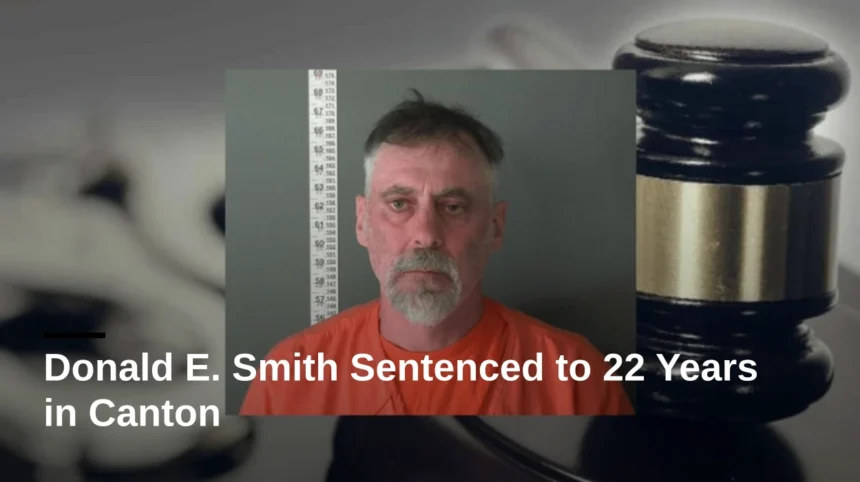
- Donald E. Smith, 56, of Canton, Pennsylvania, was sentenced to eight to 22 years in state prison.
- The sentence followed convictions for corruption of minors, two counts of failing to register and failing to provide accurate registration information.
- Officials said Smith retained a temporary address where he no longer lived and failed to update employment information within three days.
- Smith was placed on Megan’s Law in 1999 after a rape conviction, according to the Bradford County District Attorney’s Office.
Inverted pyramid: the most important facts appear first, followed by supporting context and the likely effect on the relevant audience.
- Key Points
- What sentence did Donald E. Smith receive?
- Why was Smith charged with registry offences?
- What led to the corruption-of-minors charge?
- What does the case mean for people subject to registration requirements?
- Background: how did the case develop?
- How could the sentence affect Canton residents and registered individuals?
Bradford County (Cardiff Daily) November 18, 2026 – Donald E. Smith, 56, of Canton, Pennsylvania, has been sentenced to a minimum of eight years and a maximum of 22 years in state prison after failing to maintain accurate registration information. According to WETM – MyTwinTiers.com, citing a release from the Bradford County District Attorney’s Office, Smith was convicted of corruption of minors, two counts of failure to register and failure to provide accurate registration information. Officials said Smith did not remove a temporary address where he no longer lived and failed to update his employment information within three days.
What sentence did Donald E. Smith receive?
WETM – MyTwinTiers.com reported that Smith received a state-prison sentence ranging from eight to 22 years. The report attributed the sentencing information to the Bradford County District Attorney’s Office.
The charges included corruption of minors, a first-degree misdemeanour; two counts of failure to register, each identified as a first-degree felony; and failure to provide accurate registration information, also identified as a first-degree felony.
Why was Smith charged with registry offences?
According to the district attorney’s office release cited by WETM – MyTwinTiers.com, Smith left a temporary address on his registration after he stopped living there. Officials also said he failed to update his employment information within the required three-day period.
The report said Smith had been placed on Megan’s Law in 1999 following a rape conviction. The charges in the current case were issued in April 2026.
What led to the corruption-of-minors charge?
The Bradford County District Attorney’s Office said, as reported by WETM – MyTwinTiers.com, that the corruption-of-minors charge followed an allegation that Smith inappropriately touched a child outside the child’s clothing.
What does the case mean for people subject to registration requirements?
The sentence demonstrates the serious consequences of failing to keep registry information accurate and current. People subject to registration requirements may face additional criminal charges and imprisonment when they fail to report changes to addresses or employment within the legally required timeframe.
Background: how did the case develop?
Smith was first placed on Megan’s Law in 1999 after a rape conviction, according to the Bradford County District Attorney’s Office. Officials later accused him of failing to remove a temporary address from his registration. They also said he did not update his employment information within three days. The current charges were filed in April 2026 and included registry-related offences and corruption of minors. The court ultimately imposed a sentence of eight to 22 years in state prison.
How could the sentence affect Canton residents and registered individuals?
The case may prompt registered individuals in Canton and surrounding Bradford County communities to review their address and employment information carefully. It also reinforces that registration duties can continue to carry criminal consequences after an earlier conviction. Families, employers and community organisations may view the sentence as a reminder that registry information is subject to legal reporting requirements. Any person unsure about a reporting deadline should seek advice from an authorised legal or registration official rather than rely on outdated information.