Key Points
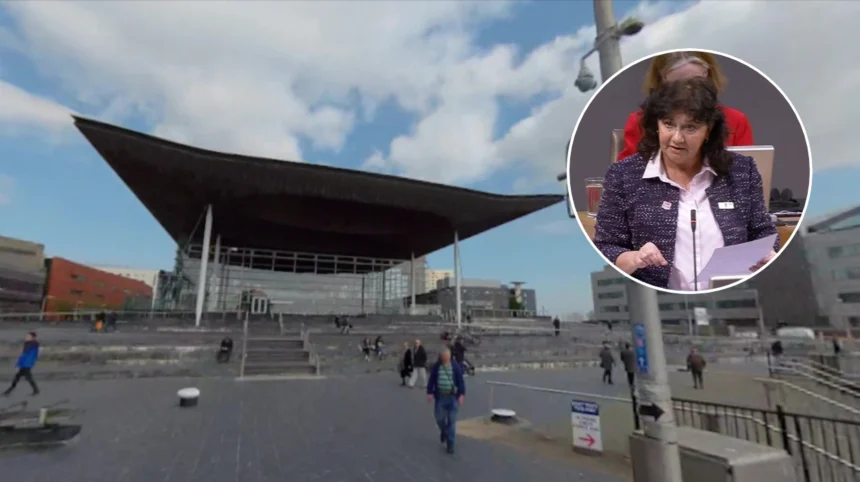
- Caroline Jones, a former UKIP leader in Cardiff Bay, has quit Reform over a row about Senedd election candidate selection.
- Jones says she will stand as an independent in the Pen-y-Bont Bro Morgannwg seat.
- She refused to run in third place on Reform’s list in Pontypridd Cynon Merthyr, saying she lacked “affinity” with that seat.
- Reform says its selection process is “fair” and “based on ability”.
- Three of Reform’s original six candidates for Pen-y-Bont Bro Morgannwg have stood down.
- One candidate resigned in protest at the selection process.
- Another pulled out after a photo appeared to show him performing a Nazi salute.
- A third left for “personal reasons” that have not been made public.
- Another candidate for Pontypridd Cynon Merthyr also pulled out.
- Sources told the BBC there was anger over “parachuting” people into seats from outside the area.
- Reform told the BBC it would present a full list for the election on 7 May.
- Jones was one of seven UKIP politicians elected to the Senedd in 2016 and had previously been a Conservative Party member.
Cardiff Bay (Cardiff Daily) April 10, 2026 – Caroline Jones, a former UKIP leader in Cardiff Bay, has quit Reform amid a dispute over the party’s Senedd election candidate selection process, after rejecting a placement on the party’s list and deciding instead to stand as an independent in Pen-y-Bont Bro Morgannwg.
As reported by the BBC, Jones said she would not run in third place on Reform’s list in Pontypridd Cynon Merthyr because she lacked “affinity” with that seat. The dispute has emerged during a period of internal pressure for the party in Wales, with several candidates in the affected areas stepping down.
Reform said its selection process is “fair” and “based on ability”, defending the way candidates are chosen for the election due to take place on 7 May.
What did Caroline Jones say about the seat selection?
Jones’ decision centres on her refusal to accept third place on Reform’s list in Pontypridd Cynon Merthyr. According to the BBC report, she said she did not feel a connection with that area, and she opted instead to leave the party and contest Pen-y-Bont Bro Morgannwg as an independent candidate.
The dispute highlights a wider concern among some local figures and party members about candidate placement. Sources cited by the BBC said there had been anger over “parachuting” people into seats from outside the area, a criticism that suggests tension over how closely candidates are tied to the constituencies they are expected to represent.
How has Reform responded to the resignations?
Reform has defended the process and insisted it is not unfair. The party told the BBC that candidate selection is “fair” and “based on ability”, rejecting the idea that the row reflects a flawed system.
The party also said it would present a full list for the election on 7 May, indicating it remains committed to fielding candidates in the contested areas despite the resignations and withdrawals.
Which candidates have stood down?
The BBC report says three of the party’s original six candidates for Pen-y-Bont Bro Morgannwg have stood down, while another candidate for Pontypridd Cynon Merthyr also pulled out.
According to the report, the three Pen-y-Bont Bro Morgannwg candidates left for different reasons:
- One stood down in protest at the selection process.
- One resigned after a photo emerged that appeared to show him performing a Nazi salute.
- Another left for “personal reasons”, which have not been made public.
These exits have added pressure on Reform at a sensitive stage in the election campaign, particularly as the party seeks to maintain candidate numbers and credibility in the run-up to polling day.
Who is Caroline Jones?
Caroline Jones was one of seven UKIP politicians elected to the Senedd in 2016. Before that, she had been a member of the Conservative Party.
Her departure from Reform marks another shift in a political career that has already included service under different party banners. The BBC report places her at the centre of the current dispute because of her senior background and because her move to stand as an independent may affect the contest in the seat she has chosen.
What does the row mean for Reform’s campaign?
The immediate issue for Reform is candidate stability. The resignations and withdrawals leave the party dealing with questions about internal discipline, local representation and selection standards.
The concern raised by sources about “parachuting” candidates into seats suggests that the row is not only about one person’s decision but also about broader dissatisfaction within the party’s Welsh operation. In practical terms, such disputes can make it harder for a party to present a unified message during an election campaign.
What is the background to this Senedd selection dispute?
The dispute comes in the context of Reform’s preparations for the Senedd election scheduled for 7 May. Candidate selection is often politically sensitive in devolved elections, where local connection and familiarity with an area can matter heavily to voters.
Jones’ position as a former UKIP Senedd member gives the dispute added significance, because her departure from Reform is not that of a little-known figure. The BBC report also notes that she previously sat in the Senedd after being elected with UKIP in 2016, which places her among politicians with established electoral experience.
The wider row has developed around how candidates were selected and whether those candidates had sufficient links to the areas they were expected to stand in. Reform’s insistence that the process is “fair” and “based on ability” suggests the party believes competency should outweigh local objections. However, the criticism reported by the BBC indicates that at least some local members and candidates saw the process differently.
How could this affect the audience?
For voters in Pen-y-Bont Bro Morgannwg and Pontypridd Cynon Merthyr, the development may add uncertainty to how Reform is viewed as the election approaches. Candidates standing down so close to polling day can raise questions about party organisation and whether voters will receive a stable choice on the ballot.
For local party members, the row may also deepen concerns about how much influence they have in selection decisions. If voters place strong value on locality and representation, the argument over “parachuting” candidates could shape perceptions of the party’s credibility in the area.
For the broader Welsh political audience, the case may be watched as an example of how internal candidate disputes can affect election messaging, especially when they involve a party trying to build momentum while managing public controversy.