Key Points
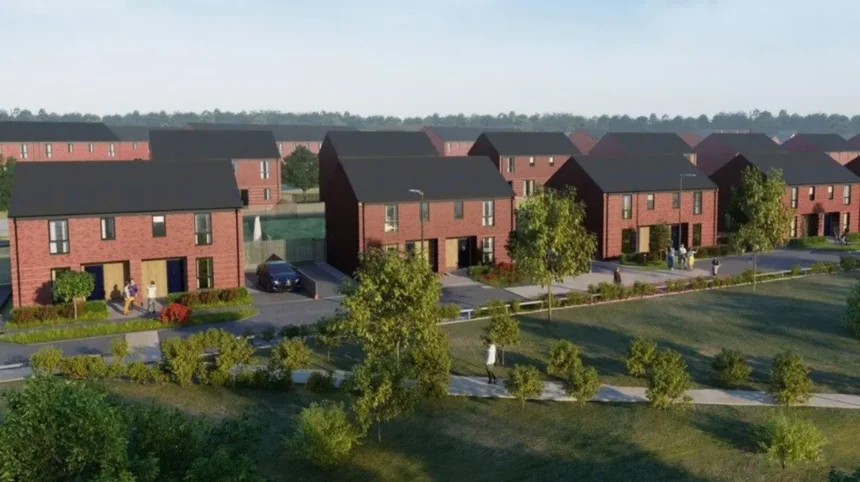
- Cardiff Council is considering proposals to acquire two residential developments in Gabalfa, delivering 148 additional council homes to help tackle the ongoing housing emergency.
- The proposed acquisition features six one-bedroom and six two-bedroom apartments across two blocks, designated for permanent general-needs housing.
- According to data cited in coverage by outlets such as Wales 247 and Nation.Cymru, approximately 1,400 social homes become available to let annually in Cardiff, while roughly a third of households on the waiting list are classified as overcrowded.
- Cabinet members are also weighing changes to social housing allocation policies following a consultation that attracted nearly 3,000 responses.
- Proposed policy adjustments prioritize households where severe overcrowding exacerbates health, disability, or welfare needs, alongside individuals facing imminent homelessness with complex support requirements.
Cardiff, Wales (Cardiff Daily) November 16, 2026 – Cardiff Council has announced decisive new measures to confront mounting local housing pressures by pursuing the acquisition of two residential developments that will introduce 148 additional council properties to the city’s housing stock.
- Key Points
- How Will the Gabalfa Property Acquisition Address Housing Pressures?
- What Statistics Highlight the Severity of Cardiff’s Housing Shortage?
- What Changes Are Proposed for Social Housing Allocation Policies?
- Background of the Development
- Prediction on How This Development Can Affect the Particular Audience
How Will the Gabalfa Property Acquisition Address Housing Pressures?
As reported by Rhys Gregory of Wales 247, the proposed acquisition centers on a development in Gabalfa comprising six one-bedroom and six two-bedroom apartments across two distinct blocks. These properties are intended to be utilized as permanent, general-needs housing to alleviate strain on local waiting lists.
The local authority is running a wider, comprehensive programme aiming to deliver over 4,000 new council homes. However, local leaders have emphasized that building new units alone is insufficient to meet unprecedented demand. Explaining the strategic rationale behind the purchase, Cllr Lynda Thorne, Cabinet Member for Housing and Communities, stated, as reported by Wales 247:
“The pressures on housing in Cardiff are significant and, while we are delivering new council homes at pace through our ambitious house-building programme, we know we need to do more.”
Cllr Thorne further elaborated on the multi-pronged approach required:
“There isn’t one single solution to the housing emergency. We need to build new homes, but we also need to seize opportunities to acquire good-quality existing accommodation when they arise. These two acquisitions would bring 148 additional homes into Council use and allow us to increase both managed accommodation and the supply of permanent homes.”
What Statistics Highlight the Severity of Cardiff’s Housing Shortage?
The scale of the challenge facing the Welsh capital is underscored by stark municipal data. Outlined in coverage by Nation. Cymru, approximately 1,400 social homes become available to let across Cardiff each year. Despite this turnover, demand far outstrips supply, with roughly one-third of all households currently registered on the council housing waiting list classified as overcrowded.
Furthermore, the data reveals a severe mismatch in property sizes, as just 3% of the council’s existing social housing portfolio features four or more bedrooms. These acute deficits have forced the local authority to explore every viable option to increase housing availability and provide secure accommodation for vulnerable residents.
What Changes Are Proposed for Social Housing Allocation Policies?
Alongside the property acquisition plans, Cardiff Council cabinet members are considering significant reforms to how social housing is allocated. These proposed changes follow an extensive public consultation that drew nearly 3,000 responses from local residents and stakeholders.
The revised allocation framework aims to direct limited housing resources toward those in the most urgent need. Under the new proposals, greater priority would be granted to households where severe overcrowding significantly worsens serious health conditions, disabilities, or general welfare needs. Additionally, households with complex support requirements could move higher up the waiting list if they face imminent homelessness and preventative measures have proven unsuccessful.
Further technical adjustments under consideration include permitting a suitable downstairs living room to be counted as a bedroom when assessing household overcrowding. The proposals would also raise the age threshold at which two household members of the same sex are expected to share a bedroom from 16 to 18 years old.
Background of the Development
The decision by Cardiff Council to acquire 148 residential units in Gabalfa represents an intensification of ongoing efforts to combat structural housing deficits across urban Wales. Local authorities across the United Kingdom have faced mounting fiscal constraints, inflationary construction costs, and surging homelessness rates in recent years. In response, Cardiff Council initiated an ambitious target to deliver 4,000 new council homes through direct builds and strategic partnerships.
However, supply chain bottlenecks and prolonged planning timelines have necessitated opportunistic acquisitions of nearly completed or existing developments to secure immediate housing capacity. By pairing direct property purchases with systemic reforms to the social housing allocation policy, the council is attempting to simultaneously expand physical capacity and optimize the distribution of available social assets for citizens experiencing severe housing precarity.
Prediction on How This Development Can Affect the Particular Audience
This policy shift and property acquisition initiative will directly impact local housing applicants, overcrowded families, and individuals facing the risk of homelessness in Cardiff. For low-income families and overcrowded households, the addition of 148 permanent homes combined with the reweighted allocation policy means that those with severe medical, disability, or welfare needs will experience a fairer and more targeted path toward secure housing.
While 148 homes will not single-handedly resolve a waiting list comprising thousands of applicants, the dual strategy of acquiring ready-to-use properties while modernising allocation rules offers immediate relief to some of the city’s most vulnerable demographic groups. Tenants navigating overcrowding or potential homelessness can expect a more responsive prioritization system, though overall waiting times will likely remain protracted until broader housing delivery targets are fully realised.