

Key Points
- Siobhan Blake, the Crown Prosecution Service’s national lead for rape and serious sexual offences, said victims respond to sexual abuse in different ways.
- Her comments followed Russell Brand’s conviction for one count of rape and three sexual assaults, for which he received a 10-year-and-six-month prison sentence.
- Blake said delayed reporting, freezing, silence or attempts to placate an attacker do not invalidate a victim’s account.
- The Government is establishing an expert working group to examine rape myths, including assumptions about consent, age and abuses of power.
- Campaigners and legal figures have called for stronger directions to juries when rape myths arise during trials.
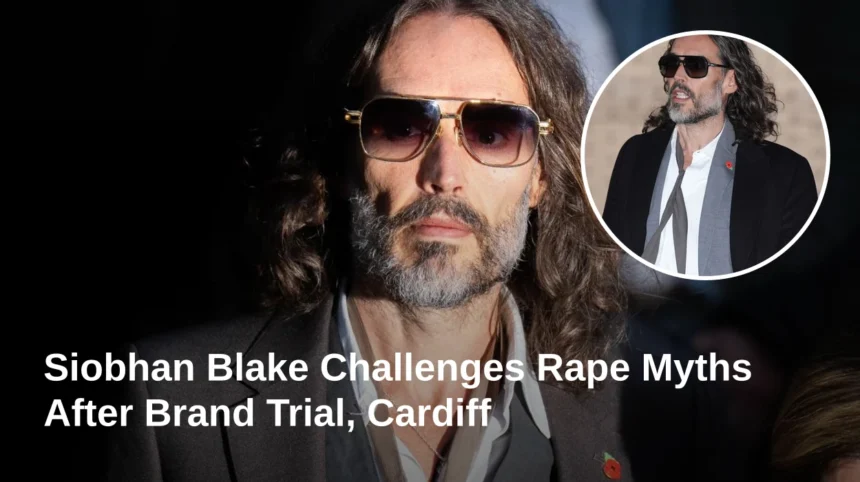
Cardiff (Cardiff Daily) November 27, 2026 – Siobhan Blake, national lead for rape and serious sexual offences at the Crown Prosecution Service, has challenged misconceptions about how victims are expected to respond to rape and sexual assault after Russell Brand’s conviction. Blake said victims may report immediately, remain silent for years, freeze during an assault or continue contact with an abuser. Her comments came as officials and campaigners discussed whether courts should provide clearer explanations of rape myths to juries.
- Key Points
- What did Siobhan Blake say about victims’ responses?
- What was the outcome of Russell Brand’s trial?
- What changes are being considered after the trial?
- What do the figures show about rape prosecutions?
- What could this mean for victims and the justice system?
- Background to the development
- How could the development affect people who listen without judgment?
What did Siobhan Blake say about victims’ responses?
As reported by the We listen without judgment – Prosecutor challenges rape myths after Brand trial report, Blake said there is no “right” way to respond to sexual abuse. She said some victims report offences promptly, while others appear to continue with their lives, remain in contact with the person who abused them or suppress what happened for months or years.
Blake said those responses do not lessen the impact of the abuse and may reflect the different ways trauma affects victims. She also said sexual assault does not need to involve screaming, fighting or physical resistance. Some victims may freeze, feel frightened or try to placate the person hurting them.
“As prosecutors, we are trained to understand these different responses to trauma and not make assumptions based on outdated stereotypes,” Blake said.
What was the outcome of Russell Brand’s trial?
Russell Brand was convicted of one count of rape and three counts of sexual assault involving four women. He was sentenced to 10 years and six months in prison.
During the trial, Brand’s barrister, Ian Winter King’s Counsel, told jurors that none of the complainants had “resisted or screamed or even tried to leave”. The remarks prompted criticism from figures who said they reflected assumptions about how victims should behave.
Blake said one victim in the case feared that Brand’s fame and influence meant she would not be believed. Other complainants described difficulty processing what happened, embarrassment and a desire to bury the memory as a way of coping.
What changes are being considered after the trial?
The Government is setting up an expert working group involving judicial office holders, lawyers, academics, campaigners and people with lived experience. The group will consider false rape myths involving third-party consent, the age of consent and wider abuses of power.
Calls have also been made for judges to direct juries on rape myths when such assumptions arise during a trial. Victims Commissioner Claire Waxman has called for a legal duty requiring judges to explain that decisions must be based on evidence rather than misconceptions. The Ministry of Justice has said judges can already give directions countering rape myths and that further proposals will be considered.
What do the figures show about rape prosecutions?
Blake said 70% of rape cases referred to prosecutors by police result in a criminal charge, and that every adult victim is now offered a dedicated victim liaison officer.
Official figures cited in the report showed that 4.7% of police-recorded sexual offences resulted in a charge or summons in the year ending March 2026. The corresponding figure for rape was 3.4%, although the figures may increase as outstanding investigations are completed.
What could this mean for victims and the justice system?
The discussion may increase pressure on prosecutors, judges and barristers to address misconceptions about delayed reporting, silence, continued contact and physical resistance. Clearer explanations could help jurors assess evidence without relying on stereotypes, while preserving the requirement to determine each case on its facts.
For victims, Blake’s emphasis on listening without judgment may support efforts to encourage reporting at different stages after an alleged offence. The Government’s working group and any resulting changes could influence courtroom guidance, professional standards and public understanding of trauma responses.
Background to the development
The debate followed Russell Brand’s conviction for rape and three sexual assaults after allegations dating back almost two decades. The case drew attention to questions about delayed reporting and the way complainants’ behaviour is examined during trials. Joanne Young was also cited by Blake after her husband, Philip Young, was convicted of drugging and raping her over 13 years and of offences involving other men. Blake said Young’s message that victims are not alone and will be listened to reflected concerns shared by many survivors.
How could the development affect people who listen without judgment?
People supporting survivors, including friends, family members and professionals, may place greater emphasis on allowing victims to describe their experiences without testing them against stereotypes. The proposed expert review could lead to clearer guidance for juries and legal professionals, which may affect how evidence about trauma, delayed disclosure and perceived resistance is presented. Its effect will depend on the recommendations adopted by the Government and the courts. The central message from Blake is that attention should remain on the alleged perpetrator’s actions rather than assumptions about a victim’s behaviour.