Key Points
- Iconic Cardiff mansion’s tower opens to visitors
- Filming location for Doctor Who’s snowmen episode
- Heritage groups hail fresh boost for screen tourism
- Local council backs 2026 cultural tourism expansion
- Fans anticipate guided tours and themed events
Cardiff (Cardiff Daily) March 13, 2026 – The historic Cardiff mansion made famous as the backdrop for the snowmen in BBC’s long‑running science‑fiction series Doctor Who has opened its once‑restricted tower to the public for the first time, in a move local officials and tourism leaders say will cement the city’s status as a key destination for screen tourism in 2026. The opening allows fans and heritage visitors to climb into an area previously used primarily by television crews, offering new vantage points over Cardiff and an immersive connection to one of the programme’s most visually distinctive Christmas adventures.
- Key Points
- How did the Doctor Who snowmen mansion become a landmark?
- What exactly has opened to the public in 2026?
- Why is the tower opening significant for Cardiff tourism?
- How are heritage and council officials describing the decision?
- What does the mansion’s Doctor Who legacy involve?
- How are fans and tour operators reacting to the new access?
- What safety and conservation measures are in place for the tower?
- What are local businesses and residents saying about the change?
- What might this mean for future access to filming locations?
- How are accessibility and inclusivity being addressed?
How did the Doctor Who snowmen mansion become a landmark?
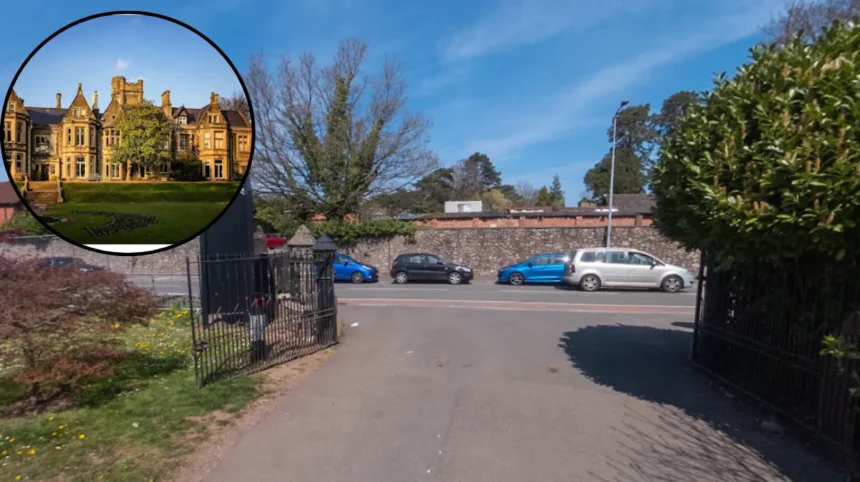
The mansion gained international recognition when it featured prominently in a Doctor Who Christmas special in which eerie snowmen gathered around an imposing Victorian‑era residence, instantly fixing the building in the imagination of viewers around the world.
Production designers used the mansion’s gothic architecture, sweeping frontage, and elevated tower profile to create a sense of mystery and seasonal menace, turning the property into a de facto character in the story rather than simply a background location. Fans subsequently began informally identifying the site as “the snowmen house”, with images from the episode repeatedly circulating on social media and in fan forums.
Cardiff’s long association with the series, including studio work and extensive on‑location filming around the city and across Wales, has meant that many buildings have acquired a secondary life as pilgrimage points for devotees. The snowmen mansion, however, has stood out because of the way it anchored a whole episode visually, with night‑time shots of its façades and the looming tower often used in promotional material.
What exactly has opened to the public in 2026?
The new development centres on the tower, a prominent vertical feature of the mansion that had previously been closed to ordinary visitors due to safety, access, and operational constraints linked to filming. In 2026, owners and managing authorities have completed structural assessments, added handrails and controlled‑access stairways, and installed interpretive signage to meet contemporary visitor‑management standards, enabling a full public opening for the first time.
The opening is being presented as a cornerstone of a broader effort to refresh the mansion’s offer and draw repeat visits from those who may have toured the ground‑floor rooms in past years.
From the tower, visitors can now enjoy elevated views across parts of Cardiff, including surrounding parkland and nearby heritage assets, providing a sense of the city’s urban fabric that complements more familiar vantage points.
Why is the tower opening significant for Cardiff tourism?
Cardiff has spent the past two decades building a reputation as a city where contemporary creative industries sit alongside historic architecture and civic spaces, with Doctor Who playing a central role in that narrative. Opening the mansion’s tower in 2026 adds a fresh element to that story, giving tourism marketers a new angle at a time when city destinations are competing fiercely for weekend visitors and international holidaymakers.
The tower opening is expected to support longer stays by encouraging visitors to add the mansion to itineraries that already include central Cardiff attractions, waterfront developments, and other filming locations associated with the series. Local businesses such as cafés, independent shops, and accommodation providers stand to benefit from the additional footfall generated by fans making specific trips to the site.
Tourism officials emphasise that these visitors frequently spend money not only on tickets but also on guided experiences, merchandise, and ancillary cultural activities, multiplying the economic impact beyond the mansion gates.
How are heritage and council officials describing the decision?
Officials and heritage professionals are framing the opening as a careful balance between conservation and access, rather than a purely commercial move. They stress that safety upgrades, structural assessments, and accessibility considerations have been central to the project planning, and that only after satisfying modern standards was the tower deemed suitable for public entry.
At the same time, council representatives have linked the decision directly to wider cultural and tourism strategies for 2026, which aim to leverage Cardiff’s creative reputation. By foregrounding the Doctor Who connection while also highlighting the building’s architectural and historical value, they hope to appeal to a broad audience that ranges from families and pop‑culture fans to serious heritage enthusiasts.
What does the mansion’s Doctor Who legacy involve?
The snowmen episode in which the mansion featured was part of a long line of Christmas specials that helped to maintain the series’ prominence in British festive television schedules. Its atmospheric depiction of a mysterious house, shrouded in winter gloom and confronted by uncanny snow creatures, resonated with audiences and has continued to be revisited on streaming platforms and repeat broadcasts.
Beyond that specific episode, the mansion’s role contributes to Cardiff’s broader identity as a Doctor Who city, where fans can trace footsteps of the Doctor and companions across multiple locations. Local guides often incorporate the mansion into themed itineraries that connect it with urban streetscapes, industrial heritage sites, and rural settings used for alien landscapes.
How are fans and tour operators reacting to the new access?
Early indications suggest that fans are treating the opening as an opportunity to deepen their engagement with a location they previously knew mainly from external shots and promotional photographs. Standing in the tower, looking out across the city, offers what many describe as a “point‑of‑view” experience, allowing visitors to imagine how the production team might have scouted and framed shots from similar vantage points.
Tour operators are responding by updating itineraries, publicity material, and pricing structures to reflect the new access. Some are planning scheduled visits timed to coincide with quieter periods in the day, to ensure that groups can enjoy the tower without overcrowding, while others are exploring premium packages that combine the mansion with studio‑related experiences and other locations.
What safety and conservation measures are in place for the tower?
Opening a historic tower to the public introduces a range of safety considerations that managers say they have worked carefully to address. Staircases, railings, and flooring have been inspected and, where necessary, reinforced or upgraded in line with current building regulations, without altering the character of the original architecture more than is strictly required.
Clear signage sets out rules on maximum numbers, movement patterns, and prohibited behaviours such as leaning over parapets or climbing onto restricted sections, with staff present to monitor compliance.
From a conservation perspective, controlling visitor numbers and ensuring that people follow designated routes are seen as essential steps in protecting the structure from wear and tear. Surfaces prone to damage have been shielded where possible, and environmental conditions such as moisture and temperature are being monitored to assess any impact of increased human presence.
What are local businesses and residents saying about the change?
Local businesses in the vicinity of the mansion typically welcome developments that bring more visitors into the area, seeing opportunities for increased custom across hospitality and retail. Café owners and restaurateurs note that many Doctor Who fans travel in groups or as families and tend to spend time discussing their experiences over food and drink, which can translate into tangible revenue.
Residents’ views are more varied, reflecting a balance between pride in Cardiff’s cultural profile and concerns about congestion, noise, and pressure on local infrastructure. Some appreciate the international attention and the sense of living in a city that people travel specifically to experience, while others worry that daily life may be disrupted by coach traffic, parking pressures, or crowded public spaces at peak times.
Municipal authorities aim to address these concerns by coordinating transport arrangements, enforcing visitor‑management measures, and involving community representatives in discussions about future developments.
What might this mean for future access to filming locations?
The decision to open the snowmen mansion’s tower may encourage managers of other filming locations in Cardiff and beyond to consider whether areas previously reserved for production crews could safely be opened to visitors. Heritage professionals note that there is growing public appetite for authentic experiences that bring people closer to the worlds they see on screen, but warn that not all spaces can or should be opened without careful assessment. Each building has its own structural limitations, conservation needs, and operational realities that must be taken into account.
Nevertheless, the tower opening provides a useful case study for how to integrate fandom‑driven demand with responsible stewardship of historic properties. If the initiative succeeds in generating revenue that can be reinvested in maintenance and interpretation, while also enhancing Cardiff’s cultural reputation, it may strengthen arguments for similar projects. In that sense, the 2026 decision could be seen as a test of how far screen tourism can be developed without compromising the integrity of the very sites that make it possible.
How are accessibility and inclusivity being addressed?
Accessibility advocates consistently point out that historic buildings can present significant challenges for visitors with mobility impairments or other needs, and towers with narrow staircases are particularly difficult to adapt. Managers of the mansion acknowledge these constraints and are exploring ways to ensure that the tower opening does not exclude large groups of people from the broader experience. This includes offering alternative forms of engagement, such as detailed visual displays, virtual tours, or panoramic imagery available at ground level.
Staff training is another component of inclusive access, with front‑of‑house teams expected to provide clear information about what the tower visit involves so that individuals can make informed choices.
Where possible, adjustments such as seating points, clear lighting, and carefully marked steps help visitors who may have minor mobility or sensory challenges. While full physical accessibility to the uppermost levels may not be achievable, the goal is to ensure that the mansion as a whole remains welcoming and that the tower is integrated into a wider, accessible visitor journey.