Key Points
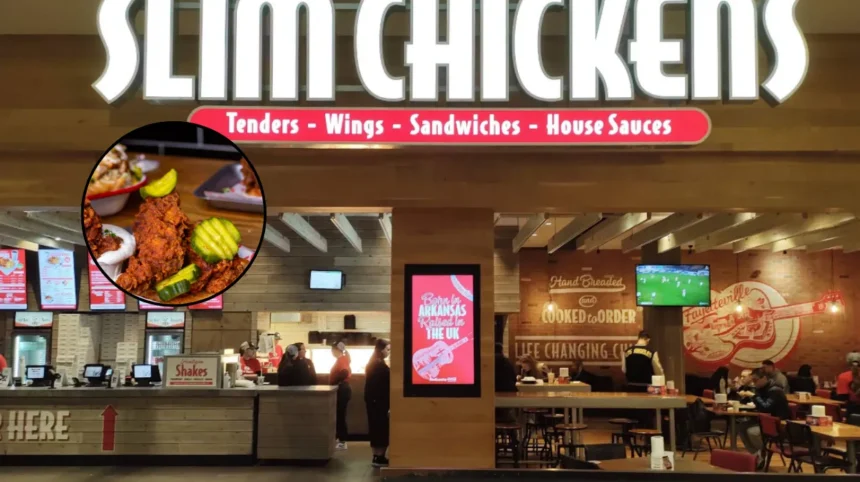
- Location and Rating: The Slim Chickens branch situated within St David’s Shopping Centre in Cardiff has received a zero food hygiene rating from environmental health inspectors.
- Timing of Inspection: The zero rating follows an inspection conducted on 29th June, coming just two months after the establishment was awarded a top five-star rating.
- Temporary Closure: The American chain restaurant closed its doors temporarily following the inspection before subsequently reopening to the public.
- Areas for Improvement: According to the Food Standards Agency, “major improvement” is required across food safety management, facility cleanliness and condition, as well as general food handling.
- Parent Company Response: Boparan Restaurant Group, which owns and operates Slim Chickens UK, stated that it “voluntarily closed” the branch after being made “aware of an issue” and is currently awaiting a formal re-inspection.
- Expert Surprise: A food safety specialist expressed surprise at the rapid degradation from a five-star rating to a zero-star assessment within a two-month timeframe.
Cardiff (Cardiff Daily) August 8, 2026 –A popular American-style chicken restaurant located in the heart of Cardiff city centre has been issued a zero food hygiene rating following a formal inspection by environmental health officers. The Slim Chickens outlet, positioned within the bustling St David’s Shopping Centre, was subjected to a food safety assessment on 29th June, which resulted in the lowest possible score under the national scheme.
- Key Points
- How did the restaurant management respond to the inspection findings?
- How do environmental health officers determine food hygiene ratings?
- Why have food safety experts expressed concern over the rating shift?
- Background of the particular development
- Prediction: How this development can affect the business, consumers, and local industry
The abrupt drop in hygiene standards occurred merely two months after the exact same venue had achieved a maximum five-star hygiene rating, prompting immediate operational changes and a temporary closure of the premises.
The Food Standards Agency published the results of the inspection on its official public registry, confirming that the restaurant requires urgent, wide-ranging operational overhauls.
Inspectors determined that major improvements are necessary regarding how food safety is managed at the venue, as well as the overall cleanliness and physical condition of the facilities.
Furthermore, the assessment highlighted required upgrades in general food handling procedures, which cover critical operational stages including the preparation, cooking, and storage of produce served to consumers.
How did the restaurant management respond to the inspection findings?
Following the inspection on 29th June, the restaurant ceased operations temporarily to address the immediate concerns raised by the environmental health team. Slim Chickens UK is owned and operated by the Boparan Restaurant Group, a prominent hospitality firm responsible for bringing the US franchise brand to the UK market.
Management maintained that the decision to pause operations was an internal, proactive measure rather than an enforced legal shutdown.
A spokesperson for the Boparan Restaurant Group explained that the company “voluntarily closed” the Cardiff branch immediately after being made “aware of an issue” inside the premises.
The company confirmed that after implementing corrective actions, the St David’s Shopping Centre outlet has since reopened its doors to customers and is actively awaiting a official re-inspection by local authority environmental health officers to re-evaluate its hygiene status.
How do environmental health officers determine food hygiene ratings?
Under the standard framework overseen by local authorities and the Food Standards Agency, environmental health officers conduct unannounced visits to evaluate businesses that prepare, store, or sell food to the public. Ratings range from zero, signifying that urgent improvement is necessary, up to five, which indicates very good hygiene standards.
Inspectors treat each visit as an objective “snapshot” of the standards present at the precise time of inspection. The assessment evaluates three core areas:
What specific areas are evaluated during an inspection?
- Hygienic Food Handling: This includes the physical handling of food items during preparation, cooking, re-heating, cooling, and storage routines.
- Physical Condition of Facilities: This examines the cleanliness, layout, lighting, ventilation, and overall structural condition of the building, including pest control provisions.
- Management of Food Safety: This assesses the administrative and systemic controls in place, evaluating staff training, official documentation, record-keeping, and established safety processes that ensure food remains fit for consumption.
Why have food safety experts expressed concern over the rating shift?
The swift drop from a maximum five-star score to a zero rating within eight weeks has drawn scrutiny from industry experts. Under typical operating conditions, food service establishments that hold a five-star rating possess robust management systems designed to prevent systemic hygiene failures.
A food safety expert noted being “surprised” by the sudden downturn in the restaurant’s rating given the short elapsed time between checks.
A transition from a top-tier score to the lowest possible tier generally points to a significant failure in day-to-day oversight, major structural issues, or severe breaches in standard operational protocols that developed rapidly after the prior inspection was completed.
Explore More Local Cardiff News
Croeso Pubs Plans New Pub in Listed St Mary Street Building Cardiff 2026
Iris Prize Opens New LGBTQ+ Pop-Up in St David’s Cardiff 2026
Background of the particular development
Slim Chickens is an American fast-casual restaurant chain founded in Fayetteville, Arkansas, in 2003, specializing in chicken tenders, wings, and southern-inspired side dishes.
The brand expanded into the United Kingdom market through an exclusive master franchise agreement with the Boparan Restaurant Group, one of the UK’s largest food service operators.
Since entering the UK market, the brand has expanded rapidly across major UK shopping centers, retail parks, and city-centre dining hubs.
The Cardiff venue inside St David’s Shopping Centre represents a high-footfall location within Wales’ premier retail destination. Food outlets operating within major commercial centres are subject to strict health and safety protocols enforced by local council environmental health teams.
The Food Hygiene Rating Scheme in Wales operates on a statutory basis, requiring food businesses to publicly display their hygiene rating stickers at customer entrances. This framework is designed to provide complete transparency to consumers regarding food safety compliance in commercial dining spaces.
Prediction: How this development can affect the business, consumers, and local industry
In Wales, where displaying food hygiene ratings at public entrances is mandatory by law, a zero rating presents an immediate reputational challenge.
Footfall at the St David’s Shopping Centre branch may experience a noticeable decline in the short term, as consumers visiting the retail centre frequently check visible hygiene stickers before selecting dining options. Rebuilding consumer confidence typically requires a prolonged period of public compliance and a verified higher rating following re-inspection.
The temporary voluntary closure and the subsequent effort to rectify identified deficiencies carry direct financial implications, including lost revenue during the shutdown and expenses associated with remedial work, staff re-training, and enhanced auditing processes.
Furthermore, corporate management may implement more frequent internal quality assurance checks across all other Slim Chickens branches nationwide to ensure operational protocols are strictly maintained and to safeguard against similar rating drops in other locations.
Following a zero rating, local authority environmental health officers usually maintain a closer monitoring regime for the affected premises.
Even after a re-inspection takes place and a new rating is issued, the establishment can expect more frequent unannounced follow-up visits over the next 12 to 18 months to verify that long-term food safety management systems remain robust and fully functional.